Lifelines for a Fixed Iowa Stand
Many of us have a favorite fixed treestand in Iowa, whether it’s perched on a commanding timber point overlooking a creek or strategically placed along a field edge to catch cruising bucks. There’s no denying the strategic advantage an elevated position gives you, but getting into and out of that stand is often the riskiest part of the hunt. A moment of distraction, a slick climbing stick, or even just cold, fumbling fingers can lead to a devastating fall. This guide is dedicated to a piece of gear that should be a non-negotiable part of every fixed treestand setup: the lifeline, your constant connection to safety from the moment your feet leave the ground until they're back on it.
Why Treestand Safety is Non-Negotiable in Iowa
The Harsh Reality of Falls
It’s incredibly easy to get comfortable, even complacent, with your treestand routine, especially if you’ve been hunting the same spot for years. You might tell yourself, "I know this stand like the back of my hand," or "It's only 15 feet up, I'll be fine." But the sobering truth is that treestand falls remain one of the leading causes of serious injury and fatalities among deer hunters. The danger isn't just about a stand failing; it's overwhelmingly about the moments you're transitioning – ascending, descending, or moving from your climbing sticks to the stand platform.
Consider those prime, crisp mornings in early November, when the Iowa rut is kicking into high gear. You're fueled by adrenaline, eager to get settled before the first hint of legal shooting light, perhaps rushing a bit. Or think about a frigid late December sit, your fingers stiff with cold as you try to unclip from your climbing aid and hook into your stand. These are the critical, vulnerable moments. A slip can happen to anyone, regardless of experience level. The ground comes up incredibly fast, and even what seems like a short fall can result in broken bones, paralysis, or even worse. As hunters, we have a responsibility to ourselves, and certainly to our loved ones waiting at home, to make safety an absolute priority every single time we go afield.
Iowa's Variable Conditions and Stand Integrity
Iowa weather is famously unpredictable. We can swing from sweltering early archery season temperatures in October to torrential downpours that turn low-lying areas into muddy quagmires, and then plunge into bitter cold, ice, and heavy snow during the late muzzleloader and shotgun seasons. Each of these weather patterns introduces unique challenges that can compromise your safety if you’re not prepared. Moisture makes climbing steps slick, and a sudden ice storm can transform them into treacherous hazards. High winds can cause ladders to sway, and prolonged exposure to sunlight (UV rays), rain, and snow can slowly degrade the ropes and straps of your safety system over time if they aren't properly maintained.
Think about a fixed stand that you leave out for the entire season, or even year-round. While the stand structure itself might be robust, the relentless elements are constantly working against its components. Ropes can chafe against rough tree bark, metal carabiners can develop rust, and the tree itself can grow, putting undue tension on straps or ropes. It’s not just about the single moment of your climb; it's about ensuring your entire setup remains structurally sound and safe despite everything Mother Nature throws its way. Investing in a high-quality lifeline system and meticulously performing regular checks is absolutely essential for anyone pursuing deer, whether it's during Iowa Whitetail Hunting Tactics Through the Rut or facing the challenges of Late Muzzleloader Deer Hunting in Iowa.
Understanding Lifelines: Your Constant Connection
What is a Treestand Lifeline and How Does It Work?
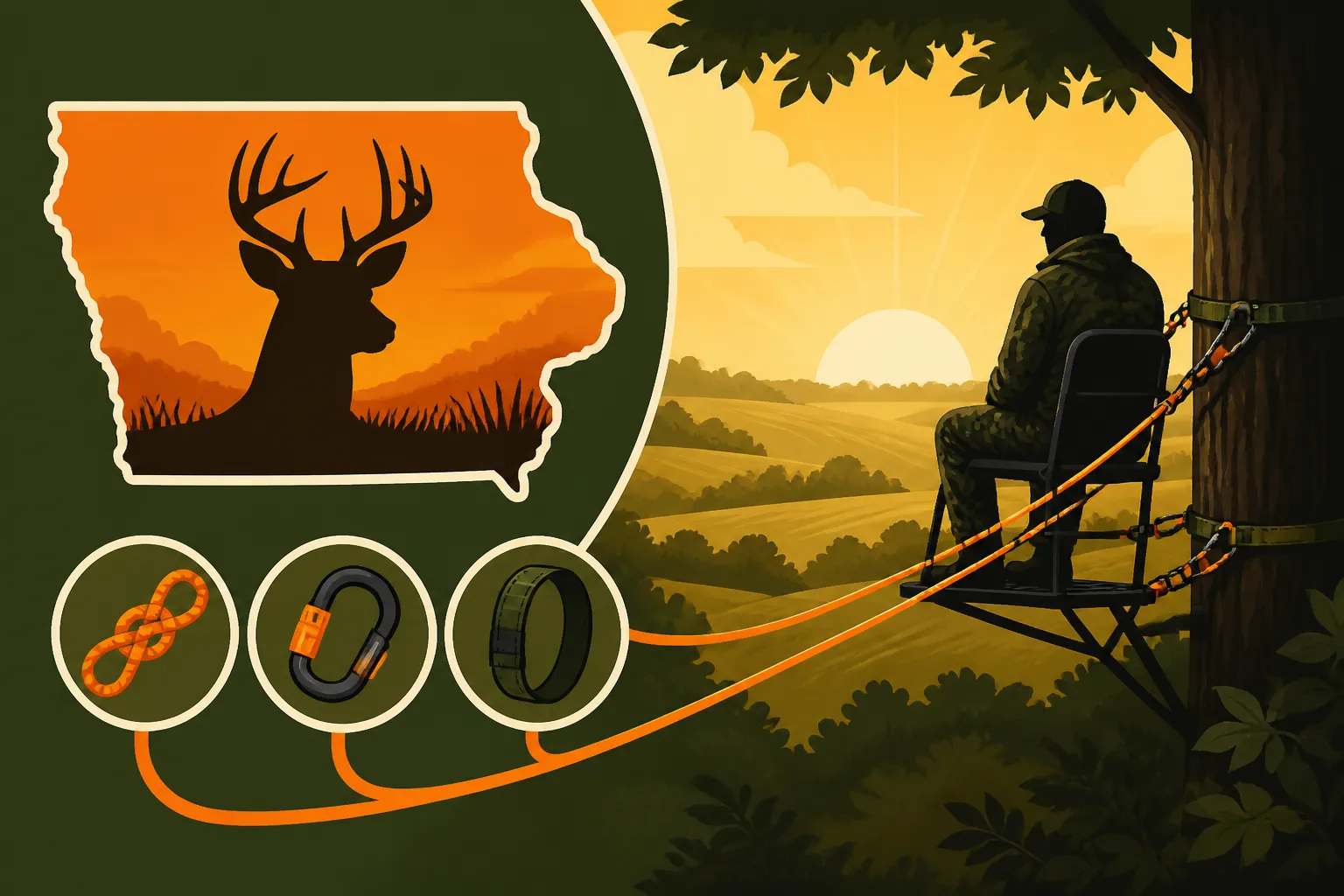
A treestand lifeline, often referred to interchangeably as a "fall arrest system" or "safety rope," is essentially a vertical rope that runs from the base of your tree, all the way up to your fixed stand, and ideally, extends a foot or two above the stand platform. The genius of this system lies in its ability to keep you continuously connected. Before you ever lift your foot off the ground, you attach your full-body harness to a special sliding knot – most commonly a Prusik knot – that is already on this lifeline. As you ascend using your climbing sticks or ladder, this Prusik knot slides freely up the main rope with you. Should you happen to slip, lose your balance, or lose your grip at any point, the Prusik knot instantly cinches down onto the main rope, arresting your fall and preventing you from hitting the ground.
The real benefit here is that there’s no precarious moment of being unclipped and exposed. You remain tethered and safe throughout your entire ascent and descent. Once you reach your stand, you simply slide the knot up to a comfortable height, allowing you enough slack to move around and get settled within your stand's platform, but not so much that you could fall completely out of the stand itself. When your hunt is over and it's time to descend, the process is reversed. You remain securely connected via the Prusik knot, sliding it down the lifeline as you climb down your sticks, ensuring you're safe and secure until both feet are firmly back on solid ground.
Ropes, Knots, and Carabiners: The Anatomy of Safety
A reliable lifeline system is a composite of several critical components, each meticulously designed to play a vital role in your safety. The rope itself is typically constructed from strong, durable synthetic materials, often braided polyester or nylon, engineered to withstand the rigors of outdoor exposure and to absorb the kinetic energy of a fall. It must be rated for outdoor use and possess a high breaking strength, far exceeding the combined weight of you and your gear. The Prusik knot, or a similar purpose-built mechanical ascender/descender device, is the heart of this system. This specialized friction knot, when tied correctly, allows for smooth, easy movement along the main lifeline rope but instantly locks tight under any applied pressure, effectively preventing a fall. Many commercially available lifelines come with a Prusik knot already expertly tied or incorporate a mechanical rope grab that performs the same essential function.
Next, we have the carabiners. These robust metal clips are what physically connect your full-body harness to the Prusik knot. It is absolutely paramount that you use heavy-duty, locking carabiners specifically designed and rated for climbing, industrial safety, or fall arrest applications. Never, under any circumstances, should you use a flimsy, non-locking carabiner, as it could accidentally open or fail at a critical moment. Finally, a strong tree strap or anchor rope is used to securely affix the top end of the lifeline to the tree, typically above your stand, ensuring it's anchored firmly and can support your weight. When you're diligently setting up a stand in Iowa's Timber Points Between Two Fields or a productive River Oxbows and Deer Movement, ensuring all these components are robust, in excellent condition, and correctly assembled is not just good practice, it's foundational to your safety. It's not merely about possessing the right parts; it's about understanding and trusting their synergistic operation.
Installation Steps for a Fixed Stand
Installing a lifeline on your fixed treestand isn't overly complicated, but it absolutely demands a meticulous approach and keen attention to every detail. Here's a general, step-by-step overview to guide you through the process:
- Secure the Top Anchor Point: This is undeniably the most critical step. The lifeline must be securely anchored high up on the tree, ideally a foot or two above your stand platform. A common method involves using a throw rope and a small weight (like a piece of firewood or a rock tied to a light line) to get a pilot line over a sturdy limb or branch that's situated above your stand. Once the pilot line is over, you can use it to pull the heavier main lifeline rope up and over the limb. If a suitable limb isn't available, many systems utilize a robust, heavy-duty tree strap that wraps around the tree trunk at the desired height and connects to the lifeline. Regardless of the method, ensure this anchor point is above your stand and is as high as you can safely reach to maximize the system's effectiveness.
- Route and Secure the Lifeline: Once the top end of the lifeline is securely anchored, pull the rope down towards the base of the tree. Many systems are designed to form a continuous loop. This means the rope runs from the top anchor down to the ground, where you'll secure the bottom end snugly around the base of the tree, perhaps with a sturdy knot or by attaching it to a ground stake. The goal is to keep the lifeline relatively taut and free from excessive slack that could cause it to hang awkwardly or become entangled.
- Prepare the Prusik Knot Connection: Most commercially sold lifeline systems come with the Prusik knot (or mechanical grab device) already expertly tied onto the main lifeline rope. If you're using a custom setup or tying your own, it's absolutely vital that you know how to tie a proper Prusik knot or a similar friction hitch. This Prusik knot is then the point where you will connect your full-body harness using a robust, locking carabiner.
- Test the System Thoroughly: Before you even think about putting your full body weight on the system, perform a thorough test. Gently tug on the Prusik knot to ensure it cinches down tightly and reliably on the main rope. Visually inspect all connections, knots, and hardware to confirm they are secure and correctly assembled. Then, as you begin your actual ascent, make sure you remain connected to the lifeline with your harness and carabiner from the very first step off the ground until you are safely settled into your stand, and maintain that connection for the entire descent until both feet are back on solid earth.
This commitment to constant connection is your most effective and reliable defense against the potentially catastrophic consequences of a fall.
Choosing the Right Lifeline System for Iowa Hunting
Material and Durability Considerations
When you're out chasing deer in Iowa, facing everything from warm October breezes to the bone-chilling winds of January, the durability of your gear isn't just a convenience—it's paramount. Lifelines are certainly no exception. The materials used in their construction are engineered for rugged outdoor resilience, yet even the finest will show signs of wear over time if not chosen wisely and meticulously cared for. You'll primarily find lifelines crafted from high-strength synthetic fibers, typically braided polyester or nylon. These materials offer exceptional tensile strength, making them incredibly strong, and a good degree of resistance to abrasion, which is important when rubbing against tree bark. However, it's crucial to understand that they are not indestructible.
UV degradation is a silent, insidious threat to ropes that are left exposed to the sun year-round. The sun's ultraviolet rays slowly but steadily break down the molecular structure of the fibers, weakening the rope over an extended period. If you plan to leave your fixed stands and lifelines out for the entire season or even multiple seasons, it's wise to either select options explicitly designed with enhanced UV resistance or commit to a routine of replacing them every few seasons. Moisture and repeated freeze-thaw cycles can also take a significant toll, especially on older ropes, potentially causing them to stiffen, lose flexibility, or develop minor internal damage to the fibers. Furthermore, animal damage, particularly from persistent squirrels or curious mice, can be a real problem. These critters have a surprising ability to chew through ropes if they aren't protected or are left unattended for prolonged periods. Therefore, it's absolutely essential to inspect your lifeline meticulously before each and every use, searching for any signs of fraying, nicks, cuts, or discoloration that might indicate UV damage or general wear. A small compromise in the rope's integrity could unfortunately lead to a catastrophic failure precisely when you need it most.
Features to Look For: Prusik Knots, Length, Weight Capacity
Not all lifeline systems are created equal, and understanding what features to prioritize can significantly impact both your safety and the overall ease of use in the field.
- Prusik Knot (or Mechanical Grab): This component is the absolute core of the entire system. While traditional, hand-tied Prusik knots are incredibly effective and time-tested, some modern systems incorporate a mechanical rope grab that achieves the same critical function, often with smoother operation and easier adjustment. When evaluating, look for a system where the Prusik or mechanical grab slides fluidly along the main rope during ascent/descent but locks instantly and reliably under any applied weight. If it's a traditional Prusik, the rope used for the knot itself should ideally be a slightly smaller diameter than the main lifeline for optimal friction.
- Length: This is a straightforward but vital consideration. Assess the maximum height of your treestands. Lifelines typically come in standard lengths, such as 20, 30, or 40 feet. It is always, always advisable to purchase a lifeline that is longer than the actual height of your stand. This extra length allows for adequate rope to securely tie off at the bottom of the tree and provides sufficient length above your stand for optimal safety and maneuverability. Never cut corners on length; those extra few feet of rope could literally be a lifesaver.
- Weight Capacity: Every lifeline system will come with a clearly specified weight capacity. It is imperative that this stated capacity significantly exceeds your total expected hunting weight, which includes your body weight, your heavy layered clothing for cold Iowa mornings, your fully loaded hunting pack, and any additional gear you might be carrying up or down. Never attempt to push or exceed the manufacturer's stated safety ratings. If you're a larger hunter or consistently carry a substantial amount of gear, actively seek out heavy-duty lifeline options designed for increased loads.
- Ease of Installation: While most lifeline systems are designed for relatively straightforward installation, certain features, such as pre-tied knots, integrated tree straps, or simple rope-management systems, can significantly streamline the setup process, especially when you're attempting to get a rope up a tall tree in less-than-ideal field conditions. Your choice of climbing aid, like Climbing Sticks Versus a Climber, can also influence how easily you manage the initial installation of your lifeline.
- Weather Resistance: Given Iowa's diverse and often extreme climate, prioritize ropes and hardware that are specifically manufactured to resist the damaging effects of UV radiation, persistent moisture, and fluctuating extreme temperatures. This thoughtful consideration ensures your lifeline remains reliable throughout the entire hunting season.
Comparing Popular Lifeline Types
When you're sifting through the options for lifeline systems, you'll generally encounter a few prevalent types, each presenting its own set of advantages. Grasping these distinctions can genuinely assist you in pinpointing the best possible fit for your individual hunting style, your fixed stands, and your budget.
| Lifeline Type | Description | Pros | Cons | Best For |
|---|---|---|---|---|
| Standard Rope Lifeline with Prusik | This classic configuration consists of a single, continuous length of high-strength rope that serves as the main lifeline, accompanied by a separate, shorter piece of rope expertly tied into a Prusik knot. | Simple in design, inherently reliable due to its mechanical friction-based operation, and typically the most cost-effective option. The simplicity also makes it relatively easy to inspect for wear and tear. | The Prusik knot, if not pre-tied, requires specific knot-tying knowledge (which is a good skill to have anyway). In some conditions, it can feel a bit stiff to slide, or might require more manual adjustment than mechanical systems. | Hunters who value a basic, proven, and budget-friendly safety solution, and those comfortable with traditional climbing knots. |
| Integrated Mechanical Grab System | This type features the main lifeline rope, but instead of a traditional Prusik knot, it utilizes a mechanical device that functions as a rope grab, automatically locking onto the rope under tension. | Often offers a noticeably smoother and more fluid operation during ascent and descent. It's generally easier to adjust, and there's no knot-tying required for the grab mechanism, making it very user-friendly. | Can be more expensive than basic Prusik systems due to the engineered mechanical components. The mechanical parts might also require slightly more diligent maintenance and cleaning, particularly in dirty or icy conditions, to ensure optimal function. | Hunters who prioritize maximum ease of use, buttery-smooth operation, and are willing to invest a bit more for these features. |
| Complete Safety Systems (e.g., Hunter Safety System, Muddy, Summit) | These comprehensive packages often bundle the lifeline itself together with a high-quality full-body harness and, in many cases, even include crucial accessories like suspension relief devices, all within a single kit. | Provides everything a hunter needs in one convenient package, ensuring that all components are designed and tested to work seamlessly together. They typically come with clear, comprehensive instructions, simplifying setup for even novice users. | Generally come with a higher upfront cost compared to buying individual components. You might find that the kit includes certain components (like a specific harness style) that you already own or for which you prefer an alternative. | New hunters seeking a comprehensive, all-in-one, no-fuss solution, or those looking to completely upgrade their safety gear. |
Many reputable brands offer excellent lifeline solutions, ranging from companies solely focused on treestand safety to well-known treestand manufacturers like Summit, Millennium, and X-Stand. While GoHunt isn't a direct lifeline manufacturer, they serve as an incredible resource for a vast array of hunting gear. Their extensive collection of articles and educational content can guide you through the intricacies of selecting the right safety equipment for your specific needs, including offering insights and reviews on top lifeline brands. It's always a smart move to leverage their informative resources and product insights when making such a profoundly important purchase.
Beyond the Lifeline: Completing Your Safety System
While securing a lifeline to your fixed stand is a massive leap forward in preventing falls, it’s crucial to remember that it's just one component of a larger, integrated safety ecosystem. All these pieces work in concert to ensure your safety.
The Importance of a Full-Body Harness
A lifeline, no matter how robust or perfectly installed, is only as effective as the equipment you connect it to. This is precisely where a high-quality, properly worn full-body harness becomes absolutely indispensable. Let me be unequivocally clear: if you are hunting from any elevated stand, you must be wearing a full-body harness. Old-fashioned safety belts that only wrap around your waist are not only outdated but incredibly dangerous. In the horrific event of a fall, a waist-only belt can exert crushing pressure, leading to severe internal injuries, rib fractures, or even suffocation as your body weight pulls down. A full-body harness, conversely, is designed to distribute the immense pressure of a fall across multiple points – your shoulders, chest, and legs – thereby drastically reducing the risk of critical injury and allowing you to remain conscious and capable of self-rescue or signaling for help.
Your harness should fit snugly but remain comfortable enough to allow a full range of motion, which is essential for drawing a bow or shouldering a firearm. Make sure all straps are adjusted correctly to prevent slipping or chafing, and take the time to understand how to don it properly before you're fumbling in the dark. Most harnesses feature multiple attachment points; for connecting to a lifeline, you'll typically use the D-ring located on your upper back, or sometimes a chest-level loop specifically designed for fall arrest. Always, always follow the manufacturer's specific instructions for proper wear, adjustment, and attachment. This is unequivocally not the place to cut corners, whether you're hunting private ground bordering Standing Corn and Bean Field Deer Patterns or navigating the challenges of Public Land Deer Hunting in Iowa.
Suspension Relief Straps
This particular piece of safety equipment is shockingly overlooked by far too many hunters, yet it possesses the potential to be the critical difference between survival and tragedy after a fall. If you suffer a fall and find yourself suspended by your full-body harness, a dangerous physiological condition known as "suspension trauma" can develop with alarming speed, sometimes within a mere few minutes. This occurs when the leg straps of your harness restrict vital blood flow to your legs, causing blood to pool. The resulting loss of circulation can rapidly lead to dizziness, fainting, severe medical complications, and potentially, even death.
A suspension relief strap, which is often a compact, easily deployable strap that comes either integrated with your harness or can be purchased and added separately, provides a life-saving solution. It allows you to create a foothold and effectively "stand up" in your harness after a fall, thereby relieving the pressure on your femoral arteries and preventing the onset of suspension trauma. It's a remarkably simple, lightweight, and compact device. You deploy it by stepping into the loop it forms, which then allows you to take the pressure off your legs while you await rescue or formulate a safe self-rescue plan. It is absolutely imperative that your harness either includes one of these straps or that you consistently carry one with you. More importantly, you must know how to properly and quickly use it before you ever find yourself in an emergency situation.
Regular Inspection and Maintenance
Your entire treestand safety system is only as strong as its weakest link, and wear and tear, coupled with environmental exposure, can rapidly create those weak links over time. Establishing a consistent, thorough routine for inspecting and maintaining all your safety gear is not just recommended, it is absolutely crucial for your continued well-being.
- Before Each and Every Hunt: Develop a habit of performing a quick, yet comprehensive, visual inspection of your entire treestand setup. Check your full-body harness for any signs of frayed straps, hairline cracks in buckles, or compromised stitching. Examine your lifeline rope meticulously for any cuts, significant abrasions, excessive fraying, or any discoloration or brittleness that would indicate UV damage. Ensure all your carabiners operate smoothly and lock securely without any sticking.
- Seasonal Deep Dive: At the start of each hunting season, and again when the season concludes, or critically, after any significant adverse weather event (like a severe ice storm or prolonged heavy rain), commit to a much more thorough, in-depth inspection. Take your harness completely out of your hunting pack, lay it out fully, and meticulously examine every single inch of webbing, every buckle, and every stitch. Perform the same detailed inspection for your lifeline. Pay particularly close attention to all connection points, any knots (if they’re not pre-tied factory knots), and all metal hardware. Consider washing your harness according to the manufacturer's instructions to remove accumulated dirt, sweat, and oils, which can prematurely degrade materials.
- Proper Storage: When not in use, always store your lifeline and harness in a cool, dry place, ideally away from direct sunlight, corrosive chemicals, and, importantly, away from pests like rodents who are notorious for chewing on ropes and webbing. Avoid storing them in a cramped space where they could be crushed, kinked, or abraded by other gear.
- Timely Replacement: Do not hesitate, ever, to replace any components that show significant signs of wear, damage, or degradation. Ropes, webbing in harnesses, and even metal carabiners have a finite lifespan, especially with repeated outdoor exposure. If you are ever in doubt about the integrity of any part of your safety system, err on the side of extreme caution and replace it immediately. The relatively minor cost of new gear is absolutely negligible when compared to the potentially life-altering or fatal consequences of a serious injury. This unwavering vigilance is a cornerstone of safe hunting, whether you're anxiously awaiting When the Iowa Rut Peaks or glassing for deer during Iowa January Antlerless Hunts.
Practical Tips for Iowa Hunters Using Lifelines
Dealing with Icy Conditions
Hunting in Iowa, particularly during the later firearm seasons or through the bitter cold of late-season archery, almost inevitably means encountering ice, frost, and snow. These conditions dramatically escalate the risk of a fall, making your lifeline an even more profoundly critical piece of equipment.
- Pre-Scout for Ice: If you're aware that freezing rain, heavy frost, or a significant snowfall is in the forecast, consider checking your stand and climbing sticks the day before, if it's safe and practical to do so. A thin, almost invisible layer of ice can transform steps into a deathtrap, especially when you're climbing in the pre-dawn darkness.
- Slow and Deliberate: When ascending or descending in icy conditions, adopt an extremely slow, methodical, and deliberate pace. Test each step with minimal weight before fully committing your body weight. Your lifeline is there to catch you if you slip, but preventing the fall altogether is always the primary goal.
- Gloves with Superior Grip: Select hunting gloves that offer exceptional grip, even when they're wet or your hands are cold. Avoid overly thick, bulky gloves that might hinder your dexterity, making it difficult to feel your steps or manipulate your carabiner with confidence.
- Gentle De-icing: Some experienced hunters carry a small, sturdy brush or a soft scraper to carefully clear ice from climbing steps. Exercise extreme caution if you attempt this while you're actually climbing.
- Appropriate Footwear: Wear winter boots with aggressive, non-slip outsoles that are specifically designed to provide traction in icy and snowy conditions.
Remember, even with a lifeline securely in place, an uncontrolled fall, even a short one, can still result in bumps, bruises, and sprains. The lifeline is your ultimate safeguard against serious, life-threatening injury, but a careful and mindful ascent and descent remain paramount.
Public Land Considerations
Hunting on Iowa's extensive public lands, whether it's a sprawling state forest like Yellow River State Forest Hunting or a smaller, carefully managed Iowa Wildlife Management Area Acres, comes with a distinct set of rules and ethical considerations regarding fixed stands and the lifelines you might leave with them.
- Regulations on Permanent Stands: It's vital to understand that many public land areas in Iowa have stringent regulations against leaving treestands, climbing sticks, or lifelines permanently affixed to trees year-round. Some specific areas may permit stands to be left for a designated season, while others demand their removal daily. You must always meticulously check the local regulations for the specific WMA or state forest where you intend to hunt. Ignorance of these rules can unfortunately lead to substantial fines, confiscation of your valuable gear, or even loss of hunting privileges.
- "Leave No Trace" Ethos: Even in areas where you are permitted to leave a stand for a season, wholeheartedly embrace and apply the "leave no trace" principle. Strive to minimize your impact on the tree itself. Avoid using damaging screw-in steps, and ensure that your lifeline's tree-strap doesn't girdle or cut into the bark of the tree as it grows.
- Risk of Theft and Vandalism: Regrettably, leaving any hunting gear, including stands and lifelines, on public land can expose it to the unfortunate risks of theft or vandalism. While your lifeline is a critical safety item, it's also a financial investment. Consider employing tamper-resistant attachment methods or, if regulations allow, removing easily stolen components and taking them with you, then redeploying your full safety system each hunt. For example, some hunters will remove their climbing sticks and lifeline, leaving only the stand itself, then redeploy the safety gear each hunt.
- Ethical Considerations and Visibility: When you're utilizing a lifeline on public land, ensure that its presence is not creating an unfair advantage or being perceived in any way as a form of baiting or attractant. Your safety equipment should be purely functional and discreet, not something that draws undue attention from game or other hunters. Resources from GoHunt often highlight the paramount importance of ethical hunting practices on public ground, a principle that extends directly to how you manage and maintain your treestand setups.
Encouraging Safety Among Hunting Partners
Hunting is often a deeply shared experience, and ensuring that every individual within your hunting group is fully committed to treestand safety is absolutely vital. It's not sufficient for just you to be safe; if a buddy suffers an injury, it impacts everyone in the group, both emotionally and practically.
- Lead by Undeniable Example: The most powerful and effective way to promote treestand safety among your peers is to consistently practice it yourself. Always, without exception, wear your full-body harness and diligently use your lifeline every single time you ascend or descend. Other hunters will undoubtedly notice your commitment and will be far more inclined to follow suit.
- Open and Honest Discussion: Initiate open, frank conversations about treestand safety well before the hunting season even begins. Discuss the inherent risks, share sobering statistics, and talk about the specific safety gear everyone uses. Normalize talking about safety, rather than treating it as an uncomfortable afterthought.
- Invest in Safety: If you have new or less experienced hunters in your group, consider the thoughtful gesture of gifting them a high-quality full-body harness or a reliable lifeline. It's a genuine investment in their long-term well-being and a clear statement of your care.
- Implement a Buddy System: Encourage a quick "buddy check" before anyone begins their ascent. A swift visual inspection to confirm that harnesses are correctly donned and lifelines are properly attached can prevent a simple, momentary oversight from escalating into a potential tragedy.
- Develop an Emergency Plan: Critically, discuss and establish a clear, actionable plan for what to do if someone in your group experiences a fall. Who has a charged cell phone capable of calling for help? Does everyone know the precise location where each hunter is set up? Has everyone been trained on how to properly deploy and use a suspension relief strap? A well-rehearsed emergency plan can save precious, life-altering minutes in a crisis situation. Resources provided by GoHunt often include comprehensive articles on group hunting safety and robust emergency preparedness strategies, which serve as excellent tools for facilitating these crucial discussions. Remember, hunting together means actively looking out for one another, especially when it comes to the inherent risks of elevated treestand hunting.
Disclaimer
This article is for general informational purposes only and does not constitute professional advice. Laws, prices and regulations vary by location and change over time. Consult a qualified professional for guidance on your specific situation.