Stand Weight for a Long Walk In
There’s nothing quite like that feeling of excitement and anticipation as you head into the timber or across a vast CRP field, knowing a deer hunt is about to unfold. But let's be honest, that feeling can quickly turn into a weary slog if you’re hauling a treestand that feels like it’s made of lead, especially when you’re pushing deep into remote Iowa public land. Many of us have faced that moment of buyer's remorse, grunting and sweating our way to a distant ridge, wishing we'd paid more attention to the numbers on the box. This guide is all about helping you navigate the crucial decision of stand weight, ensuring your long walks in Iowa hunting country are manageable and don't burn you out before you even get to your setup.
The Weighty Decision: Balancing Portability with Stability for Iowa Hunts
When you're picking out a treestand for Iowa hunting, especially for those spots that are a good hike from the truck, the weight of that stand isn't just a number on a spec sheet. It's a real-world factor that dictates how far you'll actually go, how fresh you'll feel when you get there, and even how quietly you can make your approach. Many hunters, myself included, have made the mistake of prioritizing comfort or platform size over pure packability, only to regret it halfway to a prime river bottom ambush.
The Impact of Stand Weight on Your Energy and Stealth
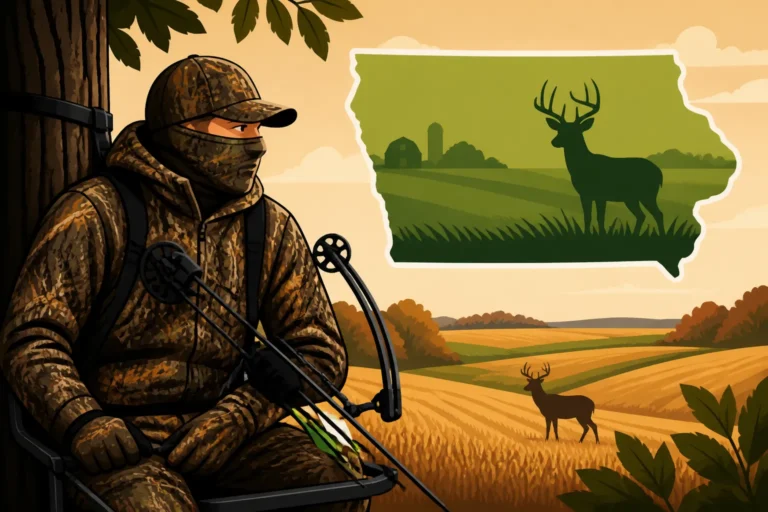
Imagine this: It’s a crisp November morning, temperatures are just right, and you've got a two-mile walk ahead of you to a funnel between two bedding areas that you pinpointed on E-Scouting Iowa Farm Country From Home. You're carrying your bow, your backpack, and a treestand that tips the scales at 25 pounds. By the time you reach your tree, your shoulders are aching, your back is screaming, and you're breathing like you just ran a marathon. Not only is your body protesting, but you’ve likely made more noise than you intended, huffing and puffing, potentially spooking any deer that might be close to your setup.
Heavy stands demand more energy, plain and simple. This means you’ll fatigue faster, potentially cutting your sit short or making the walk out even more miserable. Beyond the physical toll, the extra weight can make you clank and scrape against brush more often. Every bumped branch, every accidental clang of metal, sends a clear signal to every deer in the vicinity that something big and clumsy is moving through their woods. In Iowa, where deer often tolerate pressure but are incredibly wary, maintaining stealth on your approach is absolutely critical. A lighter stand allows for a quieter, more efficient journey, saving your energy for the hunt itself and minimizing your impact on the woods.
Stability vs. Portability: Finding the Sweet Spot
It’s a classic hunting dilemma: do you go for the feather-light minimalist stand that feels like it could disappear in your hand, but perhaps offers less comfort and platform space, or do you opt for the rock-solid, spacious stand that weighs a bit more but feels like a luxury apartment in the tree? The answer often lies in understanding your personal hunting style and the specific demands of your Iowa hunting grounds.
For those long, grueling walks into remote corners of public land, or when you're doing a true run-and-gun setup, extreme portability often wins out. You might sacrifice a few inches of platform or the plushness of a padded seat for a stand that weighs under 15 pounds. These stands, often made of aluminum, are designed for efficiency on the move. However, if you're planning an all-day sit during the rut, or if you have a spot on private land with easier access where you can leave a stand for extended periods, a slightly heavier, more comfortable stand might be worth the extra effort.
The "sweet spot" isn't a universal weight; it's a personal balance. Some hunters find that a 15-pound hang-on stand is their perfect compromise for mobility and comfort, while others are willing to carry 20 pounds for the added stability and foot room. It’s about what you can comfortably and quietly carry for the distance you need to travel, without compromising your ability to remain alert and effective on stand. This calculation changes if you're Mobile Saddle Hunting in Iowa where your saddle itself is lightweight, and you're only carrying climbing sticks or a single stick setup.
Assessing Your Typical Iowa Hunting Scenarios and Stand Needs
Iowa offers a diverse range of hunting environments, from vast timber tracts to agricultural fields bordered by creek bottoms and brush. Your stand weight considerations should absolutely be tailored to the specific type of hunting you plan to do in these varied landscapes. What works for a quick evening sit on a picked bean field might not cut it for a dawn-to-dusk adventure deep within a state forest.
Long Hauls to Remote Public Land
This is arguably where stand weight matters most. Iowa boasts some incredible public hunting opportunities, including numerous Wildlife Management Areas (WMAs) and the valuable Habitat and Access Program (IHAP) tracts. However, many of these prime spots require a substantial walk-in to get away from the easy access points and the inevitable hunting pressure that follows. If you're tackling spots like Yellow River State Forest or penetrating deep into a WMA like Rathbun Wildlife Area, you'll want to prioritize the lightest possible setup.
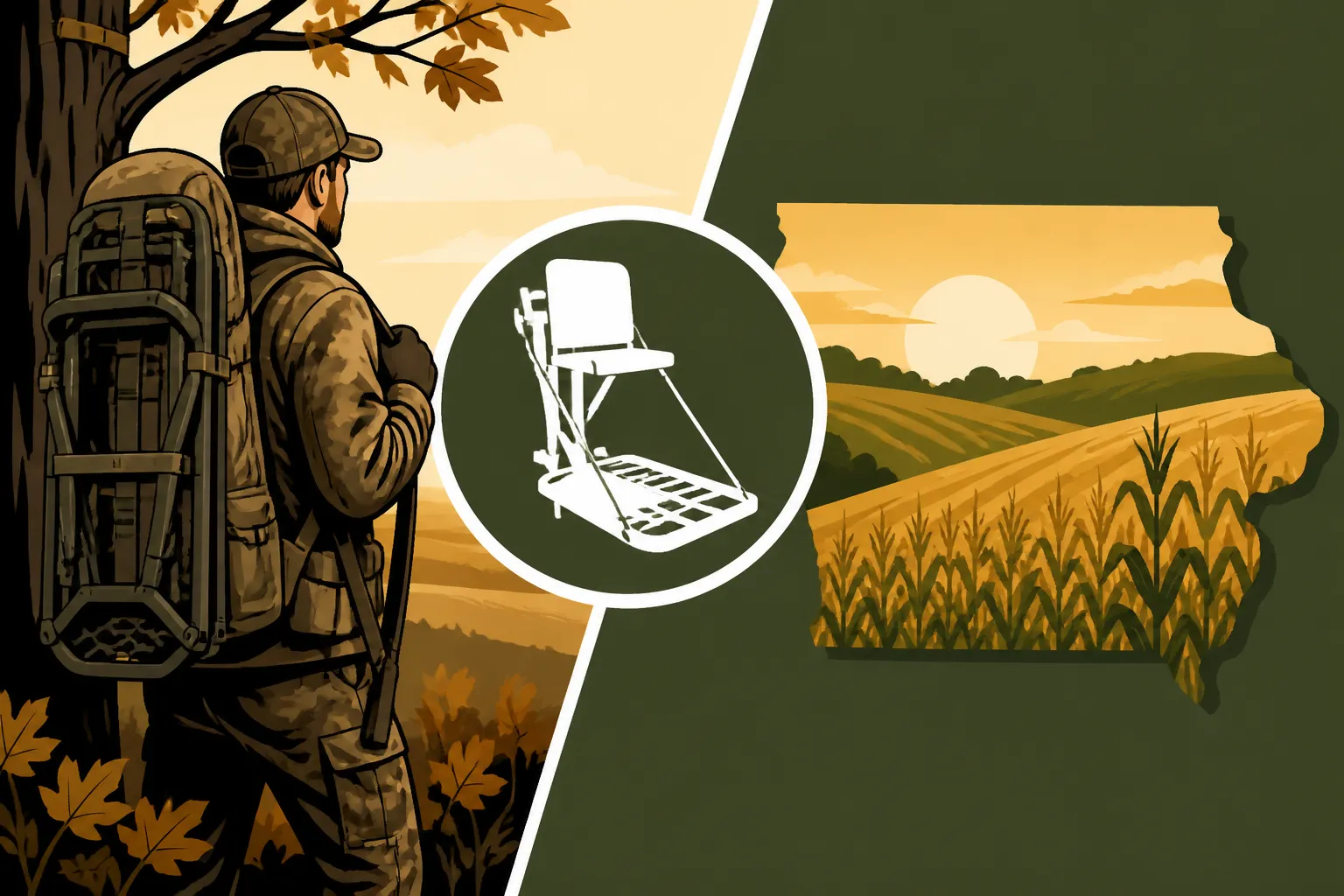
For these missions, every ounce in your pack feels like a pound after a mile or two. I’ve learned the hard way that a stand that feels "light enough" at the sporting goods store can feel like a concrete block by the time you're halfway to your intended tree. This is where those minimalist hang-on stands, often weighing 10-15 pounds, truly shine. You might also consider a saddle hunting setup, which typically involves a very light saddle and a set of Climbing Sticks Versus a Climber for ascent. This combination offers unparalleled portability, allowing you to get further back, access overlooked pockets of timber, and even set up on trees that a traditional climber or ladder stand wouldn't accommodate. Remember, getting away from the crowds is often key to success on public land in Iowa, and a light stand is your best friend in that endeavor.
Shorter Walks for Quick Sets or Private Land Access
Not every hunt requires an epic trek. Many Iowa hunters have access to private land, or find themselves making shorter pushes into public parcels that have easier road access. In these situations, your stand weight considerations can change quite a bit. If you’re only walking a quarter-mile to an inside corner of a standing corn field, or setting up for an evening hunt on a family farm where you know the deer patterns, you might have the luxury of carrying a slightly heavier, more feature-rich stand.
This could mean a hang-on stand with a larger platform, a more comfortable seat for longer sits, or even a smaller, portable ladder stand if the walk is truly minimal and the terrain allows for it. For example, if you're doing a quick evening sit over a food plot on private ground, a 20-pound stand with a comfortable mesh seat might be perfectly acceptable. The trade-off here is usually comfort and potentially increased stability for less portability. The key is honesty with yourself: what is the actual walk like, and how many times are you willing to make that walk with a heavier stand before it starts to feel like a chore? Overestimate your desired comfort and underestimate the walk, and you'll often find yourself looking for easier, less productive spots.
Deconstructing Stand Weight: What Makes a Stand Heavy?
Understanding why one stand weighs more than another is key to making an informed decision. It's not just random; specific materials and design choices directly impact the overall weight you'll be strapping to your back.
Material Matters: Aluminum vs. Steel Stands
The primary factor dictating stand weight is almost always the material it's constructed from.
-
Steel Stands: These are typically your heavier, more budget-friendly options. Steel is strong and durable, but it's also dense. A steel hang-on stand might easily weigh 20-30 pounds. While they offer excellent stability and usually a lower price point, they are a significant burden for any walk longer than a few hundred yards. The benefit is often a larger platform and a generally more robust feel, giving you confidence in the tree. If you're primarily hunting private land with short walks, or if you plan to leave a stand in a semi-permanent location for the season, a steel stand can be a solid, economical choice. However, for mobile hunting or Hunting Pressure Patterns on Iowa Public Land where you need to move frequently, they are often impractical.
-
Aluminum Stands: These are the lightweight champions, designed with portability in mind. Aluminum is significantly lighter than steel, allowing manufacturers to create stands that weigh as little as 10-15 pounds. This weight savings, however, comes with a higher price tag. Aluminum stands are ideal for hunters who value mobility above all else, frequently moving their setups or venturing deep into remote areas. They still offer excellent strength and stability when properly hung, but the thinner aluminum can sometimes feel a bit "flexy" compared to a beefy steel stand. If you're like me and often find yourself trying to get into those overlooked pockets of timber on public land, an aluminum stand is almost a necessity. Brands like Lone Wolf, Millennium (with their specific lightweight models), and XOP are well-known for their aluminum offerings, providing excellent choices for the mobile Iowa hunter. When comparing models, looking at the type of aluminum used and the quality of the welds can give you a good idea of its durability over seasons.
Features and Accessories That Add Pounds
Beyond the core material, several design features and accessories can quickly pack on the pounds.
- Platform Size and Design: A larger platform generally means more material, thus more weight. While a roomy platform is fantastic for comfort during long sits and offers more room to maneuver for a shot, it's a luxury that adds to your carry weight. Some stands feature an expanded mesh or grate platform, while others use a more minimalist bar or stick-style platform, each with different weight implications. For longer walks, a compact platform that still allows for safe standing and shooting may be the better choice.
- Seat Style: A thick, padded, flip-up seat might be incredibly comfortable, but it's heavier than a simple sling seat or a minimalist sit-strap design. Many ultralight stands forgo a traditional seat entirely, opting for a design where you either stand or use a separate, lightweight cushion. If comfort is paramount for your style of hunting and your hunts involve less walking, a heavier, more luxurious seat might be justified. Otherwise, a minimalist seat will save you a few precious pounds.
- Built-in Backpack Straps: While convenient, some integrated strap systems are bulkier and heavier than a dedicated aftermarket backpack frame or simple shoulder straps. If a stand has overly padded or complex built-in straps, it might be adding unnecessary weight. I often find that removing the factory straps and using a good quality external frame pack or custom carrying straps for my stand can actually make a lighter setup overall for those truly long hikes.
- Leveling Mechanisms and Hardware: Some stands feature elaborate leveling systems, adjustable platforms, or heavy-duty attachment mechanisms. While these can improve safety and comfort, they also add weight. Simpler designs often equate to lighter stands, relying more on the user's ability to pick a suitable tree or adjust manually during setup. Always consider if the added features truly justify the extra weight for your specific hunting style.
When you're trying to trim every ounce, scrutinizing these features is essential. A great tool like GoHunt can sometimes help you compare different models and their specifications side-by-side, allowing you to visualize how each feature might impact the overall weight and your budget.
Strategies for Reducing Your Carry Weight (Beyond the Stand Itself)
Focusing solely on the stand's weight is important, but it's only one piece of the puzzle. A truly comfortable and efficient long walk into your Iowa deer stand involves analyzing your entire gear loadout. Every item you pack contributes to your fatigue and noise profile.
Minimalist Packing and Essential Gear
Before you even pick up your stand, take a hard look at what else is going into your pack. Are you carrying things you truly don't need? A minimalist approach to your hunting pack can shave significant weight, making that relatively light stand feel even lighter.
Consider these areas:
- Water: Do you really need two liters for a three-hour sit in October, or will one suffice? For all-day sits in December, perhaps a small thermos of coffee and a Nalgene is better than multiple heavy water bottles.
- Food: Pack calorie-dense, lightweight snacks like energy bars or jerky, rather than bulky sandwiches or heavy fruit.
- Optics: Do you need those massive 15×56 binoculars for timber hunting, or would a compact 8×32 or 10×42 be sufficient? Binocular Size for Timber Hunting is a real consideration. Even a few ounces here and there add up.
- Survival Gear: While critical, assess the weight of your first-aid kit, fire-starting tools, and emergency shelter. Can you optimize for lighter versions without sacrificing safety?
- Clothing: Layer intelligently. Instead of one heavy coat, use a system of base layers, mid-layers, and a packable outer shell. This allows you to adapt to changing Iowa weather conditions without carrying unnecessary bulk or weight. Cold Weather Stand Clothing is vital, but so is making smart choices about materials.
- Miscellaneous Items: Do you need five grunt tubes, two different rattling bags, and every single knife you own? Streamline. Carry only what you realistically expect to use. I often lay out everything I think I need, then go through it item by item and ask myself, "Do I really need this, or can I do without it for this specific hunt?"
By adopting a strict minimalist mindset for your entire pack, you’ll find that even an average-weight stand becomes much more manageable for those long treks into prime Iowa hunting ground.
Utilizing Gear-Hauling Solutions
Sometimes, even with the lightest stand and a minimalist pack, the sheer volume or weight of gear for a specific hunt, or perhaps the distance to your destination, warrants a dedicated hauling solution.
-
Deer Carts: For relatively flat terrain or old logging roads, a good quality deer cart can be a game-changer. While they add an item to transport, they eliminate the burden of carrying heavy items on your back. You can load your stand, climbing sticks, backpack, and even your bow onto a cart, making the journey much less physically taxing. This is especially useful if you're hunting areas with established trails or open fields. However, they aren't practical for truly rugged, brushy, or steep terrain. For example, trying to haul a cart through a multiflora rose thicket or across a deep creek bottom will likely leave you frustrated and exhausted. However, for getting a deer out of an Iowa creek bottom, they can be invaluable after the shot. Take a look at Deer Carts on Iowa Walk-In Ground for more specific advice.
-
External Frame Packs: If a deer cart isn't feasible, an external frame backpack can help distribute the weight of your stand and other gear more effectively. Many hunters attach their treestand directly to the frame of a sturdy pack, then load their other essentials around it. This keeps the weight off your immediate back and shoulders, transferring it to your hips, which are better equipped to handle heavy loads over long distances. Some specialized hunting packs are even designed with integrated systems specifically for carrying treestands or boned-out game. Companies like Mystery Ranch or Kuiu offer excellent packs that excel in this regard, though they are certainly an investment.
-
Buddy System: Don't underestimate the power of hunting with a friend! If you're party hunting for deer, you can often split the load. One person carries the stand and sticks, the other carries the blind, or one carries extra water and gear for both. Party Hunting Rules and Safe Drives can offer insights into the social aspects and rules, but the practical side of sharing the load can make a huge difference in how far and how comfortably you can get into your hunting spot.
Ultimately, the right stand weight for a long walk in Iowa isn't just about the number on the scale, but how that number interacts with your personal strength, your gear choices, and the specific terrain you'll be traversing. By being thoughtful and strategic in your gear selection, you can ensure that those long walks are an enjoyable part of the hunt, not a grueling obstacle.
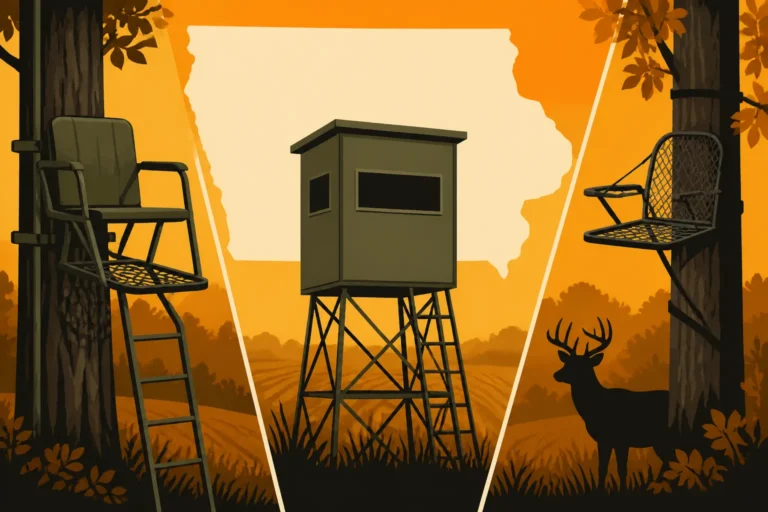
| Stand Type | Typical Weight Range (lbs) | Ideal Iowa Scenario for Long Walks | Pros | Cons |
|---|---|---|---|---|
| Ultralight Hang-on | 10-15 | Remote public land, mobile hunting, deep timber | Very portable, quiet, versatile | Smaller platform, less comfort, higher cost |
| Mid-weight Hang-on | 16-20 | Moderate walks, private land, all-day sits | Good balance of comfort & portability | Still noticeable weight on long hauls |
| Saddle Hunting Setup | Saddle: 2-5, Sticks: 6-10 | Any mobile scenario, tight cover, pressure | Ultimate mobility, minimalist, lightweight | Learning curve, not for everyone, less standing room |
| Climbing Stand | 18-25 | Areas with suitable trees, consistent setups | Relatively portable, comfortable, self-contained | Limited to straight, limbless trees, can be noisy |
Disclaimer
This article is for general informational purposes only and does not constitute professional advice. Laws, prices and regulations vary by location and change over time. Consult a qualified professional for guidance on your specific situation.