Rain Gear for Early Iowa Bow Season
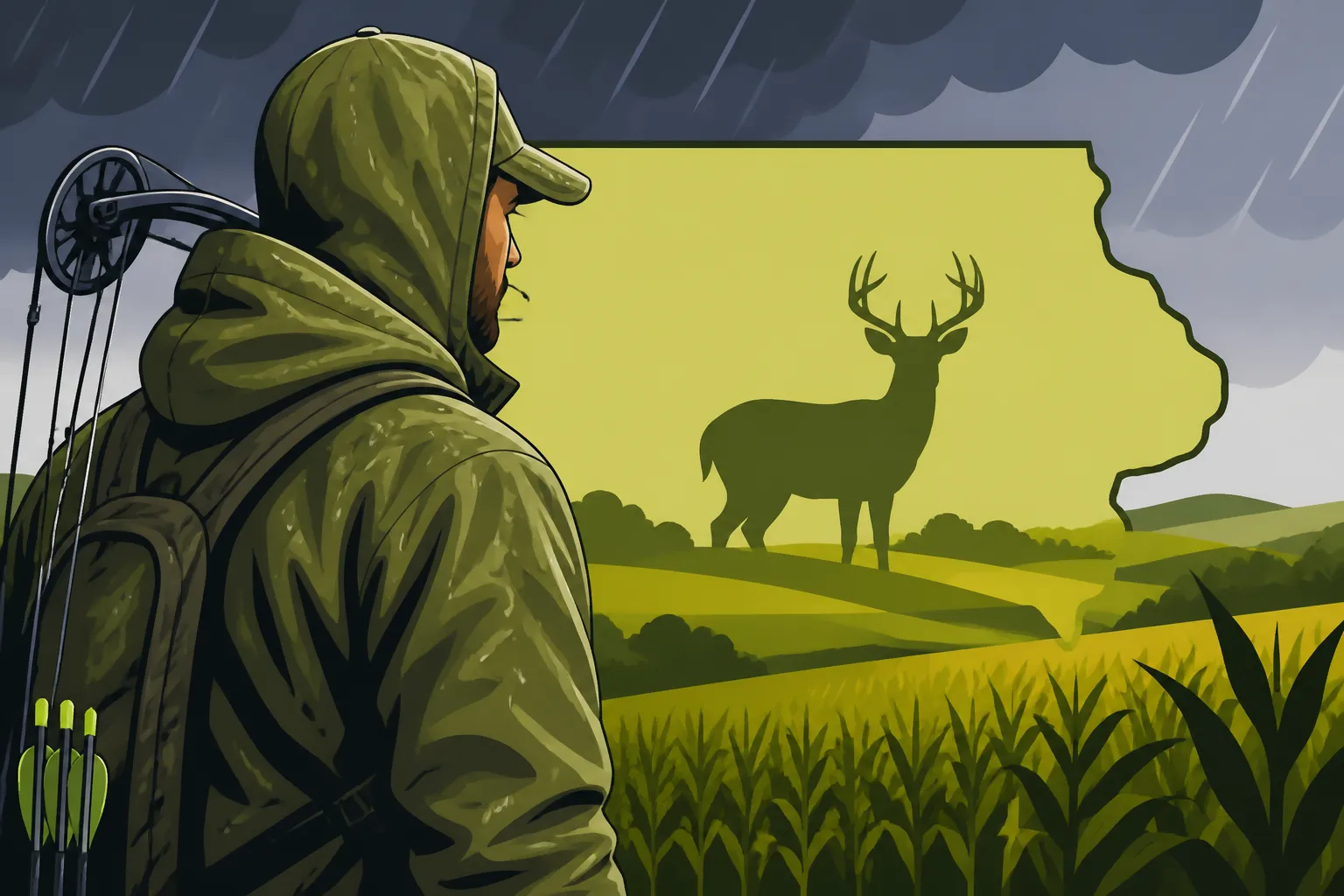
Early Iowa bow season holds the promise of crisp mornings and deer moving naturally, but anyone who's spent a few hours in a stand during September or early October knows that Mother Nature can change her mind on a dime. One minute it's a beautiful, calm day, and the next you're drenched to the bone by a sudden downpour, wondering why you ever thought this was a good idea. Getting soaked isn't just uncomfortable; it can ruin a hunt by chilling you, making you noisy, and even compromising a blood trail. This guide will walk you through everything you need to know about selecting, using, and maintaining rain gear so you can stay dry, stay quiet, and stay in the hunt when those unpredictable Iowa showers start to fall.
Why Early Season Rain is a Hunter's Double-Edged Sword
Rain in the early season presents a unique set of challenges and, surprisingly, some incredible opportunities for bowhunters. It's not just about staying dry; it's about understanding how the weather impacts everything from deer movement to your own effectiveness in the woods.
The Misery of Being Soaked and Its Impact
Let's be honest: nobody likes being cold and wet, especially when you're trying to sit motionless for hours. Early season temperatures might be mild, but a steady rain, even in the 50s or 60s, will rapidly strip your body heat, leading to discomfort and shivering. When you're shivering, your focus shifts from scanning the timber for movement to simply enduring the cold. This loss of concentration can lead to missed opportunities, whether it's not seeing that buck slip by or making a hasty movement at the wrong time. Beyond the physical discomfort, wet clothing also becomes heavier and clings to you, restricting movement and making it harder to draw your bow smoothly or adjust your position quietly. A saturated pair of gloves, for example, can make handling your release or bow a fumbling nightmare. The mental game is huge in bowhunting, and being miserable due to wet clothes is a surefire way to lose it.
Scent Control and Rain: A Complex Relationship
Rainfall does a fantastic job of washing away ambient odors, which might seem like a win for scent control. A strong downpour can pin human scent closer to the ground, reducing its spread. However, it's not a magic bullet. As the rain lessens or stops, rising humidity can actually carry your scent further as air currents begin to lift again. Moreover, wet clothing, particularly fabrics that aren't properly treated or cleaned, can actually harbor and even amplify certain human odors as they dry out. Think about that wet dog smell – it's your scent, but intensified. The real challenge comes when you're walking in through wet grass or brush; your wet outer layers will pick up and transfer scent from every leaf and stem you brush against, creating a distinct "human trail" that deer can easily follow back to your stand. Effective rain gear, therefore, isn't just about keeping water out; it's about minimizing the transfer of environmental odors to your core layers and ensuring your outer shell itself doesn't become a scent sponge. For optimal performance, you need to think about how your entire system contributes to scent control, even in the rain.
Opportunity Knocks: Hunting in Bad Weather
While rain presents challenges, it also creates prime hunting conditions that many fair-weather hunters miss. Deer often move surprisingly well during light to moderate rain, especially during daylight hours. The rain provides cover, dampening sounds and washing away scent trails, making deer feel more secure in their movements. Bucks, in particular, might take advantage of the reduced human activity to move between bedding and feeding areas. The sound of rain on leaves can also mask your own movements in a treestand, allowing you to subtly shift position or draw your bow with less chance of being heard. After a heavy rain, when the woods are still damp and quiet, deer often get up and move, sometimes with renewed vigor as temperatures drop slightly. This "post-rain" period can be incredibly productive. Planning your hunt, perhaps with tools like GoHunt, often involves looking at terrain features that might offer a little natural shelter during a shower, or figuring out access routes that avoid overly thick, scent-grabbing vegetation. The key is to be prepared and embrace the conditions, not shy away from them. Hunting Pressure After Opening Weekend often shifts, and those who are willing to brave the less-than-ideal weather often find themselves in untouched pockets of deer activity.
Key Features of Effective Rain Gear for Bowhunters
Choosing the right rain gear for early Iowa bow season isn't just about grabbing the cheapest poncho. Bowhunters have very specific needs that go beyond simply keeping dry. Your gear needs to perform under pressure, remain quiet, and allow for unrestricted movement.
Waterproofness Ratings and Materials: Understanding the Shield
When you're looking at rain gear, you'll often see terms like "waterproof" and "water-resistant," sometimes accompanied by numbers. These aren't just marketing jargon; they indicate how well the fabric will keep water out.
- Water-Resistant: This typically means the fabric has a DWR (Durable Water Repellent) coating that causes water to bead up and roll off. It's great for light mist or brief showers, but prolonged exposure or heavy rain will eventually soak through. These materials often breathe better but don't offer true waterproof protection.
- Waterproof: True waterproof fabrics have a membrane or coating that prevents water from penetrating, even under pressure. This is what you need for serious rain. The numbers you see, often expressed in millimeters (e.g., 10,000mm, 20,000mm), refer to the hydrostatic head rating. This measures the amount of water pressure the fabric can withstand before water begins to seep through. For bowhunting in Iowa, especially in early season where unexpected downpours are common, aiming for at least 10,000mm is a good baseline, with 15,000mm or 20,000mm offering superior protection for those all-day drizzles or heavy thunderstorms. Beyond the fabric itself, look for taped seams. Even the most waterproof fabric is useless if water can seep through the stitching. Fully taped seams are crucial for keeping you completely dry. Brands like Sitka Gear and First Lite offer excellent options that meet these high standards, using advanced materials designed for rugged outdoor use.
Breathability: The Unsung Hero of Comfort
While waterproofness keeps water out, breathability allows moisture vapor (sweat) to escape from within. This is where many cheaper rain suits fail. You might stay dry from the outside, but you end up soaked from the inside due to condensation and sweat buildup. For an active bowhunter, especially when walking into a stand or dealing with fluctuating early season temperatures, breathability is paramount. If you're busting through a cornfield to get to your stand, or climbing a tree, you're going to sweat. If that sweat can't escape, it condenses against your skin, making you cold and clammy even inside your supposedly waterproof gear.
Breathability is often measured in MVTR (Moisture Vapor Transmission Rate), expressed in grams per square meter per 24 hours (g/m²/24hr). A higher number means more breathable. For active hunting, aim for an MVTR of at least 10,000 g/m²/24hr. Some high-end gear goes well above 20,000, which is fantastic. Look for features like pit zips, chest vents, and full-length leg zippers that allow you to dump heat quickly when you're moving and then seal up when you settle into your stand. Proper layering underneath your breathable rain gear is also key to managing moisture and temperature.
Quietness for Bowhunting: Silence is Golden
This is perhaps the most critical feature for bowhunters that often gets overlooked. Many waterproof fabrics are notoriously loud, making crinkling or swishing noises with every movement. Imagine a trophy buck slipping through the timber at twenty yards, and you can't even subtly shift your weight or turn your head without sounding like a chip bag. That's a deal-breaker.
High-quality rain gear designed for hunting will use face fabrics that are quiet, even when wet. These are often soft-shell laminates or brushed fabrics with a waterproof membrane underneath. Test the gear in the store or at home: put it on and walk around, stretch, draw an imaginary bow, and twist your torso. Listen for any noise. Consider how it will sound when cold, as some materials become stiffer and louder in cooler temperatures. Remember that early Iowa bow season can bring both warm and cool rain, so versatility in noise performance is a huge plus. Don't compromise on quietness; a silent approach and draw are essential to success with a bow.
Fit and Mobility: Unrestricted Movement is Key
Your rain gear needs to fit over your regular hunting layers without being baggy or restrictive. A poor fit can hinder your ability to draw your bow smoothly, climb into a stand, or even just turn to track a deer. Look for articulated knees and elbows, gusseted crotches, and adjustable cuffs and waists. These features allow for a full range of motion, which is absolutely vital when you're perched in a treestand trying to remain agile. The length of the jacket is also important; it should be long enough to overlap with your pants, especially when sitting, to prevent water from seeping in, but not so long that it bunches up uncomfortably. Pants should allow you to kneel, squat, and climb without pulling or binding. Many serious bowhunters prefer a slightly athletic cut that minimizes excess fabric, reducing noise and snagging. When trying on rain gear, wear the layers you expect to hunt in to ensure a realistic fit. Cold Weather Stand Clothing is typically bulkier, so your rain gear needs to accommodate it, even if you're primarily thinking about the early season.
Packability and Weight: Every Ounce Counts
For early season bowhunting, you often start the day dry, so your rain gear needs to be easy to pack into your backpack until it's needed. Bulky, heavy rain gear can be a burden on long walks to your stand, especially if you're deep in Public Land Deer Hunting in Iowa. Look for lightweight materials that compress down easily. Many modern rain suits are designed to pack into their own pockets, creating a small, manageable bundle.
Consider the weight-to-protection ratio. While heavier gear might be more durable, the compromise in weight and bulk might not be worth it for early season. A good balance allows you to carry it effortlessly, so you're never tempted to leave it behind because it's "too much trouble." The peace of mind knowing you have reliable rain protection stowed away is worth the investment in lightweight, packable gear. When planning those long hikes across Iowa Walk-In Ground Without Burning It Out, lightweight gear makes a significant difference in your energy levels and comfort.
Types of Rain Gear Systems for Iowa Bowhunters
The market offers a range of rain gear systems, each with its own advantages and ideal uses. Understanding these types will help you choose the best option for the specific conditions you anticipate in early Iowa bow season.
Lightweight Shells: The "Just In Case" Option
Lightweight rain shells are designed for maximum packability and minimal weight. They typically consist of a jacket and pants made from thin, waterproof-breathable fabrics that can be compressed into a very small pouch or even their own pockets.
- Pros: Extremely light, highly packable, excellent for situations where rain is possible but not guaranteed, and you want to be prepared without carrying unnecessary bulk. They are great for those unpredictable pop-up showers that can materialize out of nowhere on a warm October afternoon. They also layer well over lighter early-season clothing.
- Cons: Often less durable than heavier systems, may lack some features like extensive pockets or reinforced stress points. They can sometimes be less quiet than thicker options, depending on the material. They also might not provide enough warmth for colder, late-season rains.
- Best Use: Perfect for early archery season (September-October) in Iowa when temperatures are mild, and you primarily need protection from unexpected, moderate rainfall. If you're doing a lot of hiking in and out, or Mobile Saddle Hunting in Iowa, a lightweight shell is your friend.
- Example Scenario: You're sitting in your stand on an early October morning, the forecast was clear, but suddenly a small storm cell rolls in. You quickly pull out your lightweight rain jacket and pants, throw them over your base layers, and stay dry as the shower passes in twenty minutes. Without them, you'd be wet and miserable.
Mid-Weight Systems: The Versatile Workhorse
Mid-weight rain gear strikes a balance between protection, durability, and packability. These systems typically feature more robust fabrics, often with a slightly softer face to enhance quietness. They also tend to include more features like multiple pockets, adjustable hoods, and reinforced areas.
- Pros: Offer excellent all-around waterproof and breathable performance, good durability, and often superior quietness compared to lightweight shells. They are versatile enough for a wider range of early to mid-season conditions and can accommodate more substantial layering underneath.
- Cons: Slightly heavier and less packable than lightweight options, though still manageable. They might be overkill for very hot, humid conditions where only a brief sprinkle is expected.
- Best Use: Ideal for bowhunters who want a reliable, versatile system for most early and mid-season Iowa hunts. If you expect sustained periods of rain or need something that can handle a bit more abuse from brush, this is a strong choice. It’s also a good choice if you hunt areas with dense cover, like Cedar and Locust Thickets as Bedding Cover, where your gear might rub against branches.
- Example Scenario: The forecast calls for scattered showers and cooler temperatures throughout the day. You head out with your mid-weight rain gear already on or easily accessible. You stay comfortable and dry through several light rains and can easily adjust venting as the temperature fluctuates.
Heavy-Duty Outerwear: For the Toughest Conditions
Heavy-duty rain gear is built for extreme weather and rugged durability. These systems use the thickest, most durable waterproof-breathable fabrics, often with heavy-duty zippers, multiple layers of fabric in high-wear areas, and specialized features for extreme conditions.
- Pros: Unmatched durability, maximum protection from the heaviest, most prolonged rainfall, and often excellent warmth retention (though warmth is primarily from layering beneath). They are designed to withstand years of abuse.
- Cons: Significantly heavier and bulkier, making them less packable. They can be warmer than necessary for early season hunts and may be louder due to the thicker fabric, although high-end hunting-specific heavy-duty gear works hard to mitigate noise.
- Best Use: While often overkill for early Iowa bow season, these are indispensable for late-season firearm hunts or extended backcountry trips in truly nasty weather. For bowhunting, they might be considered if you plan on hunting into late November's archery season, when cold, driving rains are more common, or for hunting in areas where you'll be crawling through thick brush.
- Example Scenario: A late-October cold front brings freezing rain and heavy winds. You're trying to stick it out for a mature buck, and your heavy-duty rain gear is the only thing keeping you from heading back to the truck. This is more in line with Late Muzzleloader Deer Hunting in Iowa or Iowa January Antlerless Hunts than early bow season, but it's good to understand the range.
Headwear and Footwear Considerations
No rain gear system is complete without addressing your head and feet. A waterproof jacket with a good hood is essential. Look for hoods that are adjustable, allowing you to cinch them down to keep rain out of your face without obstructing your peripheral vision or hearing. Many hunting-specific hoods are designed to fit over a cap or beanie.
For your feet, waterproof boots are an absolute must. Walking through wet grass or across a damp creek bottom can quickly lead to soaked socks and cold feet, ruining your hunt. Rubber boots are a popular choice for their complete waterproofness and scent-blocking properties. Ensure your boots are tall enough to prevent water from splashing over the top. Pair them with moisture-wicking socks to keep your feet dry from sweat, even if your boots are waterproof. Consider carrying a spare pair of dry socks in your pack for after the rain passes. Boots for Wet Iowa Timber are a critical part of your early season arsenal.
Here's a quick comparison of popular rain gear types:
| Feature | Lightweight Shells | Mid-Weight Systems | Heavy-Duty Outerwear |
|---|---|---|---|
| Packability | Excellent (packs into small space) | Good (some bulk, still manageable) | Poor (bulky, heavy) |
| Weight | Very Low | Moderate | High |
| Durability | Good, but less resistant to abrasion | Very Good, more robust fabrics | Excellent, built for extreme conditions |
| Quietness | Varies (can be crinkly, but some are soft) | Good (often softer face fabrics) | Good (but bulk can create noise) |
| Waterproofness | Good (sufficient for light-moderate rain) | Excellent (for sustained/heavy rain) | Exceptional (for extreme weather) |
| Breathability | Good (can have good venting options) | Very Good (good balance of breath/protect) | Good (often sacrifice some breath for dur) |
| Ideal Use | Early season, emergency rain, mobile hunting | Most early-mid season hunting, versatility | Late season, extreme cold/wet, heavy brush |
Maintaining Your Rain Gear for Longevity and Performance
Investing in quality rain gear is only half the battle; proper care and maintenance are crucial to ensuring it performs season after season. Neglecting your rain gear can lead to diminished waterproofness, unpleasant odors, and a shortened lifespan.
Cleaning and Re-Waterproofing: Keeping the Shield Strong
Even the best rain gear will eventually lose some of its effectiveness if not cared for properly. Dirt, body oils, bug spray, and even general grime can clog the pores of waterproof-breathable membranes and compromise the DWR (Durable Water Repellent) coating on the outer fabric.
- Cleaning: Don't just toss your hunting rain gear in with your regular laundry. Harsh detergents can strip the DWR and damage the membrane. Instead, use technical wash products specifically designed for waterproof fabrics. Follow the garment's care instructions, typically washing in cold water on a gentle cycle. After washing, a tumble dry on low heat can often reactivate the DWR coating.
- Re-Waterproofing: Over time, the DWR coating will wear off, causing water to "wet out" on the fabric surface instead of beading up. When this happens, even if the internal membrane is still waterproof, the fabric will feel cold and clammy, and the garment's breathability will be significantly reduced. You'll notice this when the rain gear starts to absorb water instead of repelling it. To restore the DWR, apply a spray-on or wash-in re-waterproofing product. Brands like Nikwax and Granger's offer excellent options. Make sure your gear is clean before applying these treatments for the best results. Regular cleaning and re-treatment will keep your rain gear performing like new. Scent Control Products and What They Do also apply to rain gear, as you want to minimize any foreign odors.
Proper Storage: Preventing Damage and Odors
How you store your rain gear between hunts and seasons makes a huge difference.
- Dry Completely: Never store rain gear while it's still damp. Even slightly moist, it can quickly develop mildew and a foul odor that's incredibly difficult to remove, and potentially damage the waterproof membrane. Hang it in a well-ventilated area until it is bone dry.
- Avoid Compression: While packability is great for the field, avoid storing your rain gear tightly compressed for long periods. This can put stress on the waterproof membrane and potentially create permanent creases that compromise its integrity. Hang jackets and pants in a closet or lay them flat in a tote, allowing the fabric to relax.
- Away from Heat and Chemicals: Store your gear in a cool, dry place away from direct sunlight, extreme heat, or harsh chemicals. UV light can degrade fabrics and membranes over time, and chemicals can damage DWR coatings. If you're using things like ozone scent eliminators, be cautious about prolonged exposure, as some manufacturers warn it can affect certain technical fabrics.
Field Repairs: Quick Fixes When it Matters Most
Accidents happen. A snag on a thorn bush or a brush with a sharp treestand edge can put a hole in your expensive rain gear. Being able to perform a quick field repair can save a hunt.
- Repair Kits: Carry a small repair kit with you. This should include some waterproof adhesive patches (Tenacious Tape is a popular choice), which can quickly seal a small tear or puncture. Some kits might include needle and thread for more substantial, but still temporary, repairs.
- Temporary Solutions: For very small holes, even a dab of super glue (applied carefully and thinly) can offer a temporary seal until you can get home for a more permanent repair. The key is to stop water ingress immediately.
- Post-Hunt Repairs: Once you're home, assess the damage. For larger tears, you might need a dedicated fabric repair kit or even a professional repair service. Some high-end gear manufacturers offer repair services, so check your warranty or their customer service options. Proactive field repairs prevent small tears from becoming large, irreparable holes.
By taking care of your rain gear, you're protecting your investment and ensuring that you'll be prepared for whatever the unpredictable early Iowa bow season weather throws your way. Being properly equipped allows you to stay comfortable and focused, increasing your chances of success and making your time in the Iowa outdoors truly enjoyable, rain or shine.
Disclaimer
This article is for general informational purposes only and does not constitute professional advice. Laws, prices and regulations vary by location and change over time. Consult a qualified professional for guidance on your specific situation.