Bone Saws Versus the Gutless Method
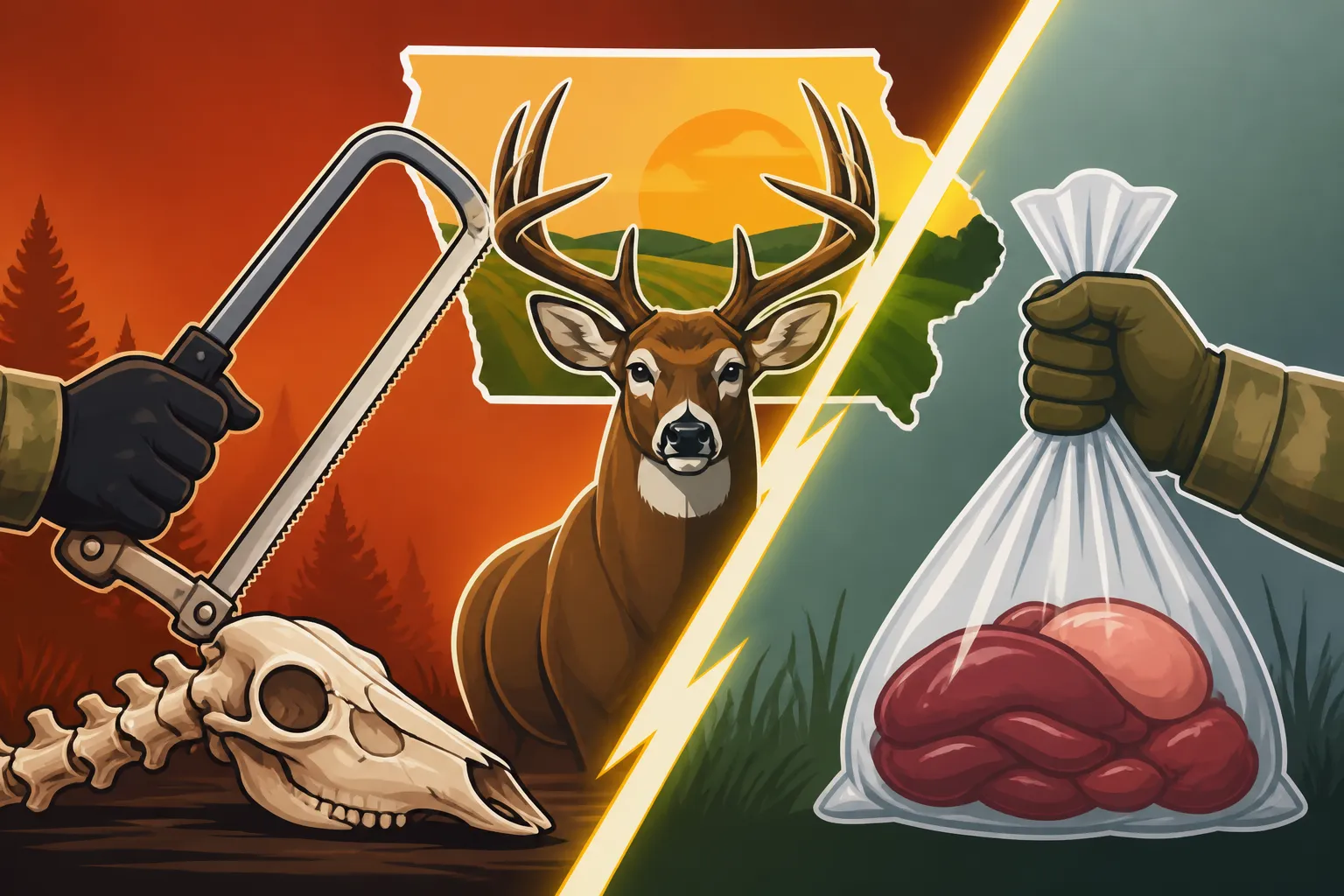
One of the biggest hurdles after a successful deer hunt in Iowa isn't always the shot itself, but figuring out how to efficiently and cleanly get that venison from the field to the freezer, especially when you're hunting solo or far from the truck. Dealing with a downed deer can be daunting, and choosing between traditional field dressing with a bone saw and the increasingly popular gutless method can make all the difference in your experience and the quality of your meat. This guide is here to walk you through both approaches, highlighting their pros and cons so you can decide which strategy best fits your hunting style and the conditions you face in the Iowa timber and fields.
The Traditional Bone Saw Approach for Field Dressing
For generations, the standard procedure after a deer hit the ground was to gut it in the field, then haul it out whole. For many, that meant carefully splitting the pelvis and sternum to access the body cavity and ensure a thorough cleaning. A bone saw has long been a key tool in this process, helping hunters make quick work of tough bone.
When a Bone Saw Shines and When It Doesn't
A good bone saw can be a real game-changer in specific situations. If you're fortunate enough to drop a deer close to your truck or ATV, and you plan on taking the animal directly to a locker plant or processing it whole at home, a bone saw can be incredibly efficient. It allows you to open the chest cavity wide, making it easier to remove all the organs cleanly and quickly, which is critical for cooling the carcass, especially if the weather isn't freezing. Splitting the pelvis, while messy, also ensures you get everything out and can even help with draining if the deer needs to hang for a bit.
However, the bone saw approach comes with its own set of challenges, particularly in the context of Iowa hunting. Many of us are walking into public ground, sometimes a good distance from any vehicle access. Hauling a whole deer, even a gutted one, can be an exhausting endeavor, especially through CRP fields, creek bottoms, or dense timber. A saw adds weight to your pack, and frankly, the process can be incredibly messy. Blood and gut contents can end up everywhere, making cleanup a chore and potentially contaminating the meat if not handled meticulously. It's also a more involved process in the field, which isn't always ideal when you're racing against warm temperatures or fading daylight. If you're hunting in areas where regulations on carcass disposal are strict, packing out those internal organs can be a problem if you can't leave them on site.
Essential Tips for Using a Bone Saw Safely and Effectively
If you decide the bone saw method is for you, here are some pointers to make it a smoother process. First, invest in a quality saw designed for game. There are many options out there, from compact folding saws to larger fixed-blade models. Look for one with sharp, aggressive teeth that can cut through bone quickly without binding, and a handle that offers a secure grip, even when wet or bloody. Knives and Sharpeners for Field Work is a great resource for selecting other crucial tools for game processing.
When using the saw, always prioritize safety. Wear gloves to maintain hygiene and improve grip, and be mindful of your hands and fingers. The sternum can be cut by finding the soft cartilage between the ribs and sawing carefully down the middle. For the pelvis, locate the joint where the two halves meet and saw through it. If you're having trouble, sometimes a slight rotation of the deer can expose the joint better. Work slowly and deliberately.
After the field dressing is complete, cleaning your saw immediately is crucial. Hot soapy water and a stiff brush will remove blood and tissue, and then ensure it's thoroughly dried to prevent rust. Carrying a small spray bottle with a mild disinfectant solution can also help with immediate cleanup in the field, followed by a more thorough cleaning back at camp or home. Proper hygiene, no matter the method, is paramount to ensuring the quality of your venison.
Embracing the Gutless Method for Field Processing
The "gutless method" has revolutionized field processing for many hunters, especially those in more remote areas or anyone looking to reduce the mess and strain of traditional field dressing. It focuses on removing only the prime cuts of meat from the carcass, leaving the internal organs untouched and the bones behind.
Why the Gutless Method is Gaining Popularity in Iowa
For Iowa hunters, the gutless method offers some serious advantages. Imagine you've arrowed a big buck in a deep river bottom after a long hike in. The last thing you want is to drag a hundred-plus-pound deer for a mile through brush and mud, especially when the mercury is climbing in early October. This is where the gutless method shines. By removing the deer's four quarters, backstraps, and tenderloins, you immediately reduce the weight you need to pack out by a significant margin. This method is truly a lifesaver for long pack-outs, turning a daunting task into a manageable series of trips with lighter loads. Many hunters specifically look for Deer Carts Worth Buying if they plan to haul a whole deer, but even then, quartering can lighten the load.
Another huge benefit, particularly in Iowa's varying weather, is managing meat temperature. Field Dressing in Warm October Weather is a very real concern. By skinning and quartering the animal quickly, you expose the meat to air, allowing it to cool down much faster than a whole, intact carcass. This is critical for preventing spoilage, which is a constant worry when temperatures are above freezing.
The method is also much cleaner. You avoid opening the body cavity, which means no contact with gut contents. This reduces the risk of contaminating your meat with bacteria and makes the entire process less messy. For public land hunters, where leaving a gut pile might be a concern or simply not allowed in certain areas, the gutless method simplifies things immensely, as you're leaving a relatively clean carcass behind. It respects the environment and minimizes your impact, something many of us care deeply about. While there's a learning curve to making the cuts efficiently, once you master it, it's incredibly fast.
A Step-by-Step Overview of the Gutless Technique
The gutless method essentially involves working from the outside in, removing all the desirable meat without ever breaking into the body cavity. Here's a basic rundown, but I highly recommend watching videos or practicing on smaller game if you're new to it.
- Position the Deer: Lay the deer on one side. If possible, prop it up slightly with logs or rocks to keep it stable and elevate it off the ground.
- Make the Initial Cuts: Start by making a cut along the backbone from the neck to the pelvis. Then, make a circular cut around the leg joints (hindquarters and front quarters), and another cut along the deer's belly, connecting the leg cuts.
- Skinning the First Side: Carefully begin to skin the deer from your initial cuts down to the ground. Use your knife to separate the hide from the muscle, working slowly to keep the meat clean. You can use the hide to keep the meat off the dirt.
- Removing the Quarters:
- Hindquarters: With the hide peeled back, locate the ball-and-socket joint where the hind leg meets the pelvis. Work your knife around this joint, severing the ligaments and muscles until the entire leg comes free. This can take some force.
- Front Quarters: The front quarters are not attached by a joint but by muscle and connective tissue. Simply cut the large muscle mass where the shoulder blade meets the rib cage, and the entire front leg will detach.
- Taking the Backstraps: Once the quarters are removed, the backstraps will be clearly visible along the spine. Make an incision along the top of the spine, then run your knife underneath the backstrap, carefully separating it from the ribs and vertebrae. Repeat for the other side.
- Flipping and Repeating: Now, flip the deer onto its skinned side. This exposes the unskinned side. Repeat the entire process: skin, remove hindquarter, remove front quarter, and take the remaining backstrap.
- Accessing the Tenderloins: This is the only part that comes close to entering the body cavity, but it can be done cleanly. After removing the backstraps and quarters, you can usually reach under the spine from the exterior to retrieve the tenderloins, which lie on the inside of the body cavity along the backbone. You'll feel them with your hand, then use your knife to carefully cut them free.
- Bagging the Meat: As soon as each cut of meat is free, place it into clean game bags. These bags protect the meat from dirt, insects, and debris while allowing air circulation for cooling. Game Bags for Warm Iowa Openers are essential here.
Comparing the Two: Which Method is Right for Your Iowa Hunt?
Deciding between a bone saw and the gutless method often comes down to a few key factors: the conditions of your hunt, the location, and what you’re most comfortable with.
Factors to Consider: Weather, Location, and Personal Preference
Weather: This is probably the biggest factor in Iowa. If you're lucky enough to tag a deer on a crisp November morning during the shotgun season with temperatures hovering around freezing, then traditional field dressing and a quick haul out might work perfectly. The cold helps preserve the meat as you drag it back to the truck. However, if it's early October, and you've got a warm front pushing sixty degrees, getting the hide off and breaking the animal down quickly using the gutless method is almost a necessity to prevent spoilage. Getting a Deer Cooled in October is a critical skill for any Iowa hunter, and the gutless method significantly aids in this.
Location: Are you hunting private land right next to a county road, or are you deep in a remote corner of a public wildlife management area? If you're on public land with a long walk back, like many of us are when exploring Hunting Iowa Walk-In Ground Without Burning It Out or dealing with Iowa Public Land Hunting Pressure, the thought of dragging a whole deer quickly loses its appeal. The gutless method allows you to pack out the meat in manageable loads, making multiple trips if necessary. This minimizes your impact and effort, leaving the heavy bones behind. For those close to an access point, a quick gut and haul might be feasible.
Personal Preference & Skill: Some hunters are simply more comfortable with the traditional gutting process they've done for years. There's a certain satisfaction in a clean, traditional field dress. Others might be squeamish about dealing with internal organs and prefer the cleaner gutless approach. While the gutless method has a slight learning curve, it's easily mastered with a little practice and confidence. Many hunters find it less physically demanding overall, especially when dealing with larger animals.
Tools and Preparation: What You'll Need for Each Method
Having the right gear is non-negotiable, no matter which method you choose.
For the Bone Saw Method:
- Good Quality Bone Saw: As discussed, sturdy and sharp.
- Sharp Field Dressing Knife: For opening the cavity and detaching organs.
- Gloves: Latex or nitrile gloves for hygiene.
- Drag Rope or Harness: Essential for hauling out a whole animal. Dragging Versus Cart Hauling delves into this.
- Paper Towels/Rags: For quick cleanups.
- Water Bottle: For rinsing hands and knife.
For the Gutless Method:
- Sharp, Reliable Knife: A replaceable blade knife (like those offered by GoHunt's gear partners) or a fixed-blade knife that holds an edge well is absolutely crucial. You'll be making a lot of cuts.
- Small Boning or Caping Knife: Useful for more intricate cuts around joints and for peeling meat cleanly.
- Gloves: Definitely. You'll be skinning and handling a lot of meat.
- Game Bags: Absolutely essential. Breathable, clean game bags will protect your meat during the pack out.
- Pack Frame or Large Backpack: For carrying out the quarters.
- Headlamp: If there's any chance you'll be working after dark.
- Water Bottle: For staying hydrated and rinsing your hands.
Regardless of your chosen method, always double-check your gear before heading out. A dull knife or forgotten game bags can turn a successful hunt into a frustrating ordeal. Companies like GoHunt offer digital mapping tools that can help you plan your access routes, identify potential challenges, and even mark out the quickest exit paths for hauling out your game, which can influence your method choice.
| Feature | Bone Saw (Traditional Gutting) | Gutless Method (Quartering in Field) |
|---|---|---|
| Primary Goal | Remove internal organs for cooling/transport whole | Remove prime meat cuts, leave organs/bones behind |
| Weight to Pack | Entire carcass (minus entrails), heavy | Just the meat, much lighter |
| Mess Factor | High (contact with internal organs, blood) | Low (no contact with internal organs) |
| Cooling Time | Moderate (body cavity open, but whole carcass retains heat) | Fast (meat exposed to air, broken down) |
| Tools Needed | Field dressing knife, bone saw, drag rope/cart | Sharp knives, game bags, backpack/pack frame |
| Ideal Conditions | Cold weather, short haul, immediate processing | Warm weather, long haul, remote locations |
| Skill Level | Basic | Moderate (requires practice for efficient cuts) |
| Public Land Friendly | Less so (gut pile considerations, heavy hauling) | More so (minimal impact, lighter pack out) |
Practical Scenarios and Hybrid Approaches
It’s easy to think of these as two mutually exclusive methods, but the truth is, many experienced Iowa hunters find ways to combine elements of both, or adapt their approach based on the specifics of each hunt.
Combining the Best of Both Worlds
Sometimes, a hybrid approach makes the most sense. For instance, you might use the gutless method to quickly remove the four quarters and backstraps from a deer shot deep in a steep creek bottom. This gets the bulk of the meat off the animal and cooling, allowing for an easier pack out. Once you get these initial cuts back to camp or home, you might then choose to use a bone saw for the remaining parts if you want to retrieve the ribs or process the neck meat more efficiently. Quartering a Deer in the Field is often the first step in this hybrid approach, making the initial pack out much easier.
Another scenario might be traditional field dressing for a very short drag on a cold day, just to get the gut pile away from your immediate area. But then, rather than hanging the entire animal, you proceed to quarter it back at your vehicle before transport to a locker plant or for processing yourself. This saves space and makes handling easier. The point is to be flexible and equip yourself with the knowledge and tools to adapt to whatever situation the Iowa hunting season throws at you.
Hygiene and Meat Care No Matter Your Choice
Regardless of whether you choose the bone saw or gutless method, your number one priority should always be meat hygiene and rapid cooling. The quality of your venison depends on it.
- Cleanliness is Key: Always wear gloves. Keep your knives sharp and clean, wiping them frequently. Avoid dragging meat through dirt or mud.
- Cool It Down: As soon as possible after the kill, begin the cooling process. Removing the hide is the single most effective way to dissipate body heat. If temperatures are warm, prop the carcass open (if using the traditional method) or break it down into quarters (gutless method) immediately. Air circulation is your friend.
- Protect the Meat: Once meat is removed, it should immediately go into clean game bags. These breathable bags protect the meat from insects, dirt, and debris while still allowing it to cool.
- Timely Processing: Get your meat to a cooler with ice, or to a Locker Plants During Iowa Shotgun Season or your home processing setup, as soon as you can. For those who enjoy Processing Your Own Deer at Home, proper cooling and handling in the field make the home processing much easier and the final product much tastier.
Tools like those you might find on GoHunt for mapping and finding local resources can even help you pinpoint locker plants or places to get ice, further aiding in your meat care strategy. Being prepared for the post-shot work is just as important as being prepared for the shot itself, ensuring that your successful hunt yields delicious, healthy protein for your family.
Disclaimer
This article is for general informational purposes only and does not constitute professional advice. Laws, prices and regulations vary by location and change over time. Consult a qualified professional for guidance on your specific situation.