Replaceable Blade Knives for Field Work
There’s nothing quite like the feeling of dropping a beautiful Iowa whitetail, whether it's a hefty buck or a plump doe for the freezer. But that euphoria can quickly turn to frustration when you start the field dressing process only to find your trusty knife is duller than a butter knife, forcing you to hack and saw rather than make clean, efficient cuts. This guide is all about embracing the modern solution to this age-old problem: replaceable blade knives, and how they make field work in the Iowa outdoors so much smoother.
The Frustration of Dull Blades and the Promise of Instant Sharpness
Every hunter knows the struggle. You've hiked deep into a thick timber stand near a picked cornfield, perhaps even through a creek bottom, and finally connected with a deer. The adrenaline is still coursing, but then the real work begins. Field dressing is a critical step, both for hygiene and for cooling the meat quickly, especially if you're hunting during the warmer early archery season. A sharp knife is not just a luxury; it's a necessity for clean, efficient work and reducing the risk of accidental cuts from a slipping blade.
The Ever-Present Challenge of Maintaining an Edge in the Field
Traditional hunting knives, for all their rugged charm and heirloom quality, demand constant attention to their edge. Whether you're making the initial cuts to open up the animal, separating organs, or even just clearing hair, that edge dulls fast. Animal hair, hide, bone, and even the gritty dirt that invariably gets introduced into the process are all enemies of a razor-sharp blade. I remember one season trying to field dress a late-season doe in freezing temperatures, and my hands were so cold and stiff that trying to use a pocket sharpener was an exercise in futility and frustration. The time it takes, the awkward angles, the risk of slipping – it all adds up to a less-than-ideal experience when you're trying to get a deer out of a tricky spot like a brushy creek bottom.
This challenge is magnified when you're deep in the Iowa wilderness, perhaps miles from your truck on a public land tract. You don't always have the luxury of a workbench, good lighting, and warm hands to meticulously sharpen a blade. The thought of having to spend precious minutes grinding away on a stone or ceramic rod, potentially risking your fingers in cold, slippery conditions, can make you dread the field dressing process itself. When every minute counts, especially if you're working against sunset or trying to Get a Deer Cooled in October before the meat spoils, a dull blade is a significant handicap.
The Instant Sharpness Advantage of Replaceable Blades
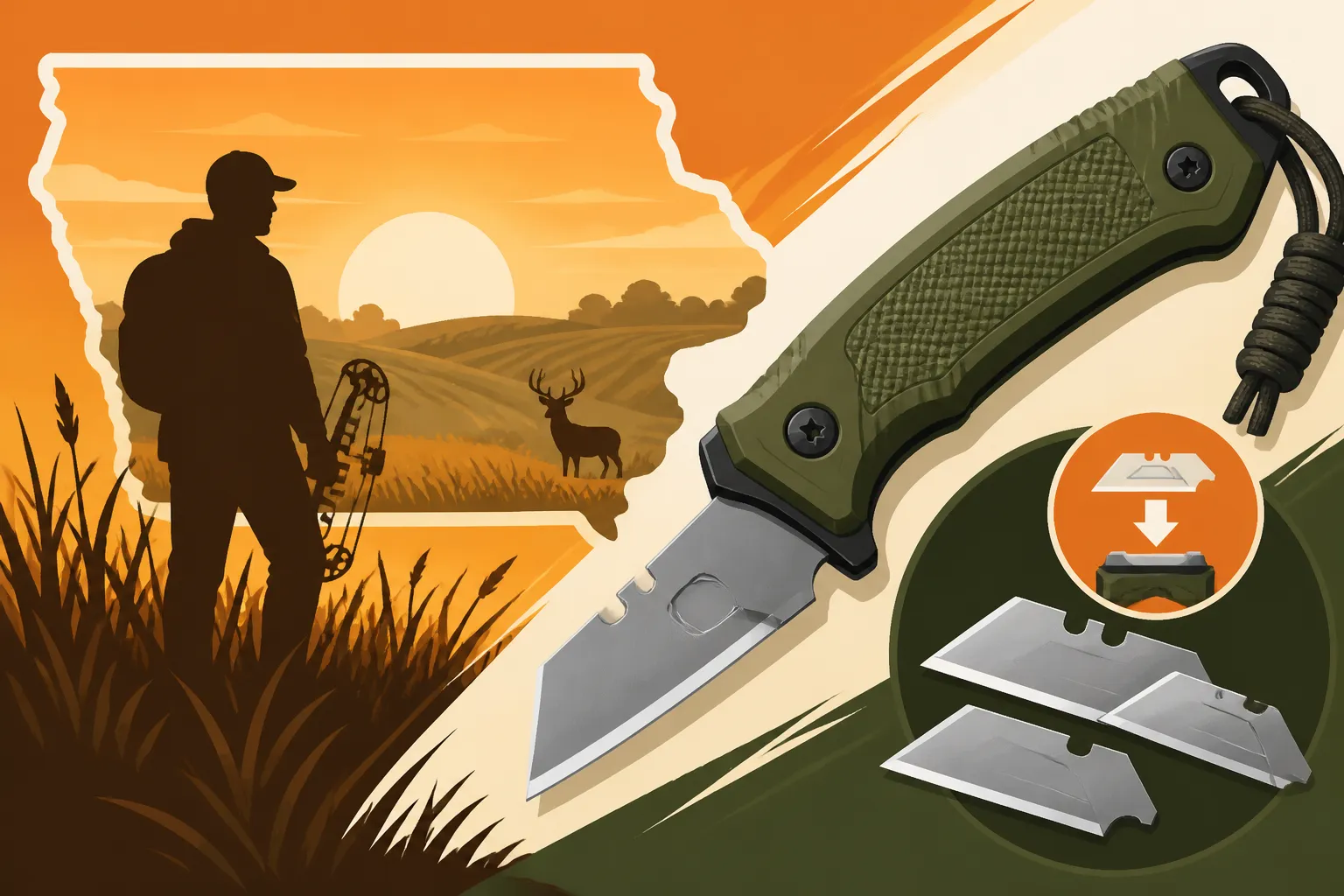
This is where replaceable blade knives truly shine as a game-changer for Iowa hunters. Imagine this: your blade starts to drag, it's not cutting as cleanly, and you feel that familiar resistance. Instead of fumbling for a sharpening tool, you simply press a button or flip a lever, remove the dull blade, and snap in a brand-new, surgically sharp one. It's an instant transformation, taking mere seconds, and you're back to making precise, effortless cuts. This immediate return to peak performance is not just a convenience; it's a huge boost to efficiency and safety in the field.
The sheer ease of always having a razor-sharp edge at your disposal drastically changes the field dressing experience. No more struggling with dull edges that tear tissue or require excessive force, which can lead to accidental slips and cuts. This instant sharpness is particularly beneficial when you're doing detailed work, like caping a trophy buck or precisely quartering a deer for the gutless method for removing meat, ensuring cleaner cuts and less waste. I've found that having a spare blade ready means I can focus on the task at hand rather than wrestling with my tools. Brands like GoHunt often highlight how their replaceable blade systems offer this kind of reliable, consistent sharpness, making the entire process far more enjoyable and less stressful.
Choosing the Right Replaceable Blade Knife System for Iowa Hunting
Not all replaceable blade knives are created equal, and understanding the different types and features can help you select the best tool for your Iowa hunting adventures. The choice often comes down to personal preference, the type of hunting you do, and the kind of field work you anticipate.
Fixed Blade vs. Folding Systems: Durability and Portability
When you're looking at replaceable blade knives, you'll generally encounter two main categories: fixed blade systems and folding systems. Each has its pros and cons, particularly concerning durability and portability in the rugged Iowa landscape.
Fixed blade replaceable knife systems often offer the utmost in strength and rigidity. The blade is held firmly in place, mimicking the feel and stability of a traditional fixed blade hunting knife. This design is fantastic for tasks that require a lot of force or precision, such as breaking down joints or working through tough hide. You don't have to worry about any play or wobble, which can be a concern with some folding designs. The trade-off is often size; fixed blade versions can be bulkier to carry, though many come with excellent sheaths that make them easy to attach to your pack or belt. For someone who prioritizes robustness and intends to do extensive field butchering, a fixed blade system might be the ideal choice, especially if you're Quartering a Deer in the Field to make the pack-out easier.
Folding replaceable blade knives, on the other hand, excel in portability and discreet carry. They fold down into a compact size, making them easy to slip into a pocket, a small pouch on your backpack, or a vest. This convenience is a huge advantage for mobile hunters who might be saddle hunting or covering a lot of ground on foot. While generally sturdy, it's important to choose a folding design with a strong lock-up mechanism to ensure safety and stability when the blade is deployed. Some hunters express concern about the perceived weakness of folding blades compared to fixed ones, but modern designs from reputable brands have largely mitigated these worries. For everyday field dressing and general utility, a well-made folding replaceable blade knife is an excellent companion.
Blade Material and Types: From Surgical Sharpness to Robust Utility
The heart of any replaceable blade system is, of course, the blade itself. Most replaceable blades are made from high-carbon stainless steel, often with a very thin profile, designed for extreme sharpness right out of the package. These blades are frequently compared to surgical scalpels for their incredible initial edge. This type of blade is perfect for making precise, clean cuts through hide and muscle without tearing. They are designed to be discarded once dull, rather than sharpened, making them incredibly practical for field use. The thinness of these blades also means they glide through tissue with minimal resistance, which is a huge advantage when you're focused on meticulous work.
Beyond the standard surgical-style blades, some systems offer different blade types within their replaceable framework. You might find blades with a slightly thicker profile for more robust utility tasks, or those designed with a gut-hook feature for quick opening cuts. Some hunters even carry a mix of different blade types for various stages of the field dressing or butchering process. For example, a thinner, sharper blade for initial opening and skinning, and a more robust blade for disjointing. It's worth exploring the range of available blades for your chosen knife system to see what options best suit your hunting style. For hunters who value versatility and specialized cutting ability, a system with a broad array of blade choices can be incredibly useful.
| Feature | Surgical-Style Replaceable Blades | Utility-Style Replaceable Blades | Traditional Fixed Blade Knife |
|---|---|---|---|
| Initial Sharpness | Extremely sharp, like a scalpel | Very sharp, robust edge | Varies by steel and sharpening; often needs honing |
| Edge Retention | Short to moderate, designed for replacement | Moderate to good, depending on steel | Good to excellent, depending on steel and heat treat |
| Maintenance | Replace when dull, no sharpening needed in field | Replace when dull, no sharpening needed in field | Requires regular sharpening and honing in the field or at home |
| Durability | Very thin, prone to snapping under heavy force or prying | Thicker, more resilient to minor prying | Very durable, designed for heavy use |
| Cost | Low cost per blade, but ongoing replacement cost | Low cost per blade, but ongoing replacement cost | Higher initial cost, minimal ongoing cost if maintained |
| Best Use Case | Precise skinning, caping, fine cuts, field dressing | Field dressing, general utility, tougher hides | All-around hunting, heavy butchering, survival |
Handle Ergonomics and Grip: Comfort and Control in All Conditions
The blade gets all the attention, but the handle of a replaceable blade knife is just as crucial, especially when your hands are cold, wet, or covered in blood. Good handle ergonomics mean the knife fits comfortably and securely in your hand, reducing fatigue and providing maximum control. Look for handles that are shaped to conform to your grip, with contours or finger grooves that prevent slipping. Material matters too: rubberized or textured grips offer excellent traction even when wet, which is invaluable when you're working on an animal in adverse conditions.
Consider the weather conditions you'll typically be hunting in Iowa. If you're often out during the late muzzleloader season, when temperatures can drop dramatically, you'll appreciate a handle that provides warmth or at least doesn't conduct cold as readily as bare metal. The handle should also be easy to clean, as blood and other fluids can dry and become difficult to remove if not addressed promptly. A well-designed handle not only enhances comfort but significantly improves safety, giving you the confidence to make precise cuts without fear of the knife slipping. Brands like GoHunt often put a lot of thought into their handle designs, understanding that a secure grip is paramount for hunters facing everything from damp, misty mornings to frosty December afternoons.
Practical Tips for Using Replaceable Blade Knives in the Field
Having the right tool is only half the battle; knowing how to use it effectively in real-world hunting scenarios is key. Replaceable blade knives offer a lot of advantages, but a few practical tips can help ensure a smooth and safe experience from start to finish.
Prepping Before the Hunt: Your Blade Kit is Your Lifeline
The beauty of replaceable blade knives is their simplicity, but that doesn't mean you can just grab one and go. Proper preparation before you even step foot in the Iowa timber or CRP field is crucial. First and foremost, always ensure you have a sufficient supply of fresh, sharp blades. How many is enough? That depends on your game and how much field dressing you anticipate. For a deer, I typically bring at least three to four extra blades, sometimes more if I'm planning on Quartering a Deer in the Field to lighten the load for a long pack out. These blades should be stored in a secure, waterproof container to prevent rust and accidental cuts.
Next, familiarize yourself with the blade changing mechanism. Practice it at home with clean hands, perhaps even with gloves on, so that when you're in the field with cold, potentially bloody hands, the process is second nature. Some systems require a simple button press, while others have a more intricate locking mechanism. Knowing exactly how your knife operates will save you fumbling and frustration when it counts. Lastly, consider a small, robust pouch or case for your knife and spare blades. This keeps everything organized, protected, and easily accessible, whether it's in your day pack (check out What to Carry for an All-Day Sit for more pack essentials) or clipped to your belt. This preparedness is vital for a smooth operation when you're kneeling over a deer in the middle of nowhere.
Blade Changes in Gritty Conditions: Keeping It Clean and Safe
The reality of field dressing in Iowa often involves dirt, mud, leaves, and various other gritty elements getting introduced into the process. Changing a blade in these conditions requires a bit more care than doing it on a clean workbench. When you notice your blade dulling, try to find the cleanest possible surface nearby to lay out your fresh blades. If it's muddy, perhaps use a clean game bag, a plastic grocery sack you brought for organs, or even a wide leaf as a temporary clean surface.
Before changing the blade, try to wipe down the knife handle and the blade retention area as best you can to remove any significant debris. This not only keeps your fresh blade cleaner but also ensures the locking mechanism isn't fouled, which could compromise safety. Always aim the dull blade away from your body and your support hand when removing it, and do the same when inserting the new one. Once the new blade is securely locked in, give it a quick check by gently wiggling it to ensure it's firmly seated. This might seem like overkill, but a blade coming loose mid-cut is not a situation you want to experience. Remember, speed is good, but safety is paramount.
Ethical Considerations and Leave No Trace Principles
Using replaceable blade knives also brings up some important ethical and practical considerations, particularly regarding leaving no trace in the outdoors. It's crucial that every dull blade you remove from your knife is accounted for and packed out. These blades are incredibly sharp, even when dull, and can pose a serious hazard to wildlife, other hunters, hikers, or even yourself if left on the ground. I recommend having a dedicated, puncture-proof container for used blades—a small, hard-sided plastic case, an old prescription bottle, or even a section of PVC pipe capped at both ends.
This commitment to responsible disposal aligns perfectly with the broader ethos of leaving no trace, which is especially important on public hunting lands in Iowa. No one wants to stumble upon discarded blades or other refuse. By diligently packing out every used blade, you're not only ensuring safety but also upholding the integrity of the hunting community and helping to preserve the pristine nature of our wild places for future generations. Just as you'd ensure you don't leave any trash or spent casings behind, treating your used blades with the same respect for the environment is part of being a responsible hunter.
Maintenance and Safety for Longevity and Continued Performance
While replaceable blade knives reduce the need for sharpening, they still require proper care and attention to ensure their longevity, reliability, and safe operation season after season. Neglecting these aspects can lead to performance issues or, more importantly, safety hazards.
Cleaning and Storage: Keeping Your System Primed
After a successful hunt and the demanding work of field dressing, your replaceable blade knife will inevitably be covered in blood and other biological material. The first step in maintenance is thorough cleaning. Even if you've swapped out blades, the handle and blade holder can accumulate grime. Use warm, soapy water and a stiff brush to clean all surfaces, paying close attention to the blade retention mechanism to ensure no debris is stuck. Many handles disassemble easily, allowing for a more comprehensive cleaning. Always rinse thoroughly to remove all soap residue.
Once clean, dry the knife completely. Moisture is the enemy of any metal, and even stainless steel can pit or rust over time, especially in small crevices. A light coat of a rust-preventative oil on any exposed metal parts (if applicable to your model) can also extend its life. Store your knife in a dry place, preferably in its sheath or case, away from moisture and extreme temperatures. Keep your fresh replacement blades in their original packaging or a sealed, dry container to prevent corrosion before use. Proper storage ensures that when next season rolls around, your knife is ready for action, just like your other essential gear such as your Boots for Wet Iowa Timber or your trusty rangefinder.
Safe Blade Disposal: A Responsibility, Not an Option
We've touched on packing out used blades, but proper disposal once you're home is just as critical. Simply tossing them into your regular trash bin can pose a serious risk to sanitation workers, pets, or anyone else who might come into contact with the garbage. Instead, treat used blades as sharps. Collect them in a sturdy, puncture-proof container—an old laundry detergent bottle, a dedicated sharps container, or a heavy plastic milk jug works well. Label the container clearly as "Sharps" or "Used Blades."
Once your container is full, seal it securely and dispose of it according to local waste management guidelines. Some municipalities have specific programs for sharps disposal, while others may allow them to be placed in regular trash if properly contained and labeled. Check with your local waste facility to ensure you're following the correct procedure. This small act of responsible disposal reflects your commitment to safety and community well-being, extending beyond the hunting field into your daily life.
Cost-Effectiveness Over Time: An Investment in Efficiency
While the initial thought of continually buying replacement blades might seem like an added expense, consider the long-term cost-effectiveness. A single pack of replacement blades might cost a fraction of a high-quality traditional hunting knife. More importantly, it eliminates the need for expensive sharpening systems—stones, strops, guided sharpeners—and the time and skill required to use them effectively. For many hunters, especially those who aren't master blade smiths, the cost of blades is offset by the constant, reliable sharpness and the time saved from not having to sharpen.
Furthermore, a dull knife can lead to wasted meat due to ragged cuts, or even lost time and energy if you're struggling in the field, which can impact cooling times. The efficiency gained with a perpetually sharp blade can translate into better meat quality and a less strenuous overall experience. When you factor in the peace of mind that comes from knowing you'll always have a razor-sharp edge, the investment in a quality replaceable blade knife system, perhaps from a brand like GoHunt, and its associated blades, becomes a smart and practical choice for the serious Iowa hunter. It's about investing in efficiency, safety, and a more enjoyable hunting experience rather than just a tool.
Disclaimer
This article is for general informational purposes only and does not constitute professional advice. Laws, prices and regulations vary by location and change over time. Consult a qualified professional for guidance on your specific situation.