Cedar and Locust Thickets as Bedding Cover
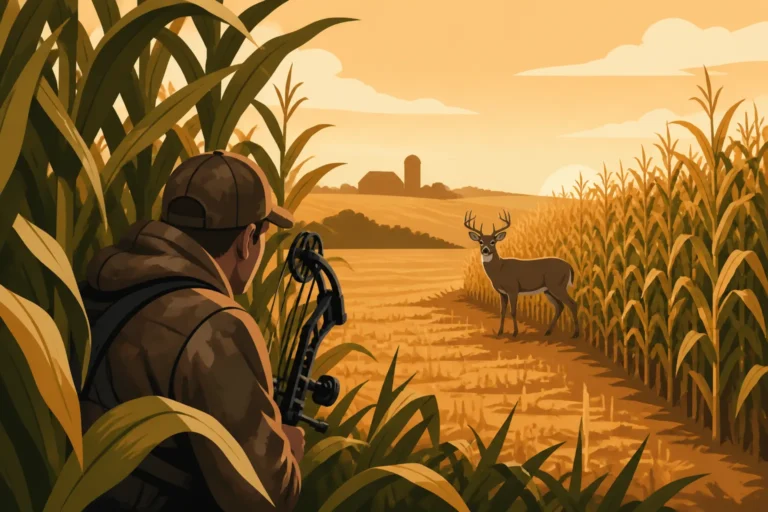
Finding where deer choose to bed down, especially in the vastness of Iowa's mixed landscapes, can feel like solving a frustrating puzzle. Often, hunters focus on food sources or major travel corridors, but miss the critical link: dense, secure bedding cover. This guide will walk you through understanding why cedar and locust thickets are absolute magnets for whitetails in Iowa and how you can use this knowledge to your advantage.
Why Cedar and Locust Thickets Are Deer Magnets in Iowa
When you're out there, shivering on a cold November morning or sweating through an early archery hunt, you're constantly thinking about where those deer are hiding. In Iowa, with its patchwork of agriculture, timber, and grasslands, deer are masters of using whatever cover is available to them. Among the best, and often overlooked, are thick stands of cedar and thorny locust. These aren't just random trees; they're vital survival havens for whitetails.
The Unbeatable Thermal and Security Cover They Provide
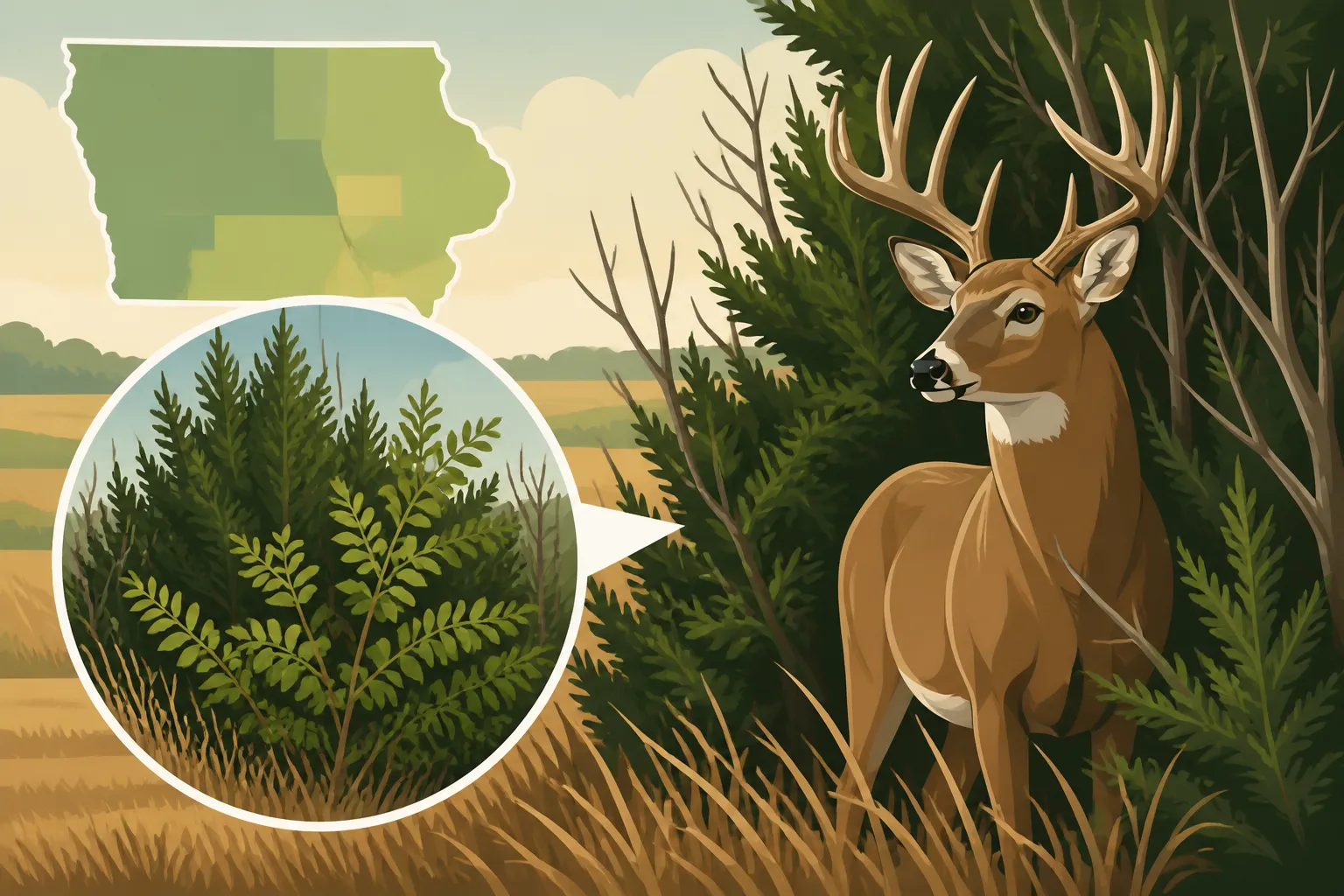
Imagine a harsh Iowa winter day, the wind howling, snow piling up. Where would you go to escape the elements? Deer instinctively seek out cover that offers both warmth and protection from predators. That's exactly what cedar thickets provide. The dense, interlocking needles of cedar trees create a microclimate beneath their canopy, trapping heat and blocking wind. It's like a natural insulated blanket, keeping deer warmer than they would be in open timber or CRP grass. This thermal advantage isn't just for winter; it provides cool shade on hot early-season days too, offering respite from the summer sun.
Beyond comfort, these thickets offer unparalleled security. The sheer density of a mature cedar stand or a thorny locust patch makes it incredibly difficult for predators, including humans, to move through quietly or even see more than a few yards. A bedded deer can hear you coming long before you ever get close, giving them ample time to slip away undetected. This sense of security is paramount to a deer, especially mature bucks, who are constantly trying to conserve energy and avoid danger. They'll choose these spots because they feel safe enough to truly relax and chew their cud, knowing they're well-hidden.
It's not just about the trees themselves, but the tangled undergrowth often associated with them. Multiflora rose, grapevines, and other thorny shrubs frequently grow within and around these thickets, creating an almost impenetrable barrier. This adds another layer of defense, making it even harder for a predator to push through. When deer feel secure, they spend more time in these areas, making them high-value locations to scout and hunt around.
Year-Round Benefits of Evergreens and Thorny Barriers
The beauty of cedar and locust thickets as bedding cover is their consistency throughout the year. Unlike deciduous timber that sheds its leaves in fall, leaving deer exposed, cedars retain their needles, offering continuous visual cover. This evergreen nature makes them particularly valuable during the late season when food sources are scarce and other cover is thin. Deer don't have to change their bedding habits as drastically with the changing seasons if they have access to these evergreen sanctuaries. They know these spots will always provide the visual screen they need, whether it's early September or late December.
Locust trees, while deciduous, still offer incredible security due to their aggressive thorns and dense growth patterns. Even without leaves, a thicket of locust is a painful barrier to navigate. The thorny branches create a physical deterrent, making predators think twice before trying to push through. Both species often grow in challenging terrain, like creek bottoms or steep draws, adding another layer of inaccessibility that deer appreciate. When you combine these physical barriers with the thermal benefits of cedar or the sheer tangle of locust, you have a recipe for bedding areas that deer will rely on heavily.
Think about it: a deer isn't just looking for a place to lie down; it's looking for a fortress. These thickets provide that. They offer crucial escape routes and hidden avenues of travel within their confines, allowing deer to move without being seen. Understanding this year-round appeal is key to long-term success, as deer will predictably use these areas whenever conditions dictate a need for dense, secure cover. If you're looking to locate where these animals spend their days, you'll want to focus your efforts on finding these specific types of cover.
Identifying and E-Scouting These Prime Bedding Areas
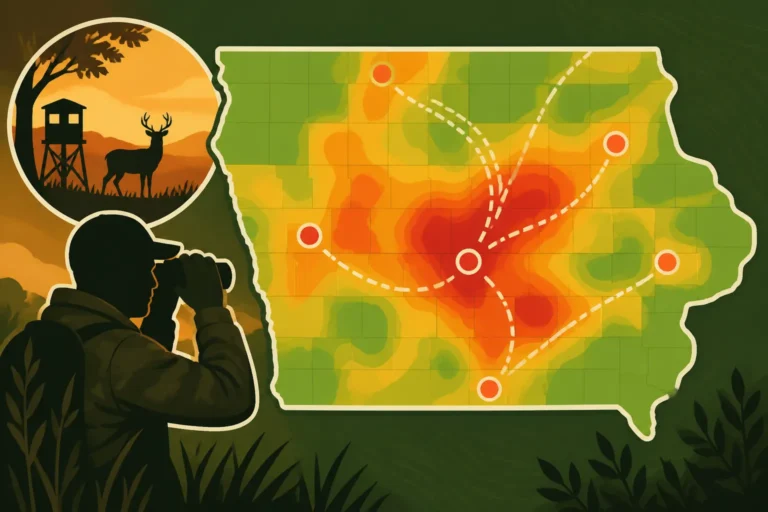
Before you ever set foot in the timber, you can do a lot of homework to pinpoint potential cedar and locust thickets. This "e-scouting" from your home can save you countless hours of busting through brush, and it significantly increases your chances of finding those hidden gems. When it comes to finding these prime bedding areas, tools like the Iowa DNR Hunter Atlas or even commercial mapping platforms are invaluable.
What to Look For on Aerial Maps and Topo
When you're staring at an aerial map, especially in late fall or winter, cedar thickets pop out. They'll appear as dark green or almost black blobs against the lighter brown and gray of deciduous timber or crop fields. These distinct dark patches are your first clue. Pay close attention to transition areas – where timber meets CRP grass, or where a crop field edge dips into a creek bottom. Deer love to bed right on these edges, allowing them quick access to food or more open areas while retaining a sense of security. Look for fingers of dark green extending into fields or along draws.
For locust thickets, it can be a bit trickier because they are deciduous. However, they often grow in very dense, irregular clumps, sometimes appearing as a lighter, bushier green in spring and summer, or a distinct textural difference in winter aerials. They frequently favor disturbed areas, old fence lines, or poor-soil areas that other trees don't thrive in. Topographic maps, or "topo maps," are equally important. Deer prefer bedding on terrain features that offer a strategic advantage, such as saddles, benches, or the top third of a ridge where they can see downwind and use thermals to detect danger upwind. Combine those dark green blobs on the aerial with favorable terrain, and you've got a high-probability bedding spot. Check out Reading Aerial Imagery for Bedding Cover to dive deeper into this skill.
Don't forget to look for water sources near these thickets. While not always a primary factor, deer often bed within reasonable distance of water, especially during warmer months. Swamps, small ponds, or creek bends adjacent to a dense cedar or locust stand can make that bedding area even more appealing. Using a mapping application like GoHunt, you can layer property lines, topography, and various satellite views, allowing you to meticulously dissect a potential hunting area from your couch. This kind of detailed scouting helps you understand the bigger picture of how deer might move between food, water, and these critical bedding locations.
Boots-on-the-Ground Scouting for Confirmation
Once you've identified potential thickets from your e-scouting efforts, it’s time to put boots on the ground – but with extreme caution. The goal of scouting these areas is to confirm deer use without alerting the deer that you’ve found their sanctuary. This often means scouting during the off-season, ideally in late winter or early spring after deer have shed their antlers and before new growth explodes. Look for well-worn trails leading into and out of the thicket. These trails will often be funnelled to the easiest points of entry and exit, usually on the downwind side or where the cover thins slightly.
Inside the thicket, or just on its perimeter, you’ll be looking for actual bedded-down spots – depressions in the leaves or grass. These will often contain hair from the deer and can tell you how recently the area was used. Also, keep an eye out for rub lines and scrapes, especially along the edges of the thicket. These are clear indicators of buck activity and will often point to where bucks are staging before heading to food sources or cruising for does. Remember to always approach these areas carefully, utilizing wind direction to your advantage to avoid carrying your scent into the bedding area itself.
When scouting, less is more. You don't need to penetrate deep into the densest parts of the thicket. By observing the fringes, identifying primary entry and exit points, and noting the direction of dominant trails, you can gather enough information to formulate a hunting plan. The goal isn't to walk through every inch; it's to confirm deer activity and understand their general movement patterns in and around this secure cover. If you identify a great thicket but find no fresh sign, it might be a secondary bedding area or one used only under specific conditions. Focus your time on the ones that show consistent, fresh activity.
Hunting Strategies Around Thicket Bedding Areas
Hunting around thick bedding cover like cedar and locust thickets requires a thoughtful and disciplined approach. You can't just barge in; these areas are sanctuaries, and disturbing them means deer will abandon them or go completely nocturnal. The key is to hunt the fringes, intercepting deer as they move to and from these secure spots. This means being mindful of your approach, your wind, and your stand placement.
Accessing Without Alerting Deer
This is arguably the most critical aspect of hunting around bedding cover. Your access route needs to be meticulously planned to avoid alerting deer that are bedded nearby. This means using terrain features to your advantage – walking along the bottom of a creek, using a ridge line to hide your silhouette, or walking a ditch line in row crop country. The goal is to be invisible and scent-free until you are safely in your stand. Deer will often bed with a view of their downwind side, relying on their nose to detect danger from behind them. So, approaching upwind of the bedding area is often the best strategy.
Consider your timing as well. For an evening hunt, you want to get into your stand long before deer start to stir from their beds, ideally mid-afternoon. For a morning hunt, you need to arrive well before first light, giving the woods time to settle down after your approach. Quiet entry is paramount; avoid breaking twigs, talking loudly, or shining your light excessively. Many hunters choose to use Access Routes That Avoid Bedding Areas to minimize disturbance. The less disturbance, the more comfortable deer will be using these thickets, and the more predictable their movements will become around them.
Another vital consideration for accessing these areas is your choice of clothing and gear. Quiet fabrics are a must to prevent rustling and rubbing noises. Your boots should be comfortable for a silent walk, and any external gear on your pack should be secured to prevent jingling. If you’re utilizing private land, discuss your entry and exit routes with the landowner to ensure you’re not disturbing other aspects of the property or nearby wildlife. Patience and stealth during access will directly correlate to your success when hunting these high-value bedding areas.
Optimal Stand Placement and Wind Considerations
Once you've nailed down your access, positioning your stand is the next crucial step. You don't want to set up in the thicket itself, as that's often too close and too intrusive. Instead, look for travel corridors, pinch points, or funnels that deer use when exiting or entering the thicket. This might be a narrow strip of timber connecting the thicket to a food source, a fence crossing, or even a small timber point extending from the main cover. Your stand should be placed to intercept deer as they transition from security to feeding or cruising grounds. For more insights on this, check out Best Stand Locations in Rolling Timber.
Wind is your non-negotiable partner in hunting these spots. Always hunt with the wind in your favor, blowing your scent away from the bedding area and any anticipated deer travel routes. If the wind isn't right, don't hunt that stand. It's better to wait for optimal conditions than to blow out a prime spot. Deer are incredibly sensitive to scent, and even the slightest whiff of human presence will send them packing. Consider setting up multiple stands around a particularly hot bedding area, allowing you to hunt it effectively on different wind directions. This multi-stand approach prevents over-pressuring one specific entry or exit point.
When selecting a tree, look for one that offers good cover to break up your silhouette, allows for clear shooting lanes, and provides a safe, stable platform for your stand. Often, this means being slightly downwind of the main trail or funnel, but still close enough for an ethical shot. A crucial consideration is the thermal currents, especially in areas with varying topography like creek bottoms. Understanding Wind and Thermals in River Breaks is paramount, as deer often use these air currents to their advantage, and so should you. Ultimately, the perfect stand placement creates a high-odds ambush point where you can effectively intercept a deer that feels safe and comfortable enough to move naturally.
Common Challenges and How to Overcome Them
Hunting around cedar and locust thickets isn't without its difficulties. The very characteristics that make them attractive to deer—their density and often challenging terrain—can make them frustrating for hunters. However, with a bit of foresight and the right tactics, you can overcome these hurdles.
Navigating the Dense Undergrowth
One of the biggest frustrations when hunting or scouting these thickets is simply trying to move through them. Cedars often grow with low-hanging branches that interlock, and locust trees are famous for their formidable thorns. This can make a stealthy approach feel impossible and can leave you tangled and frustrated. Forget about crashing through these areas, especially when hunting. Your best bet is to find the path of least resistance – the natural deer trails themselves. These trails will often be subtly worn, guiding you through the thickest parts with minimal resistance.
When scouting, carry a sturdy stick or walking staff to push branches aside and feel for obstacles. Wear durable clothing, like brush pants and a tough jacket, to protect yourself from thorns and snags. Consider using handheld pruners or a small folding saw to quietly clear a specific shooting lane from your stand location, but only if you have permission and are doing so legally. The goal is to create just enough visibility for a shot, not to clear a highway. Remember, the deer chose these spots because they are dense, so altering them too much can reduce their appeal.
For those situations where a direct approach is simply too noisy or difficult, think about hunting away from the immediate thicket. Set up further down a primary travel corridor, or closer to a known food source that deer will eventually head to. Sometimes, patience on the fringes is more effective than attempting to penetrate the impenetrable. You can also utilize mapping tools, like the one offered by GoHunt, to identify potential natural clearings or slightly less dense areas within or adjacent to a thicket, providing a more manageable path for entry or a better stand location.
Minimizing Pressure on Bedded Deer
The ultimate challenge with any bedding area is to hunt it effectively without burning it out. Deer, especially mature bucks, are incredibly sensitive to pressure. If you bump them from their beds repeatedly, or if they constantly catch your scent near their sanctuary, they will change their patterns, go nocturnal, or abandon the area altogether. This is where discipline becomes crucial. If the conditions aren't perfect – specifically, if the wind isn't right – stay home or hunt a different area.
Another way to minimize pressure is to hunt these spots sparingly. Don't hunt the same bedding area every other day. Give it time to "rest" and for deer to resume their normal patterns. Perhaps hunt a particular thicket only once or twice a week, or only when prime conditions (like a cold front after a warm spell) are present. Consider also varying your entry and exit routes if possible, or even setting up different stands for different wind directions, to keep deer guessing. This strategic rotation prevents any single area from becoming too predictable with human activity.
Finally, always be mindful of your exit. Just as your entry needs to be stealthy, so does your departure. If you shoot a deer near a bedding area, retrieve it quickly and efficiently, making as little noise and disturbance as possible. Dragging a deer right through the middle of an active bedding area is a sure-fire way to alert every other deer in the vicinity. If necessary, quarter the deer in the field to make extraction easier and less impactful. Remember, your goal is to harvest a deer while maintaining the integrity and future huntability of this valuable habitat. By respecting the deer's need for security, you'll ensure these cedar and locust thickets remain productive hunting grounds for seasons to come.
Disclaimer
Hunting is an inherently dangerous activity. Always prioritize safety, follow all local and state regulations, and obtain proper licensing before heading afield. The information provided in this guide is for informational purposes only and should not replace proper hunter education and personal judgment.