When Iowa IHAP Tracts Open in Fall
It’s a common frustration, isn’t it? You’ve poured over maps, scouted aerial imagery, and finally found what looks like a perfect public hunting spot, only to show up on opening day and realize the rules for that specific parcel are different from what you expected. This guide is here to clear up one of the most common points of confusion for Iowa hunters: exactly when the Iowa Habitat and Access Program (IHAP) tracts open for fall hunting, ensuring your planning pays off.
Understanding the Iowa Habitat and Access Program (IHAP)
Before we dive into dates and details, let's talk a little about what the Iowa Habitat and Access Program, or IHAP, truly is. In a state with a significant amount of private land, finding quality public hunting ground can sometimes feel like searching for a needle in a haystack. That's where IHAP steps in as a game-changer for resident and nonresident hunters alike.
What IHAP Offers Hunters and Landowners
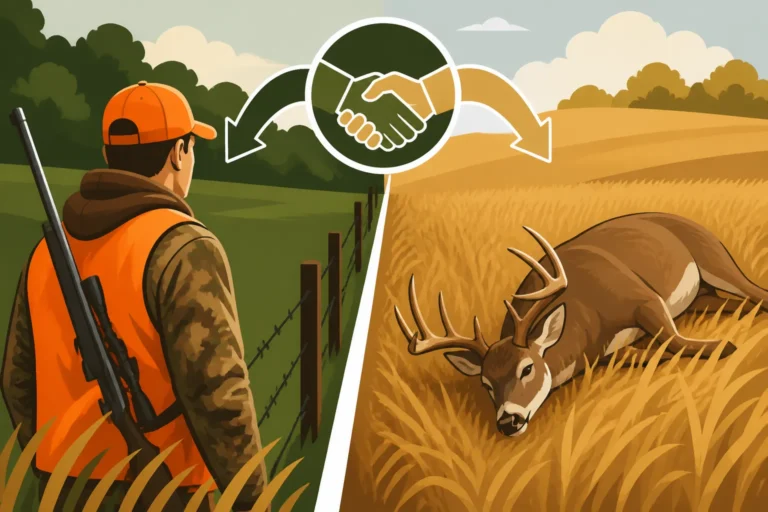
The Iowa Department of Natural Resources (DNR) established IHAP to increase public hunting access by partnering with private landowners. Essentially, landowners enroll their property – often ground with excellent habitat that might otherwise be inaccessible – into the program. In exchange for certain incentives, they open their land to public hunting access for specified periods. This creates a win-win situation: landowners get support for habitat management and financial compensation, and hunters gain more ground to pursue everything from deer and turkeys to pheasants and small game. It’s a vital program that significantly expands opportunities, especially in areas dominated by agriculture. If you're looking for new places to explore, understanding Iowa's Habitat and Access Program Explained is a crucial first step.
The Significance of IHAP for Iowa Hunting
For many of us, IHAP tracts represent some of the best hunting experiences available. These aren’t just random patches of ground; they’re often specifically chosen for their habitat quality. Think about those crucial timber blocks, dense CRP fields, or secluded creek bottoms that typically hold game but are usually locked behind private property lines. IHAP unlocks these areas. Without programs like IHAP, hunting pressure on existing public lands would be even more intense, leading to burnt-out areas where deer become nocturnal and pheasants flush at a quarter-mile. IHAP helps spread out that pressure, giving hunters more diverse options and better quality experiences. It’s a direct response to the need for more access, and it benefits the wildlife by incentivizing good land stewardship.
The Official IHAP Fall Opening Dates
Now, let's get to the brass tacks of when these valuable hunting grounds become available. While individual tracts might have slight nuances, there's a widely recognized general timeframe for IHAP openings in the fall that every hunter needs to know.
General Fall Opening for Most IHAP Tracts
For the vast majority of Iowa's Habitat and Access Program tracts, the official opening date for fall hunting is September 1st. This date typically marks the beginning of the access period for most species, including deer, turkey, upland birds, and small game. It’s a date etched into the minds of many Iowa hunters, signaling the true kickoff of the fall hunting season. From early archery deer hunters to those eager to chase squirrels or doves, September 1st is the green light.
However, it's vital to remember that "most tracts" isn't "all tracts." While September 1st is the standard, always double-check the specific rules for any parcel you intend to hunt. This general opening allows seamless access through Iowa's various fall seasons, ensuring that once it opens, you typically won't encounter a mid-season closure for the general hunting population. Knowing these dates is fundamental to planning your autumn adventures; you can find more specific details on Iowa IHAP Access Dates.
Aligning IHAP Openings with Iowa's Hunting Seasons
The September 1st opening date is strategically aligned with the start of several key Iowa hunting seasons, making it incredibly convenient for hunters. For instance, Iowa's archery deer season kicks off around October 1st, meaning IHAP tracts are already open and accessible a full month before deer hunters can even draw a bow. This allows ample opportunity for pre-season scouting, hanging stands, or setting up ground blinds without the rush.
Similarly, early small game seasons, like dove hunting, often begin in early September, directly coinciding with the IHAP opening. Pheasant and quail seasons typically open in late October, meaning IHAP properties with prime upland bird habitat are fully accessible by that time. This thoughtful alignment ensures that hunters can utilize these private-land-turned-public-access areas throughout the entire fall, from the earliest archery opportunities to the late-season pheasant pushes. It’s all about maximizing your time afield, and IHAP helps facilitate that from the very beginning of fall.
Navigating Variances and Seasonal Considerations
While the September 1st general opening date is a great starting point, understanding that some nuances exist is crucial. Not all IHAP tracts operate under identical rules, and knowing what to look for can save you a wasted trip.
Exceptions to the General Opening Date
It’s rare, but some IHAP tracts may have specific clauses that alter their opening or closing dates, or even restrict access for certain species. These exceptions are usually tied to unique landowner agreements, sensitive wildlife management needs, or sometimes, even agricultural cycles. For example, a landowner might specify that access for deer hunting begins a week later due to ongoing harvest activities on adjacent fields. Or, certain waterfowl management areas within the IHAP program might have slightly different opening dates to align with specific migratory bird seasons.
The key takeaway here is never to assume. Always treat the general opening date as a guideline, not an absolute. Before you commit to a long drive or invest significant scouting time into a particular IHAP parcel, verify its specific regulations. These small variations can be the difference between a successful hunt and a frustrating encounter with an unexpected "No Entry" sign. Always check the official resources to avoid any missteps, especially when it comes to Walk-In Only Access on IHAP Ground.
Species-Specific Considerations on IHAP Lands
Beyond the general opening, it's important to consider how different game species might influence your IHAP strategy. For instance, while September 1st opens the gates, serious deer hunters often won't be in the woods until October 1st for archery season. However, that month-long window between September 1st and October 1st is prime time for Scouting Iowa IHAP Tracts on Foot. You can hang stands, trim shooting lanes, and run trail cameras without disturbing active hunting.
Upland bird hunters, chasing pheasants and quail, will typically find IHAP tracts open well before their late October season openers. This allows plenty of time for landowners to finish harvest, which can sometimes impact accessibility or the condition of the habitat. For waterfowlers, IHAP areas near rivers or wetlands might have specific restrictions or designated hunting blinds. Always be aware of the primary target species for your hunt and how their season dates interact with the IHAP opening. This forethought ensures you’re not only legal but also hunting in the most effective manner. It's a fundamental part of Hunting Iowa Walk-In Ground Without Burning It Out.
Late-Season IHAP Access
The good news is that IHAP access typically extends through all of Iowa's regular fall and winter hunting seasons. This means you can often utilize these properties for late archery, late muzzleloader, or the January antlerless deer seasons. Even when many private land opportunities dry up after regular gun seasons, IHAP can provide continued access. This is especially valuable when hunting for late-season food sources.
However, as winter progresses, be mindful of snow cover and road conditions. While the land might officially be open, accessibility can become a challenge. Always check the DNR's resources or even local county websites for road closures or advisories, especially if you're planning a hunt in the deeper winter months. The robust access provided by IHAP during the later parts of the year is a huge benefit, offering chances to fill those remaining tags when other options are scarce.
Finding Specific IHAP Tract Information
Knowing the general opening dates is a fantastic start, but as we’ve discussed, individual tracts can have unique rules. The good news is that Iowa makes it relatively easy to find the precise information you need to plan your hunt effectively.
The Iowa DNR Hunting Atlas: Your Go-To Resource
The undisputed champion for finding IHAP information is the Iowa DNR Hunting Atlas. This online interactive map is an invaluable tool for any hunter in Iowa. It clearly delineates all public hunting lands, including state forests, wildlife management areas (WMAs), county conservation boards, and crucially, all enrolled IHAP tracts.
When you navigate to the Hunting Atlas on the Iowa DNR website, you can zoom in on specific areas, click on individual parcels, and bring up a wealth of information. For IHAP tracts, this will often include the exact start and end dates for public access, any specific species restrictions, whether ATVs are allowed (usually not on IHAP), and sometimes even details about parking or access points. Seriously, bookmark this site. It's your digital hunting buddy for navigating Iowa's public-access landscape. Get familiar with Using the Iowa DNR Hunter Atlas long before opening day.
Leveraging Mapping Apps for Real-Time Details
While the DNR Hunting Atlas is the official source, modern mapping applications have revolutionized how we interact with public land data. Tools like GoHunt or onX Hunt integrate public land boundaries, including IHAP tracts, directly onto satellite imagery. This overlay allows you to see the exact shape and location of IHAP parcels in relation to roads, timber lines, crop fields, and other crucial habitat features.
Many of these apps even pull in data from the DNR, providing access dates and rules right within the app. Imagine being able to scout from your couch, identifying potential access points and bedding areas on an IHAP tract, then verifying its opening dates with a tap on your phone. These apps are indispensable for identifying Finding Iowa IHAP Tracts on a Map and for understanding the surrounding landscape, providing granular detail you simply can't get from a paper map. Just remember, these apps are powerful, but always cross-reference critical details like opening dates with the official DNR atlas to ensure you have the most current information. onX Layers for Iowa Land Status is a great feature to use here.
Checking for Updates and Changes
Wildlife management is dynamic, and rules can occasionally change. While major IHAP access dates are generally stable year to year, smaller updates, temporary closures, or even new tracts being added to the program can occur. It's good practice to check the DNR Hunting Atlas and any relevant county conservation board websites (if the IHAP tract is managed in conjunction with a county) a few weeks before your planned hunt.
Think of it like checking the weather forecast before a big trip – you wouldn’t just assume it’s going to be sunny. Similarly, don't assume the IHAP tract you hunted last year will have identical rules this year. A quick check on the DNR website or your preferred mapping app can prevent a frustrating surprise. Additionally, the Iowa DNR often issues press releases or updates on their social media channels if there are significant changes to hunting regulations or public access. Staying informed ensures you’re always hunting legally and ethically.
Here’s a quick overview of how IHAP access typically aligns with different fall hunting seasons:
| Hunting Season | Typical IHAP Access Start | Key Considerations |
|---|---|---|
| Archery Deer (Early) | September 1st | Allows ample pre-season scouting and stand setup before the October 1st opener. |
| Dove and Early Small Game | September 1st | Direct access for early bird and small game seasons. |
| Pheasant and Quail | September 1st | Open well before the late October opener, allowing for post-harvest access to fields and cover. |
| Shotgun Deer (First/Second) | September 1st | Full access during these high-pressure gun seasons. Crucial for many party hunts. |
| Muzzleloader (Late) | September 1st | Continues access through late December and early January, excellent for cold-weather food source hunting. |
| January Antlerless | September 1st | Access extends through the final deer season, providing opportunities for population management. |
| Fall Turkey | September 1st | Open for fall turkey seasons (archery or gun), check specific regulations for weapon choice. |
| Waterfowl | September 1st | Some IHAP sites may be open for waterfowl, but always check for specific wetland access rules or designated blinds. |
Remember, this table provides general guidance. Always refer to the official Iowa DNR Hunting Atlas and individual tract details for the most accurate and up-to-date information for Iowa IHAP Acres and Counties or any other IHAP specific details.
IHAP Rules and Best Practices
Access to IHAP lands is a privilege, not a right. Because these are private lands voluntarily enrolled in the program, it's essential for hunters to be exemplary guests. Adhering to the rules and following best practices helps ensure the program's longevity and continued access for all.
Understanding IHAP-Specific Regulations
Beyond the opening dates, each IHAP tract will have a set of specific rules that hunters must follow. These are often displayed on signs at access points and are detailed on the Iowa DNR Hunting Atlas. Common regulations include:
- Walk-in only access: Most IHAP tracts are strictly walk-in, meaning no motorized vehicles (ATVs, UTVs) are allowed beyond designated parking areas.
- No permanent stands or blinds: You generally cannot leave permanent stands, blinds, or other structures on IHAP land. Portable stands and blinds are usually fine, but must be removed daily. Some tracts might allow overnight storage for short periods, but this is rare and always needs explicit verification.
- No baiting or feeders: Like other public lands in Iowa, baiting deer is prohibited on IHAP tracts.
- Respecting property boundaries: Even though you're on public-access land, it's bordered by private property that might not be part of IHAP. Always know your boundaries and avoid trespassing.
- Pack it in, pack it out: Leave no trace. Take all your trash, spent shell casings, and anything else you brought in with you.
Failing to follow these rules not only puts you at risk of a citation but also jeopardizes the IHAP program. Landowners are more likely to continue their enrollment (or encourage others to join) if hunters are respectful and responsible.
Ethical Considerations and Maintaining Access
Beyond the written rules, there are ethical considerations that contribute to maintaining healthy relationships with landowners and the Iowa DNR. Be courteous to other hunters you encounter. If you see someone else already in a spot you intended to hunt, graciously move on. This isn't just about avoiding confrontation; it's about sharing a finite resource responsibly.
Also, consider minimizing your impact. Avoid creating new trails where none exist, be mindful of noise, and always have your Iowa Deer Harvest Reporting Rules in order. If you encounter an issue on an IHAP tract, like illegal activity or damage, report it to the DNR. Don't take matters into your own hands. By being a good steward and thoughtful hunter, you help ensure that the valuable access provided by IHAP continues for future generations. Remember, the success of a program like IHAP relies heavily on hunter behavior and respect for the land and the landowner's generosity.
Disclaimer
This guide is intended for informational purposes only and should not be considered legal advice. Hunting regulations and program details can change. Always consult the official Iowa Department of Natural Resources (DNR) website, the Iowa Hunting Atlas, and the current year's hunting regulations for the most accurate and up-to-date information before planning any hunt.