Weekday Versus Weekend Public Land
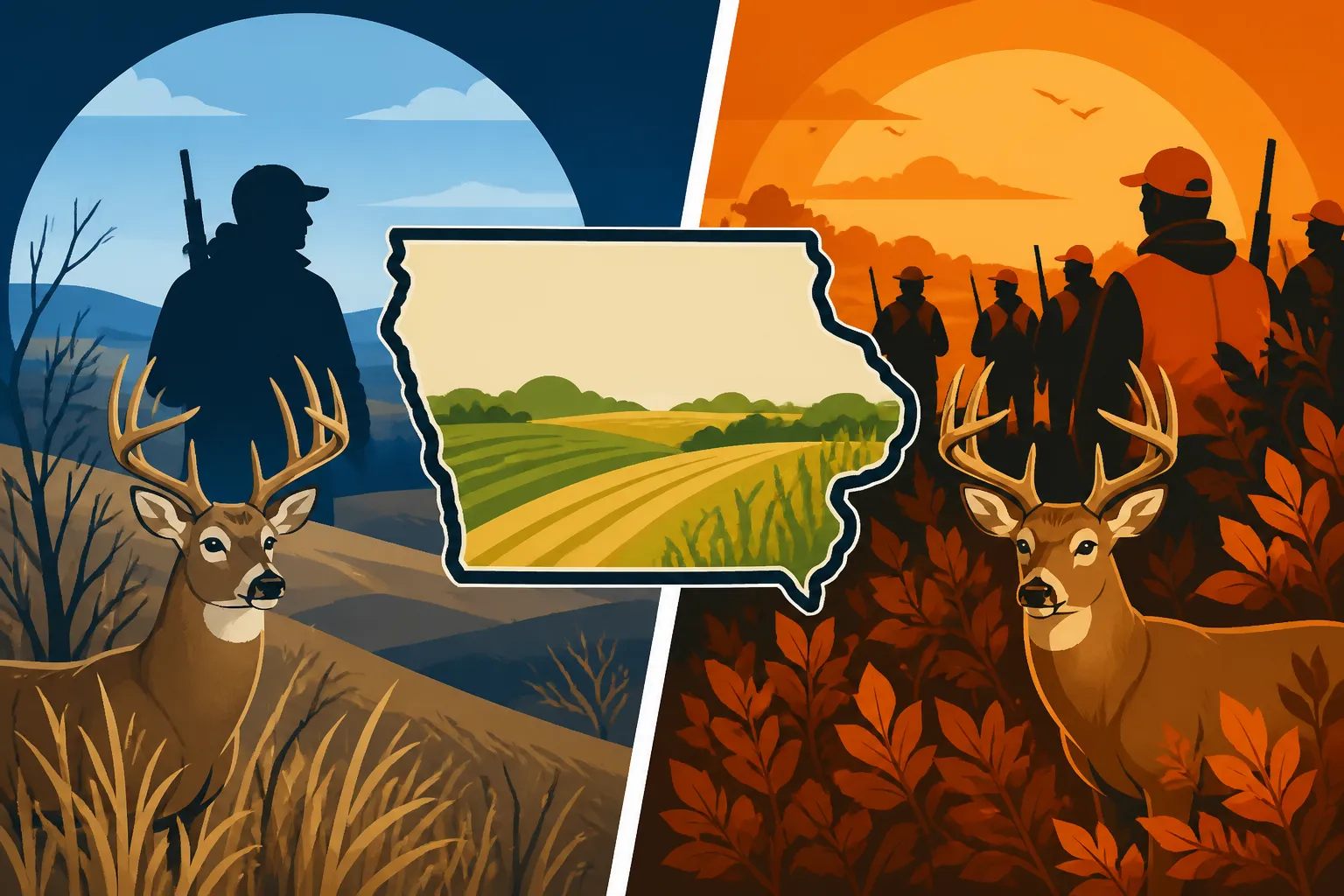
There's nothing quite like pulling up to your favorite public land hunting spot on a crisp Saturday morning, only to find three other trucks already parked there. The dream of a quiet, undisturbed hunt vanishes, replaced by the gnawing worry of pushed deer and competing footsteps. Understanding the stark difference between hunting public land during the week versus on the weekend in Iowa is absolutely crucial for success, and this guide will help you navigate those pressures and find more solitude and opportunity.
The Weekend Reality: Navigating the Crowds and Pressure
Let's be honest, for many of us, weekends are the only time we can truly dedicate to hunting. We punch the clock all week, dreaming of those few precious days in the timber or CRP fields. But that convenience comes at a cost, especially on Iowa's public hunting grounds. The sheer volume of fellow hunters can transform a peaceful morning into a frustrating exercise in avoiding other people, and more importantly, dealing with deer that have been bumped, spooked, and otherwise educated by the influx of human activity. It's a brutal reality of public land hunting in a state as popular as Iowa.
Why Weekends are a Double-Edged Sword for Public Land Hunters
The primary reason weekends are so challenging is simple economics: supply and demand. There’s a limited amount of public land, and a massive number of hunters who can only get out on Saturday and Sunday. This isn't just a handful of extra trucks; it's often a significant surge in activity. Imagine a sprawling Wildlife Management Area (WMA) or an Iowa Habitat and Access Program (IHAP) tract that sees maybe one or two hunters a day mid-week. Come Saturday morning, that same tract might have ten, fifteen, or even twenty vehicles parked along its perimeter. Each one represents a hunter, a dog, a group, all moving through the same general area.
This increased presence isn't just annoying for us; it fundamentally alters deer behavior. Deer, being creatures of habit, are incredibly sensitive to disruption. On a typical weekday, a mature buck might cruise a well-worn path through a timber draw, confident in his routine. But with a dozen hunters pushing through that same timber, rattling antlers, or setting up stands, that buck quickly learns that those routes are dangerous. They might shift to nocturnal movement, relocate to thicker, harder-to-reach cover, or simply leave the area altogether for the duration of the weekend. You'll often find that the deer you've been seeing on your trail cameras all week are suddenly ghosts when the weekend rolls around. This concept is deeply explored in our article on Hunting Pressure Patterns on Iowa Public Land, which really digs into how deer react.
Reading the Signs of Heavy Pressure
It's not always obvious you're hunting a pressured area until you're deep into it, but there are tell-tale signs. The most immediate, of course, is the parking lot. If it's full, you're not alone. Beyond that, look for fresh boot tracks, discarded snack wrappers, or even recent stand placements by other hunters. Pay attention to sound – distant gunshots (during firearms season), dog barking, or even the faint sound of voices can indicate others are nearby.
Deer sign also tells a story. On heavily pressured land, rubs and scrapes might appear more sporadic, or less actively visited. Bedding areas, instead of showing signs of relaxed use, might reveal quick exits, trampled vegetation, or even a lack of recent beds altogether. You might find deer droppings in unusual, extremely thick cover, indicating they're seeking refuge in places they wouldn't normally linger. This means their typical travel corridors might be abandoned or only used under the cover of darkness. It takes a keen eye and a lot of boots-on-the-ground scouting, even just a quick walk on Friday evening, to get a sense of the weekend's impending pressure. For more detailed tips on what to look for, check out our piece on Scouting Iowa Public Land Before the Opener.
The Weekday Advantage: Unlocking Opportunity and Solitude
Now, let's flip the coin. If you have the flexibility, weekday hunting on Iowa public land offers a dramatically different and often far more rewarding experience. It's a strategic choice that can pay dividends in terms of less competition, more natural deer behavior, and a greater sense of peace in the woods. This is where you can truly feel like you're hunting, not just navigating a maze of other hunters.
Deer Reverting to Natural Patterns
When the weekend crowd disperses by Sunday evening, something magical happens: the deer, sensing the reduction in human presence, begin to relax and revert to their natural patterns. Those bucks that went completely nocturnal or disappeared into the nastiest thickets start moving during daylight again. They'll revisit their preferred food sources, use those timber draws and creek bottoms they’ve abandoned, and generally become more predictable.
This return to normalcy is a huge advantage. You’ll see more active rubs and scrapes, fresher tracks along field edges, and more daylight movement overall. Bucks, especially during the rut, might start cruising again, looking for does, and can be more susceptible to calling strategies like rattling or grunting. It's truly a different animal, pun intended. This is especially true after a brutal opening weekend of shotgun season, when deer get hammered, they really appreciate a few quiet days to settle back into their routines before the next wave hits. Understanding when The Iowa Rut Peaks can help you time these weekday hunts for maximum impact.
Maximizing Your Weekday Window
To truly make the most of your weekday hunts, it's about being strategic and, if possible, extending your time afield. A single day off during the week can be incredibly effective, but even better if you can string two or three days together. This allows you to hunt specific wind directions, adjust to deer movement you observe, and explore areas without feeling rushed or like you're being pushed by other hunters.
Consider taking a Monday or Tuesday off right after a busy weekend. The deer will have been pressured, but they’ll be settling back in, making them more vulnerable. Or, if you're targeting the pre-rut or peak rut, hunting mid-week can be phenomenal for catching cruising bucks during daylight. You might even have the luxury of sitting longer, or moving more deliberately, knowing that you're less likely to bump into another hunter. This is also a fantastic time to implement more active hunting methods like still hunting or slow-stalking through timber, as deer are less likely to be on high alert.
| Feature / Day | Weekend Public Land | Weekday Public Land |
|---|---|---|
| Hunter Pressure | High to Very High | Low to Moderate |
| Deer Activity | Often Nocturnal, Skittish | More Natural, Daylight Movement |
| Solitude | Low, frequent encounters likely | High, can feel like private land |
| Effective Tactics | Deep penetration, remote areas, still hunting, waiting out pressure | Traditional setups, calling, decoying, patience, covering ground |
| Parking | Often full, competitive spots | Ample, easy access |
| Overall Vibe | Fast-paced, reactive, competitive | Calm, strategic, observant |
Tactical Approaches for Different Days
Adapting your tactics to the day of the week is not just smart, it's essential for consistent success on Iowa's public lands. What works on a quiet Tuesday might completely fail on a packed Saturday, and vice-versa. It’s all about playing the percentages and understanding how human presence influences deer movement.
Weekend Strategies: Going Deeper and Smarter
When faced with heavy weekend pressure, your best bet is often to go where others won't. This typically means walking further, finding areas with difficult access, or targeting overlooked pockets of cover. Think about deep timber blocks, nasty multiflora rose thickets, or steep creek bottoms that deter casual hunters. Deer will naturally gravitate to these sanctuaries when disturbed. Using mapping tools like the Iowa DNR Hunter Atlas or even advanced apps like GoHunt can help you identify these seemingly impenetrable areas. Look for bottlenecks where deer funnel through smaller, thicker areas that people tend to avoid.
Another effective weekend strategy is still hunting or slow-walking, particularly in areas just outside those deep sanctuaries. Instead of sitting in a static stand, you're slowly moving, using the wind, and trying to intercept deer that are being pushed by other hunters or are simply relocating. Setting up a ground blind in a thicket bordering a known travel corridor, especially if it's off the beaten path, can also be highly effective. Ground Blinds in Iowa Farm Country often provide that crucial element of concealment in areas that might see a lot of activity. Remember, on weekends, you're not just hunting deer; you're also hunting human behavior. Anticipate where other hunters will go and position yourself accordingly, either away from them or where pushed deer are likely to pass.
Weekday Strategies: Capitalizing on Calm
When the crowds thin out, you can afford to be more traditional and aggressive in your hunting approach. Weekdays are prime time to hunt those textbook funnels, pinch points, and major travel corridors that might be too hot with pressure on the weekend. Deer will be using them more freely, making your well-placed treestand or mobile saddle setup far more effective. For those who enjoy mobile hunting, this is an excellent opportunity to quickly get into prime locations without worrying about bumping into another hunter. Our guide on Mobile Saddle Hunting in Iowa offers some great tips for this style of hunting.
This is also the time to experiment with calling and decoying, especially during the rut. With fewer hunters in the woods, bucks are less likely to be on high alert and might respond better to Rattling and Grunting During the Iowa Rut or a well-placed decoy. You can sit patiently over a prime food source, knowing that deer are more likely to filter in during daylight hours. Focus on your entry and exit routes, making sure you don't spook deer as you come and go, taking advantage of the reduced overall noise and scent signature from other hunters. Consider targeting fields that have been recently harvested, as these become huge draws for deer once the pressure is off. Late-Season Food Source Hunting in Iowa covers these tactics in detail.
Using Tools and Intelligence to Plan Your Hunt
In today's hunting world, knowledge truly is power. Relying on sheer luck or simply showing up isn't a recipe for consistent success, especially on public land. Modern tools and a bit of homework can drastically improve your odds, helping you pinpoint those overlooked spots or maximize your time when you do get a chance to hunt.
E-Scouting for Undisturbed Pockets
Before you even step foot on public land, spend significant time e-scouting. This involves using online mapping tools, aerial photography, and topographical maps to analyze potential hunting spots from the comfort of your home. Look for isolated timber blocks, thick creek drainages, or hard-to-reach corners of larger properties. These are the places that often receive less pressure because they're simply harder to access. Identify bottlenecks, hidden food plots (if they exist), or areas where natural barriers like rivers or steep hillsides create natural funnels or sanctuaries.
When looking at aerial images, pay attention to subtle changes in cover. A small, dense patch of cedars within a larger, more open timber might hold deer that are trying to escape pressure. Think about how deer will enter and exit these areas and how you can approach them with minimal disturbance. E-Scouting Iowa Farm Country From Home provides a fantastic deep dive into these techniques. A tool like GoHunt's mapping system, for example, allows you to overlay different layers, such as public/private land boundaries, topographical lines, and even historic burn areas, helping you identify those hidden gems. This granular level of detail is critical for finding solitude.
GoHunt and Public Land Data
Beyond just looking at pretty pictures, data-driven insights can give you a significant edge. Websites and apps like GoHunt offer a wealth of information that can inform your hunting strategy. This isn't just about identifying a green patch on a map; it's about understanding the specific regulations for that piece of land, recent harvest data (if available), and even historical weather patterns for the area.
You can often find information on specific Wildlife Management Areas (WMAs) regarding typical usage, or restrictions that might funnel hunters into certain areas, thus leaving others untouched. For instance, some areas might have specific rules for vehicles, or designated camping spots, which can influence where other hunters concentrate their efforts. By understanding these nuances, you can devise a plan that takes you away from the typical routes. The Iowa DNR also provides excellent resources, like Using the Iowa DNR Hunter Atlas, which is a must-have for any public land hunter in the state. Combining this with tools like GoHunt allows you to create highly detailed hunt plans, identify multiple Access Routes That Avoid Bedding Areas, and even plan for alternative spots if your primary location is already occupied. This level of preparation is what separates consistently successful public land hunters from those who just hope for the best.
Disclaimer
Please be aware that hunting regulations and land access policies can change. Always consult the latest Iowa Department of Natural Resources (DNR) regulations and maps before planning any hunting trip. This guide provides general information and does not replace official legal requirements. Be safe, ethical, and respectful of the land and other hunters.