Rabbit Hunting Brush Piles
There’s nothing quite like the thrill of chasing cottontails in the crisp Iowa air, especially when they explode from a dense brush pile. But if you’ve ever found yourself staring at a tangled mess of branches, wondering if there’s a rabbit even in there, let alone how to get it out, you know the frustration. This guide is all about demystifying those seemingly impenetrable rabbit fortresses and giving you the tactics and gear to successfully hunt brush piles in Iowa.
Why Iowa Brush Piles Are Rabbit Havens
Brush piles might look like chaotic messes to us, but to a rabbit, they are five-star resorts offering everything a cottontail could ever want: safety, warmth, and proximity to food. Understanding why rabbits love these spots is the first step to hunting them effectively.
The Perfect Mix of Cover and Food
Iowa's landscape is a patchwork of agriculture and timber, which means rabbits often don't have to travel far to find a meal. Brush piles, whether naturally occurring from storm damage or created by landowners clearing timber, often sit right on the edge of these food-rich areas. Imagine a rabbit's life: constant threats from hawks, owls, coyotes, and foxes. A brush pile offers an instant, impenetrable fortress. It's a tangle of limbs and branches that most predators can't navigate, providing a solid barrier between a rabbit and danger.
Beyond protection, brush piles provide excellent insulation from Iowa's often brutal winter winds and snow. When the temperature drops, rabbits can burrow deep into the center of a large pile, staying surprisingly warm. And because these piles are typically close to crop fields—especially those with residual corn or soybeans—or natural forage like clover, alfalfa, and tender shoots, a rabbit can dart out to feed and retreat instantly. It's the ultimate "safe house" with a built-in pantry right next door. You'll often find these prime spots along old fence lines, timber edges bordering corn or bean fields, or where waterways cut through agricultural land.
Understanding Rabbit Behavior Around Cover
Rabbits are creatures of habit and efficiency. They want to expend as little energy as possible, especially in winter. This means they'll choose a brush pile that offers the best balance of safety and accessibility to food. They’ll use multiple escape routes within a pile, often creating tunnels and runways beneath the surface or along the edges. When spooked, a rabbit's first instinct is not to run far into the open, but to dive deeper into the nearest cover. This is why brush piles are so effective: they provide immediate, dense concealment.
Their activity is often dictated by weather and time of day. On cold, windy days, they'll hunker down deep in the pile, only emerging to feed during brief lulls or during periods of low light. On milder, sunny days, especially after a fresh snow, you might find them basking on the sunny side of a pile or even just outside, taking advantage of the warmth. Early mornings and late afternoons are generally peak feeding times, but you can find rabbits in brush piles throughout the day, particularly if they're not pressured. Look for fresh tracks around the pile’s perimeter, especially after a light snow. These tell-tale signs are your first clue that a rabbit might be home.
Effective Tactics for Hunting Iowa Brush Piles
Hunting brush piles isn't about aimlessly poking sticks into a bush. It requires a thoughtful approach, whether you're solo, with a partner, or, ideally, with a good dog. The key is to understand how a rabbit will react and position yourself to intercept it.
Flushing Rabbits Solo or With a Partner
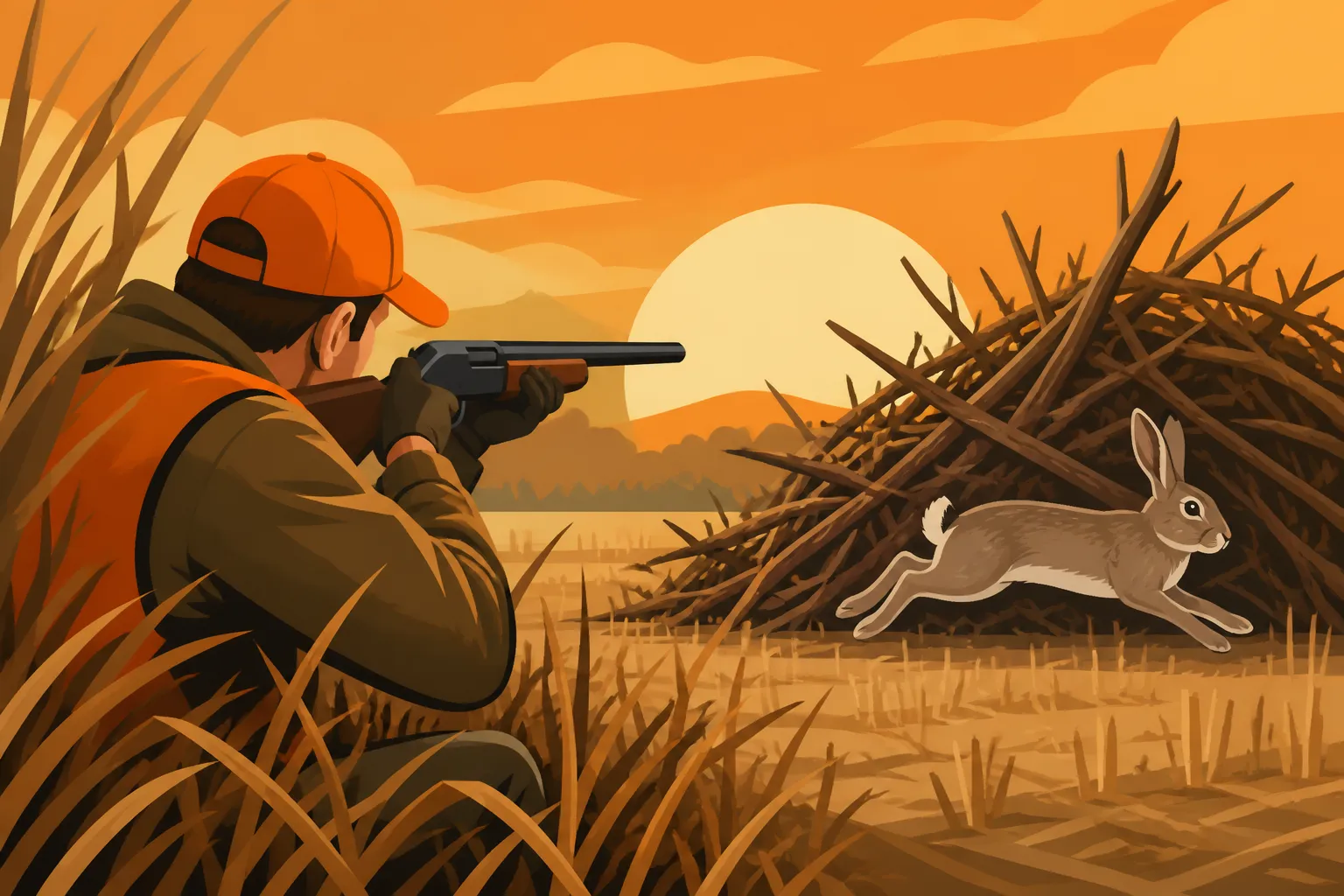
If you’re hunting alone, it can be a bit more challenging, but definitely not impossible. Your primary goal is to make enough commotion to convince the rabbit that staying put is more dangerous than bolting. Start by circling the brush pile, looking for fresh sign or obvious escape routes. Then, work your way into the pile, kicking at the base, stomping your feet, and even using a long stick to poke at denser sections. Move slowly but deliberately, listening for any rustle. Often, the rabbit will burst out the opposite side. Be ready for a quick, fleeting shot.
With a partner or two, your success rate skyrockets. This is where a small "drive" tactic, much like miniature Small Timber Drives With Two Hunters, comes into play. One or two hunters act as "blockers" or "posters," positioning themselves quietly about 15-20 yards downwind or on the side of the brush pile where you anticipate the rabbit will run. The other hunter, the "flusher," then moves in from the opposite side, working the brush pile thoroughly. The blockers need to be absolutely still and ready. Rabbits are masters of disappearing, so quick reflexes are paramount. Coordinate your movements and communication beforehand to ensure safety and maximize your chances.
Utilizing Dogs for Maximum Success
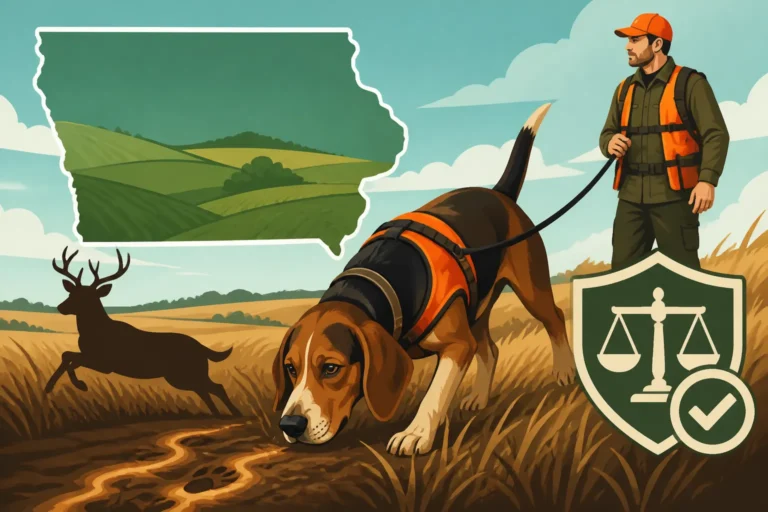
There's a reason Beagles are synonymous with rabbit hunting—they are simply fantastic at it. A good rabbit dog, particularly a Beagle or a Basset Hound, brings an entirely new dimension to brush pile hunting. Their keen noses can find scent trails that humans would never detect, even on a cold scent. The dog works the brush pile, its enthusiasm and barks flushing rabbits out consistently.
When working with a dog, the strategy shifts. The dog does the hard work of getting into the densest cover and pushing the rabbit. Your job as the hunter is to position yourself where the rabbit is likely to emerge. Often, the rabbit will run a circuitous route, hoping to lose the dog, eventually returning towards or even into the original brush pile. The dog's persistent barking acts as a guide, telling you exactly where the action is. Safety is paramount when hunting with dogs: always know where your dog is, and ensure it's wearing a visible collar (orange or reflective) and ideally, a GPS tracker. The excitement of a chase can lead dogs into some tricky situations, so being prepared is key.
Reading Sign and Anticipating Flushes
Becoming a successful rabbit hunter isn't just about walking up to every brush pile you see. It’s about being a detective. Look for fresh rabbit droppings—small, round pellets that are often green or brown. These tell you a rabbit has been active in the area recently. Tracks in mud or snow are another obvious indicator. Pay attention to "clipped" vegetation, where rabbits have gnawed on twigs or small plants, leaving clean, angled cuts. The more fresh sign you find, the higher the likelihood of a resident cottontail.
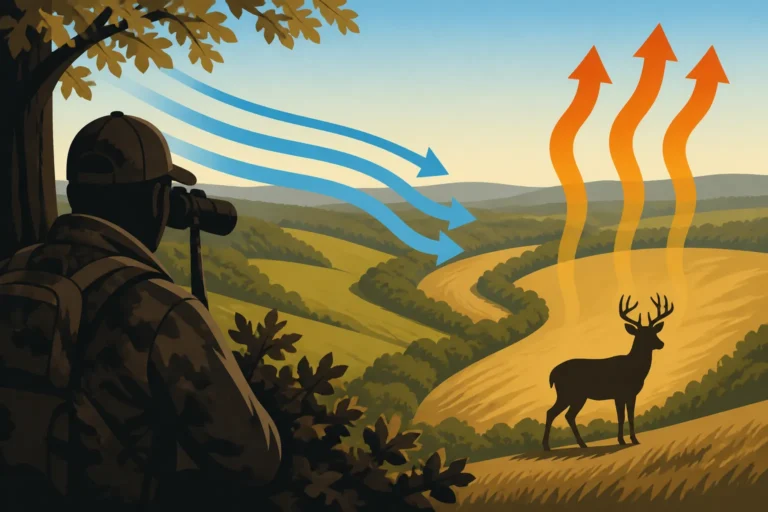
Once you’ve identified a promising pile, consider the terrain and wind. Rabbits will often try to run downhill or along a natural contour. They also tend to run into the wind to better detect pursuing predators. Use this knowledge to predict their escape route. If the brush pile is on a hillside, position yourself slightly downhill and to the side. If it's windy, try to position yourself downwind of the likely escape route. Anticipating where a rabbit will burst out is half the battle; the other half is being ready to make a quick, ethical shot. This awareness of potential escape lanes is also crucial when employing tactics for Working Pheasant Cover Without a Dog, where you're similarly trying to predict where game will flush.
Essential Gear for Brush Pile Rabbit Hunting
Rabbit hunting in Iowa, especially when tackling brush piles, calls for a specific set of gear to ensure both success and comfort. You’ll be navigating dense, thorny cover in potentially cold, wet conditions, so being prepared is crucial.
Shotguns and Ammunition Choices
For rabbits, a scattergun is your best friend. The most common choices are 12-gauge, 20-gauge, and .410 shotguns.
- 12-Gauge: Offers the widest shot pattern and most pellets, making it forgiving for fast-moving targets. However, it can be a bit heavy for all-day carrying through dense cover.
- 20-Gauge: A fantastic all-around option. Lighter than a 12-gauge, with less recoil, but still delivers plenty of pellets to humanely dispatch a rabbit. For many, it's the perfect balance.
- .410 Gauge: Lightweight and nimble, but it has a very small shot charge and tight pattern. It requires more precise aiming, making it less forgiving for beginners or quick shots in thick brush.
When it comes to ammunition, stick with smaller shot sizes. Number 6 shot is an excellent choice, providing a good balance of pellet count and energy for rabbits. Number 7 ½ shot also works well, offering a denser pattern at close range. Avoid larger shot sizes like 4 or 2, as they carry too much energy and reduce the pellet count, creating larger gaps in your pattern. When considering Which Shotgun Gauges Iowa Allows for Deer, remember that small game has different requirements; lighter loads and smaller shot are your go-to here. Always ensure your firearm is unloaded and pointed in a safe direction, especially when navigating dense brush.
Clothing and Footwear for Iowa's Winter Brush
Iowa's small game season often extends into colder months, so your clothing needs to keep you warm, dry, and protected from thorns.
- Outerwear: Invest in briar-resistant pants or chaps. The multiflora rose and various thorns found in Iowa's brush can shred regular hunting pants in short order. Look for materials like tough canvas, ripstop nylon, or specialized briar-proof fabrics. A durable, waterproof, and thorn-resistant jacket is also a must.
- Layering: Underneath your tough outer shell, dress in layers. This allows you to adjust to changing temperatures as you exert yourself flushing rabbits or stand still on post. Start with a moisture-wicking base layer, add an insulating mid-layer like fleece, and then your briar-resistant jacket. You can get excellent ideas for similar thermal protection when preparing for a Cold Weather Stand Clothing setup, though rabbit hunting is more active.
- Footwear: You’ll be walking through potentially wet, muddy, or snowy conditions. Waterproof boots with good ankle support are crucial. Look for sturdy construction and aggressive tread to navigate uneven terrain. Many hunters prefer rubber boots for their waterproofing, while others opt for insulated leather boots. Just like finding the right pair of Boots for Wet Iowa Timber, comfort and dryness are paramount for a long day in the field.
- Safety Orange: Always wear blaze orange, especially during Iowa’s gun seasons. Even if it's not legally required for small game in a specific area, it's a critical safety measure, particularly when hunting with partners or in areas where deer hunters might be present. A blaze orange vest or hat is usually sufficient.
Navigational Tools and Other Essentials
Even if you’re hunting a familiar local spot, having the right tools can save you time and prevent headaches.
- Mapping Apps: A reliable GPS app on your phone, like GoHunt, is invaluable for identifying property lines, locating new brush piles, and navigating unfamiliar public land. You can often pre-download maps for offline use, which is critical in areas with spotty cell service. These apps can help you find overlooked pockets of cover and ensure you stay on legal hunting ground.
- Game Bag/Vest: A vest with a large game pouch on the back is perfect for carrying your rabbits, leaving your hands free. Alternatively, a small backpack can carry game, water, snacks, and extra shells.
- Small Knife: A sharp, fixed-blade knife is useful for field dressing.
- Water and Snacks: Staying hydrated and fueled is important, especially on cold, active days.
- First-Aid Kit: A small kit for minor cuts, scrapes, or thorn punctures is always a good idea.
- Eye Protection: Clear shooting glasses can protect your eyes from twigs and debris when crashing through brush.
- Charged Phone: Not just for mapping, but for emergencies. Consider a portable charger.
Respecting the Land and Quarry
Ethical hunting isn't just about following the law; it's about honoring the game you pursue and ensuring future opportunities for everyone. Rabbit hunting in Iowa is no exception.
Hunting Public Lands Responsibly
Iowa offers a surprising amount of public hunting land, often in pockets of timber and brush that are perfect for rabbits. These areas can include state forests, wildlife management areas (WMAs), and even some county conservation board lands. When hunting public ground, always consult the Iowa DNR's hunting atlas or a tool like GoHunt to confirm boundaries and any specific regulations for that area. Just as you would on Iowa Public Land Pheasant Ground, respecting boundaries, even unposted ones, is crucial.
Remember that public lands are shared resources. This means practicing "leave no trace" principles: pack out everything you pack in, including spent shotshell casings. Avoid creating new trails or disturbing sensitive habitat. While rabbit hunting often means getting into thick cover, be mindful of your impact. Over-pressuring a small area can quickly make rabbits nocturnal or push them off the property entirely. Rotate your hunting spots to allow areas to recover, following principles similar to Hunting Iowa Walk-In Ground Without Burning It Out. Being a good steward of public lands ensures these opportunities remain for generations of hunters to come.
Ethical Harvest and Game Care
Responsible hunting means making clean, ethical shots that result in a quick, humane harvest. Only take shots when you have a clear understanding of your target and what’s beyond it. Know your firearm's effective range and your personal limitations.
Once a rabbit is down, retrieve it promptly. In warmer weather, or if you're hunting for several hours, it's best to field dress the rabbit as soon as possible to help the meat cool and prevent spoilage. Remove the entrails and allow the carcass to cool. For information on the species you're pursuing and their seasonal availability, always check the current Iowa Rabbit and Squirrel Seasons regulations. Proper care of your harvested game ensures a delicious meal and respects the life of the animal. If you’re curious about the specific characteristics of the rabbits you're targeting, reading up on Cottontails and Jackrabbits in Iowa can deepen your appreciation for these resilient little animals.
Seeking Permission on Private Land
While public land offers opportunities, Iowa is predominantly private property. Knocking on doors and asking for permission is still one of the most effective ways to find prime rabbit hunting spots. Farmers and landowners are often happy to grant access for small game hunting, especially if rabbits are causing minor crop damage or if they see you as a responsible, respectful hunter.
When asking for permission, be polite, well-groomed, and concise. Explain exactly what you want to hunt and when. Offer to share some of your harvest. Always respect their decision if they decline. If granted permission, ensure you understand any specific rules they might have (e.g., no driving vehicles off the lane, stay away from livestock, only hunt specific fields). Leave gates as you found them, avoid damaging fences, and always thank them profusely. A handwritten thank-you note or a small gift of venison or processed rabbits at the end of the season can go a long way in securing future access. Remember, building good relationships with landowners is key to enjoying Iowa’s rich hunting traditions.
Disclaimer
Please remember that hunting regulations, seasons, and licensing requirements can change. Always consult the latest Iowa Department of Natural Resources (DNR) official regulations before heading afield. Safety should always be your top priority when handling firearms and navigating hunting environments.