Recovering a Deer Across a Property Line
That heart-stopping moment when you’ve made a clean shot, your adrenaline is pumping, and then you watch that magnificent Iowa whitetail bound directly across your property line onto the neighbor's land? It's a feeling every hunter dreads. The immediate elation turns into a knot of anxiety. This guide is here to walk you through the often-stressful process of recovering a deer that has crossed onto adjacent private or public property in Iowa, focusing on legalities, ethics, and practical, real-world steps to ensure a respectful and successful recovery.
Understanding Iowa's Trespass and Recovery Laws
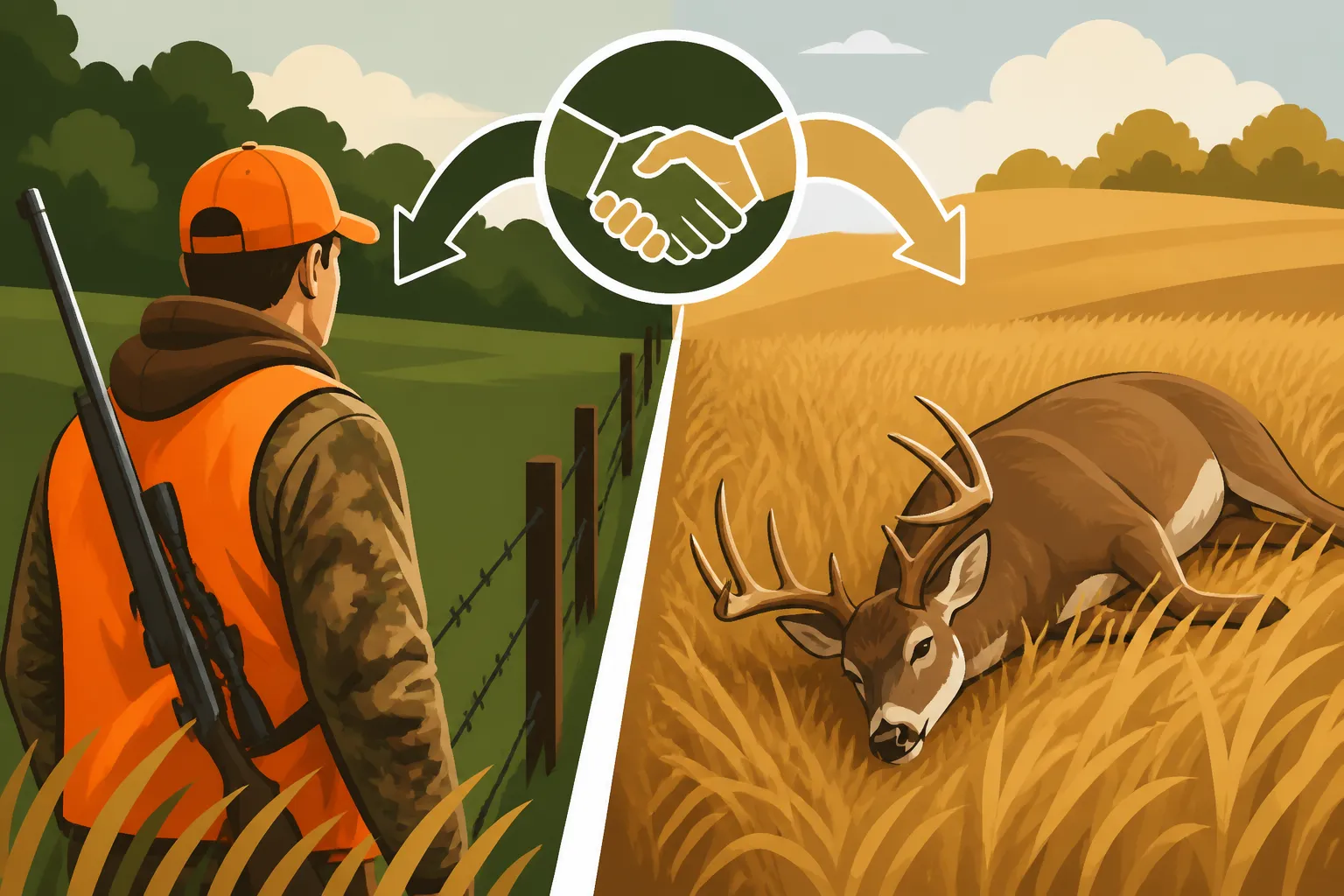
Let's cut right to the chase: In Iowa, it is illegal to trespass onto private property to retrieve downed game without the express permission of the landowner or tenant. This isn't just a suggestion; it's a legal requirement. Many hunters believe there's an implied right to retrieve game, especially a wounded animal, but Iowa law is quite clear on this point. Walking onto someone else's land, even just a few yards, to follow a blood trail or find your deer without permission is a serious violation that can lead to fines, loss of hunting privileges, and a whole lot of bad blood with your neighbors.
Iowa's Stance on Trespass for Game Recovery
The Iowa Department of Natural Resources (DNR) consistently emphasizes that hunters must obtain permission before crossing property lines. There’s no legal "right to retrieve" clause that overrides private property rights. Imagine the shoe on the other foot: how would you feel if someone walked onto your land, rifle in hand, without a word? It creates a dangerous precedent and erodes landowner trust. The law prioritizes property rights, and as hunters, it's our responsibility to respect that, no matter how frustrating the situation. This rule applies whether the property is actively being hunted by others or not.
Even if you’re certain the deer is dead just over the fence, taking that shortcut without permission is a gamble with high stakes. It can lead to charges for "Iowa Trespass Law and Posted Land" and paint all hunters in a negative light. The DNR often reiterates that contacting the landowner is the absolute first step. They don't make exceptions for the "heat of the moment" or the urgency of a recovering a wounded animal. Always err on the side of caution and prioritize gaining permission.
Hunting Adjacent to Public Lands
The rules don't change much when your deer runs from private land onto "Public Hunting Land in Iowa" or vice versa. If you’re hunting private land and your deer crosses onto a Wildlife Management Area (WMA), a State Forest, or an IHAP tract, you still need to ensure you have legal access to that specific public land for hunting. Most public lands allow hunting, but some areas might have restrictions or different season dates. The primary difference is that obtaining "permission" from the managing agency (like the Iowa DNR or a County Conservation Board) is generally not required if the land is designated for public hunting and you possess the proper licenses.
However, the reverse scenario—your deer running from public land onto private land—is where the primary challenge lies. You've been legally hunting on a WMA, and your buck heads into the timber of an adjoining farm field. That private land is still private, and permission is still paramount. Don't assume that just because it ran off public ground, you now have some special right to enter private property. Always consult a reliable mapping app like GoHunt to clearly delineate property boundaries, especially when hunting near transitions from public to private holdings. Knowing these lines before you hunt is half the battle.
Ethical Considerations and Building Good Neighbor Relations
Beyond the legal requirements, there’s a massive ethical component to recovering a deer across a property line. Iowa’s hunting culture, especially in its heavily agricultural landscape, thrives on good relationships between landowners and hunters. Burning bridges over a deer recovery can have long-lasting, negative impacts for you and other hunters in the area.
The Importance of Respect and Communication
Approach this situation with humility and respect. Landowners are doing you a favor, not fulfilling an obligation. The best way to initiate contact is in person, if feasible and safe, or with a polite phone call. Avoid texts or emails for initial contact; a personal touch goes a long way. Start by introducing yourself, explaining where you were hunting, and describing the situation clearly and calmly. Emphasize that you deeply respect their property and wouldn't consider crossing without their explicit permission.
Sometimes, landowners might have concerns about safety, crop damage, or simply don't want hunters on their property. Be prepared for any answer, even a "no." A respectful approach, even if you don't get the outcome you desire, ensures you maintain your reputation and potentially open doors for future interactions, perhaps even "Finding Private Land Access in Iowa" for future seasons. Remember, your actions reflect on all hunters. Being a good ambassador for the sport is crucial, especially in situations like these where tensions can easily rise.
Building Relationships Before the Season
The absolute best defense against this kind of situation is a good offense: building relationships with neighboring landowners before you ever step foot in a stand. If you know you'll be hunting close to a property line, take the time in the off-season to introduce yourself, explain your hunting plans, and ask them proactively what their preference would be if a deer were to cross their land. Provide your contact information and ask for theirs.
This proactive approach can make all the difference. When the stressful moment arrives, instead of making a cold call, you're calling someone you've already met and established a basic level of trust with. They'll be much more likely to grant permission, or even assist in the recovery, if they know you and understand your respectful intentions. Many successful Iowa hunters leverage tools like GoHunt to identify landowners around their hunting parcels and make those crucial connections early on. This forward-thinking can prevent a lot of headaches and heartache down the road.
Practical Steps for Recovering a Deer Across a Property Line
Okay, the deer has crossed. You've got that sinking feeling. What do you do, step-by-step, to maximize your chances of a successful and legal recovery?
Immediate Actions and Locating the Landowner
The first, most critical step is to do nothing further than observing where the deer went. Do NOT cross the property line. Mark the last spot you saw the deer or where the blood trail ended on your side of the fence. This is where a GPS device or a hunting app on your phone, like GoHunt, becomes invaluable. Pin that exact location. Now, back away from the property line.
Your next move is to identify and contact the landowner or tenant.
- Mapping Apps: This is where modern technology shines. Apps such as GoHunt, onX Hunt, or other similar platforms provide detailed parcel information, often including landowner names and sometimes even contact details. This is usually the quickest way.
- County Assessor/Recorder's Office: If a mapping app doesn't yield contact info, most Iowa county websites have public access to GIS (Geographic Information System) maps that show parcel ownership. You can find landowner names there, and then often locate phone numbers through public online directories.
- Local Knowledge: If you're hunting an area you know well, you might already know who owns the adjacent property. Ask local friends, farmers, or even other hunters in the area.
Once you have a name and number, take a deep breath before making that call. Plan what you'll say. Be polite, concise, and respectful.
Making Contact and Requesting Permission
When you make contact, clearly and politely explain the situation.
"Hello, my name is [Your Name], and I'm hunting deer on the property just north/south/east/west of your land, near [reference point like a road or landmark]. I made a shot on a deer earlier, and it appears to have run onto your property. I'm calling to respectfully request your permission to track and retrieve it. I promise to be careful, mindful of any crops or livestock, and will leave no trace."
Be prepared to answer questions. They might ask where exactly the deer went, what time you shot it, what weapon you're using, or even if you have "Iowa Hunter Education Requirements" (though this is less common). Reassure them you will not be carrying a loaded firearm if you enter their property, only a means to retrieve the animal. If they ask you to wait, respect that. They might want to join you, or have someone else check first. If they grant permission, clarify any specific instructions:
- Where can you access the property?
- Are there any areas to avoid (e.g., active livestock, sensitive areas)?
- Do they want to accompany you?
- How should you contact them once the deer is recovered?
Record this permission. A verbal agreement is generally sufficient in Iowa, but if you feel it's necessary, you can ask if they'd be willing to send a quick text confirming permission. This isn't usually required but can offer peace of mind.
Table: Navigating Deer Recovery Across Property Lines
| Action Step | Legal Requirement | Ethical Best Practice | What to Say/Do |
|---|---|---|---|
| Deer Crosses Line | Do NOT cross | Mark last known location; observe from your side | Use GPS/mapping app (e.g., GoHunt) to mark the spot. Retreat and regroup. |
| Identify Landowner | Required | Use all available resources | Consult mapping apps, county assessor websites, local contacts. Aim for a name and phone number. |
| Initial Contact | Required | Polite, respectful, clear explanation | "My name is [Your Name]. I shot a deer that ran onto your property. May I please have permission to retrieve it? I will be careful and respectful of your land." Offer to leave weapons behind. |
| Permission Granted | Proceed Legally | Clarify terms; follow instructions | Ask about access points, areas to avoid, if they wish to accompany you. Confirm contact method for post-recovery. Keep communication open. |
| Permission Denied | Do NOT proceed | Respect their decision; do not argue | "I understand. Thank you for your time." Do not attempt to recover the deer. It's a tough pill to swallow, but violating their wishes is not an option. |
| During Recovery | Stay on task | Minimize impact; stick to the trail | Go directly to the deer. Avoid wandering. If blood trailing, focus intently. Be mindful of surroundings. If with a group, ensure "Party Hunting Rules and Safe Drives" are followed. |
| After Recovery | Report Harvest | Notify landowner (if desired); thank them; leave no trace | Tag the deer immediately and "Reporting an Iowa Deer Online". Pack out all trash, blood trail markers. If possible, show gratitude, perhaps with a small gesture. |
What to Do if Permission is Denied (or Unreachable)
This is the hardest part for any hunter to accept, but it’s a reality. If you cannot reach the landowner after a reasonable effort, or if they explicitly deny permission, you absolutely cannot enter their property. Period. This is where ethics meet the hard truth of the law. As frustrating and heartbreaking as it is to know your deer is just over the line, you must respect private property rights.
If you are denied permission, do not argue, plead, or threaten. Simply thank them for their time and hang up. Attempting to strong-arm a landowner will only solidify their negative stance and potentially lead to legal trouble for you. While it's a terrible feeling, sometimes losing a deer to this circumstance is the unfortunate cost of hunting close to property boundaries. This is also a strong argument for making every effort to ensure a "Shot Placement on a Whitetail at Twenty Yards" that will drop the deer within your boundaries, or at least very close.
If you've truly exhausted all avenues to contact the landowner (multiple calls, checked with local authorities/neighbors) and it's clear they are simply unreachable, the deer is, unfortunately, unrecoverable by you. Some hunters might consider contacting the local conservation officer, but even they cannot grant you access to private land without the landowner's permission. The officer might be able to help contact the landowner, but they cannot override their decision. It’s a bitter pill, but one that must be swallowed to maintain the integrity of hunting and respect for private property.
Practicalities of the Recovery Itself
Once permission is granted, the real work begins. Your focus shifts from diplomacy to efficient and respectful recovery.
Blood Trailing and Minimizing Disturbance
Before you even step foot onto their property, ensure your weapon is unloaded and secured, especially if the landowner asked you to leave it behind. You're there to recover, not to hunt. When you begin your "Blood Trailing in Tall CRP" or timber, move slowly and deliberately. If the landowner is accompanying you, follow their lead regarding access routes and areas to avoid. Stick to the blood trail as closely as possible. Avoid wandering or exploring other parts of their property. The goal is to get in, recover the animal, and get out with minimal impact.
Bring necessary tools for a quick and clean recovery: a good headlamp if it's getting dark, flagging tape (biodegradable, or remember to remove it all), and a strong knife for field dressing. Consider the weather; if it's "Field Dressing in Warm October Weather", speed is of the essence to preserve the meat. The quicker and more efficient you are, the less of an imposition you become, and the better impression you leave. If you've been granted access but the deer isn't immediately found, you may need to discuss further tracking efforts. It's best to agree on a timeframe or a communication plan with the landowner before you start tracking.
Getting the Deer Out and Following Up
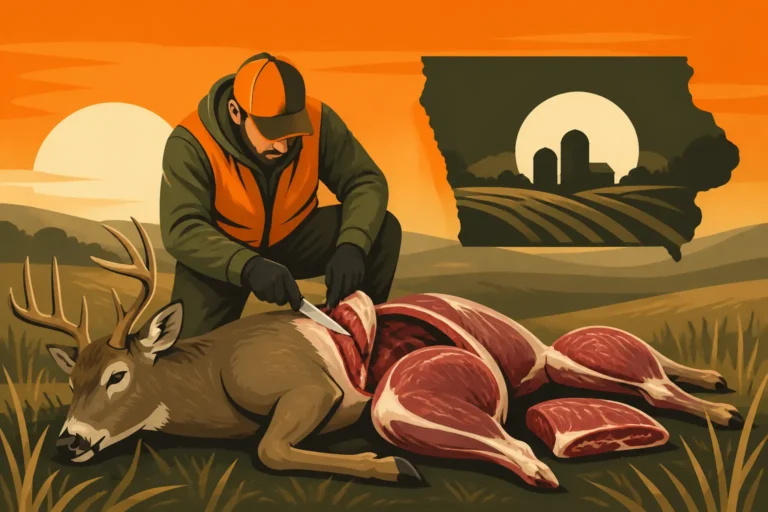
Once you locate the deer, tag it immediately according to Iowa regulations. Then, proceed with field dressing efficiently. If the landowner offered help, accept it graciously. If not, manage the process cleanly. Get the deer out of their property using the agreed-upon access point. If you brought a deer cart, that’s great, but sometimes simply dragging is the only option through thick timber or muddy fields. For large bucks in rough terrain, you might consider quartering the deer in the field to make it easier to haul out, but this should be discussed with the landowner if you anticipate being on their property for an extended period.
After the recovery, always follow up with a sincere thank you. A quick text or phone call, or even a handwritten note or a small token of appreciation, can solidify that good relationship. Leaving a clean area, picking up all your flagging tape, and being respectful of their land ensures that if another hunter, or even you, faces a similar situation in the future, the landowner will likely be more amenable. Your actions resonate beyond just your personal experience; they contribute to the broader perception of hunters in the community. Good luck, and happy hunting!
Disclaimer
This article provides general information about recovering a deer across a property line in Iowa. Hunting regulations and laws can change, and interpretations may vary. It is the individual hunter's responsibility to review the most current Iowa DNR hunting regulations and to understand and obey all applicable state and local laws. Always prioritize safety, ethics, and responsible hunting practices.