Blood Trailing in Tall CRP
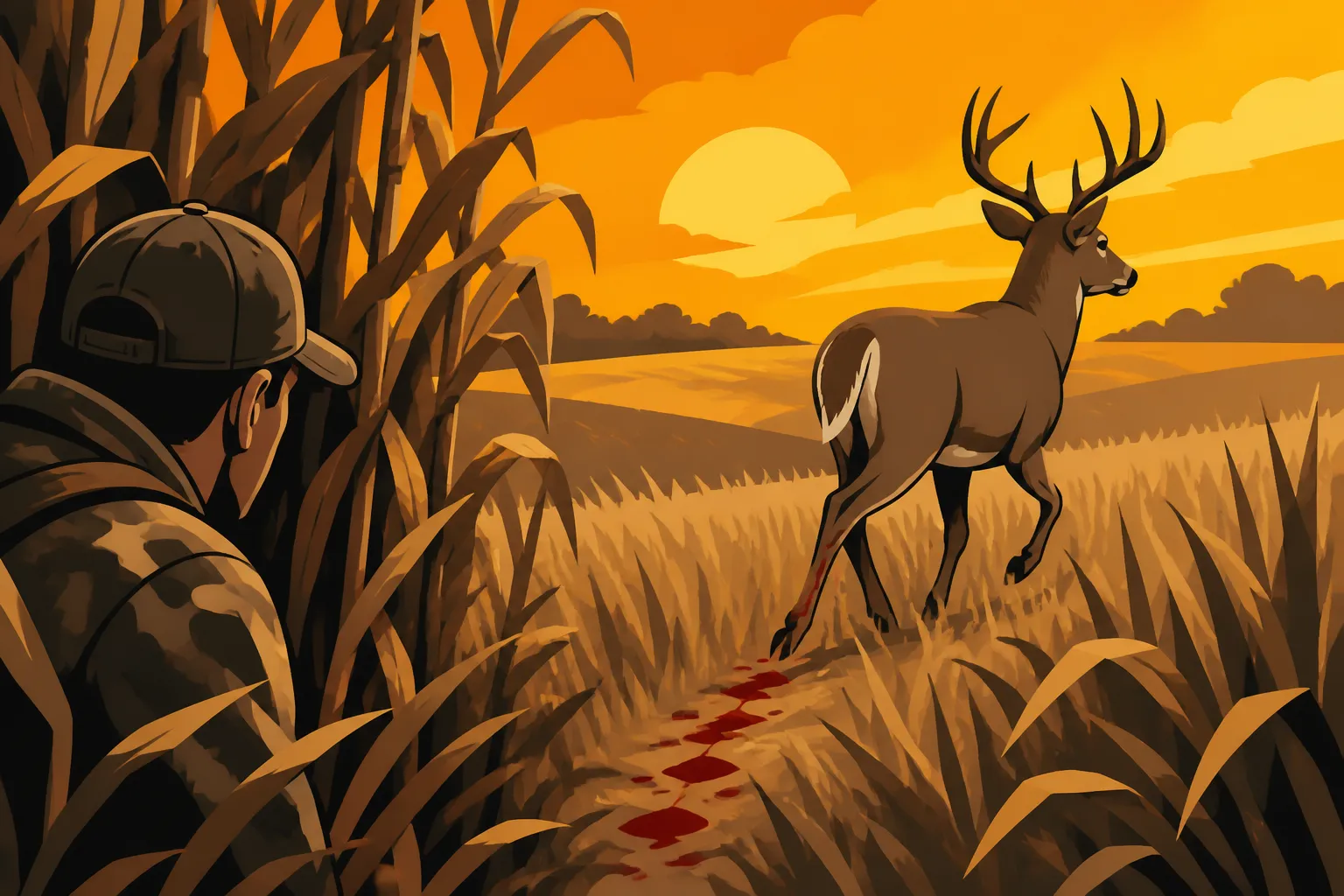
There's nothing quite as gut-wrenching as making what you think is a good shot on an Iowa whitetail, only to watch it sprint into a sea of tall, dense CRP grass, leaving you questioning everything. The initial adrenaline gives way to a creeping dread as you step into that thick cover, and the once-obvious blood trail seems to vanish into thin air. Many hunters have felt that sick feeling, the frustration of knowing a deer is down somewhere but being unable to find it. This guide is dedicated to helping you navigate the unique challenges of blood trailing in Iowa's infamous tall CRP (Conservation Reserve Program) fields, giving you the strategies and persistence needed for a successful recovery.
Understanding the Challenge of CRP for Blood Trails
Iowa's CRP fields are a blessing and a curse. They provide incredible bedding and fawning cover, helping Iowa grow those big deer we all dream about. But when it comes to tracking a wounded animal, they can quickly turn into a nightmare, testing even the most seasoned hunters' patience and skill.
Why CRP is a Tracking Nightmare
Imagine stepping into a dense jungle of switchgrass, bluestem, and native wildflowers, often chest-high or taller. This isn't your open timber floor with distinct leaves and clear dirt. CRP is a tangled, multi-layered environment where a small speck of blood can easily be absorbed by a blade of grass, obscured by thatch, or simply lost in the sheer volume of vegetation. Even a strong blood trail can look sparse because the blood spreads thinly over many stalks, rather than pooling on the ground. The constant movement of the wind through the tall grass can also make it incredibly difficult to focus your eyes, creating a disorienting effect that makes it feel like the trail is actively disappearing before you.
Furthermore, the ground beneath CRP is often a thick mat of dead vegetation and tangled roots. This means deer don't always leave clear tracks or disturbance patterns that would be visible in other cover types. Instead, they might simply push through, leaving a very subtle path that's hard to distinguish from natural animal trails or the effects of wind. This lack of clear ground sign, combined with the difficulty of spotting blood, is precisely why so many recovery efforts turn into exhaustive, frustrating searches. It's not uncommon for hunters to walk right past a downed deer in such dense cover without even realizing it.
The Psychology of a Lost Trail
When that blood trail disappears, it's easy to panic. Your mind starts racing with questions: Did I make a good shot? Is the deer going to spoil? Will I ever find it? This stress can lead to hasty decisions, like pushing too hard, too fast, or randomly wandering, which can actually make the recovery even harder. The feeling of responsibility for the animal, combined with the fear of failure, can create an overwhelming sense of urgency that clouds judgment.
It's crucial to acknowledge these feelings but not let them dictate your actions. Rushing in might bump a wounded deer that would otherwise lie down and expire quietly, pushing it deeper into the cover or onto neighboring property, making recovery exponentially more difficult. A key part of successful blood trailing in CRP is maintaining a calm, systematic approach, even when every instinct tells you to charge forward. Taking a deep breath, stepping back, and formulating a plan are vital first steps to overcoming the emotional hurdle of a lost trail. Remember, persistence and a clear head are your best tools in this challenging environment.
Pre-Shot Considerations to Minimize Tracking Woes
While blood trailing techniques are essential, the real work for a clean recovery often begins long before you even pull the trigger or release an arrow. Thinking critically about your shot and the immediate aftermath can drastically reduce the agony of a difficult CRP track.
Shot Placement and Animal Reaction
Let's be honest, we all strive for that perfect double-lung, pass-through shot. But sometimes, things don't go exactly as planned. Knowing what a good hit should look like, both in terms of impact sound and the deer's reaction, is paramount. If you hear a solid thwack and see the deer mule-kick or hunch up, that's often a good sign of a vital hit. A deer that bolts with its tail tucked or runs hard for a short distance before slowing down might indicate a liver or gut shot. Paying close attention to how the deer acts in the first few seconds after the shot can give you invaluable clues about the severity and location of the wound, which directly impacts your waiting strategy.
For bowhunters, in particular, proper Shot Placement on a Whitetail at Twenty Yards and understanding Quartering-Away Shots on Whitetails are critical. You want maximum penetration and two holes for a good blood trail, especially in dense cover. A poor angle or hitting a shoulder bone can significantly reduce the chances of a good exit wound and a strong trail. Even a slight quartering-away shot can open up the vitals beautifully for a pass-through. If you question the shot, immediately start planning for a tough track, rather than hoping for the best. Being realistic about your hit is the first step toward a successful recovery.
Waiting Periods and Their Importance
This is arguably the most difficult part of the blood trailing process, especially when the deer disappears into thick CRP. Every fiber of your being screams "Go now!" but patience is your best friend. Pushing a deer too soon, especially one with a gut or liver shot, can cause it to run for miles, making recovery nearly impossible. The deer needs time to stiffen up and expire. For a clear double-lung or heart shot, waiting 30-60 minutes might be sufficient, but in CRP, giving it more time, even up to 1-2 hours, is often safer to ensure it's truly down.
For anything less than an obvious heart/lung shot – say, a suspected liver, gut, or muscle hit – you need to extend that waiting period significantly. We're talking 4-6 hours minimum, often even longer, ideally leaving it overnight if temperatures allow. The colder the weather, the longer you can safely wait. During this time, the deer will usually bed down, and if left undisturbed, will often expire in its bed. If you bump it, however, it might get another adrenaline rush and run for another hundred yards, 200 yards, or even a quarter-mile, creating an entirely new challenge. This is precisely why the advice in Waiting Before Taking Up a Blood Trail is so critical for success. Use this time to gather your thoughts, recruit help, and develop a solid game plan.
Step-by-Step Blood Trailing Techniques in Tall CRP
Once you've made the shot and observed the waiting period, it's time to put on your detective hat. Blood trailing in CRP isn't about aimless wandering; it's about systematic, patient, and thorough searching.
Marking the Last Known Blood and Grid Searching
The moment you find the first speck of blood, whether it's where the deer was standing or a few yards into the CRP, mark it. Use flagging tape, toilet paper, an orange hat, anything bright and visible. This is your anchor point. From there, every time you find another reliable speck of blood, mark it again. This creates a visible breadcrumb trail that helps you maintain direction and easily return to the last known blood if you lose the trail. Think of it like dropping pins on a GPS for every new piece of evidence.
When the blood inevitably thins or disappears in the dense CRP, this is where the grid search comes into play. Instead of spiraling out or blindly walking forward, establish a grid. Imagine a 10×10 yard square around your last known blood. Slowly and meticulously walk back and forth within that square, eyes scanning every blade of grass, every stem, from multiple angles. Sometimes, getting low to the ground can give you a different perspective, revealing blood that was hidden from an upright view. Expand your grid incrementally if nothing turns up. This systematic approach, though slow, dramatically increases your chances of picking up the trail again, especially when the deer has simply paused or changed direction subtly within the thick cover.
Utilizing All Your Senses and Tools
While your eyes are crucial, don't forget your other senses. Your nose might pick up the faint, metallic scent of blood, especially on a still morning. Your ears might detect a rustle or the tell-tale sound of a deer struggling if it's bedded close by. But beyond senses, a few key tools can be invaluable. A powerful flashlight, even in broad daylight, can make blood drops pop, especially a good quality LED light with a "blood tracking" mode or a UV light, though UV lights can sometimes be controversial in their effectiveness depending on the blood type and environment.
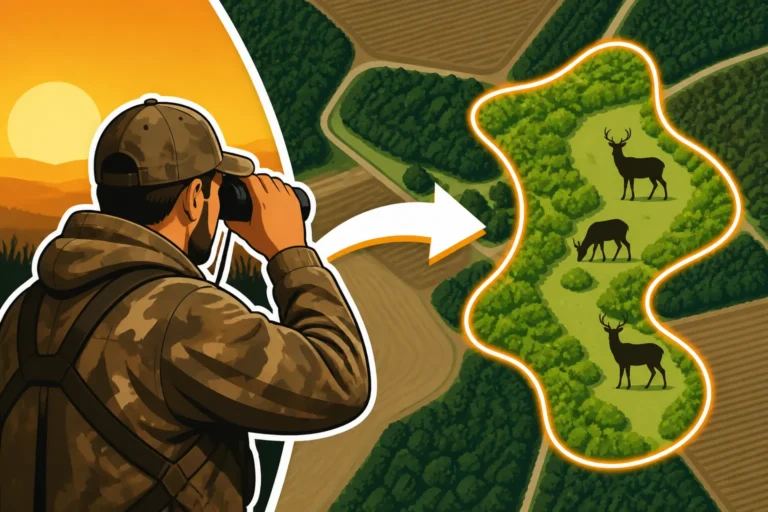
Beyond physical tools, mapping apps like GoHunt can be a game-changer. Mark your last blood, and use the aerial imagery to identify potential escape routes, thicker bedding areas (CRP Grass and Where Bucks Bed), or natural funnels the deer might have used. The ability to see property lines and topographical features on your phone can save you from accidentally trespassing and help you understand the terrain a wounded deer might instinctively seek out. Even marking the path you've already covered on your phone helps prevent wasted effort and keeps your search organized. Remember, the goal is not to randomly stumble upon the deer, but to methodically track it to its final resting place.
Involving Others for a Successful Recovery
Blood trailing in tall CRP is rarely a one-person job. More eyes on the ground can significantly improve your odds. When recruiting friends or family, assign clear roles. One person should be the designated "blood finder," focusing solely on the trail. Others can fan out on either side, perhaps 5-10 yards away, walking parallel to the blood finder, looking for tracks, disturbances, or the deer itself. This wide-net approach covers more ground efficiently.
Communication is key. If someone finds a new speck of blood or hears something, everyone needs to stop immediately. Use whistles or clear verbal commands to avoid confusion and ensure no one pushes too far ahead. Before you start, discuss a plan for what happens if the deer is found alive and still struggling. The last thing you want is a chaotic scene with multiple people converging on a wounded animal. A well-organized team, working together, is often the difference between a lost deer and a successful recovery.
Advanced Strategies and Prevention
Sometimes, even with the best intentions and most diligent efforts, the trail in CRP simply vanishes. This is where advanced strategies and a focus on prevention become critical.
The Role of Tracking Dogs in Iowa
When you've exhausted all other options, and you're confident you've given the deer enough time, a trained tracking dog can be an absolute lifesaver. Iowa law allows the use of leashed tracking dogs for trailing wounded deer. These dogs are specifically trained to follow the scent of wounded game, a scent that might be imperceptible to humans, especially in dense vegetation like CRP. Many dedicated individuals and services across Iowa specialize in this.
Before calling a dog tracker, ensure you have your exact last known blood location marked. Provide as much detail as possible about the shot, the deer's reaction, and the time elapsed. The quicker you can get a dog on the trail (after the appropriate waiting period), the better the chances of success. A good tracking dog can cut through CRP like a hot knife through butter, often finding a deer that human eyes would have walked past a dozen times. Knowing Using a Tracking Dog Legally in Iowa and having contact information for a local tracker can provide immense peace of mind.
Prevention: Scouting and Gear for Tough Tracking
The best blood trail is one you don't need to follow far. Proactive measures can drastically improve your recovery success. Before the season, spend time E-Scouting Iowa Farm Country From Home. Use mapping apps like GoHunt to identify potential bedding areas within CRP, escape routes, and how deer might move between different cover types. If you're setting up a stand near a CRP field, consider clear shooting lanes and a potential path the deer might take after the shot. Sometimes, a slightly less-than-perfect stand location that offers a clearer view of the run-off can be better than a "perfect" one that sends every deer into an impenetrable jungle.
Consider your gear too. Brightly colored fletching on your arrows makes them easier to spot, and a full pass-through arrow can often point the way to the deer. Some broadheads are known for leaving better blood trails than others, due to their cutting diameter or how they interact with tissue. While scouting, identify specific CRP fields where deer frequently bed down, which might influence your hunting strategy or stand placement. Using Trail Camera Placement on Iowa Public Land in these areas can also give you insight into deer movement patterns, helping you predict where a wounded deer might try to seek refuge. And if you're Mobile Saddle Hunting in Iowa, your elevated vantage point can offer a clearer view of the deer's initial run, providing invaluable information for the start of your track.
| Blood Trailing Stage | Key Actions in Tall CRP | Essential Tools/Tips |
|---|---|---|
| Pre-Shot | Confirm shot viability, observe deer reaction closely. | Practice shot placement, know anatomy, assess shot angle. |
| Waiting Period | Exercise extreme patience based on shot type (30 min – 12+ hrs). | Timer/watch, mental preparation, recruit help. |
| Initial Track | Mark last visible blood. Proceed slowly, mark every find. | Flagging tape, toilet paper, bright hat. |
| Lost Trail | Initiate systematic grid search around last blood. | Flashlight (LED/UV), GoHunt app for aerials & waypoints. |
| Team Tracking | Assign roles (blood finder, flankers), maintain communication. | Whistles, clear verbal commands, consistent pace. |
| Final Resort | Consider calling a certified tracking dog. | Tracker contact info, clear last known location. |
| Prevention | E-scout CRP, know deer escape routes, use bright fletching. | GoHunt app, trail cameras, appropriate broadheads. |
Losing a blood trail in the thick, unforgiving expanse of Iowa's tall CRP fields is a rite of passage for many hunters, and it’s a situation fraught with anxiety and self-doubt. But remember, a lost trail doesn't necessarily mean a lost deer. With persistence, a systematic approach, the right tools, and perhaps a little help from a furry friend, you can dramatically increase your chances of a successful recovery. Stay calm, stay methodical, and honor the animal by giving it every effort.
Disclaimer
The information provided in this article is for educational and informational purposes only and does not constitute professional advice. Hunting regulations and laws, including those pertaining to blood trailing and the use of tracking dogs, can change. Always consult the latest Iowa Department of Natural Resources (DNR) regulations and guidelines before heading afield. It is the hunter's responsibility to know and abide by all applicable local, state, and federal laws.