Blind Hunting for Turkeys With Kids
Trying to introduce kids to the magic of turkey hunting can feel like trying to herd cats in a library – the noise, the wiggles, the constant need for snacks can easily scare off even the most committed gobbler. Many parents struggle to balance the need for stillness and silence with the boundless energy of children in the woods, often leading to frustrated hunts for everyone involved. This guide is all about how to successfully use a ground blind to create a comfortable, controlled, and fun environment for hunting turkeys with your kids in Iowa, ensuring everyone has a memorable experience.
The Unique Challenges of Turkey Hunting with Little Ones
Let's be honest, hunting with kids isn't about filling your tag every single time. It's about planting seeds for a lifelong love of the outdoors, and that means managing expectations – yours and theirs. The biggest hurdles usually revolve around their natural tendencies to move, talk, and get bored.
Managing Movement and Noise
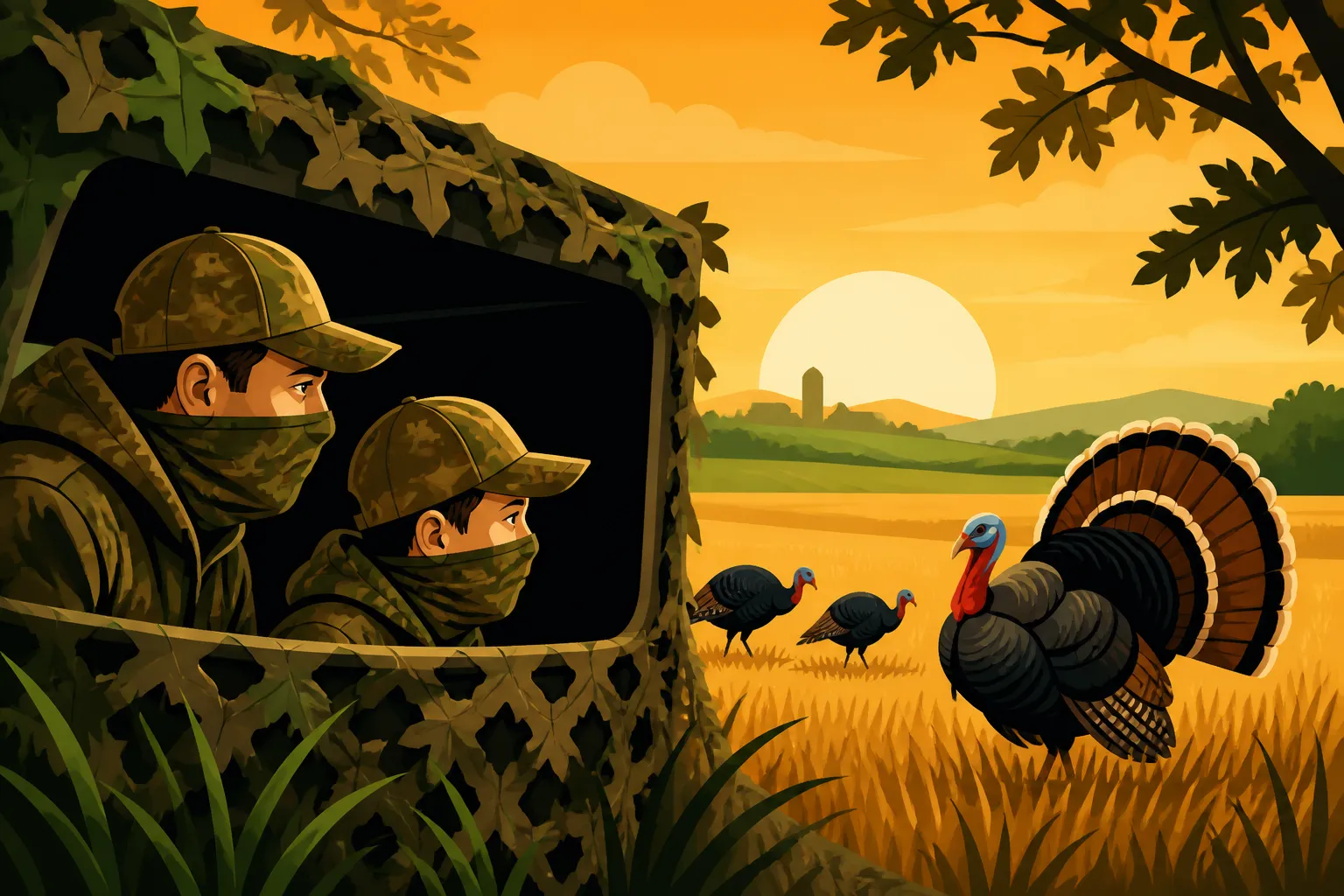
Kids are not designed for stillness. They fidget, they whisper, they might even burst into a spontaneous song about ducks. In an open-air setup, any slight movement or sound is amplified, and turkeys, with their incredible eyesight and hearing, will bust you in a heartbeat. This is where the ground blind becomes your absolute hero. The enclosed space provides a visual barrier, allowing for a certain degree of wiggling, snacking, and quiet conversation without immediately blowing your cover.
Without a blind, you're constantly shushing, whispering "don't move," and generally creating a high-stress environment that is no fun for anyone. With the blind, you can relax a bit. You can have a small cooler of snacks, a book, or even a quiet game to pass the time. The fabric walls absorb some sound and break up your outline, giving you a buffer that's simply impossible in a traditional run-and-gun setup. This freedom from constant vigilance makes a huge difference in the overall enjoyment of the hunt for both you and your young hunter.
Keeping Spirits High Through the Lull
Turkey hunting can be a game of extreme patience, often punctuated by long periods of absolute silence. An adult hunter can appreciate the nuances of the woods, the quiet anticipation, and the thrill of hearing a distant gobble. A child, however, might just experience it as "really, really boring." The infamous "lull" can be particularly brutal when you've got a restless kid by your side.
To combat this, you've got to be prepared. Inside a blind, you can have a small backpack with distractions. Think whisper-quiet activities: coloring books, a small deck of cards, a book about local wildlife, or even a tablet with a downloaded, quiet game (with headphones, of course!). These aren't just distractions; they can be educational tools. Point out birds, squirrels, or other animals moving outside the blind. Talk about the calls you're making and why. Keep the conversation light and engaging, but always ready to go silent at a moment's notice. Remember, if they're having fun, they're learning, and they're more likely to want to come back. This kind of positive reinforcement is vital for fostering a love for Iowa Turkey Hunting Tactics for Spring Gobblers.
Setting Up the Perfect Blind for Kids (and Turkeys!)
The right blind, set up in the right spot, is the foundation for a successful family turkey hunt. It's not just about hiding; it's about creating a comfortable, functional space.
Choosing the Right Blind and Location
When hunting with kids, a pop-up ground blind is almost always the way to go. Look for one that's large enough to comfortably accommodate everyone, plus gear. A 3-person blind is often a good starting point for one adult and one child, giving you a little extra elbow room. Brands like Barronett Blinds or Primos often have models with generous footprints. Consider a blind with multiple windows or mesh panels that can be adjusted for viewing and shooting lanes. The extra space prevents accidental bumps and allows for easier repositioning if a gobbler sneaks in from an unexpected direction.
Location is key, just like any turkey hunt. You want to place your blind in an area turkeys are likely to frequent, such as field edges near timber, open ridges, or even along creek bottoms. Think about where you've seen turkeys crossing, strutting, or heading to roost. Scouting is crucial. Use tools like the GoHunt app to pinpoint potential hotspots from aerial imagery, identifying pinch points or natural travel corridors that turkeys use consistently. Don't set up directly in a known strut zone if it's too open; instead, position the blind on the edge of cover, giving the gobbler a reason to come in close. Remember that Brushing In a Ground Blind is crucial to make it disappear into the landscape. Use natural vegetation to break up its outline.
Making the Blind Kid-Friendly
Once you've got your blind and location, it's time to optimize the interior for your young hunting partner. Comfort is paramount. Bring along comfortable folding chairs or even small stadium seats that keep them off the cold, damp ground. A small rug or piece of foam insulation on the floor can also make a huge difference in comfort and noise reduction.
Clear out any obstacles on the ground inside the blind to prevent trips and make it easier to move quietly. Set up designated spots for snacks, water bottles, and quiet activities. A small, soft-sided cooler can double as a footrest or an extra seat for gear. Pre-set your shooting lanes. This means opening the necessary windows and making sure there are no stray branches or leaves obstructing a clear shot. Have your kid practice looking out these lanes, identifying potential targets, and even shouldering their gun or bow (unloaded, of course!) to get a feel for the setup. Consider bringing a small portable heater on colder days, especially during Iowa's chillier spring mornings, to keep everyone toasty and comfortable, reducing complaints and increasing patience.
Calling and Decoy Strategies When Kids Are Present
Calling and decoying turkeys are an art, and when you have kids in the blind, you need to adapt your approach to maximize your chances and minimize the waiting time.
Adapting Calling Styles
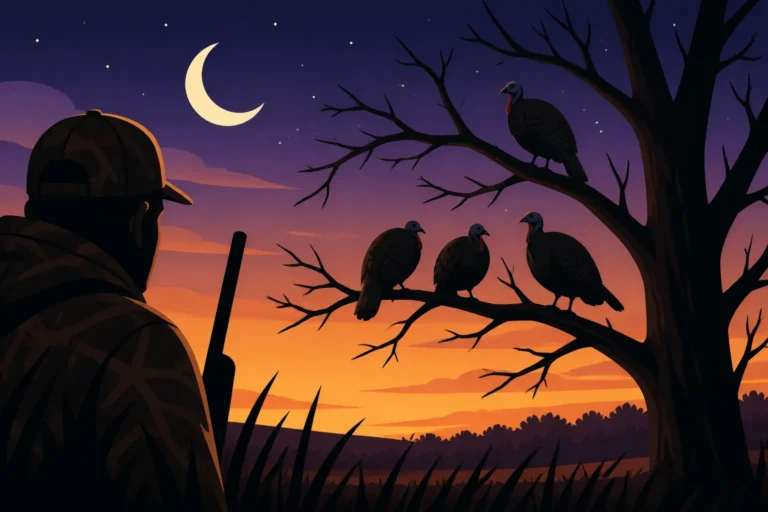
With kids in the blind, aggressive calling might not always be your best friend. A gobbler might hang up just out of range, forcing you to sit still for extended periods, which can be tough on little ones. Instead, consider a more subtle, patient approach. Start with soft tree yelps and clucks as birds are still on the roost, then transition to a series of cuts and yelps once they hit the ground. Don't overcall; let the silence work for you and let the turkeys wonder. If a gobbler is answering, mirror his intensity but don't challenge him to a gobbling contest from afar. The goal is to entice him to come find the "hen" you're imitating.
Friction calls, like slate or glass calls, are excellent for this because they offer a wide range of realistic sounds and are relatively easy to use quietly. Box calls can be a bit louder to operate, but can be very effective for reaching out on windy days. If you're using diaphragm calls, practice quietly so you don't startle your child or, worse, annoy them with constant squeaks. Teach your child simple calls, like a cluck or a purr, on a slate call. Even if they're not perfect, they'll be engaged, and who knows, sometimes a quirky sound is all it takes to pique a gobbler's interest. Remember, your objective is to make the experience enjoyable and educational, so don't be afraid to experiment and explain what you're doing. A good resource for understanding more about these nuances is Calling a Henned-Up Iowa Gobbler.
Decoy Placement for Close Shots
Decoy placement is critical, especially when you have a young hunter who might struggle with precise shot placement at longer distances. The general rule of thumb is to place your decoys within 15-20 yards of your blind, slightly off to the side of your shooting lanes. This creates a natural focal point for the gobbler, drawing him in close and presenting a broadside or slightly quartering-away shot.
Consider a simple setup: one or two hen decoys, perhaps with a jake or sub-dominant gobbler decoy. A lone hen can be very effective, especially if you want to keep the setup minimal. If you include a jake, place him slightly behind the hens, as if he's trying to impress them. Position your decoys so that an incoming gobbler will approach from your expected direction of travel, bringing him into your preferred shooting lane. For instance, if you expect birds to come from a timber edge, set your decoys so the gobbler will face the blind as he investigates. This gives you time to get your child ready and allows the bird to commit fully. Using lifelike decoys from brands like Avian-X or Dave Smith Decoys can really make a difference, as their realism helps draw in wary birds. For more detailed strategies, check out Turkey Decoy Spreads That Work.
Essential Gear and Safety Tips for Family Turkey Hunts
Bringing kids into the field means bringing extra gear and putting safety first. Being prepared ensures a smooth, enjoyable, and most importantly, safe hunting trip.
Must-Have Gear for Kids
Beyond the standard hunting gear, there are a few items that are absolute must-haves for hunting with children. First and foremost, comfortable, layered clothing is essential. Iowa weather can be unpredictable in the spring, so dress them in layers they can easily add or shed to stay comfortable. Waterproof boots are also crucial, as damp, cold feet can quickly sour a hunt.
Bring plenty of snacks and water – more than you think you'll need. Pack things that are easy to eat quietly, like granola bars, fruit snacks, or small sandwiches. A small backpack for your child to carry their own water bottle and a few snacks can also make them feel more involved. Don't forget bug spray, especially if you're hunting near water or in timber. And for those quiet moments, a small book, drawing pad, or even a toy car can be a lifesaver. Ear protection is non-negotiable, even for smaller calibers, and a comfortable pair of hearing protection muffs is a must. Lastly, consider a small, child-friendly seat or cushion inside the blind to keep them comfortable and reduce fidgeting.
Prioritizing Safety in the Field
Safety is the absolute priority when hunting with kids. Before you even head out, ensure your child has completed a hunter education course. In Iowa, specific requirements exist for youth hunters, and understanding Iowa Hunter Education and Licensing Basics is crucial. Even if they're not carrying a weapon, they need to understand firearm safety rules.
Inside the blind, establish clear safety protocols. Your child should understand where the gun is pointed at all times, that their finger stays off the trigger until they are ready to shoot, and the importance of positive target identification. Never load a firearm until a bird is in range and you're ready to shoot. Have a clear "no-shoot" zone if other hunters might be around, and always be aware of your surroundings. Emphasize that you are the primary shooter, or if they are shooting, you are right there to guide them. Ensure that everyone in the blind, especially during the Iowa gun seasons, is wearing sufficient blaze orange when entering and exiting the blind. Even if turkeys are not sensitive to orange, it's a good habit to instill for safety around other hunters. Always have a fully charged cell phone for emergencies and a basic first-aid kit on hand. Discuss a "tap" system for going silent immediately if a bird approaches, reducing the need for vocal commands.
| Blind Type | Pros | Cons | Best For |
|---|---|---|---|
| Pop-Up Ground Blind | Quick setup, portable, good concealment, spacious | Can be bulky to carry long distances, can get hot/cold | Family hunts, new hunters, extended sits, varying weather |
| Hub Style Blind | Very stable, sturdy, often larger, good in wind | Heavier, more expensive, slightly longer setup | Dedicated spots, all-day sits, multiple hunters |
| Ghillie Blanket | Lightweight, highly portable, excellent concealment | Offers minimal protection from elements, requires more stillness | Solo experienced hunters, run-and-gun tactics |
| Natural Blind | Free, blends perfectly with environment | Requires significant time/effort to build, less portable | Permanent spots, budget hunters, patient builders |
Making Memories: Beyond the Harvest
While the ultimate goal of turkey hunting is often to tag a gobbler, when you're hunting with kids, the true trophy is the experience itself. It’s about building a connection to nature and to each other.
Focusing on the Experience, Not Just the Kill
It's so easy to get caught up in the pursuit of the bird, but with kids, you have to consciously shift your focus. Celebrate the small victories: the distant gobble, the deer that walked by the blind, the sound of a woodpecker, or even just a successful quiet snack break. Point out animal tracks, interesting plants, and the sounds of the woods. Talk about how the sun rises, how the trees provide cover, and how the birds communicate.
Use the downtime to teach them about wildlife. GoHunt isn't just for scouting; it can be used to identify habitat types, track weather patterns, and even mark interesting spots like shed antlers or unique trees you find during your walks. Make it a treasure hunt for observations. If the turkeys aren't cooperating, consider a short walk (if safe and ethical for the area) to look for shed feathers or tracks. The more engaged they are with the broader natural world, the less they'll focus solely on whether a turkey comes in. Even if you don't call in a bird, the stories, the quiet moments, and the laughter shared will far outweigh a filled tag. This approach helps ensure they’ll look forward to the next hunt, even if the last one was a bust.
Instilling a Love for the Outdoors
Hunting with your kids is more than just a pastime; it's an opportunity to instill deep-seated values and a love for conservation and the natural world. Teach them about ethical hunting practices, the importance of wildlife management, and the role hunters play in funding conservation efforts. Explain why Iowa's Deer Herd Management and Harvest is so important, and how the licensing fees contribute to these efforts.
Let them help pack the blind, set up decoys, and even help clean up afterward. Give them small responsibilities. If you do harvest a bird, involve them in the field dressing process (to the extent they are comfortable) and explain the anatomy. Let them help carry out small pieces of gear. Every step of the process is a learning opportunity. The most important thing is to make it fun, positive, and memorable. If they walk away with a smile, a sense of wonder, and a desire to do it again, then you've had the most successful hunt of all. Whether it's chasing turkeys or just enjoying a morning in the woods, these shared experiences forge bonds and create memories that will last a lifetime, far beyond any specific harvest.
Disclaimer
The information provided in this guide is for general informational purposes only and does not constitute legal advice. Hunting regulations, seasons, and licensing requirements can change frequently. Always consult the official Iowa Department of Natural Resources (DNR) regulations and local ordinances before engaging in any hunting activities. Safety should always be your top priority in the field.