Walking Grass Waterways for Pheasants
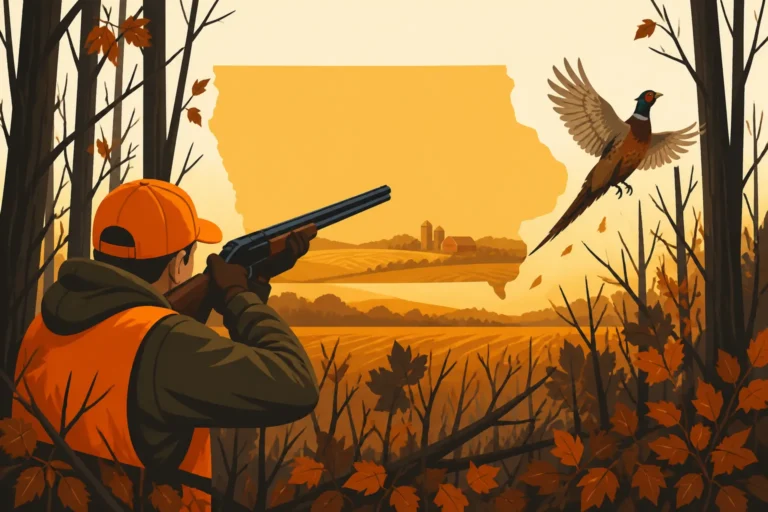
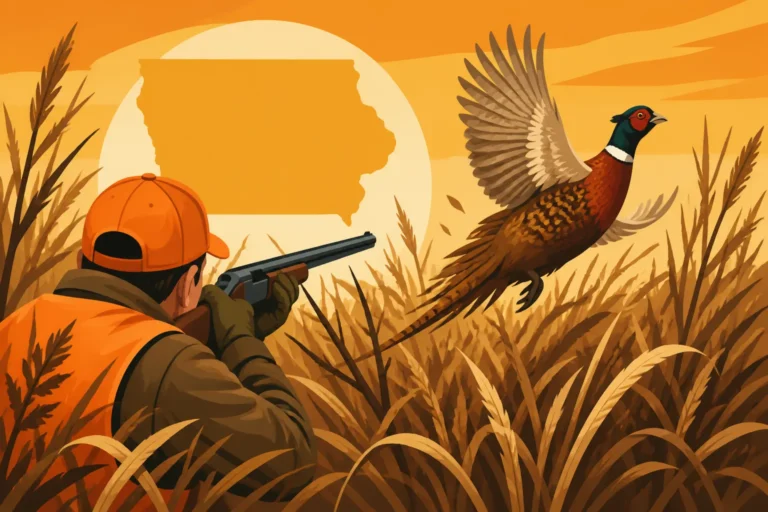
The crisp autumn air in Iowa often brings with it the familiar longing for the flush of a rooster pheasant, but finding those wily birds, especially without a trusty canine companion, can feel like an impossible task in vast crop fields. This guide is all about equipping you with the knowledge and tactics to successfully walk grass waterways for pheasants, turning those seemingly empty strips of cover into productive hunting ground.
Understanding Grass Waterways as Pheasant Cover
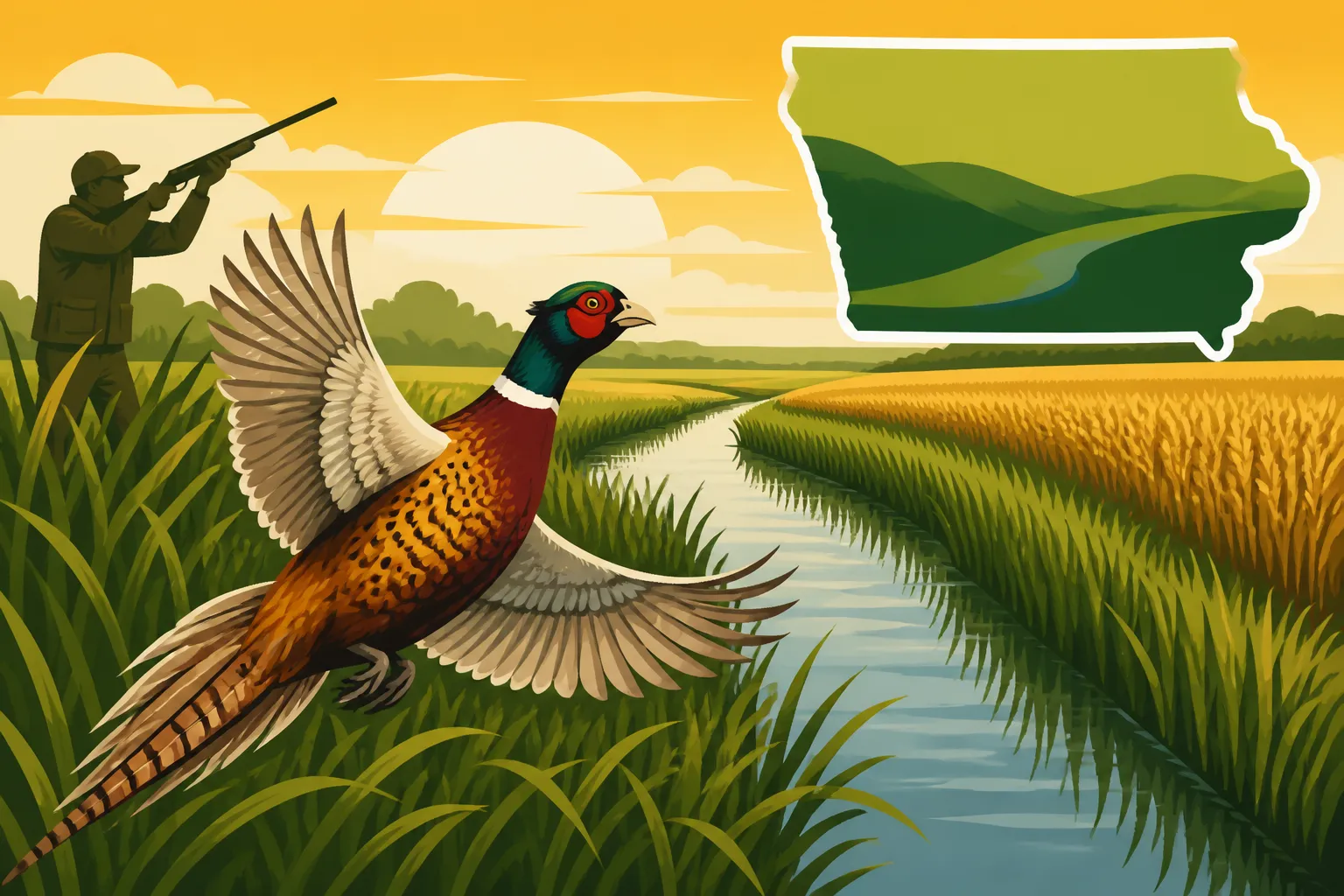
When you look across the Iowa landscape, it’s a mosaic of corn and bean fields, interspersed with timber, CRP, and those tell-tale ribbons of green: grass waterways. These aren't just for erosion control; they're vital lifelines for pheasants, offering a unique blend of protection, food, and travel corridors that are often overlooked by hunters. If you've been struggling to find birds, it might be time to start really looking at these unsung heroes of the pheasant world.
Why Waterways Attract Pheasants
Think about a pheasant's daily needs: food, water, and most importantly, cover from predators and the elements. A mature cornfield offers some cover, but it’s thin and provides little escape from a hawk or a cold north wind. CRP fields are fantastic, but they can be sprawling and challenging to hunt without a dog or a large blocking party. This is where grass waterways shine.
These strips of perennial vegetation, often a mix of cool-season grasses like brome and fescue, sometimes with a smattering of legumes or wildflowers, provide a dense, tangled canopy that pheasants adore. The grass offers excellent thermal cover, keeping them warm on frigid December mornings and cool during a surprisingly warm October afternoon. More than just shelter, these waterways often harbor insects, weed seeds, and waste grain that blows in from adjacent fields, creating an all-you-can-eat buffet. They also serve as natural highways, allowing pheasants to move unseen between different sections of cover or from a bedding area to a food source. They're like miniature, linear wildlife refuges carved right through the agricultural landscape. It’s not uncommon to jump a covey of quail or even see deer using them, making them multi-species hotspots.
Reading the Landscape for Productive Waterways
Not all waterways are created equal. Some are narrow, sparse, and offer little in the way of cover. Others are wide, overgrown, and truly hold birds. The trick is knowing how to differentiate the good from the great. When you're scouting, whether from the truck or with a mapping app, look for waterways that are:
- Wide and Dense: The wider the strip of grass, the more secure a pheasant feels. Anything less than 15-20 feet wide might hold a bird or two, but the really productive ones are often 30-50 feet across, or even wider at their mouth. Density is key; if you can see clear through the grass to the soil, it's probably not holding much. Look for tall, thick stands of grass that appear almost impenetrable.
- Connected to Other Cover: A waterway leading directly into a timber edge, a CRP field, or a thick brushy fence line is far more appealing to pheasants than one that simply dead-ends in a plowed field. These connections provide escape routes and allow birds to travel safely between different habitat types.
- Near Food Sources: While waterways themselves offer some food, proximity to picked corn or bean fields is a huge draw. Pheasants will feed in the fields and then retreat to the security of the waterway to digest, loaf, and roost.
- "Finger" Waterways: Pay special attention to waterways that branch off a main system or finger out into a field. These can often be overlooked and hold surprising numbers of birds, especially later in the season when pressure pushes them into less obvious spots.
Using mapping tools like the Using the Iowa DNR Hunter Atlas or even a commercial app like a scaled-down version of GoHunt (though that’s more for big game, the mapping principles apply!) can be incredibly helpful. Zoom in and identify these features before you even step foot in the field. Look for public land tracts on these maps that contain these kinds of features.
Here's a quick comparison of different linear covers in Iowa:
| Cover Type | Primary Benefit for Pheasants | Common Characteristics | Hunting Challenge |
|---|---|---|---|
| Grass Waterways | Dense linear cover, food, travel | Varying width, often follows contours, connects fields | Birds can run the length, requires strategic pushing |
| Fence Lines/Ditch Banks | Travel corridors, edge cover | Narrower, less dense, often brushy, good for quick flushes | Limited holding power, easy escape for birds |
| Timber Edges | Thermal cover, escape, roosting | Abrupt transition from field, often brushy undergrowth | Birds may dive into timber, difficult to retrieve |
| CRP Field Edges | Heavy cover, bedding, food | Wide, dense, large blocks, excellent holding capacity | Large areas to cover, birds can be anywhere in the depth |
Essential Tactics for Walking Waterways
So you've found a promising waterway. Now what? The beauty of hunting waterways is that they offer a defined path, which simplifies the approach compared to sprawling fields. However, pheasants are experts at using this linear cover to their advantage, often running far ahead of hunters. Successful waterway hunting requires a blend of strategy, patience, and knowing how to predict a pheasant's next move.
The Solo Hunter's Approach
Hunting pheasants alone in a waterway presents unique challenges, but it's absolutely doable and can be incredibly rewarding. The key is to minimize the bird's ability to run ahead of you.
- Walk Smart, Not Hard: Don't just plow straight down the middle. Instead, walk along one edge of the waterway, perhaps 5-10 yards into the adjacent crop stubble or field margin. This makes you appear less like a direct threat and often causes the birds to hold tighter in the heavier cover of the waterway itself. Occasionally, cut into the waterway at an angle, then back out to the edge. This unpredictable movement can make a running bird nervous and more likely to flush.
- Stop and Go: This is a classic tactic for solo hunters, and it works wonders. Walk for 30-50 yards, then suddenly stop dead still for 10-15 seconds. Pheasants are wired to react to movement. When that movement suddenly ceases, they get confused and often feel exposed, leading to a flush. Many birds are put into the air seconds after a hunter stops. Do this repeatedly down the length of the waterway.
- Circle Backs: If the waterway is fairly short or makes a bend, consider working it one way, then looping around outside of it in the field to come back the other way. Sometimes, a bird that ran ahead will circle back to where it feels safe, or you might push it from a different angle that forces a flush.
- Focus on the End: As you approach the end of a waterway, slow down and be prepared. This is where birds that have been running will often hold tighter or flush as their escape options diminish. If the waterway empties into an open field, birds might flush early. If it empties into thicker cover like timber or a large fence line, they might dive straight in. Be ready for either scenario. Remember to keep an eye on your surroundings and always be aware of the exact boundaries of where you're hunting, especially on public access areas or when using Iowa's Habitat and Access Program Explained lands.
Working Waterways with a Small Group
A small group (2-3 hunters) can be incredibly effective on waterways, as you can implement blocking and driving tactics similar to those used in larger grass strips. This significantly reduces a bird's ability to run and gives you more control over the flush.
- The "Flanker" Strategy: With two hunters, have one person walk directly down the center of the waterway, acting as the primary pusher. The second hunter walks parallel, 20-30 yards out in the adjacent field. This flanker prevents birds from peeling off the sides and running out into the open. The flanker also provides additional shooting opportunities if a bird does try to escape wide. This is a great way to replicate Blocking and Driving Iowa Grass Strips on a smaller scale.
- The "Blocker" Strategy: With three hunters, position one hunter at the far end of the waterway, ideally hidden or just outside the visible range, to act as a blocker. The other two hunters then walk the waterway as outlined in the "flanker" strategy. The blocker's role is to intercept birds that run all the way to the end, forcing them to flush back towards the drivers or straight up when they hit the end of the cover. Communicate clearly with the blocker to ensure they are in position and aware of the drivers' progress. Safety is paramount here; ensure everyone knows their shooting lanes and the location of fellow hunters. Review Iowa Blaze Orange Requirements before heading out.
- Communication is Key: Use radios or hand signals to maintain contact, especially if hunters are spread out. Knowing when to slow down, speed up, or when a bird has been spotted is crucial for success and safety.
Wind, Sun, and Your Approach
Environmental factors play a huge role in how pheasants behave and how you should approach a waterway.
- Working with the Wind: Ideally, you want to hunt into the wind. This does two things: it helps carry your scent away from the birds, making them less likely to detect you early, and it makes pheasants flush into the wind, which slows them down slightly and makes for a more predictable shot. If you're hunting with a dog, it also allows the dog to work scent more effectively. If you have to hunt with the wind at your back, be prepared for longer shots as birds will often flush faster and further ahead.
- Sun at Your Back: Whenever possible, try to keep the sun at your back, especially in the mornings or late afternoons. This puts the sun in the bird's eyes, making it harder for them to see you and giving you a clearer view of the flush. It also helps with visibility, making it easier to spot birds running ahead or marking a downed bird.
- Time of Day: Early mornings and late afternoons are prime times. Pheasants will be moving from roosting cover to feeding areas or vice versa. Midday can still be productive, especially in thick waterways, as birds will often loaf in dense cover. On colder days, they might seek out sunny, sheltered sides of the waterway to warm up. Understanding Iowa Pheasant Season Dates can help you align these tactics with legal hunting hours.
Gear and Safety Considerations for Waterway Hunting
Being prepared for a day in the field, especially when traversing varied terrain like a grass waterway, is crucial for both success and safety. It’s not just about the shotgun; it’s about the whole package – from what you wear to how you navigate the land.
Must-Have Gear for Iowa Pheasant Hunters
Pheasant hunting isn't typically extreme mountaineering, but comfortable, durable gear makes a world of difference when you're covering miles on foot.
- Durable Clothing with Blaze Orange: You'll be pushing through dense, often thorny cover. Good quality brush pants or chaps are non-negotiable to protect your legs. A tough, briar-resistant jacket is also a good idea. Crucially, ensure you have plenty of blaze orange visible from all angles. Iowa law mandates hunters wear at least one of the following when hunting upland game: a blaze orange vest, coat, jacket, or cap. This isn’t just a rule; it’s a critical safety measure, especially when hunting with others.
- Comfortable, Waterproof Boots: You'll be walking through potentially wet grass, mud, and uneven terrain. A comfortable, waterproof boot with good ankle support is essential. Slogging through wet fields with cold, damp feet is a quick way to end a hunt. Rubber boots can be excellent for keeping dry, but choose a pair that offers good comfort for walking.
- Shotgun and Ammunition: A 12 or 20 gauge shotgun is standard for pheasants. Use appropriate pheasant loads, typically 1 ¼ oz of #4, #5, or #6 shot for 12 gauge, or 1 oz of #5 or #6 for 20 gauge. Bring enough shells for the day, remembering that pheasants can be tough birds, and follow-up shots are often necessary. Practice your Shot Placement on a Whitetail at Twenty Yards if you also deer hunt, but for pheasants, it's about leading the bird correctly.
- Game Vest or Bird Bag: Once you flush and drop a rooster, you'll need a place to carry it. A game vest with a large, accessible back pocket or a bird bag that clips to your belt works well.
- Water and Snacks: Even on cooler days, walking takes energy. Stay hydrated and bring a few high-energy snacks to keep you going.
- Map and Compass/GPS: Even if you're familiar with an area, it's easy to get disoriented, especially in dense cover. A physical map or a reliable GPS app on your phone (like the Iowa DNR's Hunter Atlas, or a commercial app like onX Hunt) can help you stay on track and confirm property lines. Knowing how to use these tools is a crucial part of Scouting Iowa Public Land Before the Opener or during your hunt.
Navigating Access and Safety
Hunting grass waterways often means hunting on the edges of agricultural fields, which can sometimes be a mix of public and private ground. Navigating access and prioritizing safety are non-negotiable.
- Understanding Property Lines: Always know exactly where you are and whose land you are on. In Iowa, trespassing is taken seriously. Many waterways may be on private land where permission is required. Look for signs indicating Walk-In Only Access on IHAP Ground or other public land designations, or consult your mapping app. When in doubt, assume it's private and seek permission. A quick knock on a farmer's door can often lead to a productive, permission-granted hunt.
- Public vs. Private Land: Iowa offers many public hunting opportunities, including Wildlife Management Areas (WMAs) and IHAP (Iowa Habitat and Access Program) lands. These are clearly marked on the Iowa Public Hunting Land atlas. Be respectful of these areas and other hunters. If you're hunting private land, make sure you have explicit permission.
- Safe Shooting Practices: This cannot be stressed enough. Always be aware of your shooting lanes, what's beyond your target, and the location of any hunting partners, farm equipment, livestock, or buildings. Never shoot at low-flying birds, especially if you can't see the skyline behind them. Be mindful of houses or roads that might be over a distant hill. If you’re hunting with others, define safe shooting zones before you start walking. Every hunter should have taken an Iowa Hunter Education Requirements course.
- Respect the Landowner: If you are lucky enough to get permission to hunt private land, always leave it better than you found it. Pick up your empty shells, don't damage fences or crops, and close gates. A thank-you note or even a small gift (like some of the pheasants you harvested, if they are receptive) can go a long way in securing future access. Farmers work incredibly hard, and showing respect for their land is paramount. This includes understanding Iowa Wildlife Violation Penalties and avoiding any actions that could be misconstrued as illegal or disrespectful.
Hunting grass waterways for pheasants in Iowa is a time-honored tradition and an incredibly effective method, especially for those venturing out without a dog. By understanding why pheasants utilize these strips, employing smart hunting tactics, and prioritizing safety and respect for the land, you can dramatically increase your chances of hearing that exhilarating cackle and seeing a beautiful rooster flush.
Disclaimer
The information provided in this guide is for general informational purposes only and does not constitute legal advice. Hunting regulations and laws in Iowa are subject to change. Always consult the most current Iowa Department of Natural Resources (DNR) regulations booklet or website before engaging in any hunting activities. Ensure you have all necessary licenses and stamps, and always follow all local, state, and federal laws. Safety should always be your top priority when hunting.