Nonresident Landowners and Iowa Tags
It’s a common scenario: you’ve invested in a beautiful piece of land in Iowa, perhaps for its stunning timber, fertile fields, or just the peace and quiet. As a nonresident, you might naturally assume that owning property here would grant you automatic access to those coveted Iowa deer tags. After all, you’re investing in the state, right? Unfortunately, the reality is often a bit more complex and, frankly, can be pretty frustrating when you realize that land ownership doesn't always guarantee a deer tag in the way many hope. This guide aims to clear up the confusion surrounding nonresident landowners and their eligibility for Iowa hunting tags, helping you understand the rules, navigate the application process, and manage your expectations.
Understanding Iowa's Nonresident Landowner Deer Tag System
When it comes to deer hunting in Iowa, the state manages its robust whitetail population through a system that carefully balances resident opportunities with nonresident demand. While landowners play a crucial role in habitat and conservation, the rules for nonresidents, even those who own land, are distinct and important to understand.
The Basic Iowa Landowner Rules
First, let's briefly touch on the typical resident landowner rules to highlight the difference. For Iowa residents who own a certain amount of land (generally 40 contiguous acres or more that is agricultural land or used for hunting/recreation), they are often eligible for special landowner deer tags, which can sometimes be obtained without going through the general lottery or at a reduced cost. This is a privilege tied directly to being an Iowa resident and landowner.
For nonresidents, it's a different ballgame. Iowa's primary goal is to ensure its resident hunters have ample opportunity, and the nonresident deer draw is highly competitive. Many states offer a specific, guaranteed "landowner tag" for nonresidents. Iowa, however, does not have an equivalent guaranteed free or discounted tag simply for owning property if you reside out of state. Instead, nonresident landowners are still considered "nonresidents" in the main draw, but with a potential advantage. It's a common point of confusion and often a source of disappointment for those who purchase land with the expectation of an easy tag.
The Nonresident Landowner Preference Point Advantage
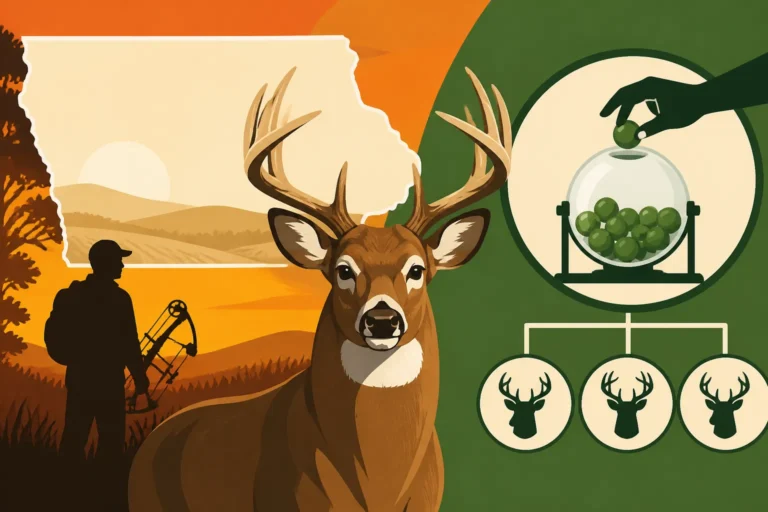
While you won't get a "free" tag as a nonresident landowner, Iowa does offer a significant benefit: an enhanced opportunity in the general nonresident deer lottery. If you own at least 80 acres of contiguous land in Iowa, you can apply for a nonresident deer license to hunt only on the land you own. Critically, this application comes with a preference point advantage that effectively improves your odds in the draw.
Think of it like this: instead of drawing from the general nonresident pool where everyone has equal odds (or odds based on their accumulated Iowa Preference Points and How They Work), as a qualifying nonresident landowner, you essentially get placed in a sub-category with better drawing odds. This is a huge deal, especially in those highly sought-after zones with tremendous trophy buck potential. It doesn't guarantee a tag every year, but it significantly tips the scales in your favor compared to non-landowning nonresidents. You're still paying the full Iowa Nonresident Deer Licence Cost if you draw, plus the Iowa Base Licence and Habitat Fee, but the increased chance is often worth it for dedicated hunters.
Specific Requirements for Nonresident Landowner Tags
To qualify for this preference point advantage as a nonresident landowner, you need to meet a few specific criteria set by the Iowa DNR:
- Acreage Requirement: You must own at least 80 contiguous acres of agricultural or hunting/recreational land in Iowa. This is a strict minimum; if your property is 79 acres, you won't qualify for the landowner advantage.
- Proof of Ownership: You'll need to provide documentation proving your ownership, typically through property tax statements or deed information. The Iowa DNR needs to verify that you are the legal owner of record.
- Primary Purpose of Land Ownership: While not explicitly defined for nonresidents in the same way as residents, the spirit of the rule implies the land should genuinely be part of your personal property and not just a speculative purchase solely to gain a hunting advantage. It generally means the land is owned for agricultural purposes, conservation, or personal recreation.
- Hunting on Your Own Land: If you successfully draw a tag under the nonresident landowner preference system, that tag is valid only for hunting on the specific 80+ acres of land you own. You cannot use this tag to hunt on other public or private lands. This is a critical limitation to be aware of.
Navigating the Application Process for Nonresident Landowners
The application process can feel a bit daunting, especially with Iowa's unique draw system and specific nonresident landowner stipulations. Getting it right is key to maximizing your chances.
Application Steps Through Go Outdoors Iowa
The Iowa Department of Natural Resources (DNR) uses the Go Outdoors Iowa platform for all license and permit applications. This is where you'll go to apply for your deer tag as a nonresident landowner.
- Create an Account: If you don't already have one, you'll need to create a profile on the Go Outdoors Iowa website. Make sure all your personal information is accurate.
- Access the Application Window: The application period for Iowa nonresident deer licenses typically runs from early May through early June. It's crucial to mark your calendar and apply within this specific Iowa's May to June Application Window. Missing this window means you forfeit your chance for the current season.
- Select License Type: When you navigate to the deer license application, you'll be prompted to select your residency status and then, if applicable, your landowner status. This is where you'll indicate that you are a nonresident landowner, triggering the preference point advantage if you meet the acreage requirements.
- Choose Zone and Season: You'll need to select the specific deer management zone where your 80+ acres are located, as well as your preferred weapon season (e.g., archery, first shotgun, second shotgun, late muzzleloader). Review the Iowa Deer Season Dates by Weapon carefully before making your choice. Certain zones and seasons are much harder to draw than others. Tools like GoHunt can be invaluable here, offering insights into historical draw odds by zone and weapon, allowing you to make an informed decision based on your property's location and your hunting preference.
- Provide Land Information: You'll likely be asked to provide specific details about your land, including county, legal description, and acreage, to verify your eligibility for the landowner preference.
It's highly recommended to go through the official Iowa DNR website or contact them directly if you have any specific questions about Applying Through Go Outdoors Iowa to ensure you're doing everything correctly.
Applying for Preference Points Versus a Tag
Understanding the preference point system is vital for all nonresident hunters, including landowners.
- Applying for a Tag: When you apply for a deer license, you're essentially putting your name in the hat for the current year's draw. If you are successful, your accumulated preference points reset to zero. If you are unsuccessful, you receive one preference point for the next year's draw. As a nonresident landowner, your preference point advantage makes drawing a tag much more likely than if you were just a general nonresident.
- Buying a Preference Point: If you know you can't hunt this year, or if you're trying to build up points for a historically difficult-to-draw zone, you can opt to purchase a preference point without applying for a tag. This ensures you gain a point for the next year without the risk of drawing a tag you can't use or losing your points. Remember, the cost for a preference point is generally the same as the application fee itself, so it's not a cheap investment, but it's a strategic one for long-term success. It's a system designed to reward persistence.
This strategic choice is particularly relevant for nonresident landowners. Given your improved odds, you might be more inclined to apply for a tag year after year, especially if you have several points built up. However, if your property is in a hyper-competitive zone, even with the landowner advantage, you might still need to build points for a few years.
Understanding Zone and Season Limitations
Iowa's deer management is highly granular, with different quotas and harvest goals for various zones across the state. This means draw odds can vary wildly from one county to the next, and even between different seasons within the same zone.
- Zone Impact: Your land's specific location within one of Iowa's deer management zones will dictate which zone you apply for. Some zones, particularly in southern Iowa known for producing monster bucks, are notoriously difficult to draw for nonresidents, even with the landowner preference. Other zones, especially those with more liberal antlerless quotas, might be easier.
- Season Impact: Archery season tags are generally the most difficult to draw for nonresidents due to their popularity and longer duration. The shotgun seasons (First and Second Shotgun) are also competitive. Late Muzzleloader season can sometimes offer slightly better odds, especially for antlerless tags.
- Antlerless Opportunities: Even if you struggle to draw an any-deer tag (allowing you to harvest a buck or doe), nonresident landowners might find it easier to secure antlerless-only tags. These are crucial for herd management, and the DNR often makes more of them available. For some, especially those looking for meat for the freezer or simply more hunting days afield, targeting Iowa January Antlerless Hunts can be a rewarding strategy that doesn't always require as many preference points.
Table: Iowa Deer Tag Eligibility & Benefits Comparison
| Feature/Category | Iowa Resident Landowner (40+ Acres) | Nonresident Landowner (80+ Acres) | General Nonresident Hunter (No Land) |
|---|---|---|---|
| Guaranteed Tag | Often eligible for 1-2 free/discounted "owner" tags (county/zone dependent) | No guaranteed free tag; preference point advantage in general draw | No guaranteed tag; relies solely on general draw odds |
| Primary Draw Access | Separate application for owner tags; general lottery for additional tags | General nonresident lottery with enhanced odds | General nonresident lottery |
| Preference Points | Generally not applicable for owner tags; accrue for general draw | Accrue points, but landowner status provides a significant advantage | Accrue points for future draws |
| Cost of Tag (if drawn) | Often free or significantly reduced for owner tags; full price for general | Full nonresident tag cost + habitat fee | Full nonresident tag cost + habitat fee |
| Where Tag is Valid | On own land for owner tags; statewide for general lottery tags | Only on the specific 80+ acres owned (if drawn via landowner pref.) | Statewide within chosen zone/season (public & private with permission) |
| Acreage Requirement | 40 contiguous acres (agricultural/recreational) | 80 contiguous acres (agricultural/recreational) | N/A |
| Application Period | Early May – Early June | Early May – Early June | Early May – Early June |
Important Considerations and Potential Pitfalls
Understanding the rules is one thing, but managing expectations and planning for different scenarios is equally important when you're a nonresident landowner in Iowa.
The "Catch" of Landowner Tags (or lack thereof for nonresidents)
The biggest misconception, as we've discussed, is that owning land as a nonresident grants an automatic deer tag. It simply doesn't. Iowa's system is designed to provide a preferential opportunity within the existing nonresident draw, not a bypass. This can be a hard pill to swallow, especially when you compare it to other states that might offer specific landowner tags for nonresidents.
You're still in a lottery, albeit one with better odds. This means there's always a chance you won't draw, no matter how many preference points you have or how long you've owned your land. The financial commitment remains substantial: you will pay the full Iowa Nonresident Deer Licence Cost plus the habitat fee, which adds up. This is a significant difference from the free or heavily discounted tags often available to resident landowners. So, while your investment in Iowa land is appreciated for its contribution to local economies and wildlife habitat, it doesn't translate to a free ride for deer tags as a nonresident hunter.
Managing Expectations and Alternative Strategies
Given the realities of the draw, it's wise to have backup plans and manage your hunting expectations.
- Don't Put All Your Eggs in One Basket: If you own land in a high-demand zone, even with the landowner preference, drawing a coveted archery or early shotgun tag can still take several points. Don't plan your entire year around the assumption you'll draw. Have other hunting opportunities lined up, either in Iowa (perhaps for other species) or in other states.
- Consider Antlerless Opportunities: If drawing an "any-deer" tag proves too difficult, remember that antlerless tags are often more readily available. This can still offer valuable time afield on your property, contribute to herd management, and fill your freezer. Look into the Iowa County Antlerless Quotas to see where opportunities are highest.
- Explore Other Species: Iowa offers fantastic hunting for other species where nonresident tags are much easier to obtain, often over the counter. Your land, especially if it has good timber, creek bottoms, or CRP fields, could be excellent for Iowa Wild Turkeys Across the State, Iowa Ring-Necked Pheasants and the Roadside Survey, or small game like rabbits and squirrels. These pursuits can provide fulfilling hunting experiences on your property even if deer tags are elusive.
Staying Informed and Legal
The hunting regulations in Iowa, like any state, can change annually. It's your responsibility as a hunter and landowner to stay current.
- Review Annual Regulations: Always download and thoroughly read the latest Iowa Hunting Regulations booklet each year. It will contain the most up-to-date information on application deadlines, tag costs, season dates, and any changes to nonresident landowner eligibility.
- Contact the Iowa DNR: If you have specific questions about your unique property or situation, the Iowa DNR wildlife bureau is your best resource. Don't rely solely on online forums or anecdotal advice. Get clarification directly from the source.
- Adherence to All Rules: Failing to adhere to all regulations, from proper application procedures to Iowa Deer Harvest Reporting Rules, can result in penalties, fines, or loss of hunting privileges. Ensure you understand all tagging requirements, transportation rules, and other legal aspects of hunting in Iowa.
By understanding these nuances, embracing the competitive nature of nonresident hunting in Iowa, and leveraging the landowner preference wisely, you can significantly improve your chances and enjoy the incredible hunting opportunities that Iowa has to offer on your own piece of paradise.
Disclaimer
Please note: The information provided in this guide is for general informational purposes only and is subject to change. Hunting regulations are complex and can be updated annually. Always consult the official Iowa Department of Natural Resources (DNR) website and the current year's hunting regulations for the most accurate and up-to-date information before making any hunting plans or applying for licenses.