EHD Outbreaks in Iowa Deer
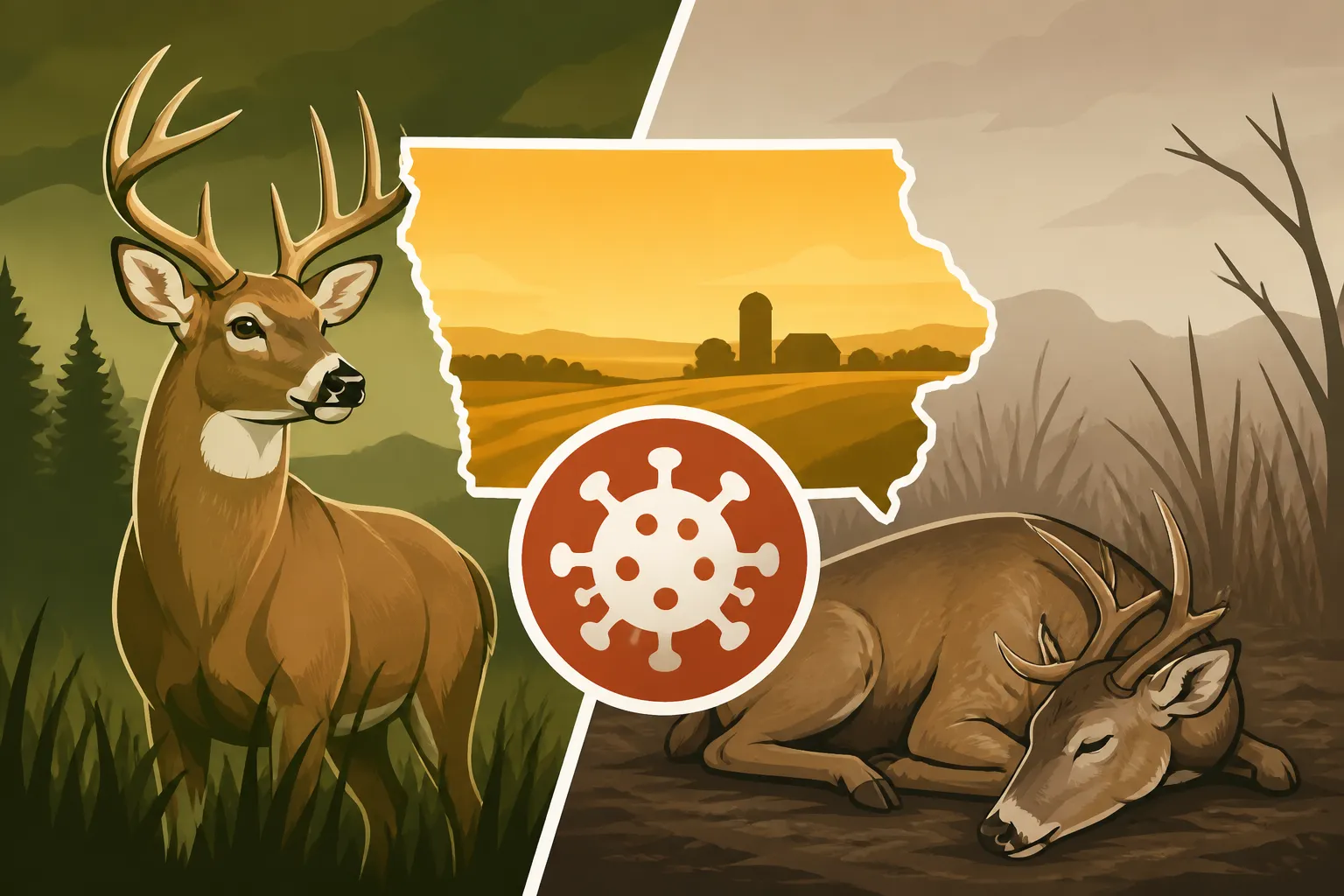
There's nothing quite like the crushing feeling of anticipation turning to concern when you start hearing whispers, or worse, seeing evidence, of deer dying off in your favorite hunting areas. For us in Iowa, that concern often comes wrapped in the acronym EHD: Epizootic Hemorrhagic Disease. It’s a gut punch, especially after we’ve spent so much time scouting and dreaming. This guide will help you understand what EHD is, how to identify it, and what it means for Iowa's deer population and your hunting plans.
What Exactly Is EHD and How Does It Spread?
When we talk about EHD, we're discussing a common, non-contagious viral disease that primarily affects white-tailed deer. It’s been around for ages, and while it often causes localized die-offs, it rarely wipes out entire regional herds. Still, seeing sick or dead deer is alarming and understanding the science behind it can help us process what's happening.
The Culprit: Epizootic Hemorrhagic Disease Virus
EHD is caused by a virus, specifically from the Orbivirus genus, which includes several strains. Deer become infected when they are bitten by tiny, infected insects. Once in the deer's bloodstream, the virus replicates and attacks the lining of blood vessels. This damage leads to internal bleeding, swelling, and fluid accumulation, which are the hallmarks of the disease. It’s not something deer can catch from each other directly, like the flu, nor can humans contract EHD. This is important to remember – you won't get EHD from handling a deer or eating venison from an animal that might have been exposed, though of course, you should never consume meat from a visibly sick animal.
The Vector: Biting Midges (No-See-Ums)
The real vectors, the carriers of this pesky virus, are tiny insects known as biting midges, or by their more descriptive nickname, "no-see-ums" (Culicoides species). These aren't your typical mosquitoes, though they share a similar thirst for blood. Midges are incredibly small, often less than 1/8th of an inch long, making them difficult to spot. They thrive in wet, muddy environments – the kind you often find around stagnant water, creek beds, and pond edges after a summer rain or during a drought when water levels drop. An infected midge bites a deer, transferring the virus. That deer then becomes a host, and if another midge bites the infected deer, it can then pick up the virus and spread it to other deer. This cycle continues, often accelerating rapidly under the right environmental conditions.
Transmission Cycle and Seasonality
The EHD transmission cycle is closely tied to the life cycle of these biting midges. Outbreaks typically begin in late summer and early fall, usually from August through October, when midge populations are at their peak and environmental conditions favor their breeding. Warm, dry spells followed by rain can create ideal breeding grounds – think of muddy lake shores, drying creek beds, or stagnant pools in timber bottoms. As temperatures drop with the onset of frost, midge activity rapidly declines, effectively halting the spread of the virus. This is why EHD is often referred to as a "frost-limited" disease; the first hard frost brings a natural end to the outbreak for the season, providing a much-needed sigh of relief for deer and hunters alike. Unfortunately, by then, the damage has often already been done.
Recognizing the Signs of EHD in Deer
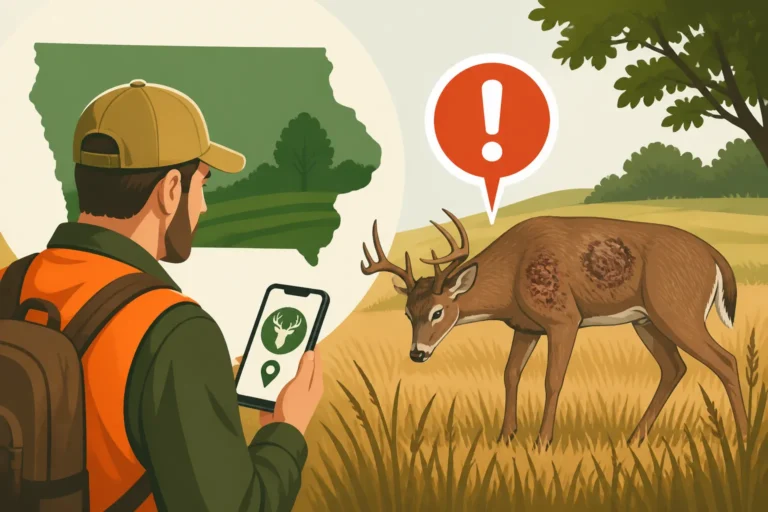
Spotting a sick deer can be disheartening, and unfortunately, by the time EHD symptoms become obvious, the disease is often well advanced. Knowing what to look for, however, can help you understand if an outbreak is occurring in your hunting area and prompt you to report it to the Iowa DNR.
Symptoms of an Infected Deer
EHD manifests in deer in a few distinct ways, depending on the severity of the infection. In its most acute form, deer can become very ill, very quickly. They might appear lethargic, weak, and disoriented. Often, they'll seek out water sources, driven by a high fever, which leads to many EHD fatalities occurring near ponds, streams, or even small puddles. You might notice excessive drooling, swelling of the head, neck, tongue, and eyelids, and a blue tinge to the tongue due to poor circulation. These deer might also have difficulty breathing, exhibit lameness, or show hemorrhages (bleeding) in the eyes or mouth. They become much less wary of humans, which is a big red flag for any wild deer.
What Dead Deer Look Like from EHD
Finding a dead deer is never a good sign, but recognizing the characteristics of an EHD fatality can distinguish it from other causes of death. As mentioned, many EHD-killed deer are found in or near water sources. This isn't just because they're seeking relief from fever; when their blood vessels are compromised, they suffer from dehydration and seek water to alleviate it. The carcasses might show signs of rapid decomposition, especially in warm weather. You might see the characteristic swelling in the head, neck, and tongue, and sometimes sloughing of the hooves, though this happens post-mortem or in deer that survive the initial acute phase. If you're on a scouting trip and find multiple dead deer exhibiting these signs in proximity, especially near water, it's a strong indicator of an EHD outbreak.
Differentiating EHD from CWD Symptoms
It’s crucial to understand that EHD is very different from Chronic Wasting Disease (CWD), another deer affliction that generates significant concern. While both can cause deer to appear sick or die, they are caused by entirely different agents and have different long-term implications for the herd. EHD is a viral disease with seasonal outbreaks that the herd can recover from. CWD, on the other hand, is a progressive, fatal neurological disease caused by a prion, and it is always fatal with no cure. CWD symptoms are slower to develop, often presenting as extreme weight loss, excessive salivation, behavioral changes, and stumbling. Unlike EHD, CWD does not cause acute swelling or rapid die-offs in a specific timeframe. If you see signs of EHD, report it, but don’t panic about CWD immediately. For more information, you can always check out resources on Chronic Wasting Disease in Iowa Deer.
Here’s a quick comparison of key symptoms:
| Symptom | Epizootic Hemorrhagic Disease (EHD) | Chronic Wasting Disease (CWD) |
|---|---|---|
| Onset | Rapid (days to weeks) | Slow (months to years) |
| Cause | Virus transmitted by biting midges | Prion (abnormal protein) |
| Seasonality | Late summer/early fall, ends with hard frost | Year-round, progressive |
| Fever | High fever common | Not typically associated with fever |
| Thirst/Salivation | Extreme thirst (seeking water), excessive drooling | Excessive salivation, "droopy" ears |
| Swelling | Head, neck, tongue, eyelids swollen | No swelling |
| Appearance | Lethargic, disoriented, weak, blue tongue | Emaciation (severe weight loss), rough coat, lowered head |
| Movement | Stiff gait, lameness, stumbling, seeking water | Stumbling, poor coordination, abnormal posture |
| Behavioral Changes | Loss of fear of humans | Repetitive movements, blank stare, listlessness |
| Prognosis | Acute forms often fatal; some deer recover | Always fatal, no recovery |
| Transmission | Indirect (via midge bites), not direct deer-to-deer | Direct and indirect (prions shed in environment, saliva) |
Factors Influencing EHD Outbreaks in Iowa
EHD outbreaks aren't random; they're heavily influenced by environmental factors, especially weather patterns. Understanding these can help predict when and where an outbreak might occur, allowing hunters and the DNR to be more vigilant.
The Role of Weather: Drought and Rain Cycles
The classic recipe for an EHD outbreak in Iowa involves a hot, dry summer, often punctuated by scattered rainfall. Why? The drought conditions cause many traditional water sources to dry up, concentrating deer around the remaining, often stagnant, water bodies. These shrinking, muddy edges are prime breeding grounds for the biting midges that transmit EHD. A few scattered rains might temporarily refill some areas, creating more shallow, muddy pools, further boosting midge populations. Then, as temperatures remain warm, the midges are active, and deer are clustered, creating a perfect storm for rapid transmission. Once widespread rains or consistently cooler temperatures arrive, midge breeding and activity dwindle, effectively stopping the spread. This is often why we see localized outbreaks that don't cover the entire state.
Water Sources and Deer Concentration
Water is key to EHD outbreaks, both for the midges and the deer. During dry periods, deer often abandon dispersed bedding and feeding areas to stay close to reliable water sources. This concentrates them in smaller geographic footprints, increasing the likelihood that they'll be bitten by infected midges. Imagine a typical Iowa timber tract with a small, intermittent creek running through it. In a normal year, deer might drink from various spots. In a drought, that creek might dwindle to a few stagnant puddles, drawing every deer in the vicinity to those few spots. These muddy, shallow areas are precisely where midges lay their eggs and emerge. It's a double whammy: more deer in one place, and more infected midges in that same place. Scouting Iowa timber and river bottoms during late summer can give you an early indication of these concentrations.
Localized vs. Widespread Outbreaks
EHD outbreaks in Iowa tend to be localized rather than state-wide epidemics. This is due to a combination of factors: the patchy nature of weather patterns (one county might be dry while another gets rain), the specific habitat requirements of the midges, and the fact that deer populations are not uniformly distributed. You might hear reports of significant deer mortality in, say, Appanoose County along a certain river system, while deer in northern Iowa counties remain largely unaffected. This localized nature can make it frustrating, as one hunter's prime area might be hit hard, while a buddy just a few miles away reports no issues. It highlights the importance of keeping an eye on local conditions and communicating with other hunters and the DNR about specific observations in your hunting zone.
Impact of EHD on Iowa's Deer Herd
While EHD is a natural part of the deer ecosystem, its impact can be significant, especially in certain years or regions. It affects not just the number of deer but also herd structure and even hunting success.
Deer Mortality Rates and Herd Health
The mortality rate from EHD can vary wildly, from a few isolated deer to significant localized die-offs. In some severe outbreak areas, especially during intense droughts, it's not uncommon to see losses of 20-30% or even higher in a very localized population. Younger deer and older deer tend to be more susceptible, and any deer that hasn't built up immunity from previous exposure. While these numbers sound high, it's important to remember that deer herds are incredibly resilient. Iowa's healthy deer population, with strong genetics and good habitat, typically bounces back fairly quickly from EHD outbreaks, often within a couple of years. The deer population estimate typically accounts for these natural fluctuations.
Short-Term Hunting Strategy Adjustments
An EHD outbreak can force hunters to rethink their immediate plans. If you've scouted a particular area that now shows signs of a die-off – multiple dead deer, sick deer, or reports from the DNR – it's often wise to adjust your strategy. First, it's generally recommended not to hunt intensely in areas heavily impacted by EHD for a season or two. This allows the local deer population to recover. You might need to shift your focus to other areas, perhaps public land that wasn't affected, or explore new private land opportunities. Tools like the Iowa DNR Hunter Atlas and applications like GoHunt can be invaluable for identifying alternative hunting areas, especially during unforeseen events like an EHD outbreak. Consider shifting from areas with abundant water sources to higher, drier ground, at least initially.
Long-Term Recovery and Management
In the long term, Iowa’s deer herd has proven its ability to recover from EHD. The DNR monitors outbreaks closely, using hunter reports and field observations. If an area is severely impacted, they may adjust antlerless tag quotas in subsequent years to allow the local population to rebuild. For instance, if a specific county in southern Iowa saw a significant EHD event, the DNR might reduce the number of Iowa Antlerless Quota by County available for that area for the next season. This adaptive management helps ensure the sustainability of the herd. For hunters, it often means being patient and supporting these management efforts, knowing that a healthy herd today means better hunting tomorrow.
What Hunters Can Do During and After an EHD Outbreak
As hunters, we're on the front lines, often the first to notice changes in the deer herd. Our active participation is vital in helping the DNR monitor and manage EHD outbreaks.
Reporting Sick or Dead Deer to the Iowa DNR
The single most important thing you can do if you encounter sick or dead deer suspected of EHD is to report it to the Iowa Department of Natural Resources. Don't assume someone else has already done it. Your report provides crucial data points that help the DNR track the spread and severity of outbreaks. When reporting, try to provide as much detail as possible: the exact location (GPS coordinates are best), the number of deer, their condition (sick vs. dead), and any visible symptoms. You can typically find reporting contacts on the Iowa DNR website or by calling your local conservation officer. Knowing how to report a sick deer in Iowa is a critical responsibility for every hunter.
Safe Handling of Carcasses and Meat
While EHD does not affect humans, and it's not contagious in the way CWD is, practicing safe handling procedures for any wild game is always wise. If you find a deer carcass suspected of EHD, avoid direct contact without gloves. If you harvest a deer that shows any signs of illness, it's best to err on the side of caution and not consume the meat. The same goes for any deer that appears emaciated or off-color. For a healthy-looking deer, normal field dressing and meat processing practices are sufficient. Always wear gloves, and wash your hands and tools thoroughly afterward. Remember, EHD causes high fever and internal hemorrhaging, which makes the meat of an infected animal undesirable, even if not directly harmful.
Adjusting Your Hunting Mindset and Locations
An EHD outbreak can be a real mental hurdle, especially if it hits your favorite hunting grounds. It's easy to get discouraged. However, it's an opportunity to learn more about deer biology and adapt your strategies. As mentioned, consider shifting your focus. If you're used to hunting creek bottoms, maybe this is the year to explore higher timber points between two fields or saddles and benches deer cross daily. Utilize detailed mapping tools and aerial imagery to identify areas with similar habitat but different water sources, or those that might have been less impacted. Think about areas with diverse food plots or more widespread water options. This adaptability is what makes us effective hunters, even when faced with natural challenges.
The Iowa DNR's Response and Monitoring Efforts
The Iowa DNR plays a crucial role in understanding and responding to EHD outbreaks, working to ensure the long-term health of our deer herd. Their efforts are data-driven and rely heavily on public cooperation.
Surveillance and Data Collection
The Iowa DNR maintains an active surveillance program for EHD. They rely heavily on reports from landowners and hunters who encounter sick or dead deer. These reports, combined with their own field observations, allow them to map the extent and intensity of outbreaks. They collect samples from deer, particularly those found dead or showing symptoms, to confirm EHD and monitor specific strains of the virus. This data is vital for understanding disease trends, predicting potential future impacts, and informing management decisions. They also track overall deer harvest totals by season to compare with previous years, looking for any anomalous drops that might indicate widespread disease.
Adaptive Management Strategies
Based on the surveillance data, the DNR employs adaptive management strategies to help the deer herd recover. If an area experiences a significant EHD die-off, they may temporarily reduce the number of antlerless tags available for that county in the following seasons. This reduces overall harvest pressure and allows the population, particularly the doe segment critical for reproduction, to rebound more quickly. Conversely, if an area shows rapid recovery, tag quotas might return to normal. This flexible approach ensures that the herd is managed sustainably, balancing hunting opportunities with conservation goals. It's a continuous process of observation, assessment, and adjustment, all designed to maintain Iowa's reputation for healthy, robust deer populations. Their regular Iowa Deer Herd Management and Harvest reports often discuss these factors.
Public Communication and Education
A key part of the DNR's response is keeping the public informed. They regularly update their website with information on EHD, including maps of reported outbreaks, symptoms to watch for, and how to report sightings. They also issue press releases and communicate with local media, especially when significant outbreaks occur. This public education is essential, as it empowers hunters and landowners to be active participants in monitoring and managing the disease. Understanding the "why" behind their recommendations, like adjusting tag numbers, helps build trust and cooperation, which is paramount for effective wildlife management.
Disclaimer
The information provided in this article is for general guidance and informational purposes only. Always consult the official Iowa Department of Natural Resources regulations and guidelines for the most accurate and up-to-date hunting laws, season dates, and disease reporting protocols. Wildlife diseases can be complex, and local conditions may vary.