Doe Harvest and Iowa Herd Balance
It’s a tale as old as time for Iowa deer hunters: one year, you’re seeing deer everywhere, almost to the point of being a nuisance, and the next, it feels like they’ve all vanished. This rollercoaster of perception can lead to a lot of confusion and frustration about why the Iowa DNR makes the regulations it does, especially concerning antlerless deer. This guide aims to pull back the curtain on the critical role of doe harvest in Iowa, explaining how these management strategies maintain a healthy, balanced deer herd and ensure quality hunting opportunities for years to come.
Understanding Iowa's Deer Management Philosophy
When you’re out in the timber or glassing a bean field, it’s easy to get caught up in the moment, focusing on that one big buck or simply the deer right in front of you. But the Iowa Department of Natural Resources (DNR) is playing a much longer game, managing the entire whitetail herd across the state with a complex strategy that goes far beyond just trophy hunting. Their philosophy isn't just about maximizing deer numbers; it's about optimizing the health of the deer and the habitats they rely on, which ultimately benefits us, the hunters, and the state's residents as a whole.
The Goal: Healthy Herds, Balanced Ecosystems
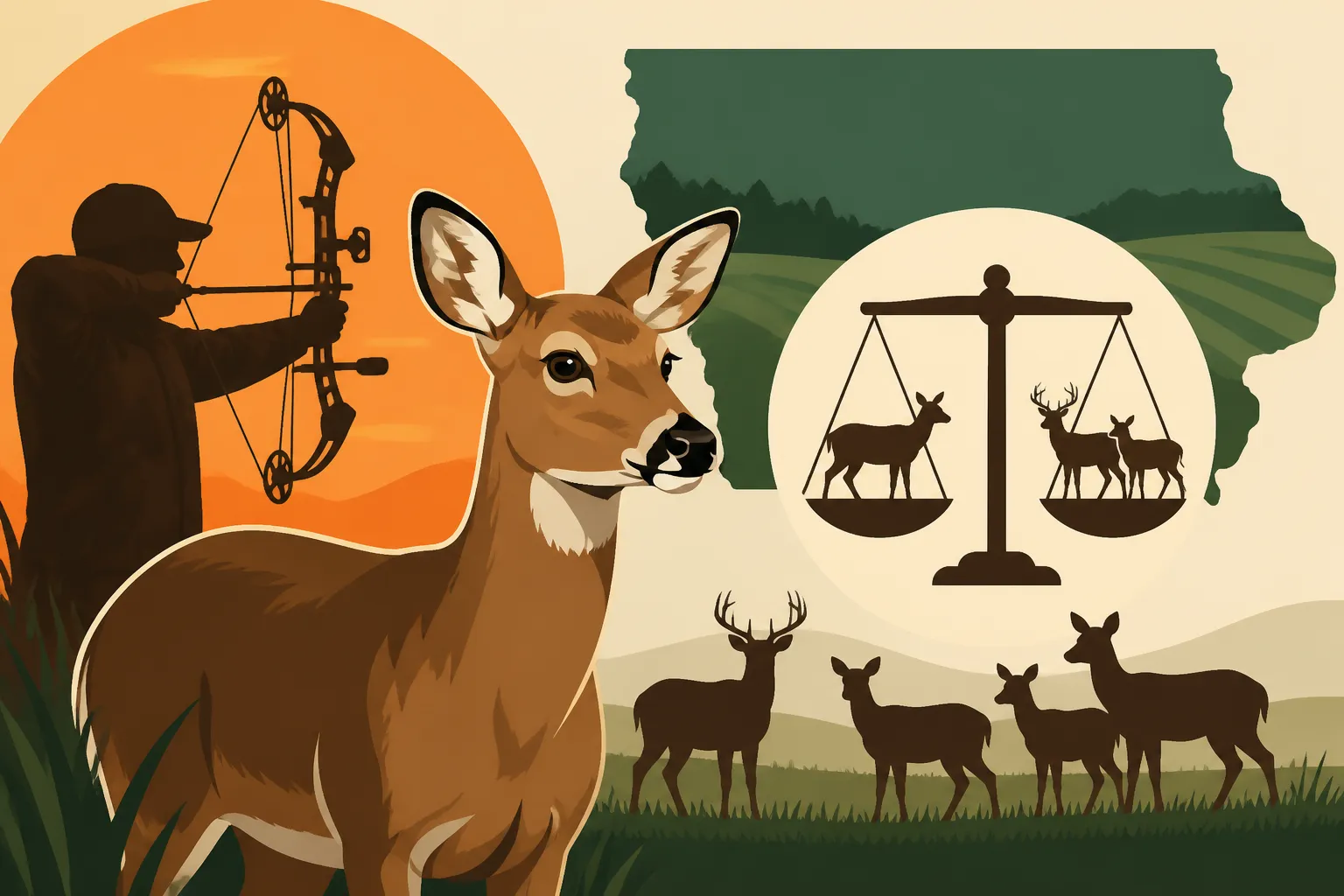
The DNR's primary objective is to maintain a deer population that is in balance with its habitat. What does that really mean? It means ensuring there are enough deer to provide excellent hunting and wildlife viewing opportunities, but not so many that they cause excessive crop damage, increase deer-vehicle collisions, or negatively impact forest regeneration and plant diversity. It’s a delicate tightrope walk, and factors like harsh winters, disease outbreaks, and habitat changes can make that balance shift quickly. Sometimes, hunters might wonder why certain counties have higher quotas when they feel like deer numbers are low, but the DNR is looking at the bigger picture, considering data from countless sources to make these tough decisions. For a deeper understanding of these overarching strategies, check out our piece on Iowa Deer Herd Management and Harvest.
Think about it this way: if you have too many deer for the available food and cover, every deer suffers. They become smaller, less healthy, and more susceptible to disease. The habitat also takes a beating, as deer browse heavily on young trees and other vegetation, which can prevent forests from regenerating and reduce food sources for other wildlife. A truly healthy herd isn't just about big antlers; it's about animals that are robust, disease-resistant, and reproducing at a sustainable rate. This holistic approach ensures that Iowa remains a premier destination for whitetail hunting while also protecting its natural resources.
DNR's Data-Driven Approach
You might sometimes hear hunters grumble about the DNR making decisions from an office, far removed from the actual fields and timber. But the truth is, the DNR relies on an impressive array of data points to inform their management decisions. They’re not just guessing; they’re analyzing everything from hunter harvest reports (which is why it’s so crucial to report your deer!), long-term trend data, road-kill statistics, and aerial surveys to track deer density. They also incorporate valuable input from farmers, landowners, and hunters themselves through various surveys and public meetings.
For instance, after shotgun seasons, DNR staff might perform aerial surveys in certain regions, especially those with good snow cover, to get a visual count of deer in concentrated areas. This kind of firsthand observation, combined with the hard data from tag sales and harvest numbers, gives them a remarkably detailed picture of the herd's status down to the county level. Tools like GoHunt can also provide hunters with historical harvest data and public land information, which, while not directly influencing DNR decisions, can help hunters understand regional trends. This data helps the DNR fine-tune things like Iowa Antlerless Tags and Quotas year after year, ensuring that management efforts are targeted and effective, even if it feels counterintuitive in a particular localized spot you hunt.
The Critical Role of Doe Harvest
Let's face it, most hunters dream of tagging a mature buck with a heavy rack. That's the allure, the challenge, the image we often see glorified. But if you're serious about contributing to a healthy deer population and ensuring those big bucks continue to thrive, understanding and participating in doe harvest is absolutely essential. It's not the glamorous part of deer hunting, but it's arguably the most impactful for long-term herd health.
Controlling Population Growth
Whitetail deer are incredibly prolific breeders. A healthy doe can produce twins, and sometimes even triplets, year after year once she reaches maturity. If left unchecked, a deer population can explode in just a few seasons. While this might sound great to some hunters ("more deer!"), it quickly leads to an unsustainable situation. Too many deer mean too much pressure on food sources, which leads to malnourished animals, increased susceptibility to disease like EHD or CWD, and a greater risk of large-scale die-offs.
By harvesting antlerless deer, hunters directly help to curb this exponential growth. Think of it as preventative medicine for the herd. When you remove a doe, you're not just taking one deer out of the population; you're also preventing her, and potentially her offspring, from contributing to the population in future years. This is especially true for mature does, who are often the most productive breeders in their Doe Family Groups and Bedding. This targeted removal ensures that the available resources can support the remaining deer, leading to stronger, healthier animals across the board. It's a way for hunters to directly participate in keeping nature's balance in check, even if it doesn't come with the same bragging rights as a ten-pointer.
Improving Herd Health and Quality
Beyond just controlling numbers, doe harvest plays a significant role in improving the overall health and quality of the deer herd. When deer populations are too high, competition for food and cover intensifies. This can lead to stunted growth, smaller body sizes, and reduced antler development in bucks. Essentially, the deer are constantly under stress, and their bodies prioritize survival over growing impressive racks.
By reducing the doe population to a more manageable level, the remaining deer have access to better nutrition. This improved diet translates directly into healthier fawns, stronger yearlings, and bucks that have the resources to grow larger bodies and bigger antlers. It also helps to distribute the deer more evenly across the landscape, reducing localized over-browsing and allowing the habitat to recover. When you choose to take an antlerless deer, you're making an investment in the future of the herd, directly contributing to the conditions that allow Iowa to produce those impressive Boone and Crockett animals it's famous for. It’s a subtle but powerful way to ensure Iowa maintains its reputation for robust whitetails.
The Mechanics of Iowa's Antlerless Quotas
One of the most common questions hunters have is, "How does Iowa decide how many doe tags to issue, and where?" It’s not a random process, and it definitely causes a lot of head-scratching sometimes, especially when you feel like deer numbers are different than what the tag numbers suggest in your hunting area. Iowa's system is highly localized, designed to respond to specific conditions in different parts of the state.
County-Specific Tag Allocations
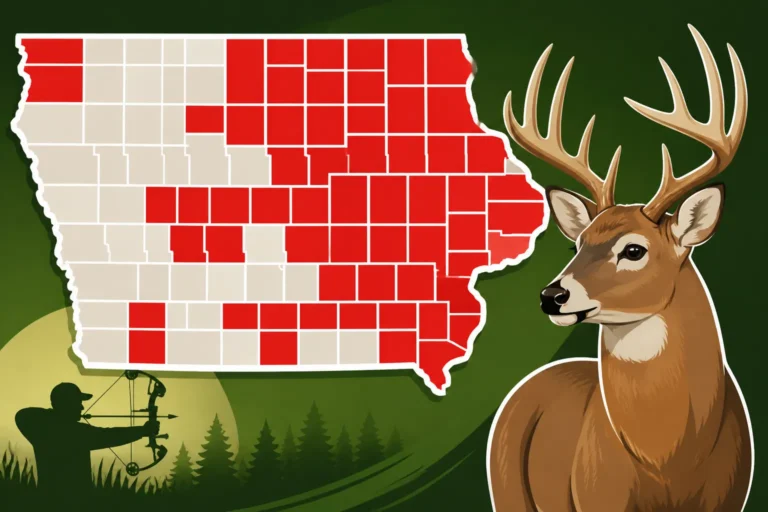
Iowa employs a county-specific antlerless tag system, meaning the number of doe tags available varies significantly from one county to another. This approach allows the DNR to address localized population issues, increasing harvest pressure in areas with high deer densities or significant agricultural damage, and reducing it where populations might be stable or even struggling. For instance, a county with vast agricultural fields and limited timber might have a higher antlerless quota due to crop damage concerns, whereas a heavily timbered county with fewer damage complaints might have a more conservative quota. You can often find these breakdowns on the Iowa DNR website or through platforms like GoHunt, which consolidate public land and regulation details.
Hunters often express frustration when they see plenty of deer on their property but can't get an antlerless tag, while a neighboring county has tags galore. This discrepancy typically stems from these localized management goals. The DNR reviews data for each county individually, often in collaboration with local wildlife biologists and conservation officers, to determine the appropriate number of tags. This ensures that the overall state herd is managed effectively, even if it sometimes means tighter restrictions in specific areas. Understanding How Iowa Sets County Doe Quotas can help demystify these decisions.
Factors Influencing Quota Decisions
The decision-making process for setting antlerless quotas is complex, pulling from a variety of data sources and considerations. As mentioned earlier, harvest data, roadkill reports, and aerial surveys are crucial. But the DNR also weighs other significant factors, including:
- Public Opinion and Landowner Input: Farmers and landowners experiencing crop damage or concerns about deer numbers often provide valuable feedback that directly influences quota adjustments.
- Deer-Vehicle Collisions: High rates of deer hitting cars in a particular area can indicate an overpopulation issue and prompt an increase in antlerless tags.
- Habitat Health: Areas showing signs of over-browsing or reduced plant diversity might see increased doe harvest recommendations to alleviate pressure on the ecosystem.
- Disease Prevalence: In areas where Chronic Wasting Disease (CWD) or Epizootic Hemorrhagic Disease (EHD) are present, targeted antlerless harvest can sometimes be used as a tool to help control population density and potentially slow disease transmission.
- Winter Severity: After a particularly harsh winter, the DNR might reduce antlerless quotas to allow the herd to rebound, as natural mortality would have already taken a toll.
This blend of scientific data and real-world impact helps the DNR make informed decisions. Hunters can access information about current quotas and available tags on the Iowa DNR website, which is often updated in real-time as tags sell out. Planning ahead for your preferred county and understanding When Iowa Antlerless Tags Sell Out is crucial, as some high-demand county tags can disappear quickly.
Here's a simplified look at how Iowa's antlerless tags might compare across different regions and seasons:
| Region of Iowa | General Doe Population Trend (Current) | Typical Antlerless Quota (per county) | Ease of Obtaining Tag | Primary Factors for Quota |
|---|---|---|---|---|
| Southern Iowa | Moderate to High | Moderate to High | Moderate | Crop Damage, Habitat |
| Central Iowa | Moderate | Moderate | Moderate | Road Collisions, Urban |
| Northeast Iowa | Moderate | Moderate to Low | Moderate to Easy | Timber Health, Recreation |
| Western Iowa Loess Hills | Moderate to Low | Low | Harder | Habitat Preservation |
| Northwestern Iowa | High (localized) | High | Easy | Crop Damage, Expansion |
Note: This table is a generalization and actual quotas vary greatly year-to-year and county-by-county. Always check the official Iowa DNR regulations for the most current information.
Hunter Participation and Ethical Considerations
While the DNR sets the framework, the actual implementation of doe harvest falls squarely on the shoulders of Iowa's hunters. Your choices in the field directly impact the success of these management efforts. This responsibility comes with both opportunities and ethical considerations that every hunter should reflect upon.
Making the Decision to Harvest a Doe
For many hunters, especially those new to deer management or coming from areas with different regulations, actively targeting and harvesting a doe can feel different. You might be conditioned to only look for bucks, or perhaps feel that "one more deer" isn't necessary. However, if your county has antlerless tags available and the DNR is encouraging doe harvest, then taking an antlerless deer is one of the most direct ways you can contribute to a healthier, more balanced herd. It’s an act of stewardship.
When you're out there, consider the benefits: you're providing high-quality protein for your family, contributing to scientific data through harvest reporting, and directly helping manage the local deer population. If you’re hunting with a group during the shotgun season, remember that Iowa Party Hunting Rules allow for a collaborative approach to meeting herd management goals. Don't feel guilty about harvesting a doe, especially if the population in your area can support it. It's not just about filling your freezer; it's about being an active participant in conservation. Using resources like GoHunt to scout areas with high deer density can help you strategically decide where to focus your antlerless harvest efforts, especially on larger tracts of public land.
Maximizing Your Impact for Herd Health
If you've decided to participate in doe harvest, there are ways to maximize your impact on herd health. While any doe harvest helps, some strategies are more effective than others for meeting management objectives. For instance, focusing on mature does, particularly those that are likely still actively breeding, can have a greater impact on population reduction than harvesting younger does. This helps reduce the number of future fawns produced.
Another approach is to target areas where deer populations are visibly higher, or where you've noticed increased browsing pressure on vegetation. These are often indicators of localized overpopulation. By taking antlerless deer in these specific spots, you’re directly addressing an ecological imbalance. Of course, always remember to accurately report your harvest; this data is vital for the DNR to track Iowa Antlerless Harvest Numbers and adjust future quotas. Every reported deer, whether buck or doe, contributes to a more informed management strategy. If you've filled your initial tag, remember that in some counties, depending on availability, Buying a Second Iowa Antlerless Tag might be an option to further contribute to local herd management goals.
Benefits of a Balanced Deer Herd
When the DNR’s deer management strategies, including robust doe harvest, are successful, the benefits ripple out far beyond just the deer themselves. A balanced herd contributes to a healthier environment for countless other species, reduces economic burdens, and ultimately provides a more sustainable and enjoyable hunting experience for everyone involved. It’s a win-win scenario, even if it requires hunters to sometimes shift their focus from exclusively targeting antlers.
Reduced Crop Damage and Vehicle Collisions
One of the most immediate and tangible benefits of a well-managed deer herd is the reduction in human-deer conflicts. When deer populations become too high, they inevitably seek food sources in agricultural fields. Farmers across Iowa experience significant financial losses each year due to deer consuming corn, soybeans, and other crops. A balanced herd, kept within the carrying capacity of the land, means less pressure on these crops, translating into fewer complaints and less economic impact for the state's vital agricultural sector.
Similarly, deer-vehicle collisions are a serious concern, posing risks to human safety and property. High deer densities correlate directly with a greater incidence of these accidents, particularly during rutting season when deer are most active and distracted. By carefully managing doe populations through harvest, the DNR helps to keep deer numbers at levels where they are less likely to cross busy roads in such high concentrations, thus making our highways safer for everyone. This benefit often gets overlooked, but it's a huge positive for the non-hunting public as well.
Enhanced Hunting Quality for Future Generations
Ultimately, a balanced deer herd leads to a higher quality hunting experience. It might seem counterintuitive to some that reducing deer numbers (via doe harvest) leads to better hunting, but it truly does. When deer have ample food and less competition, they are healthier, grow larger bodies, and bucks develop bigger, more impressive antlers. This means that hunters are more likely to encounter mature, high-quality animals, rather than an abundance of small, unhealthy deer. If you're interested in how Iowa manages its population to produce impressive trophies, take a look at our article on Iowa Deer Herd Numbers by County.
Furthermore, a healthy habitat supports a greater diversity of wildlife, making a day in the field a richer experience beyond just deer hunting. From songbirds to small game, a balanced ecosystem thrives. By participating in doe harvest, you're not just taking a deer today; you're making a direct investment in the future of Iowa hunting. You're helping to ensure that your children and grandchildren will have the same, if not better, opportunities to pursue healthy, vibrant whitetail deer. It's an act of true conservation, ensuring the legacy of hunting continues to flourish in our great state. If you’re getting started in hunting, remember to review Iowa Hunter Education and Licensing Basics to ensure you're prepared.
Disclaimer
Hunting regulations and deer management strategies can change. Always consult the official Iowa Department of Natural Resources (DNR) website or the current Iowa hunting regulations booklet for the most up-to-date and accurate information before planning your hunt. The information provided here is for general guidance and educational purposes only.