Iowa Turkey Population Trends
If you've spent any time chasing gobblers across Iowa, you know the frustration of having a fantastic spring one year, only to feel like you're hunting ghosts the next. Turkey populations, much like deer herds, aren't static; they ebb and flow with a multitude of environmental factors. This guide is here to shed some light on Iowa's wild turkey population trends, helping you understand what drives these changes and how you can still find success even when numbers might seem a bit down.
Understanding the Dynamics of Iowa's Turkey Population
Iowa's wild turkey population has a fascinating history, a true conservation success story that saw the birds reintroduced and thrive across the state. But like any wildlife population, it's a dynamic system. What we see from year to year, or even decade to decade, is a complex interplay of biology, habitat, weather, and hunting pressure. It’s not just about how many birds we think we see; it’s about understanding the deeper mechanics at play.
Statewide Trends and Fluctuations
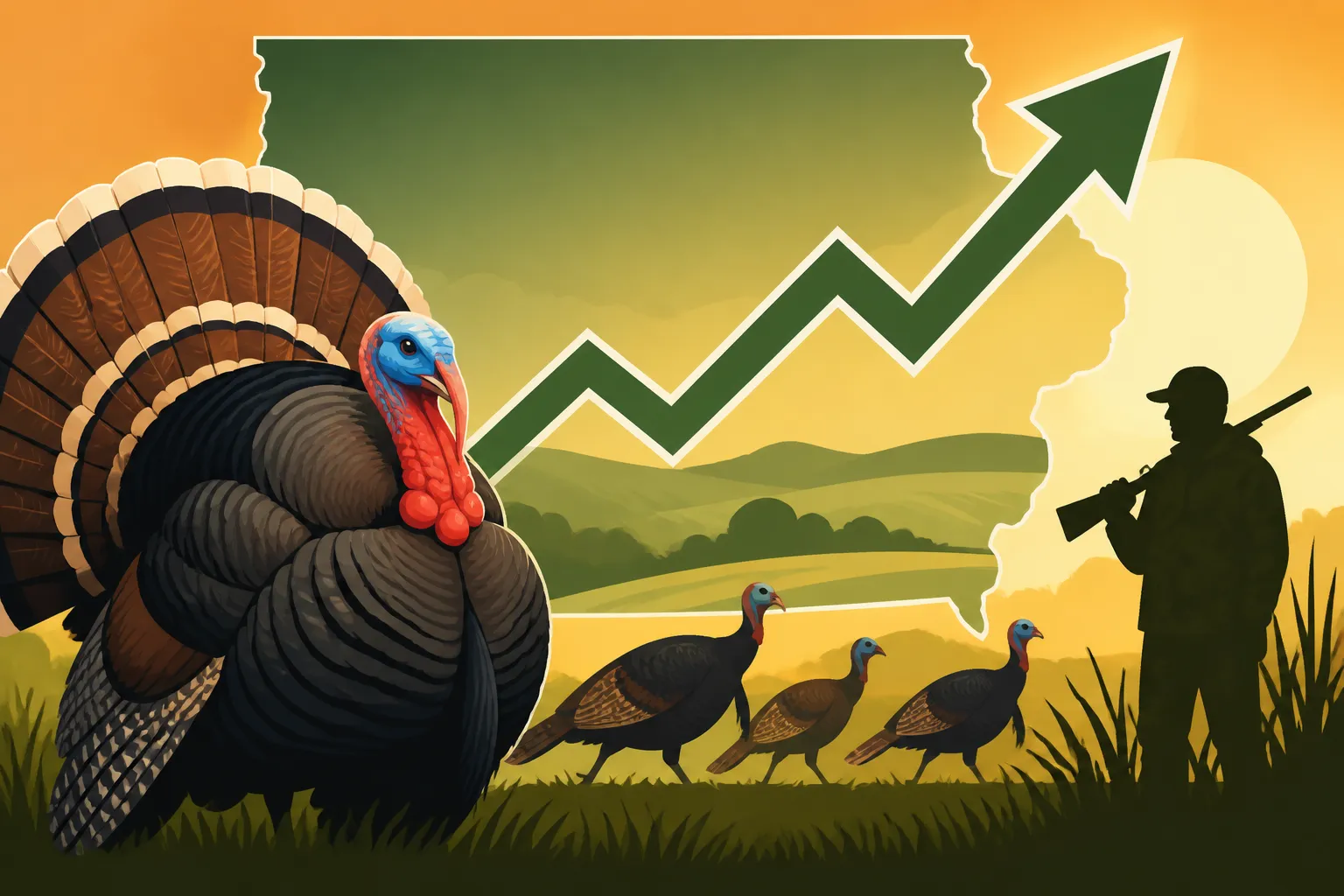
For years, Iowa hunters enjoyed incredibly robust turkey numbers, especially through the 1990s and early 2000s. We saw an abundance of birds, often gobbling their heads off, making spring mornings truly magical. However, like many states in the Midwest, Iowa has experienced some declines in its turkey population since those peak years. This isn't unique to Iowa; it's a trend observed across much of the Eastern and Rio Grande turkey ranges. The Iowa DNR keeps a close eye on these numbers, using a combination of spring and summer surveys to gauge the health of the herd. Generally, the long-term trend has shown a moderate decline from peak levels, but with localized improvements in certain areas. It's not a catastrophic crash, but it's certainly a noticeable shift that requires hunters to adapt their strategies.
Recent Ups and Downs
While the overall trend shows a decrease from historical highs, it's important to remember that year-to-year numbers can still fluctuate based on short-term conditions. For instance, a mild winter followed by a dry spring with good insect hatches can lead to a surge in poult (young turkey) survival, which translates to more birds the following year. Conversely, a harsh winter with deep snow, coupled with a cold, wet spring during nesting and brooding, can dramatically depress numbers. In recent years, we've seen some rollercoaster rides. Some springs have felt incredibly quiet, leaving hunters scratching their heads, while others have offered glimmers of hope with more active gobblers. These short-term swings can make it tough to gauge the true health of the population without looking at the broader picture, and it certainly highlights the challenge of consistently finding birds.
Key Factors Influencing Turkey Population Trends
When you talk about turkey numbers, it's never just one thing. It's a recipe with many ingredients, and sometimes one or two of those ingredients get out of whack, leading to a leaner batch of birds. Understanding these underlying factors is crucial for appreciating the challenges turkeys face and how those challenges impact our hunting seasons.
Habitat Loss and Fragmentation
Let's be real, Iowa is an agricultural state. While corn and soybeans are fantastic for deer, they aren't always ideal for turkeys. The biggest long-term pressure on Iowa's turkey population is undoubtedly habitat loss and fragmentation. Turkeys need large blocks of mature timber for roosting, nesting cover (often a mix of timber edges, brushy areas, and grasslands), and open areas for foraging. As timber stands are cleared for agriculture or development, and as CRP (Conservation Reserve Program) fields get converted back to row crops, those essential pieces of the turkey puzzle start to disappear or become isolated. When habitat becomes fragmented, turkeys have less safe space to nest, less escape cover from predators, and their home ranges shrink. This often leads to reduced breeding success and increased vulnerability. You can easily visualize this by looking at satellite imagery on mapping apps like GoHunt; vast expanses of timber that once connected areas are now smaller, isolated islands. This makes it harder for birds to move safely and find new resources.
Weather Patterns and Poult Survival
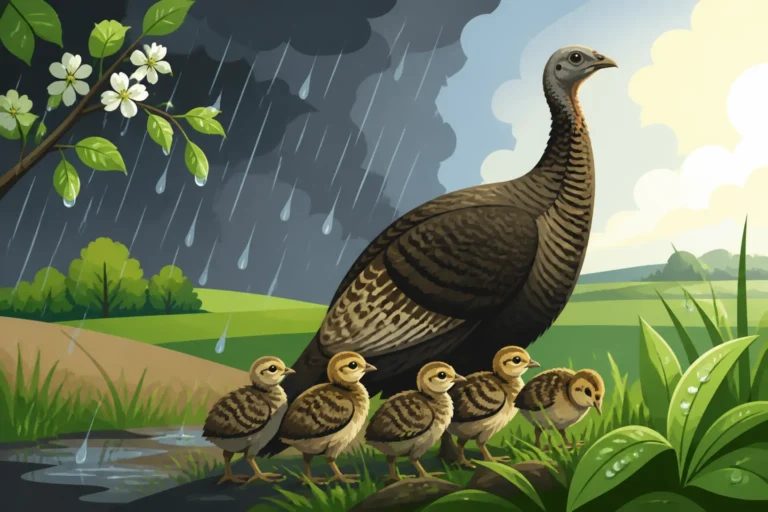
Anyone who hunts turkeys knows that the weather plays a huge role in their success, but it plays an even bigger role in the turkeys' success. Poult survival is the single most critical factor in determining the health of next year's turkey population. A cold, wet spring right when hens are nesting or when poults are hatching can be devastating. Young poults are highly susceptible to hypothermia and pneumonia. If they can't dry out quickly after hatching, or if heavy rains occur, their chances of survival plummet. Additionally, a lack of insects due to poor weather conditions means less protein for growing poults, making them weaker and more vulnerable. Conversely, warm, dry springs with abundant insect hatches mean robust poult survival, leading to strong numbers of jakes and jennies the following year, and ultimately more mature gobblers a couple years down the line. That's why you often hear wildlife biologists watching the spring weather forecasts just as closely as the farmers do.
Predation and Disease Impact
While habitat and weather are often the biggest drivers, predation and disease also play a significant, though sometimes more localized, role. Turkeys face a gauntlet of predators, from raccoons and opossums raiding nests to coyotes and bobcats preying on adult birds. When nest predation is high, fewer eggs hatch, directly impacting poult recruitment. Additionally, diseases can sweep through turkey populations. Avian influenza or Lymphoproliferative disease (LPDV) can cause localized die-offs, though widespread, population-altering disease events are less common than in some other species. The increasing population of generalist predators in certain areas, coupled with fragmented habitat, can amplify predation pressure, making it harder for turkeys to successfully reproduce and fledge poults. For example, Nest Predation and Turkey Numbers are closely linked, and understanding this can help explain local fluctuations.
Monitoring Methods and Data for Iowa Turkeys
So, how do the folks at the Iowa DNR actually keep tabs on these wild and elusive birds? It's not like they're counting every feather. Instead, they rely on a combination of scientific surveys and citizen science to paint a picture of the overall population health. This data is what helps them make management decisions and allows us, as hunters, to understand what might be happening on the ground.
DNR Spring and Summer Surveys
The Iowa Department of Natural Resources (DNR) conducts several key surveys to monitor turkey populations. The primary method is a summer roadside survey, typically run from July through August. DNR staff and volunteers drive designated routes, observing and recording all turkey sightings, specifically noting the number of hens and poults seen. This data is then used to calculate a "poult-per-hen" ratio, which is a vital indicator of reproductive success for that year. A higher poult-per-hen ratio suggests a good hatch and strong recruitment, while a low ratio indicates a tougher year for the young birds. The DNR also uses hunter observation surveys during the spring hunting season to gather additional anecdotal data on gobbling activity and bird sightings. While not as scientific as the roadside counts, these observations from hunters provide valuable real-time feedback from across the state. These comprehensive surveys give us our best snapshot of Iowa Turkey Population Estimate each year.
Hunter Harvest Data and Observations
Beyond the formal DNR surveys, hunter harvest data is another critical piece of the puzzle. When hunters report their harvested turkeys, the DNR collects information on the sex, age (adult or juvenile), and location of the kill. Over time, this data allows the DNR to track harvest trends, understand the age structure of the population, and identify areas where harvest might be increasing or decreasing. For instance, a high proportion of jakes in the harvest might indicate a strong poult crop the previous year. Conversely, if hunters are consistently reporting fewer birds, especially mature gobblers, it could signal a decline in the population. Your observations in the field are also invaluable. Paying attention to gobbling activity, poult sightings, and the overall number of birds you encounter can help you form your own localized understanding of the population, which can be useful when planning your strategy, especially when considering Gobbling Activity Through the Spring.
Regional Differences in Iowa Turkey Numbers
Iowa is a big state, and while we talk about statewide trends, it's important to remember that turkey populations aren't uniform. What's happening in the rugged bluffs of Northeast Iowa might be very different from the flat farm country of Central Iowa. Recognizing these regional nuances can really fine-tune your hunting approach.
Eastern Turkeys in Iowa Timber
The Eastern wild turkey is the subspecies found throughout Iowa, and their numbers tend to be strongest where the habitat is most consistent. This often means the heavily timbered areas, particularly in the eastern and southern portions of the state. Northeast Iowa's Driftless Area, with its steep hills, deep valleys, and extensive timber, consistently holds strong turkey populations. These landscapes offer excellent roosting trees, diverse understory for nesting, and protection from the elements. Similarly, the timbered river bottoms and large blocks of state forest land in southern Iowa provide prime turkey habitat. Hunters in these regions might experience more consistent turkey encounters, even when statewide numbers are down slightly. These areas often mimic the larger, unbroken tracts of timber that turkeys historically preferred, offering ample cover and food sources, leading to a more stable population. Knowing where the birds generally thrive is key to finding consistent success, and focusing on areas with proven turkey density is a smart play.
River Bottoms and Creek Corridors
Beyond the broad timber tracts, don't overlook the power of river bottoms and smaller creek corridors, especially in areas dominated by agriculture. These linear strips of timber, brush, and sometimes even a few scattered fields, act as vital travel lanes, roosting sites, and nesting cover for turkeys in otherwise open landscapes. In central and western Iowa, where large timber blocks are scarcer, these riparian corridors become absolute magnets for wild turkeys. They provide critical resources like water, insects, and protective cover, allowing turkeys to persist and even thrive in areas you might not expect. These smaller, often overlooked pockets of habitat can concentrate birds, making them fantastic spots for hunters willing to put in the legwork. Using a mapping application like GoHunt can help you identify these crucial corridors, even those that might not look significant on a large-scale map, but are actually turkey highways and hidden havens. When scouting, pay close attention to the smaller details of these areas; they can hold surprising numbers of birds, particularly when hunting Standing Corn and Bean Field Deer Patterns can also reveal adjacent turkey habitat.
What Hunters Can Expect and How to Adapt
Given these fluctuations and the factors at play, what does this mean for you, the Iowa turkey hunter? It means you might need to adjust your mindset and your tactics. Gone are the days of just showing up and expecting a gobbler to announce his presence within minutes. Instead, successful hunting often comes down to adaptability, effort, and smart scouting.
Adapting to Population Swings
When turkey numbers are strong, it's easier to be successful. You might hear multiple birds gobbling from the roost, and they might be more responsive to calling. However, when numbers are down, birds can be more spread out, quieter, and generally more wary. This is when adaptability becomes paramount. Don't get discouraged if you don't hear a bird on the roost. Instead of packing up, pivot to more active scouting tactics. Walk edges, listen for distant gobbling, or spend more time visually searching for birds scratching in timber or strutting in fields. If the birds are quiet, they might still be there; they're just not advertising their presence as loudly. This also means being patient and being willing to move more. What worked last year, or even last week, might not work today. Be prepared to change your setup, your calling sequence, or even your hunting area if the situation demands it. This adaptive mindset is crucial for consistency when Iowa Turkey Population Trends show a decline.
Scouting and Pre-Season Preparation
Given the challenges of variable turkey populations, thorough scouting and pre-season preparation have never been more important. Don't wait until opening morning to figure out where the birds are. Start weeks, or even months, before the season. Get out in the timber, look for tracks, droppings, and strut marks. Identify potential roosting areas. Use binoculars to scan fields and clearings from a distance. Early season archery deer scouting can double as turkey scouting, helping you pinpoint good areas for the spring. Pay attention to food sources, like acorns in oak timber, which can draw birds. Use digital mapping tools to identify potential habitat, public land access points, and natural pinch points that might funnel birds. Platforms like GoHunt allow you to layer different map types, helping you visualize terrain, timber density, and potential travel corridors. Knowing the lay of the land and where birds prefer to spend their time gives you a massive advantage. This diligent prep work is especially critical for Scouting Iowa Public Land Before the Opener for turkeys.
| Factor Affecting Turkey Populations | Impact on Numbers | Hunter Strategy Implication |
|---|---|---|
| Habitat Loss/Fragmentation | Negative (Long-term) | Focus on remaining large timber blocks and riparian corridors. |
| Cold, Wet Spring Weather | Negative (Short-term) | Expect fewer jakes/jennies next year; target mature gobblers. |
| Warm, Dry Spring Weather | Positive (Short-term) | Potentially more jakes/jennies next year, higher gobbling activity. |
| Increased Predation | Negative (Localized) | Scout for secure nesting areas; focus on areas with dense cover. |
| Food Source Abundance (Acorns/Insects) | Positive (Seasonal) | Key in on areas with abundant natural food; birds will concentrate. |
| Disease Outbreaks | Negative (Localized) | Be aware of local reports; may affect certain areas more than others. |
Even with the ups and downs, the good news is that Iowa still offers fantastic turkey hunting opportunities. It just sometimes takes a bit more effort, more patience, and a smarter approach to strategy. Understanding the trends and the factors behind them will make you a more informed and ultimately more successful hunter. Remember, it's about enjoying the pursuit and adapting to what Mother Nature throws our way. Whether you're trying Roosting Iowa Turkeys the Night Before or mastering Calling a Henned-Up Iowa Gobbler, knowledge of the population can only help.
Disclaimer
The information provided in this guide is for general informational purposes only and does not constitute legal advice. Hunting regulations and conditions can change rapidly. Always consult the latest Iowa DNR regulations and local ordinances before engaging in any hunting activities. Stay safe and hunt ethically.