Nest Predation and Turkey Numbers
It can be incredibly disheartening to hit your favorite timber block in Iowa during spring turkey season, only to find the woods eerily quiet, or hear far fewer gobblers than you remember from previous years. A big factor that often goes overlooked when we talk about dwindling turkey numbers or a tough hatching year is nest predation, and understanding this silent threat is key to making sense of what we see in the field. This guide will dive deep into how predators impact turkey populations, why it matters to us as hunters, and what influences these crucial nesting seasons.
The Silent Thief: Understanding Nest Predation's Impact on Turkey Numbers
When we talk about the overall health of our wild turkey populations, especially here in Iowa, it's easy to focus on gobbler numbers or how many birds we hear on the roost. But the real heartbeat of the flock, the foundation of future hunting seasons, lies in successful nesting and brood rearing. This is where nest predation steps in as a major, often devastating, force that directly dictates how many poults make it to adulthood. It's not just about losing a few eggs; it's about the entire reproductive cycle taking a hit.
Imagine a hen turkey, meticulously building her nest, laying her clutch of a dozen or so eggs, and then diligently incubating them for nearly a month. This is a period of immense vulnerability. She's sitting on a ticking time bomb, exposed to countless threats, and the loss of that nest to a predator means not just the loss of those specific eggs, but a significant setback for the local population. It effectively removes an entire generation of birds that would have contributed to the gobbling you hear next spring and the following fall. When nest predation is high, it can drastically reduce the number of young birds entering the population, leading to the feeling of "where did all the turkeys go?" that many of us have experienced.
The frustrating part for many hunters is that this process happens out of sight, deep in the thickets and tall grasses, so we don't always fully grasp its scale until we're seeing fewer birds. It’s a quiet war being waged against the future of the flock, and it’s a constant challenge for game managers trying to balance healthy predator populations with robust turkey numbers. When you're scouting for turkeys, considering areas with good cover that might deter predators is almost as important as finding good roost trees.
Who Are Iowa's Primary Turkey Nest Raiders?
Iowa's diverse landscape, with its mix of timber, row crops, and grassland, provides habitat for an equally diverse range of wildlife. Unfortunately for our wild turkeys, many of these creatures are opportunistic nest predators. Understanding who these culprits are helps us grasp the scale of the challenge and why it's so difficult to manage. It's not just one species; it's a whole cast of characters.
Raccoons, Opossums, and Skunks: The Night Shift Thieves
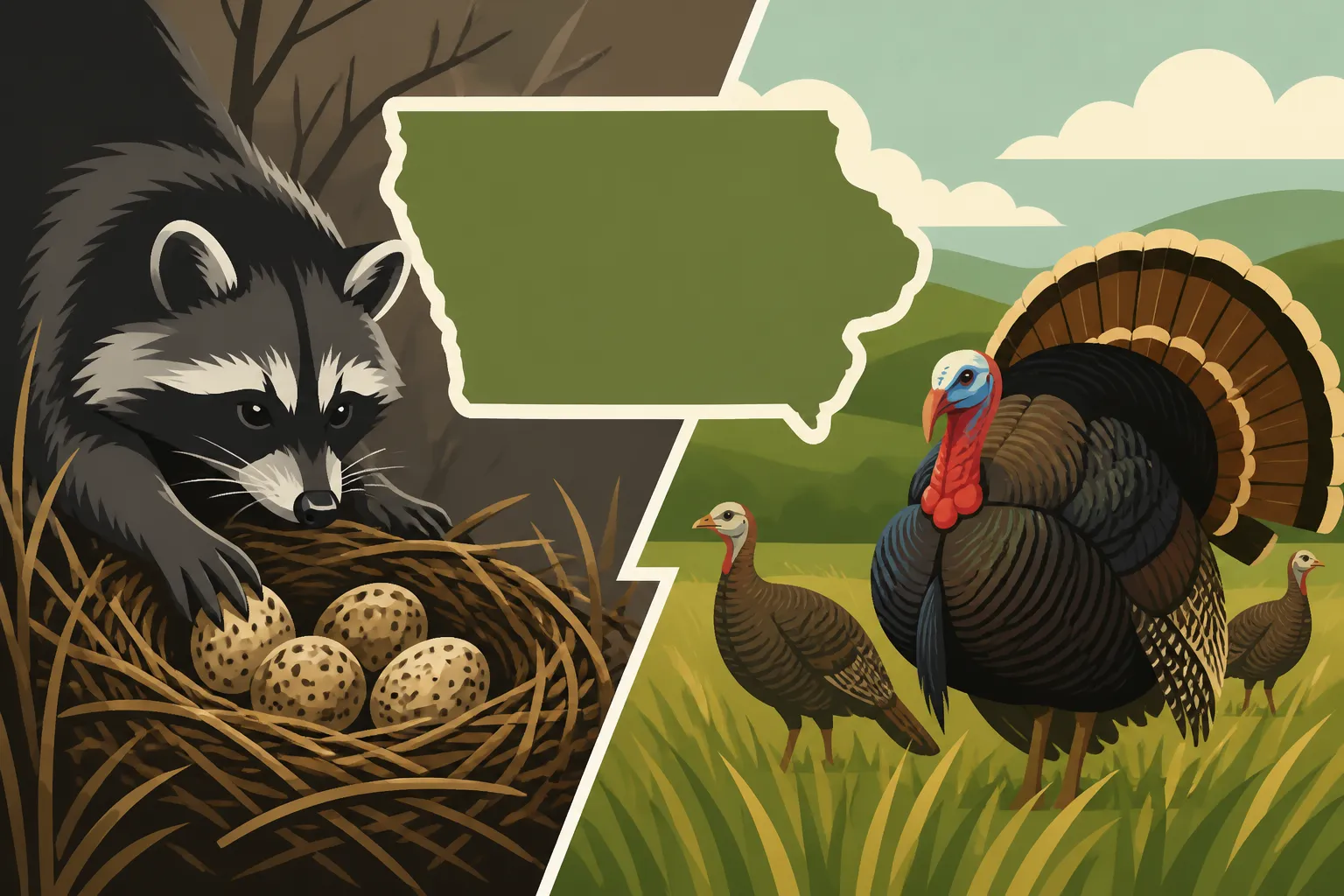
These often-misunderstood animals are some of the most prolific nest predators in Iowa. Raccoons, with their incredibly dexterous paws and keen sense of smell, are masters at finding hidden nests. They're intelligent, adaptable, and their populations often thrive near human habitation and agricultural areas, which often overlap with prime turkey habitat. An Iowa hen nesting near a creek bottom or a brushy field edge, trying to stay hidden, still faces a huge challenge from a prowling raccoon.
Opossums, while perhaps not as agile as raccoons, are also highly effective nest predators. They're slow, but their incredible sense of smell and their willingness to eat almost anything make them a persistent threat. Skunks, too, often stumble upon nests while foraging, and once they find one, they'll make quick work of the eggs. The common thread here is that these animals are largely nocturnal, meaning the hen is often most vulnerable when she's settled in for the night, diligently incubating. Their widespread presence across all corners of Iowa means virtually no turkey nest is truly safe.
Coyotes and Avian Predators: The Daytime Threats
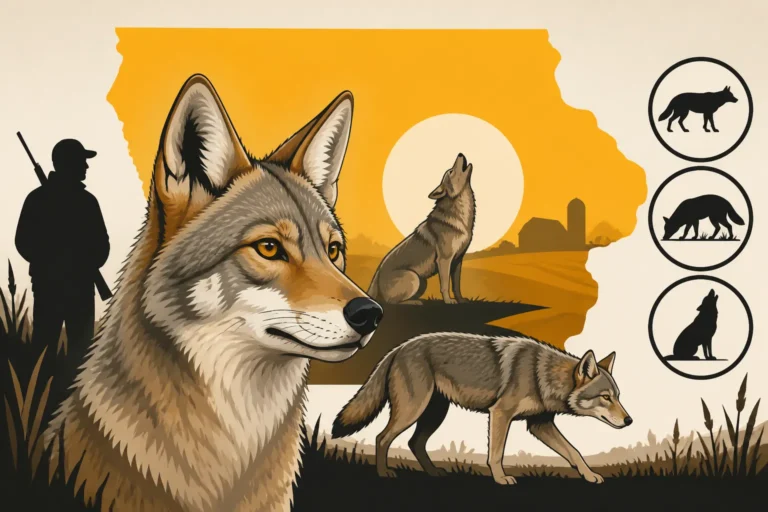
While raccoons and opossums dominate the night, coyotes are increasingly a significant threat, both to eggs and even to adult hens on the nest. Coyotes are incredibly intelligent and adaptable predators. As they expand their range and population densities, their impact on ground-nesting birds like turkeys becomes more pronounced. A coyote might not specifically hunt for nests, but if it stumbles upon a nesting hen, it won't hesitate. This is part of why understanding Iowa Turkey Population Trends involves looking at a lot more than just hunting pressure.
On the avian side, crows and raptors can also take their toll, though often on poults rather than eggs. However, crows are notorious egg thieves, especially if a nest is poorly concealed or accidentally revealed by the hen. While often a lesser factor compared to mammals, avian predators can contribute to the overall pressure on turkey reproduction, making it harder for any given clutch to survive. It's a multi-pronged attack on future turkey generations, from both the ground and the air.
The Recipe for Disaster: Factors Influencing Predation Rates
Nest predation isn't a static problem; it ebbs and flows depending on a multitude of environmental and ecological factors. Understanding these variables helps us appreciate the complexity of turkey management and why some years just seem "better" for turkey numbers than others. It's like a delicate balance, and just one thing tipping can have a ripple effect.
Habitat Quality and Nesting Cover
The type and quality of nesting habitat available to hens play a monumental role in their success. Turkeys prefer dense, concealing cover for nesting – think tall grasses, thick brush, multiflora rose thickets, or areas with a lot of downed timber. This cover provides visual obstruction and a physical barrier against predators. If good nesting habitat is scarce or fragmented, hens are forced to nest in less secure locations, making their nests easier targets for raccoons, opossums, and coyotes.
Consider a hen trying to nest in a freshly mowed hayfield versus one tucked deep in a native prairie restoration project or a dense cedar stand. The difference in success rates can be stark. Agricultural practices, urban development, and even invasive species that degrade native cover can all reduce the amount of quality nesting habitat, pushing hens into riskier spots. This is why tools like the Iowa DNR's hunting atlas or even commercial mapping systems like GoHunt are so useful for hunters, as they can help identify areas with prime cover that might offer better nesting success and, consequently, more birds in the long run.
Predator Populations and Cycles
It might seem obvious, but the sheer number of predators in an area directly correlates with nest predation rates. If raccoon populations are booming, for instance, turkey nests will likely suffer. Predator populations themselves are influenced by factors like food availability, disease, and harvest pressure (e.g., fur trapping). A mild winter with plenty of food, for example, could lead to higher predator survival and thus more predators entering the spring nesting season.
Some areas might experience localized predator population spikes, perhaps due to a lack of trapper activity or abundant alternate food sources. These fluctuations can make a huge difference year to year in localized turkey populations. Hunters who pay attention to general wildlife trends, perhaps noticing more raccoon sightings or coyote tracks while scouting for deer, might get an early clue about the potential pressure on turkey nests in a given spring. This interconnected web of wildlife dynamics highlights why healthy ecosystems are crucial for sustainable turkey populations.
Weather Patterns and Timing
Believe it or not, the weather leading up to and during the nesting season can significantly impact how vulnerable turkey nests are to predators. Early, mild springs might encourage hens to nest earlier, potentially before some vegetation has fully emerged to provide adequate cover. Conversely, a prolonged cold snap or heavy, persistent rains during incubation can force hens off their nests more frequently, leaving eggs exposed and vulnerable to discovery by opportunistic predators.
Severe weather events, like late-season snowstorms or torrential downpours, can also directly damage nests or wash away eggs, making the hen susceptible to re-nesting. Re-nesting means a later hatch, and those later-hatched poults often face lower survival rates into the fall due to smaller size, less developed immune systems, and facing harsher conditions. This cyclical interaction between Turkey Poult Survival and Spring Weather and predator activity is a major determinant of how many young birds we see mature.
Human Activity and Disturbance
While often unintentional, human activity can also indirectly contribute to nest predation. Farmers working fields, hikers, dog walkers, and even early-season turkey hunters moving through prime nesting habitat can inadvertently flush a hen from her nest, leaving it exposed for a short but critical period. Predators are quick to capitalize on such opportunities. Even something as simple as leaving litter or food scraps in the woods can attract scavengers that might then stumble upon a nest.
Responsible outdoor behavior, especially during the spring, is crucial. Being mindful of where you walk, keeping dogs on a leash, and minimizing unnecessary disturbances in areas known for good turkey habitat can collectively help reduce stress on nesting hens. Every little bit of peace and quiet helps these hens do their vital work.
What This Means for Iowa Turkey Hunters
So, how does all this talk of nest predation actually affect you, the hunter, when you're out chasing gobblers in Iowa's spring woods? The connection is direct and profound. Understanding these dynamics can shift your expectations, inform your scouting, and even influence your hunting strategy.
Lower Poult Numbers Mean Fewer Future Gobblers
It’s simple math: if nest predation is high and fewer poults survive to maturity, there will be fewer jakes and two-year-old gobblers in the coming seasons. This can lead to quieter woods, fewer birds answering your calls, and a general feeling that the population is down. This directly impacts the quality of your hunt, making it harder to fill your Iowa Turkey Bag Limits or even just locate a responsive bird. When populations are struggling due to poor recruitment, hunters often have to work harder, cover more ground, and be more patient.
This is particularly noticeable in years following poor nesting success. Those younger birds, often more aggressive and less wary, are key to a vibrant spring season. Their absence makes a tangible difference in the overall gobbling activity and the number of birds you encounter. It underscores why protecting nesting success is paramount for long-term turkey hunting enjoyment.
Adapting Your Scouting and Hunting Strategy
Knowing that nest predation is a significant factor might change how you scout. Instead of just looking for roost trees or fresh sign, you might also pay attention to areas that offer exceptionally dense nesting cover – places where a hen would have the best chance of hiding her clutch. These areas, like thick regenerating clear-cuts, dense native grass fields, or areas with heavy multiflora rose, can be incubators for future turkey populations. Using a mapping platform like GoHunt to analyze aerial imagery for these types of cover can give you a significant advantage in understanding where turkeys might be originating from.
Furthermore, if you know an area has suffered from high predation in recent years, you might adjust your expectations or focus your efforts on regions with historically better habitat. While it's tough to "control" predators on a broad scale, focusing on areas with excellent, undisturbed habitat can lead to better success. During the season, being mindful of your approach, especially during midday when hens are typically on the nest, can help avoid inadvertently flushing a nesting bird. You might find that Run-and-Gun Turkey Tactics on Iowa Public Land are more effective in areas where poult survival has been good, because there are simply more birds to interact with.
The Role of Conservation and Management
As hunters, we have a vested interest in healthy turkey populations. Understanding nest predation highlights the importance of habitat conservation efforts. Supporting organizations that work to improve nesting habitat, reduce fragmentation, and manage predator populations (where appropriate and legal) indirectly benefits our hunting opportunities. The success of Iowa Turkey Hunting Tactics for Spring Gobblers is ultimately tied to the health and abundance of the turkey resource itself.
While we can't individually stop every predator from finding a nest, our collective awareness and support for sound wildlife management principles contribute to the long-term sustainability of turkey hunting in Iowa. It's about being part of the solution, ensuring that future generations of hunters will also get to experience the thrill of a spring gobbler sounding off in the Iowa timber.
| Predator Type | Primary Target | Impact on Nests | Key Threat Periods | Habitat Preference | Hunter Observation |
|---|---|---|---|---|---|
| Raccoons | Eggs, sometimes hens | High | Night | Timbered creek bottoms, field edges | Tracks in mud, disturbed nests |
| Opossums | Eggs | Moderate | Night | Brushy areas, dense cover | Less obvious signs, sometimes scat |
| Skunks | Eggs | Moderate | Night | Open timber, brush, agricultural fringes | Digging activity, distinct odor |
| Coyotes | Eggs, hens, poults | Moderate to High | Day & Night | Open country, timber edges, dense cover | Tracks, scat, occasional sightings |
| Crows/Raptors | Eggs (crows), poults (raptors) | Low to Moderate | Day | Open areas, tall trees | Crows alarming, raptors circling |
Conclusion
Nest predation is an undeniable force shaping wild turkey populations in Iowa. It's a complex interaction between various predators, the quality of available habitat, and unpredictable weather patterns, all culminating in an outcome that significantly impacts the number of gobblers we hear and pursue each spring. As hunters, understanding this challenge doesn't just make us more informed; it empowers us to appreciate the resilience of these birds and to be more strategic in our pursuit. By recognizing the critical role of successful nesting, we can become better advocates for habitat conservation and more adaptable hunters in the field.
Disclaimer
This article is for general informational purposes only and does not constitute professional advice. Laws, prices and regulations vary by location and change over time. Consult a qualified professional for guidance on your specific situation.