Cottontails and Jackrabbits in Iowa
The crunch of frozen cornstalks underfoot, the sudden burst of a pheasant from heavy cover – these are the classic sounds and sights of an Iowa winter hunt. But for many, the simple, accessible thrill of chasing rabbits, specifically cottontails and the more elusive jackrabbits, often gets overlooked. It's easy to assume rabbit hunting is just for kids or a bygone era, yet it offers incredible opportunities to hone your hunting skills, explore forgotten corners of the landscape, and bring home some truly delicious wild game. This guide will take a deep dive into successfully pursuing these fantastic small game animals across the Hawkeye State, from identification to ideal habitat and hunting strategies.
Unpacking Iowa's Rabbit Roster: Cottontails vs. Jackrabbits
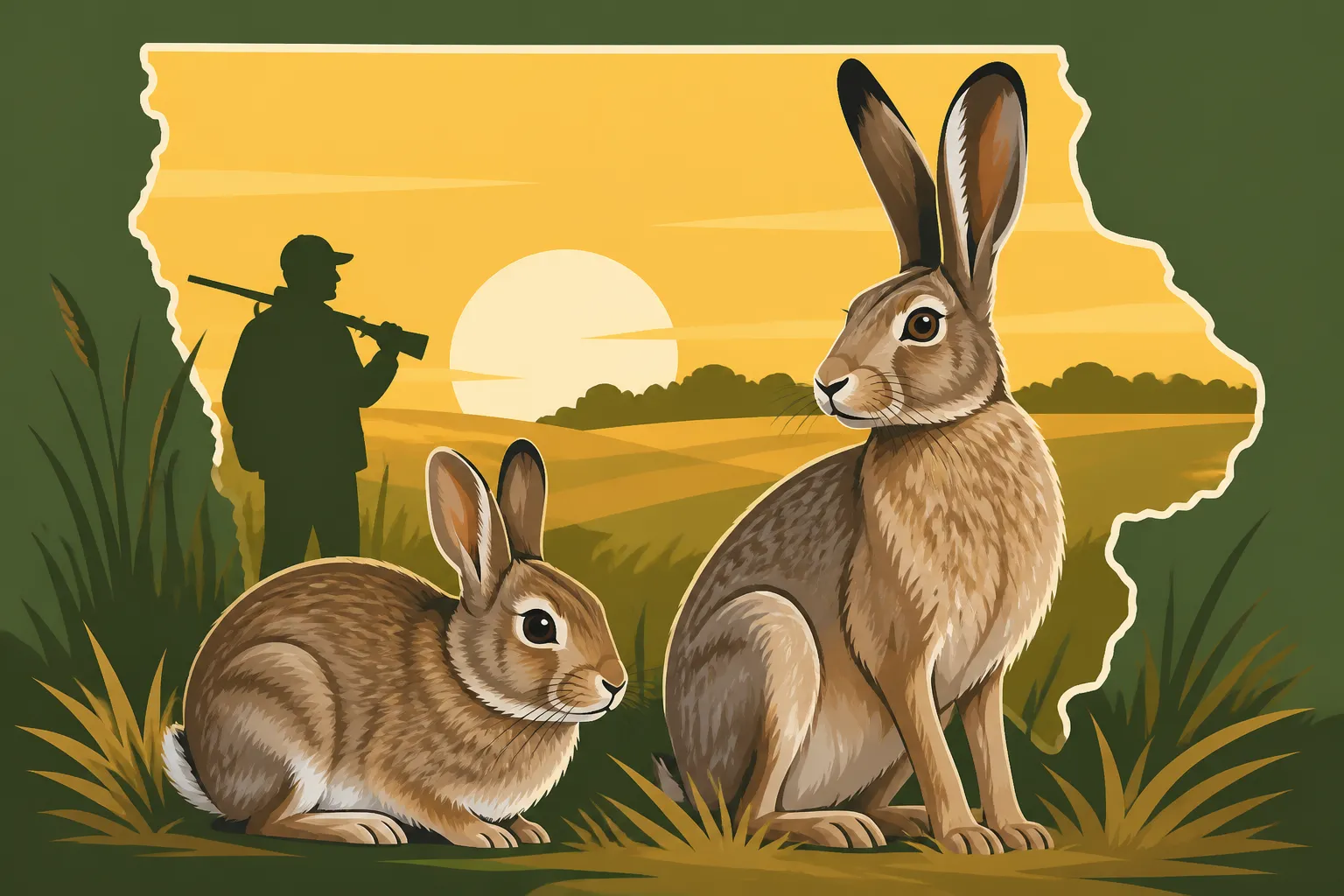
Iowa is home to two primary species that fall under the general "rabbit" umbrella for hunters: the Eastern Cottontail and the White-tailed Jackrabbit. While both are fantastic game animals, they are distinctly different in appearance, behavior, and the types of habitat they prefer. Understanding these differences is absolutely crucial for any hunter looking to consistently fill their game vest. Knowing what you're looking for, and where, makes all the difference.
The Ubiquitous Eastern Cottontail
When most folks picture a rabbit in Iowa, they're probably thinking of the Eastern Cottontail. These are the classic "bunnies" we see hopping around suburban yards and field edges, and they are, by far, the most common and widely distributed rabbit species across the state. They have that familiar reddish-brown fur on their backs and sides, fading to a soft white belly, and, of course, that iconic fluffy white "cotton ball" tail that gives them their name.
Cottontails are relatively small, typically weighing in at two to four pounds and measuring around 15 to 19 inches long. Their ears are proportionate to their head size, not excessively long, which is a key differentiator from their jackrabbit cousins. They are masters of camouflage, often sitting incredibly tight when approached, relying on their drab colors to blend into the surrounding vegetation until you're nearly on top of them. This is often the frustration for new hunters; you might walk right past them without ever knowing they were there, only for them to explode from underfoot when you least expect it.
Their habitat preferences are largely dictated by the need for dense cover. You'll find cottontails thriving in brush piles, thick fencerows, regenerating timber edges, dense stands of CRP grass, and almost any area that offers immediate, impenetrable escape routes. Think about those neglected corners of a farm field where old machinery has been dumped and nature has reclaimed it with multiflora rose and sumac — that's prime cottontail country. They rarely venture far from this type of security, understanding that safety lies within the tangled briars and thickets. When spooked, a cottontail’s natural instinct is to run in erratic, zig-zag patterns, often circling back to the very patch of cover they originally bolted from. This habit can be a real advantage for hunters, as it often presents a second shot opportunity if you remain alert.
The Elusive White-tailed Jackrabbit
Now, if the Eastern Cottontail is the friendly neighborhood rabbit, the White-tailed Jackrabbit is its wilder, more reclusive relative. These aren't true rabbits; they're actually hares, and their differences from cottontails are significant. Jackrabbits are considerably larger, often weighing six to ten pounds and stretching up to two feet long. Their most distinguishing features are their incredibly long ears, which can be several inches longer than their head, and their much longer, powerful hind legs. Unlike the cottontail's "cotton ball," a jackrabbit's tail is white all over, and often held upright like a flag when they're on the move. Their summer coat is typically a brownish-gray, but in Iowa, especially in the northern and western parts of the state where they are more prevalent, they can turn mostly white in winter, offering exceptional camouflage against snow-covered fields.
White-tailed Jackrabbits prefer a very different landscape than cottontails. They are creatures of wide-open spaces: vast grasslands, expansive prairies, large hayfields, and agricultural areas with less dense cover. You won't typically find them in the tight brush piles a cottontail calls home. Instead, they rely on their incredible speed and camouflage to evade predators. Historically, their range was more extensive in Iowa, but habitat changes have concentrated them into specific regions, often making them a more challenging find for hunters.
Their behavioral traits are a testament to their open-country living. When approached, a jackrabbit is far less likely to sit tight like a cottontail. Instead, they often detect threats from a distance and will bolt, running in long, straight lines at incredible speeds, often covering hundreds of yards and disappearing over a distant rise before you can even shoulder your shotgun. This makes them notoriously difficult to hunt without a well-planned strategy or a fast, keen dog. The frustration of watching a jackrabbit bound effortlessly away, seemingly mocking your efforts, is a common experience for those who try to chase them in their preferred wide-open habitats. They are truly a game animal that tests your patience and your shooting skill.
Prime Locations and Habitats for Iowa's Hoppers
Finding rabbits in Iowa isn't usually about finding vast, pristine wilderness; it's often about identifying those overlooked, scrappy areas that offer food and cover in close proximity. While cottontails and jackrabbits have distinct preferences, there's overlap in certain types of habitat that hold both, especially in areas where diverse cover meets agricultural fields.
Farm Country Edges and Brush Piles
If you're looking for cottontails, the edges of Iowa's vast agricultural fields are absolute goldmines. These areas provide the perfect blend of abundant food – fallen grains from corn and soybean fields – and the dense cover that cottontails desperately need for safety and bedding. Think about those fencerows overgrown with multiflora rose, sumac, and wild plum. These aren't just pretty shrubs; they create nearly impenetrable fortresses that rabbits can duck into at a moment's notice. Every old farmstead with its decaying outbuildings, every forgotten patch where downed trees have accumulated, or where farmers have pushed brush into a pile, becomes a five-star hotel for cottontails.
The sheer density of rabbits in these neglected spots can be astonishing. Hunters often drive right past them focusing on larger game, but these seemingly unproductive areas can offer fast and furious action. It's often the small, isolated coverts that hold the most rabbits. When scouting, pay close attention to drainage ditches and creek banks that cut through or run alongside crop fields. These natural travel corridors and cover strips, much like Ditch Crossings in Row Crop Country, are perfect places for rabbits to hide, feed, and move undetected. Using digital mapping tools like GoHunt can be incredibly helpful here. You can zoom in on aerial imagery to identify those dense patches of brush, overgrown fencerows, and small timber pockets bordering fields, even on private land, which can then help you identify potential areas to seek landowner permission. Don't be afraid to approach a farmer and ask for access to those "waste areas" – often, they're happy for someone to reduce the rabbit population that might nibble on their crops.
Public Land Gems and Overlooked Cover
Iowa isn't known for its vast expanses of public hunting land, but what it does have can be incredibly productive for small game, including rabbits. Wildlife Management Areas (WMAs) managed by the Iowa DNR, and tracts enrolled in the Iowa's Habitat and Access Program Explained, often offer excellent rabbit habitat. While many hunters flock to these areas for deer or pheasants, the dense cover, timber edges, and brushy sections within them are equally appealing to rabbits. Getting familiar with Iowa Wildlife Management Area Acres can help you pinpoint larger public tracts where rabbits might thrive.
The trick to hunting public land for rabbits is often finding those overlooked pockets. Creek bottoms lined with willows and regenerating timber, areas of young timber growth that have been thinned or clear-cut, or even just the edges of food plots where thick cover meets forage can be exceptionally productive. These are the places that often see less pressure from hunters focused on larger game. Even though you might be scouting for deer, always keep an eye out for rabbit sign – fresh droppings, clipped vegetation, or well-worn trails leading into a brush pile. Using your GoHunt app or the Iowa DNR Hunter Atlas to layer public land boundaries over detailed satellite imagery can help you identify these hidden gems before you even set foot on the ground. Be mindful of specific regulations on different types of public land, as some areas, particularly those managed by Iowa County Conservation Board Hunting Rules, might have unique restrictions. The biggest frustration on public land can be finding "perfect" looking cover that is either too thick to hunt effectively or has already been heavily pressured. Look for smaller, isolated patches or areas that require a bit of a walk to reach, as these tend to hold more unpressured rabbits.
Seasonal Strategies and Ethical Hunting Practices
Rabbit hunting in Iowa is largely a fall and winter pursuit, and the changing seasons play a huge role in how and where you'll find these quick little critters. Adapting your approach to the weather and available cover can significantly increase your success rates. Plus, as with any hunting, ethical practices and adherence to regulations are paramount.
Navigating Iowa's Rabbit Seasons
Iowa's small game seasons, including those for rabbits, typically open in early fall and run through late winter, often into February or March. This long season offers ample opportunity to get out in the field. Always, always, always check the current Iowa DNR hunting regulations booklet or website for the exact dates each year, as they can sometimes shift slightly. Knowing the specific season dates for Iowa Rabbit and Squirrel Seasons is crucial before heading out.
The early part of the season, often coinciding with pheasant and quail openers, can be challenging. Foliage is still dense, providing maximum cover for rabbits, making them harder to spot. However, a good dog can shine during this time, sniffing out rabbits that might otherwise be impossible to find. As the season progresses into late fall and early winter, things start to change dramatically. Hard frosts and snow cover kill back vegetation, reducing cover and making rabbits concentrate in the remaining thickets. Snowfall can be a game-changer; not only does it push rabbits into more predictable, dense cover like brush piles and timber edges, but it also provides excellent visual tracking opportunities. Fresh rabbit tracks leading into a brush pile are a dead giveaway that a rabbit is likely holed up inside. Furthermore, colder temperatures often encourage rabbits to be more active during daylight hours, as they need to feed more frequently to maintain their body heat. This can provide more opportunities for encounters than during warmer periods.
Maximizing Success: Techniques for Different Conditions
The classic method for hunting cottontails is "walking them up." This involves slowly and deliberately walking through prime rabbit habitat, stopping frequently to scan ahead and listen. Rabbits often sit incredibly tight, and a pause in your steps can sometimes make them nervous enough to flush. Work brush piles methodically, kicking the edges or using a stick to poke into the densest parts. When a rabbit bursts out, you need to be quick and decisive with your shot. Don't chase after the first shot; remember, many cottontails will circle back to their original cover, offering a second chance if you're patient and ready.
For many hunters, the ultimate rabbit hunting experience involves a good dog. Beagles, in particular, are legendary for their ability to trail rabbits with their incredible noses, flushing them from thick cover and often keeping them circling back towards the hunter. The sound of a beagle's baying as it works a rabbit trail is one of the most delightful sounds in the winter woods. If you have access to a well-trained rabbit dog, your success rates will skyrocket, and the experience itself is incredibly rewarding.
When pursuing White-tailed Jackrabbits, especially in their open-country habitat, different tactics are needed. Walking them up can still work, but be prepared for them to run long and fast. If you're hunting with a group, a block-and-drive method can be effective, similar to Working Pheasant Cover Without a Dog. One or two hunters can post at the end of a field or a large patch of grass, while others slowly walk through, pushing the jackrabbits towards the blockers. This requires clear communication and strict adherence to safety protocols. Regardless of the method, safety must always be your top priority. Always know your target and what lies beyond it. When hunting during any firearm season, especially during shotgun deer season, remember Iowa's blaze orange requirements for small game hunters to ensure maximum visibility to other hunters.
Essential Gear and Staying Comfortable in the Field
Rabbit hunting might not demand the same specialized gear as big game, but having the right equipment can make the difference between an enjoyable, productive day and a miserable, fruitless one. Comfort, protection from the elements, and appropriate firearms are key.
Footwear and Outerwear: Battle the Elements
When you're busting brush, walking through tall grass, and navigating potentially wet or frozen terrain, your footwear is absolutely paramount. Good, waterproof boots are non-negotiable. Whether you prefer sturdy leather or rubber boots, like those often discussed for Rubber Boots Versus Leather for Deer, ensure they're comfortable for many miles of walking and provide adequate ankle support. During late-season hunts, insulated boots will keep your feet from freezing, allowing you to focus on the hunt, not your discomfort. Wet, cold feet will send you home early every time.
Layering is also critical for outerwear. You'll be doing a lot of walking, which generates body heat, but you'll also stop to scan or wait for dogs, at which point you'll cool down quickly. A moisture-wicking base layer, a warm mid-layer (like fleece or wool), and a durable, briar-resistant outer shell are ideal. Your outer layer should be tough enough to stand up to thorns, multiflora rose, and thick brush. Many hunters opt for specialized brush pants or chaps to protect their legs from cuts and scrapes. Don't forget durable gloves to protect your hands, especially when pushing through thorny thickets. A quality game vest or jacket with a large game pouch on the back is also incredibly useful for stashing your rabbits as you go, keeping your hands free.
Firearms and Ammo: Making the Shot
For most rabbit hunting scenarios, a shotgun is the firearm of choice. The fast-flushing nature of both cottontails and jackrabbits means you need a pattern of shot to hit a moving target. Twelve, 16, or 20 gauge shotguns are all excellent options. Lighter gauges like the .410 can work, but require a more precise shot. The most common shot sizes used are #4, #5, or #6 lead shot. In fields where pheasants might also be present, #5 or #6 lead shot offers a good balance. An open choke, such as an improved cylinder or modified, is generally preferred, as rabbit shots are often close and quick, and a tighter choke can make it harder to hit them.
While shotguns are king for flushing rabbits, a .22 caliber rimfire rifle or even a small caliber air rifle can be incredibly effective for more deliberate hunting, especially on sitting rabbits or in situations where longer, more precise shots are possible. This is often the case when hunting around the edges of fields or pastures where rabbits might be feeding in the open. Ethical shot placement, aiming for the head or vitals, is critical with a rifle to ensure a clean, humane kill. While it's a different game entirely, the principle of aiming for a clean kill is similar to the precision needed for Shot Placement on a Whitetail at Twenty Yards. Always be mindful of your backdrop and surrounding area when using a rifle, as a .22 bullet can travel a surprisingly long distance.
The Rest of Your Kit: From Carrier to Coffee
Beyond your primary weapon and clothing, a few other items will enhance your rabbit hunting experience. A small, comfortable backpack, similar in size to what you'd use for Pack Size for a Day in the Stand, is great for carrying essentials like water, snacks, extra ammunition, a first-aid kit, and perhaps a thermos of hot coffee or cocoa on a cold day. A sharp knife for field dressing your rabbits is also a must-have. Some hunters prefer replaceable blade knives for convenience and hygiene.
For navigation, especially on larger public lands or unfamiliar private tracts, a GPS unit or a reliable phone app like GoHunt with offline maps is invaluable. It can help you stay oriented, mark brush piles you've hunted, or pinpoint your vehicle at the end of a long day. Many hunters also carry a small set of game shears or a bone saw to help with processing in the field. And don't forget your hunting license and any required stamps! For late-season hunts, hand and toe warmers can be a small but mighty addition to keep you comfortable during pauses in the action.
Regulations, Licensing, and Conserving Iowa's Small Game
Hunting rabbits in Iowa, like any other game animal, requires adherence to specific regulations and a commitment to conservation. These rules are in place to ensure safe hunting and healthy, sustainable populations for future generations. It’s vital to be informed before you head afield.
Understanding Iowa's Small Game Laws
Before you even step foot in the field, securing the proper licensing is your first priority. Residents and non-residents alike will need to purchase a general hunting license and an Iowa habitat fee. Non-residents typically face higher fees, so plan accordingly. For comprehensive details on what you need, refer to Iowa Hunter Education and Licensing Basics. While Iowa does not typically have specific "rabbit tags," your general hunting license covers small game.
Beyond licensing, you need to be aware of the daily bag limits and possession limits for rabbits. These numbers are set by the Iowa Department of Natural Resources (DNR) to manage the population responsibly. For instance, the daily bag limit for cottontail rabbits has historically been ten, with a possession limit of twenty, but these figures can change, so always check the most current regulations. There are also legal shooting hours, which typically align with general hunting hours from half an hour before sunrise to half an hour after sunset. Violating these rules can lead to fines and loss of hunting privileges, which is a frustration no hunter wants to experience. Ignorance of the law is never an excuse, so make it a habit to review the Iowa DNR’s annual hunting regulations booklet, which is usually published in late summer or early fall, before each hunting season. Digital versions are readily available online and can be accessed on your phone with apps like GoHunt, making it easy to confirm regulations while in the field.
Promoting Healthy Rabbit Populations
Hunting isn't just about the harvest; it's also about conservation and ensuring healthy game populations for the long term. Rabbits, particularly cottontails, are prolific breeders, and their populations can fluctuate dramatically due to factors like harsh winters, disease, and predation. Understanding Iowa Rabbit Population Trends helps the DNR make informed decisions about bag limits and season lengths. As hunters, we play a crucial role in monitoring these trends through our harvest and observations.
One of the most impactful ways hunters can support healthy rabbit populations is by advocating for and participating in habitat preservation and creation. Rabbits thrive in dense, diverse cover. This means brush piles, thick fencerows, un-mowed field edges, and mixed timber stands are not just places to hunt, but vital components of their ecosystem. Farmers who leave areas uncropped or create brush piles are providing essential shelter and food sources. Severe winters, especially those with prolonged deep snow, can significantly impact rabbit survival rates by limiting access to food and increasing exposure to predators. By focusing our hunting efforts on areas with robust populations and by adhering to bag limits, we help ensure that there are always enough rabbits to reproduce and sustain the population. Responsible hunting also includes properly cleaning and processing your game, ensuring no waste, and leaving the hunting area cleaner than you found it. This respectful approach maintains both the land and the public’s positive view of hunting.
| Feature | Eastern Cottontail Rabbit | White-tailed Jackrabbit |
|---|---|---|
| Size | Smaller (2-4 lbs), ~15-19 inches long | Larger (6-10 lbs), ~22-26 inches long |
| Ears | Shorter, proportionate to head | Very long, black tips, much longer than head |
| Tail | Short, fluffy white "cotton ball" | White all over, often held upright when running |
| Color | Reddish-brown with white belly, consistent year-round | Brownish-gray in summer, often turns white in winter |
| Habitat | Thickets, brush piles, dense fencerows, timber edges | Open grasslands, prairies, large hayfields, light cover |
| Behavior | Freezes, then bursts into short, erratic bursts, circles back to cover | Relies on speed, runs long distances in a straight line, camouflages well in open |
| Commonality | Widespread across Iowa, abundant | Less common, primarily found in northern and western Iowa |
Disclaimer
The information provided in this guide is for general informational purposes only and does not constitute legal advice. Hunting regulations, seasons, and licensing requirements can change. Always consult the official Iowa Department of Natural Resources (DNR) regulations and publications for the most current and accurate information before engaging in any hunting activities. Hunters are responsible for knowing and abiding by all applicable laws and regulations.