Pack Size for a Day in the Stand
There's nothing quite like settling into your treestand before dawn, the woods slowly waking up around you. But that peaceful anticipation can quickly turn to frustration if you realize your pack is either a cumbersome behemoth weighing you down or a tiny sack that's left you unprepared for a sudden temperature drop or a long blood trail. Getting your pack size right for a day in the Iowa deer woods is a common challenge, balancing necessity with practicality. This guide will help you understand how to choose and pack the perfect gear for your day-long sits, ensuring you have what you need without being overloaded.
The Goldilocks Conundrum: Why Pack Size Truly Matters
You've been there, right? One season you're hauling what feels like your entire camping setup into the woods, only to use three items all day. The next, you decide to go minimalist, and wouldn't you know it, that's the day the temperature drops 20 degrees, or you unexpectedly need to Blood Trailing in CRP and Multiflora Rose. Finding that sweet spot, the "just right" pack, isn't about buying the most expensive gear; it's about smart planning and understanding your needs for an Iowa hunting trip.
Overpacking: The Burden You Don't Need
Hauling an oversized, overstuffed pack can be downright miserable, especially when you're trying to sneak silently through frost-covered leaves or navigate dense timber. Not only does a heavy pack make the walk in and out more arduous, but it also means more potential for noise as items jostle against each other. Imagine trying to make a quiet approach to your stand, only to have a water bottle clang against a rattling grunt tube in your oversized pack. It's distracting, exhausting, and can easily compromise your hunt before you even get settled. Plus, an unwieldy pack can snag on branches or make it harder to climb into a hang-on stand gracefully. Every extra pound translates to more fatigue, which impacts your focus and patience during those critical hours in the stand.
Underpacking: The Regret That Lingers
On the flip side, going too light can leave you in a real bind. Iowa weather, especially during deer season, can be notoriously unpredictable. A mild October morning can turn into a chilly, damp afternoon in a heartbeat. Forgetting crucial items like an extra layer, rain gear, or even a headlamp for the walk out after a successful shot can make an otherwise perfect hunt miserable or, worse, unsafe. I’ve known hunters who've been caught without a way to field dress their deer because they "didn't think they'd get one," or who had to abandon a blood trail at dusk because their phone flashlight died and they forgot their backup. The regret of not having a simple item, like an extra pair of gloves when your hands are freezing on a late November morning, is a lesson learned the hard way. It’s about being prepared for the expected, and having a contingency for the unexpected.
Essential Gear Considerations for an Iowa Day Hunt
When planning your pack, think about the specific season, your hunting style, and the terrain you'll be covering. A day in an Early-Season Bowhunting Over Water stand will require different essentials than a bitter cold sit during Late Muzzleloader Deer Hunting in Iowa.
Layering and Weather Preparedness
Iowa weather is a character all its own. You might start your archery hunt in October wearing just a base layer, only to need a mid-weight jacket by midday. By late season, you're piling on everything you own.
- Early Season (October): Focus on moisture-wicking base layers and a light outer shell. A compact rain jacket is a must, as pop-up showers are common. Think about a simple pair of softshell gloves for cooler mornings. Remember, it might be warm at first, but if you get wet, the wind will cut right through you later. You'll want to be able to shed layers easily as the day warms up, so having a pack that can cinch down is a bonus.
- Mid-Season (November Rut): This is when temperatures can fluctuate wildly. You'll want good base layers, a robust mid-layer, and a quiet, insulated outer layer. A warm hat and gloves or mittens are non-negotiable. Often, I'll pack a warmer insulated vest or jacket to put on once I'm settled in the stand, especially for those all-day sits during When the Iowa Rut Peaks. Pack extra socks – nothing ruins a hunt faster than cold, wet feet.
- Late Season (December/January): This is where maximum insulation comes into play. Heavy base layers, fleece or down mid-layers, and a heavy-duty, windproof outer shell are critical. A good pair of insulated bibs and a heavy parka are often too bulky to walk in, so many hunters pack them in and put them on at the stand. Chemical hand and foot warmers become your best friend. Your pack needs to be able to accommodate this bulk or allow you to carry these larger items externally. For more specific advice, check out Cold Weather Stand Clothing.
Food, Water, and Emergency Supplies
Even for a day hunt, staying fueled and hydrated is paramount, as is being prepared for minor mishaps.
- Hydration: Always carry more water than you think you'll need. A hydration bladder in your pack is excellent for silent access, or at least a quiet water bottle. Even in cold weather, you're still expending energy and need to stay hydrated.
- Snacks: Pack high-energy, non-messy snacks that are easy to eat quietly. Protein bars, nuts, dried fruit, or even a sandwich cut into small pieces are great. Avoid noisy wrappers if possible.
- First Aid Kit: A small, compact kit with bandages, antiseptic wipes, pain relievers, and any personal medications is essential. You never know when a minor cut, scrape, or headache can crop up, and being able to address it quickly keeps you in the game.
- Navigation & Communication: A fully charged phone (in a waterproof bag) is a given, but also consider a portable charger. Tools like the GoHunt app or other dedicated GPS units are invaluable for navigating Hunting Iowa Walk-In Ground Without Burning It Out or finding your way back to the truck after dark. I always tell new hunters to carry a physical map of the area too, just in case electronics fail. A small whistle can also be useful for signaling in an emergency.
- Headlamp: Absolutely non-negotiable for low-light walks to and from your stand. A red light option is great for not spooking game or ruining your night vision. Headlamps for Walking Out After Dark delves deeper into this essential piece of gear.
Hunting-Specific Tools
These are the items directly related to your hunt, beyond the weapon itself.
- Knives/Field Dressing Tools: A sharp knife or a replaceable blade knife is critical. Game bags, if you plan to quarter a deer in the field, are also wise, especially in warmer early-season conditions to Getting a Deer Cooled in October.
- Calls/Scent Control: Deer calls (grunt tubes, doe bleats, rattling antlers) should be easily accessible but secure. Scent control items like scent wafers or sprays should be carried in a way that prevents them from contaminating other gear. For rut hunting, you might have Rattling and Grunting During the Iowa Rut or Snort-Wheeze on a Cruising Buck tools you need to grab quickly.
- Optics: Binoculars and a rangefinder are crucial. Consider their size and weight. A bino harness can keep them close at hand, but a small compartment in your pack for secure storage during walks is still ideal. Learn more about Binocular Size for Timber Hunting.
- Tackling a Successful Harvest: If you're fortunate enough to take a deer, having a drag rope or even a compact deer cart can be a lifesaver, especially if you're alone and your stand is deep in a River Oxbows and Deer Movement. A few zip ties can also come in handy for attaching your tag securely.
Choosing the Right Pack for Your Iowa Adventures
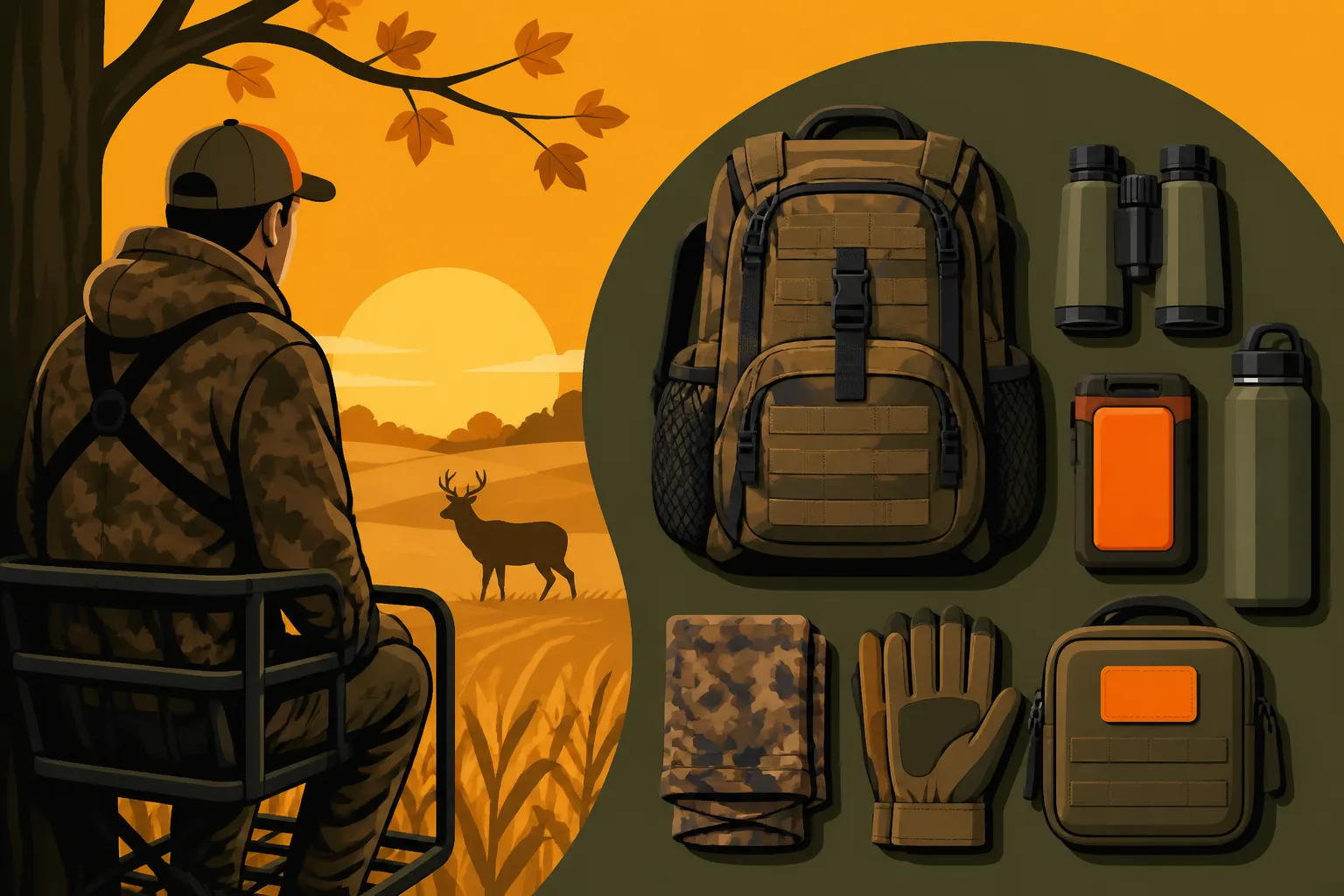
Now that you know what to pack, let's talk about the container. Pack sizes are often measured in liters or cubic inches. For a day in the stand, you're generally looking at packs in the 1500 to 3000 cubic inch (25-50 liter) range.
Pack Types and Features
The best pack for you depends on your hunting style and budget.
- Daypacks: These are the most common for single-day hunts. They are typically lightweight, offer good organization, and have sufficient capacity for essentials. Look for quiet fabrics, durable zippers, and comfortable shoulder straps. Some daypacks even have external pockets or lashing points for items like climbing sticks or a jacket that won't fit inside.
- Framed Packs (Internal or External): While often associated with multi-day backcountry hunts, some smaller framed packs can be beneficial for day hunts if you anticipate heavy loads out, like if you're planning to quarter a deer in the field or haul in bulky late-season clothing. A frame helps distribute weight to your hips, saving your shoulders. They might be overkill for lighter loads, though.
- Lumbar Packs/Waist Packs: For true minimalist hunters, a lumbar pack can carry just the bare essentials. These are fantastic for keeping your upper body free for bowhunting, but they severely limit how much gear you can bring. You'll likely need to attach items like water bottles or a jacket externally.
Here's a quick comparison of common pack sizes for a day in the stand:
| Pack Size (Cubic Inches / Liters) | Typical Use Case | Pros | Cons |
|---|---|---|---|
| 1000-1500 CI (15-25L) | Early Season, Minimalist, Short Walks | Very light, less bulk, easy to maneuver | Limited capacity, less versatile |
| 1500-2500 CI (25-40L) | Mid-Season, Most Common Day Hunt, Versatile | Good balance of capacity & weight, fits layers | Can be bulky if overstuffed |
| 2500-3000 CI (40-50L) | Late Season, Packing in Bulky Outerwear, Quartering | Ample room for heavy gear & meat | Heavier, can be cumbersome on long walks |
Key Features to Look For
When you're browsing packs, keep these features in mind:
- Quiet Fabric: This is paramount. Nylon or polyester fabrics should be brushed or have a soft, quiet finish to prevent rustling against branches or your clothing.
- Comfortable Straps and Hip Belt: Even for a daypack, a well-padded hip belt can make a huge difference in comfort, especially if you're hauling out a full pack after a successful hunt.
- Accessibility and Organization: Multiple pockets, both internal and external, help keep your gear organized and easily accessible. A dedicated hydration sleeve is a bonus. Some packs are designed with quick-access pockets for rangefinders or calls.
- Compression Straps: These are invaluable. They allow you to cinch down your pack to prevent items from shifting and making noise, and they also provide external lashing points for a jacket you shed or even a retrieved shed antler.
- Water Resistance: Iowa weather can turn on a dime. A pack made from water-resistant material or one that comes with a built-in rain cover is a smart choice.
Brands like ALPS OutdoorZ and Badlands offer a good range of hunting-specific packs with many of these features. Do some research and read reviews to see what other hunters are using in similar conditions.
Strategic Packing for Efficiency and Silence
Having the right pack is only half the battle; knowing how to pack it is just as important. A well-packed bag can make your hunt smoother, quieter, and more enjoyable.
Prioritize and Organize
Think about what you'll need first, and what you might need quickly.
- Top/Quick Access: Items you'll need right away or frequently should be easily accessible. This includes your rangefinder, grunt tube, a snack, or a compact pair of binoculars (if not worn on a harness). Headlamps often live here, too, because you'll need it for the pre-dawn walk.
- Middle/Main Compartment: Bulkier items like extra layers, your first aid kit, water bladder, and larger snacks belong here. Keep items that might make noise (like a metal water bottle) wrapped in a soft cloth or placed between quieter items.
- Bottom/Seldom Used: Rain gear, if you don't anticipate needing it immediately, or emergency fire-starting supplies can go at the bottom. Some hunters also place their field dressing kit at the bottom if they prefer to quarter a deer in the field only after the hunt is over.
Maximizing Space and Minimizing Noise
Every hunter develops their own packing system, but these tips are universally helpful:
- Roll or Compress Clothing: Rolling clothes tightly saves space and can reduce wrinkles. Compression sacks are fantastic for bulky items like puffy jackets or bibs, allowing you to fit a surprising amount into a smaller space.
- Use Small Pouches/Bags: Small, quiet stuff sacks or zip-lock bags can keep similar items together (e.g., first aid, fire starters, spare batteries) and prevent them from rattling around. This also adds a layer of protection against moisture.
- Eliminate Rattles: This is huge. Empty spaces in your pack allow items to shift and clank. Pad hard objects with soft clothing. Wrap calls in fleece. If you use rattling antlers, consider quiet synthetic versions or make sure they're secured tightly. Before you leave the truck, give your pack a good shake and listen for any unexpected noises.
- External Carry: Items like climbing sticks for Mobile Saddle Hunting in Iowa or a folded ground blind can often be strapped to the outside of your pack, freeing up internal space. Just make sure they are secure and don't create noise as you move.
By thoughtfully considering what you need, how to access it, and how to keep it quiet, you can transform your hunting pack from a potential burden into a valuable asset. Whether you're using the latest gear or budget-friendly options, the principles of smart packing remain the same. And remember, before you head out, use a tool like GoHunt to double-check your hunting area details and ensure you're fully prepared for the specific conditions you'll face.
Disclaimer
This article is for general informational purposes only and does not constitute professional advice. Laws, prices and regulations vary by location and change over time. Consult a qualified professional for guidance on your specific situation.