Iowa Deer Harvest Totals by Season
Every Iowa deer hunter, myself included, has been there: pouring over last year's harvest data, trying to figure out if our favorite timber block gave up more deer during shotgun season or if the archery guys cleaned house. It's not just curiosity; understanding those harvest totals by season can be a game-changer for planning your own hunt, giving you a realistic picture of where and when success is most likely. This guide is going to break down how those numbers generally shake out across Iowa's varied seasons, helping you strategize your next pursuit.
Why Tracking Iowa Deer Harvest Totals Matters to Hunters
When you look at the raw numbers of deer harvested in Iowa, it's easy to feel overwhelmed. But if you take a step back and examine those totals broken down by season, a clearer picture emerges. This isn't just data for the biologists; it's vital information for us, the hunters who spend countless hours in the field. Knowing which seasons consistently yield more deer, and in what specific areas, allows you to make more informed decisions about everything from applying for tags to choosing your hunting dates and even the type of weapon you'll carry.
Think about it: if the harvest numbers for the early muzzleloader season consistently show a lower success rate in your chosen zone compared to the second shotgun season, that might influence whether you dedicate vacation time to one over the other. It helps manage expectations and, more importantly, can point you toward areas or seasons that align better with your personal hunting style and goals. It also provides a snapshot of deer herd health and pressure. A season with historically high harvest numbers might mean more competition, while a consistently lower harvest could indicate less pressure, or perhaps fewer deer, which requires further investigation. Many hunters use tools like GoHunt to dive into these specific data sets, comparing past performance to inform future plans. It’s about more than just a number; it’s about context and strategy.
Deciphering the Annual Harvest Report
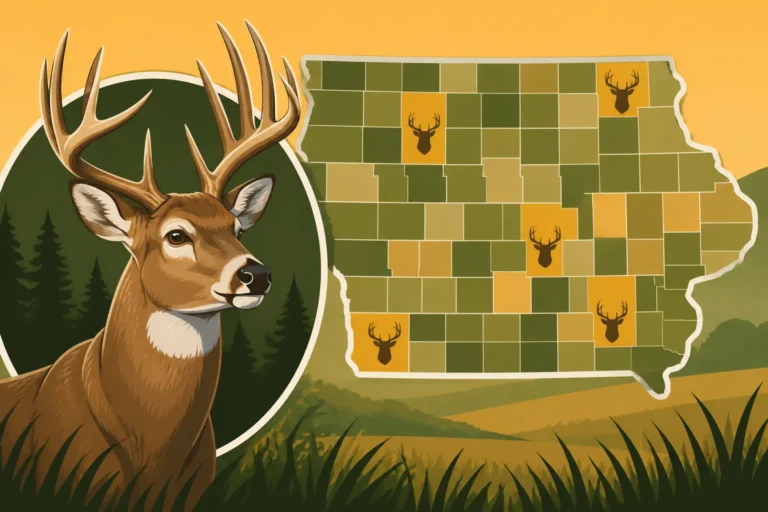
The Iowa Department of Natural Resources (DNR) compiles a comprehensive harvest report each year, and it’s a goldmine if you know how to read it. These reports typically break down the total deer harvested by weapon type (archery, shotgun, muzzleloader, straight-wall cartridge rifle, handgun) and by specific season dates. They often include county-level data, which is incredibly useful for pinpointing hotspots or understanding localized trends. You'll see separate figures for antlered bucks, antlerless deer, and even button bucks, giving you insight into the overall herd composition and management efforts.
Looking at these reports, you'll quickly notice that the total harvest isn't spread evenly across the year. Certain seasons, due to hunter numbers, weapon effectiveness, or deer behavior, consistently account for a much larger portion of the annual take. For instance, the gun seasons generally see a massive surge in harvest numbers compared to the more specialized seasons. Understanding these fluctuations can guide your decision-making. You might consider applying for an antlerless tag in a county with a high antlerless harvest to help balance the herd, or focus your efforts during a season known for producing larger bucks. The key is to dig into the details and not just look at the statewide sum.
Factors Influencing Harvest Success
Several factors play into why certain seasons have higher or lower harvest totals. Hunter participation is a huge one; more hunters in the woods often mean more deer harvested, assuming the deer population can support it. This is particularly evident during the opening weekends of the shotgun seasons. Weather also plays a massive role. A mild, open winter can lead to higher deer survival, potentially increasing the population for the next year, while a harsh winter with deep snow can have the opposite effect. Similarly, warm weather during early bow season might keep deer nocturnal, making them harder to harvest.
Habitat changes, such as extensive timber cutting or new agricultural practices, can shift deer patterns and, by extension, harvest success. Disease outbreaks, like Epizootic Hemorrhagic Disease (EHD), can locally decimate deer populations, leading to noticeable drops in harvest numbers in affected counties for a year or two. Regulations also directly impact totals. Changes to antlerless quotas, season lengths, or even weapon restrictions can significantly alter how many deer are taken each year. For example, the introduction of straight-wall cartridge rifles has shifted some harvest from traditional shotgun methods. These interconnected factors paint a complex picture that helps explain the ebbs and flows of Iowa's deer harvest.
A Closer Look at Iowa's Archery Season Harvests
For many, bowhunting is the purest form of deer hunting, and Iowa's archery season is highly anticipated. The season is long, running from early October, often closing briefly for the shotgun seasons, and then reopening to extend into January. This extended timeframe allows for diverse hunting conditions, from warm early-season days to frigid late-season stands.
While the archery season spans a considerable portion of the hunting calendar, it generally accounts for a smaller percentage of the total annual deer harvest compared to the gun seasons. This isn't due to a lack of deer, but rather the inherent challenges of bowhunting. The close range required, the precision of the shot, and the need for deer to be undisturbed and often unaware of your presence, all contribute to a lower overall success rate per hunter, even if the total number of archery hunters is substantial. It's a testament to the skill and patience of bowhunters.
Early Archery Season Trends
The early part of Iowa's archery season, typically running through October, often sees a significant portion of the archery harvest. Hunters are eager to get out, and deer patterns can be somewhat predictable as they still focus heavily on food sources. You'll often find deer still moving to and from agricultural fields in the mornings and evenings. However, deer activity during this time can be heavily influenced by weather. Warm temperatures can make deer largely nocturnal, leading to frustrating sits and lower daytime movement. Many hunters employ strategies like Early-Season Bowhunting Over Water during these warmer periods.
Despite the potential for warm weather, the early season offers unique opportunities. Bucks are still often in bachelor groups, and before the full swing of the rut, they might follow more consistent patterns. As October progresses into the pre-rut, deer activity picks up, leading to increased harvest numbers for archers. Hunters who spend time Scouting Iowa Timber and River Bottoms before the season often have an advantage, as they've identified prime bedding and feeding areas. This meticulous preparation is crucial for success during these early weeks.
Late Archery Season Harvests and Opportunities
After the hustle and bustle of the shotgun seasons, Iowa's archery season reopens, offering a different set of challenges and opportunities. The late archery season, which runs through December and into January, typically sees fewer hunters in the woods. This reduced pressure can sometimes work in a bowhunter's favor, allowing deer to revert to more natural patterns. However, the deer themselves are often more wary, having been pressured by gun hunters for several weeks.
The key to success in the late archery season is often finding reliable food sources. Standing corn, picked soybean fields, and winter food plots become magnetic attractions for deer trying to pack on calories during the colder months. Hunters often focus on these areas, using tactics similar to those employed during Late-Season Food Source Hunting in Iowa. While the overall number of deer harvested during this late period might be lower than the early season, the quality of the hunting can be exceptional for those willing to brave the cold and adapt their strategies. It's a time when many mature bucks, having survived the gun seasons, become visible as they prioritize feeding.
The Impact of Iowa's Gun Seasons on Deer Harvest
Without a doubt, Iowa's gun seasons — primarily the two shotgun seasons and the option for straight-wall cartridge rifles — account for the largest percentage of the state's annual deer harvest. These seasons are incredibly popular, drawing a massive number of resident and nonresident hunters alike. The increased hunter density, combined with the effective range and power of firearms, means that more deer are taken during these concentrated periods than any other time of year.
The energy and excitement during gun seasons are palpable. For many families and groups of friends, it's a tradition. The ability to cover more ground, especially with party hunting tactics, also contributes to the higher harvest numbers. While some hunters might feel the pressure of so many people in the woods, others embrace the camaraderie and the unique challenges of hunting during these high-volume times.
First and Second Shotgun Season Contributions
Iowa typically has two distinct shotgun seasons, each lasting several days, usually in early to mid-December. The First Shotgun Season often sees an immense number of hunters in the field, leading to a very high harvest in a short period. Deer movement is naturally high due to the hunting pressure, but also because it often coincides with the tail end of the rut or post-rut activity. Many hunters organize Shotgun Season Drives in Small Timber to move deer out of heavy cover, which can be highly effective.
The Second Shotgun Season, while still incredibly popular, might see a slight drop in hunter numbers compared to the first, but it still contributes heavily to the overall harvest. By this point, deer have been pressured for weeks, and they often become more nocturnal or seek out the thickest, nastiest cover they can find. Hunters often adjust their strategies, focusing on dense bedding areas or late-season food sources. Understanding the Iowa Deer Season Dates by Weapon is crucial for planning your participation in these high-impact seasons.
Straight-Wall Cartridge Rifles and Their Role
The relatively recent inclusion of straight-wall cartridge rifles has provided Iowa hunters with another powerful tool during the gun seasons, often alongside shotguns. These rifles, such as the .450 Bushmaster or .350 Legend, offer increased accuracy and effective range compared to traditional slugs, especially at longer distances. This advancement has undeniably contributed to the overall efficiency of the gun seasons, potentially allowing hunters to make more precise shots and recover deer more reliably in open field situations.
While shotguns and slugs remain a staple, the straight-wall option has become popular for those hunting larger, more open tracts of farm country or areas with longer sightlines. The impact on total harvest numbers is likely intertwined with the overall gun season figures, but it represents a technological evolution in how deer are pursued in Iowa. Hunters using services like GoHunt might study the harvest data to see if specific counties show a trend towards higher success rates with these newer firearm options.
Muzzleloader and Late-Season Antlerless Opportunities
Beyond the main archery and shotgun seasons, Iowa offers several other significant deer hunting opportunities that contribute to the state's overall harvest totals. These seasons, while often drawing fewer hunters than the main gun seasons, are critical for herd management and provide unique challenges and rewards for dedicated hunters.
The early and late muzzleloader seasons, along with the January antlerless season, allow hunters to extend their time in the field and play a vital role in balancing the deer population. These seasons often require different tactics and a higher degree of perseverance due to weather conditions or the wariness of pressured deer.
Early and Late Muzzleloader Harvests
Iowa's Early Muzzleloader Season, which usually falls in mid-October, is a fantastic opportunity for hunters who enjoy the challenge of primitive weapons. This season often coincides with the early phases of the rut, offering exciting hunting, but it typically sees lower hunter numbers than the later gun seasons. As such, its contribution to the overall harvest, while important, is generally smaller. Hunters during this time often experience relatively mild weather, though rain and fluctuating temperatures are always a possibility, requiring attention to keeping your powder dry.
The Late Muzzleloader Season, often held in the latter half of December, provides a more challenging, colder hunt. Deer have been through the archery and shotgun seasons, making them incredibly wary. Success often hinges on finding prime food sources and enduring long, cold sits. The harvest during this season is often lower than the early muzzleloader, but it offers a chance at a late-season buck that has survived earlier pressures. Late Muzzleloader Deer Hunting in Iowa requires a specific mindset and preparation. Both muzzleloader seasons are crucial for managing portions of the herd that might evade other weapon types.
January Antlerless Seasons
The January Antlerless Season is perhaps the most direct and crucial component of Iowa's deer herd management strategy. These hunts, which often run for most of January, are specifically designed to reduce the female deer population in areas where needed. By controlling doe numbers, the state helps manage herd health, reduce crop damage, and ensure a balanced buck-to-doe ratio for future seasons. Consequently, these seasons contribute significantly to the total antlerless harvest each year.
Hunters participating in Iowa January Antlerless Hunts are performing a valuable service to the overall health of the deer population. Success during this period often relies on identifying concentrated food sources, as deer are keenly focused on survival during the depths of winter. The colder weather means deer need to feed frequently, often pushing them to open fields during daylight hours. While not as high-profile as the trophy buck hunts of the rut, these late-season hunts are fundamental to the long-term sustainability of Iowa's robust deer herd and contribute a substantial number of deer to the state's total harvest figures.
Summary of General Harvest Contributions by Season
To give you a clearer picture of how Iowa's annual deer harvest generally breaks down, here's a simplified overview. Remember, exact numbers fluctuate yearly based on factors like weather, deer populations, hunter participation, and specific regulations, but the general proportions tend to hold true. This table isn't about specific counts but rather the relative impact each season typically has on the overall take.
| Season Type | Typical Contribution to Total Harvest | Key Characteristics & Hunter Experience |
|---|---|---|
| Archery Season (Early & Late) | Moderate | Long season, requires skill, less crowded than gun seasons, good for targeting specific bucks. |
| First Shotgun Season | Very High | Most popular, highest hunter density, intense deer movement, often involves party hunting. |
| Second Shotgun Season | High | Still very popular, deer are more pressured, often colder, focuses on dense cover or food sources. |
| Early Muzzleloader Season | Low to Moderate | Less crowded, primitive weapon challenge, often pre-rut conditions, unique October opportunity. |
| Late Muzzleloader Season | Low | Very challenging, cold weather, wary deer, focus on survival feeding, fewer hunters in the woods. |
| January Antlerless Season | Moderate (for antlerless deer) | Herd management focus, cold weather, critical for population control, fewer hunters than gun seasons. |
| Youth/Disabled Hunter Seasons | Low | Special opportunities, designed to introduce new hunters or accommodate specific needs, minimal pressure. |
This table illustrates why the gun seasons dominate the harvest reports. They are designed for efficiency and broad participation. However, every season plays a role in Iowa Deer Herd Management and Harvest, contributing to the comprehensive data that informs future decisions. Understanding these general trends, especially in conjunction with tools like those from GoHunt, can help you not only anticipate your own hunting prospects but also appreciate the broader dynamics of deer hunting in the Hawkeye State. Whether you're chasing a trophy buck during the When the Iowa Rut Peaks or filling a freezer with an antlerless tag, every deer harvested contributes to this larger picture.
How Harvest Data Informs Future Management and Hunter Strategy
The collection and analysis of deer harvest totals by season are far more than just historical records; they are critical tools for wildlife managers and savvy hunters alike. For the Iowa DNR, this data is the backbone of their management decisions, influencing everything from tag quotas to season structures. For hunters, it's a window into herd health and hunting pressure, allowing for more strategic planning.
When you see a dip or surge in harvest numbers for a particular season or county, it's not just a random occurrence. It prompts questions: Was it due to harsh winter conditions? An EHD outbreak? Or perhaps a change in agricultural practices or habitat availability? The Iowa DNR uses these trends, alongside other data points like roadkill counts, aerial surveys, and hunter observation surveys, to paint a complete picture of the deer population. This comprehensive approach ensures that Iowa's deer herd remains healthy and sustainable for generations to come.
Understanding Herd Health and Population Trends
One of the primary reasons for meticulously tracking harvest totals is to monitor the health and population trends of Iowa's whitetail deer. If the antlerless harvest in a specific county consistently falls below the target, it might indicate that the doe population is higher than desired, potentially leading to increased crop damage or a decline in overall herd health due to overbrowsing. Conversely, a rapidly declining buck harvest might signal that too many young bucks are being taken, affecting the age structure of the herd. This is crucial for managing Why Iowa Grows Trophy Whitetails.
By analyzing these figures, wildlife managers can adjust future regulations, such as increasing or decreasing antlerless tag allocations in certain zones. They can also identify areas where disease, like Chronic Wasting Disease (CWD), might be impacting the herd, prompting targeted testing and management efforts. Understanding How Iowa Counts Its Deer Herd gives you insight into the science behind these decisions, which ultimately aim to maintain a robust and resilient deer population across the state. This data-driven approach is what allows Iowa to consistently offer incredible hunting opportunities.
Planning Your Next Iowa Deer Hunt
For individual hunters, the annual harvest report is an invaluable resource for planning future hunts. Let's say you're a nonresident planning a trip to Iowa. You'd want to look at Iowa Nonresident Deer Draw Explained and then check the harvest data by county for your preferred zone and season. If a particular county consistently shows high success rates for archery bucks, it might be worth focusing your scouting efforts there. If you prefer to hunt with less pressure, you might look for seasons or counties with historically lower hunter numbers and a consistent, albeit smaller, harvest.
This data allows you to align your expectations with reality. If you're hunting a county known for its trophy potential but with a lower overall deer density, your harvest expectation might be different than if you're hunting a high-density area primarily for meat. Using online platforms that integrate this data, like GoHunt, can further enhance your planning by providing visual overlays and detailed analysis. This isn't just about finding the "best" spot; it's about finding the right spot for your hunting goals and increasing your chances of success and enjoyment in the field. Every piece of information, from Hunting Pressure After Opening Weekend to county-level harvest trends, contributes to a more informed and ultimately more rewarding hunting experience.
Disclaimer
This article is for general informational purposes only and does not constitute professional advice. Laws, prices and regulations vary by location and change over time. Consult a qualified professional for guidance on your specific situation.