How Iowa Sets County Doe Quotas
It can be incredibly frustrating to plan your Iowa deer hunt, only to find that the antlerless tags you were banking on are either unavailable in your preferred county or have completely sold out before you even had a chance. The truth is, Iowa’s deer management isn’t a one-size-fits-all approach; it's a dynamic system with county-specific quotas for antlerless deer, designed to balance herd health, agricultural concerns, and hunter opportunity. This guide will pull back the curtain on exactly how Iowa sets these crucial county doe quotas, giving you the insights you need to understand the process and plan your hunts effectively.
The Foundation: Why County-Specific Doe Quotas Exist
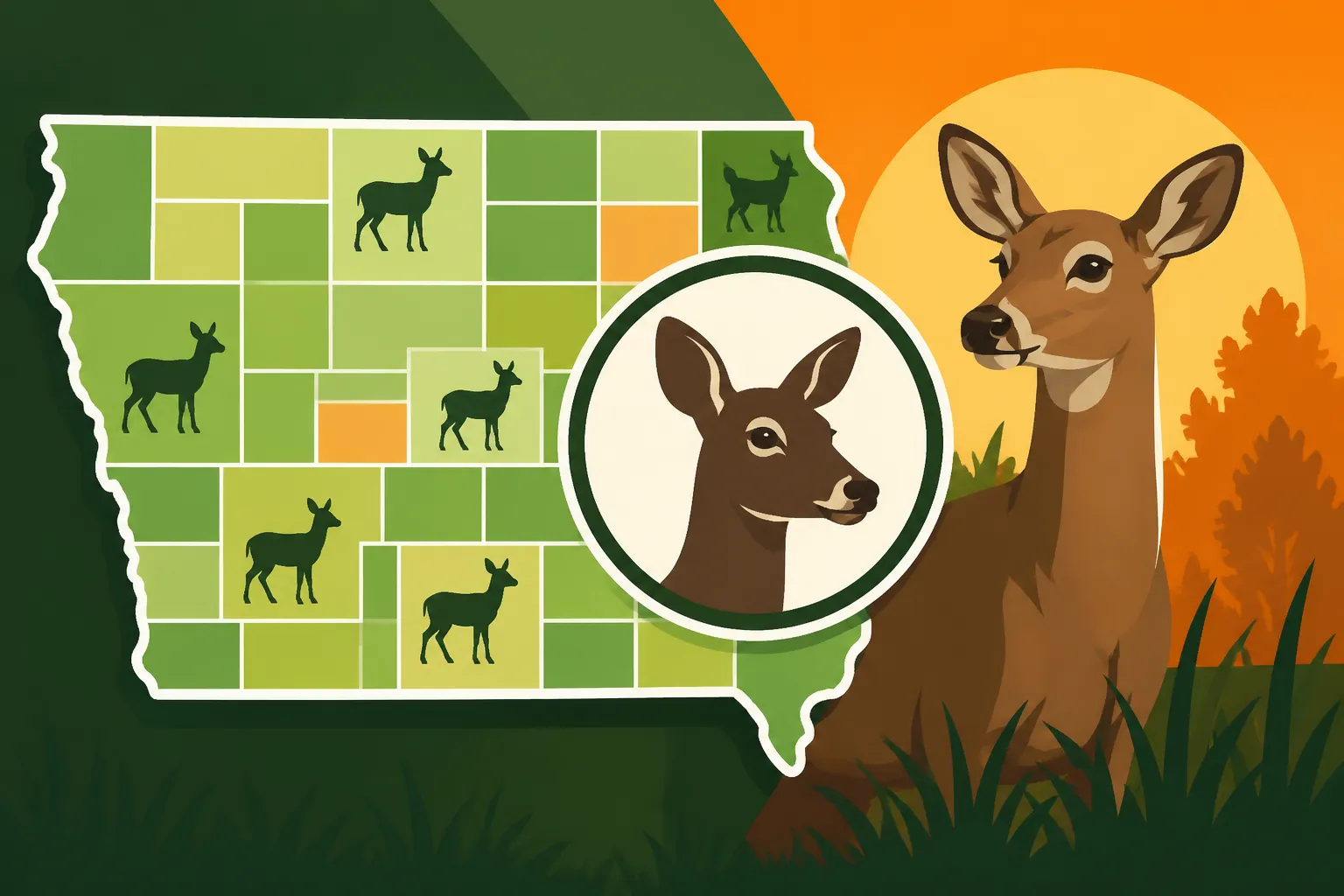
First off, let's talk about why Iowa even bothers with county-specific antlerless quotas. It’s not just to make your life harder, I promise! Iowa's landscape is incredibly diverse, even within the state lines, and so are its deer populations. What works for managing deer in the vast timber blocks of southern Iowa might not be appropriate for the highly fragmented agricultural areas of the north-central region, or the rugged driftless areas of the northeast. This regional variation demands a nuanced approach to deer management.
Balancing Deer Populations and Landowner Interests
One of the primary drivers behind these localized quotas is the need to balance healthy deer populations with the interests of landowners, particularly farmers. Iowa is an agricultural powerhouse, and deer can cause significant damage to crops, especially corn and soybeans. When deer numbers get too high in a particular area, crop damage complaints escalate, and the overall tolerance for deer in that community can plummet. The state aims to manage deer populations at levels that minimize these conflicts while still providing ample hunting opportunities.
Imagine a situation in a highly productive row crop county in central Iowa. Without effective antlerless harvest, deer populations could explode, leading to widespread crop depredation that costs farmers thousands of dollars. Conversely, in a timber-rich county with less intensive agriculture, a slightly higher deer density might be tolerated and even desired by hunters, as long as the habitat can support it without significant ecological stress. These different scenarios necessitate different management goals and, by extension, different antlerless quotas. The goal is to keep the herd in check where it needs to be, and allow it to thrive where the habitat is abundant.
Data-Driven Decision Making
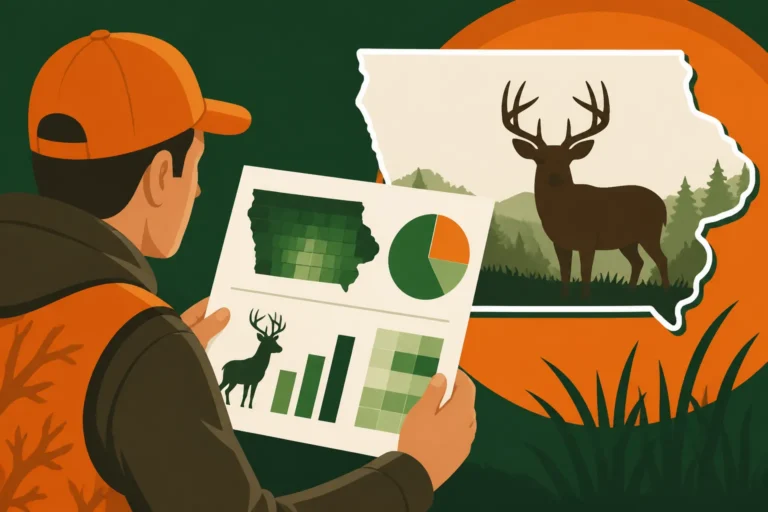
The Iowa Department of Natural Resources (DNR) doesn’t just pull these numbers out of a hat. Their decisions are rooted deeply in scientific data and population models. Each year, they collect a massive amount of information to get a clear picture of the state’s deer herd. This data isn't just about how many deer are seen, but about health, age structure, reproductive rates, and more. It’s a complex puzzle, and every piece of data helps them refine their understanding of what’s happening on the ground in each county.
This commitment to data-driven management is vital for the long-term health of the herd and the sustainability of hunting in Iowa. Without accurate information, quotas could be set too high, leading to overharvest and population declines, or too low, resulting in unchecked growth and the issues that come with it. Hunters play a crucial role in providing some of this data, especially through harvest reporting, which we’ll discuss more in a bit.
The "How": Factors Influencing Quota Calculations
So, what specific factors does the Iowa DNR consider when they sit down to crunch the numbers for each county's doe quota? It’s a multi-faceted process that looks at both long-term trends and recent events. They’re trying to predict how many antlerless deer need to be harvested to achieve specific population goals in the coming season, and that takes a lot of information.
Harvest Data and Population Trends
One of the most critical pieces of the puzzle is past harvest data. When hunters report their deer harvest online, that information becomes invaluable. The DNR looks at how many antlerless deer were harvested in each county during previous seasons, broken down by weapon type and season segment. This helps them understand the effectiveness of prior quotas and the overall hunting pressure on does. If the harvest was significantly lower than the quota, it might suggest the quota wasn't aggressive enough, or hunter interest was low. If it was met quickly, it might indicate strong hunter demand or an accurate assessment of population.
Beyond just raw numbers, they also analyze trends. Is the overall deer population in a county increasing, decreasing, or stable? They use models that incorporate fawn recruitment rates, natural mortality, and harvest data to estimate population trajectories. This allows them to forecast what might happen if they adjust quotas up or down. A county showing consistent population growth might see an increase in its antlerless quota, while a county experiencing a decline might see a reduction. This continuous cycle of data collection and analysis is how Iowa strives for precise management. Many serious hunters use resources like GoHunt to dig into public harvest reports and historical draw odds to anticipate these changes themselves.
Roadside Surveys and Hunter Observations
While harvest data provides a solid foundation, it doesn't tell the whole story. The DNR also conducts roadside deer surveys, especially in agricultural areas, to get a direct count of deer observed. These surveys provide an independent measure of deer density in various parts of the state. While not perfect, they offer another data point to cross-reference with harvest data.
In addition to formal surveys, the DNR also values hunter observation surveys. Many dedicated deer hunters participate in programs where they record the number of deer, bucks, and does they see while hunting or scouting. This grassroots data, when compiled from thousands of hunters, can reveal important insights into local deer densities and herd composition that might not be captured by other methods. For example, if hunters in a particular area are consistently reporting very high doe-to-buck ratios, it could signal a need for increased antlerless harvest. This collective effort highlights the partnership between the DNR and the hunting community in managing the state’s deer herd.
Agricultural Damage and Disease Concerns
Crop damage complaints from farmers are a very tangible indicator that deer populations might be exceeding socially acceptable levels in certain areas. The DNR monitors these complaints closely, as they directly reflect the economic impact deer can have on rural communities. A surge in depredation reports in a specific county can certainly lead to a more aggressive antlerless quota for that region. It’s a direct response to a real-world problem.
Another critical factor, and one that has grown significantly in importance, is the presence and spread of Chronic Wasting Disease (CWD). CWD is a fatal neurological disease affecting deer, and managing its spread is a top priority. In counties where CWD has been detected or is a concern, the DNR may implement special antlerless quotas or management zones to reduce deer density, which can help slow the transmission of the disease. This is a tough decision, as it often means increasing harvest pressure, but it's vital for the long-term health of the entire deer herd. Hunters should always be aware of Iowa CWD Mandatory Sampling Counties and carcass transport rules to do their part in disease management.
Impact on Hunters: Navigating the Quota System
Understanding how Iowa sets county doe quotas is one thing, but knowing how it impacts your hunting strategy is another. The quota system directly affects tag availability, the timing of your application, and ultimately, where you might focus your hunting efforts.
Antlerless Tag Availability and Draw Odds
For resident hunters, antlerless tags are generally easier to come by, especially in counties with higher quotas. However, even for residents, popular counties with prime habitat can see their limited antlerless tags sell out quickly. For non-resident hunters, the impact is even more pronounced. The number of non-resident antlerless tags is very limited and often tied to drawing an "any-deer" tag in specific zones. Knowing the history of Iowa Nonresident Deer Draw Explained and understanding how the system works is key. The availability of these tags directly correlates with the county quotas and the demand for them.
If a county has a consistently high antlerless quota, it often means the DNR is actively trying to reduce or stabilize the deer population there. This can be good news for hunters seeking more opportunities. Conversely, a county with a very low or non-existent antlerless quota signals a tighter management approach, perhaps due to lower deer numbers or specific management goals. Hunters must check the Iowa DNR's official regulations and tag availability information meticulously before applying. Resources like the Iowa hunting atlas, often layered with data from platforms like GoHunt, can help you visualize these trends and make informed decisions on where to apply.
Planning Your Hunt: Flexibility is Key
Given the variability of county doe quotas, being flexible in your hunting plans is absolutely essential. Don't set your heart on a single county if antlerless tags are a major part of your strategy, especially if you're a non-resident or planning a late-season hunt. It’s always a good idea to have backup county options. When you're considering Iowa January Antlerless Hunts, for example, you might find that certain counties still have tags available while others are long gone, simply due to differing quotas and hunter pressure.
Another aspect of flexibility involves weapon choice. While antlerless tags are usually tied to specific seasons, understanding the overall quota can give you a better idea of how many deer will be removed from the herd before your chosen season. This can subtly influence deer behavior, especially if a significant number of does are harvested during the early archery or shotgun seasons. Being prepared to adapt your tactics, whether it’s focusing on different food sources or adjusting your stand locations, will increase your success.
Navigating the Application Process and Beyond
Understanding the "why" and "how" of doe quotas is a great start, but the rubber meets the road when it comes to the actual application process and staying informed. It’s a system that rewards proactive hunters.
Checking Quota Information and Applying Early
The Iowa DNR publishes its county antlerless quotas well in advance of the application periods. It is your responsibility as a hunter to consult the most current Iowa hunting regulations booklet or the DNR website for these numbers. This information is usually available before the primary application window, which often runs through Iowa's May to June Application Window. Don't wait until the last minute!
As soon as quotas are announced, especially for non-residents or popular resident counties, the race is on. Many county antlerless tags, particularly in prime deer hunting regions, can sell out extremely fast. Applying as soon as the application period opens significantly increases your chances of securing the tags you want. Remember that these specific tags are in high demand because they offer additional opportunities to fill your freezer or manage local deer populations on private land.
The Role of Hunter Harvest Reporting
The system relies heavily on hunter participation in harvest reporting. Every time you tag an Iowa deer, whether it's an antlered buck or an antlerless doe, you are legally required to report that harvest to the Iowa DNR. This isn't just a bureaucratic hurdle; it's a critical component of how Iowa manages its deer herd and, by extension, sets future doe quotas.
When you report your deer, that data is fed into the larger system. It tells the DNR how many deer were taken in each county, by which weapon, and during which season. This allows them to monitor the progress toward meeting the county’s antlerless quota and adjust future quotas accordingly. Without accurate and timely harvest reports, the DNR would be flying blind, making it much harder to implement effective management strategies. So, view harvest reporting not as a chore, but as your direct contribution to sound wildlife management in Iowa. You can learn more about Iowa Deer Harvest Reporting Rules to ensure you're always compliant.
Here's a simplified look at the general flow of quota determination:
| Step | Description | Key Data Inputs | Hunter Action/Impact |
|---|---|---|---|
| 1. Data Collection | DNR gathers comprehensive information on deer populations throughout the year. | Previous harvest reports, roadside surveys, hunter observations, CWD surveillance, crop damage complaints. | Hunters report harvest, participate in observation surveys. |
| 2. Population Assessment | DNR analyzes data to estimate current county deer densities and population trends. | Data from Step 1, population models, habitat assessments. | Provides context for future tag availability. |
| 3. Management Goal Setting | DNR determines desired population levels for each county based on ecological and social factors. | Regional management plans, landowner input, disease concerns. | Directly influences how many tags might be issued. |
| 4. Quota Calculation | DNR calculates the number of antlerless deer that need to be harvested to meet management goals. | Population estimates, desired harvest rates, previous season's tag fill rate. | Dictates actual number of antlerless tags released per county. |
| 5. Quota Publication & Sale | Antlerless quotas are announced, and tags become available for purchase during specified windows. | Finalized quotas. | Hunters must check availability, apply early. Impact on When Iowa Antlerless Tags Sell Out. |
| 6. In-Season Monitoring | DNR monitors harvest rates against quotas throughout the hunting seasons. | Real-time harvest reports. | Could lead to tags selling out faster or being available longer. |
| 7. Post-Season Review | DNR evaluates the effectiveness of the quotas and prepares for the next management cycle. | Season-end harvest totals, hunter feedback. | Feeds into the next year's quota decisions. |
Conclusion: Empowering Your Iowa Hunt
Understanding how Iowa sets its county doe quotas gives you a significant advantage as a hunter. It moves you beyond simply hoping for a tag to strategically planning your applications and hunts based on data-driven insights. While the process is complex, it’s designed to foster healthy deer populations across the state, ensuring that Iowa remains a premier destination for deer hunting for years to come. By staying informed, contributing through harvest reports, and being flexible with your hunting locations, you can navigate the system successfully and enjoy more rewarding seasons in the field.
Disclaimer
This article is for general informational purposes only and does not constitute professional advice. Laws, prices and regulations vary by location and change over time. Consult a qualified professional for guidance on your specific situation.