Spring Rain and Poult Survival
One of the most heart-wrenching realities for anyone passionate about Iowa's wild turkeys is the vulnerability of their youngest. Spring, while a time of renewal, often brings unpredictable weather, and heavy, cold rains can devastate turkey poults, making their survival a challenging uphill battle. This guide will delve deep into how spring rain impacts these tiny turkeys, the critical factors influencing their chances, and what we as hunters and conservationists can understand to support healthy turkey populations across our beautiful state.
The Delicate Start: Why Spring Rain is a Major Threat to Iowa Turkey Poults
It’s easy to think of a turkey hen as this robust, resilient creature, but when it comes to her newly hatched brood, their world is incredibly fragile. A sudden cold snap coupled with persistent rain can spell disaster before they even have a fighting chance. Understanding why they are so vulnerable is the first step.
The Biology of a Young Poult's Vulnerability
Turkey poults are precocial, meaning they are born relatively mature and mobile. They can walk and forage shortly after hatching, which is fantastic for finding food quickly. However, they lack one crucial defense: the ability to regulate their own body temperature effectively, especially when wet. Unlike adult turkeys with their fully developed feathers that shed water, a poult's downy covering quickly becomes saturated. Once that happens, their tiny bodies lose heat rapidly.
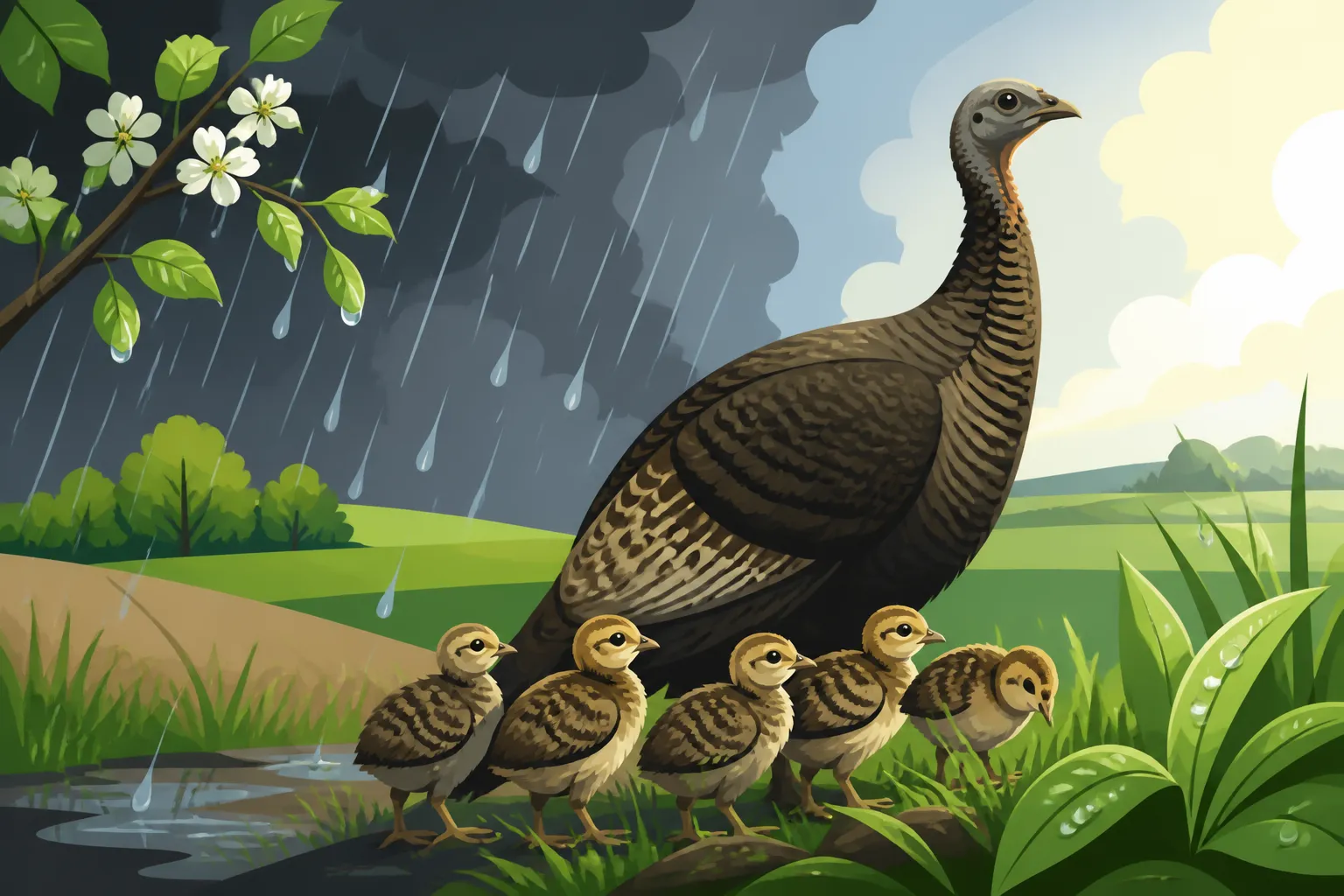
Imagine a newborn chick, soaked to the bone, with no way to get warm. That's the reality for a poult caught in a cold spring rain. Their metabolic rate isn't high enough to generate the necessary heat to dry off and warm up, particularly in the first few weeks of life. This is why you often see hens with their poults huddled tightly underneath them; it’s not just for protection from predators but for critical thermal regulation. Without the hen’s body heat, a poult can succumb to hypothermia incredibly quickly. This period of extreme vulnerability lasts for several weeks until their true feathers develop enough to offer better insulation and waterproofing.
The Role of the Brood Hen and Nest Site Selection
The hen is the poults' entire world for those crucial early weeks. Her instincts drive her to find the safest, most protective nesting site possible. She’s looking for dense cover that offers concealment from predators but also a degree of shelter from the elements. This often means areas with thick undergrowth, tall grasses, or brushy thickets along timber edges. However, even the best-chosen nest site might not be enough to ward off severe weather.
After hatching, the hen’s job shifts from incubating eggs to brood-rearing. She leads her poults to food sources, teaches them what to eat, and, most importantly, provides constant warmth and shelter. When a cold rain hits, her primary defense mechanism is to "brood" them – gather them tightly under her wings and body to shield them from the wet and cold. If the rain is too heavy, too prolonged, or coupled with dropping temperatures, even her dedicated efforts can be overwhelmed. A hen might try to move her brood to more sheltered areas, but this exposes the poults to further danger and chilling. The success of the hatch, and the subsequent survival of poults, are intrinsically tied to her ability to find and maintain suitable brood-rearing habitat, which ideally includes elevated areas or dense cover that sheds water.
Types of Spring Rain and Their Impact on Poult Survival
Not all rain is created equal when it comes to turkey poults. A light, warm shower might not be much of an issue, but a prolonged downpour or a sudden cold front can be catastrophic. Understanding the different ways rain can affect these young birds helps paint a clearer picture of the challenges they face.
Cold, Driving Rains and Hypothermia Risks
This is perhaps the most dangerous scenario for young poults. Imagine a spring day where the temperature dips into the 40s or low 50s, and a steady, cold rain begins to fall, driven by a brisk wind. The poults, being small and unable to regulate their body temperature, rapidly lose heat when their down gets wet. The wind chill exacerbates this, stripping warmth away even faster.
The hen will try her best, spreading her wings and hunkering down to shield her brood. They’ll huddle close, trying to share what little body heat they generate. But if the rain is persistent for several hours, or even a full day, the ground becomes saturated, and the air temperature remains low. The poults become lethargic, their tiny bodies struggling against the cold. Hypothermia sets in, and sadly, many will perish. This is a common factor in years where we see a noticeable dip in Iowa Turkey Population Trends a season or two later.
Prolonged Wet Periods and Disease
Beyond the immediate threat of hypothermia, extended periods of wet weather can lead to other serious problems for poults: disease. Constantly damp conditions are a breeding ground for bacteria and parasites. Poult immune systems are still developing, making them particularly susceptible to illness.
A wet, cold environment stresses their bodies, making them more vulnerable to respiratory infections or intestinal parasites. If the ground remains wet for days on end, food sources might also become contaminated, or insects and seeds become less accessible. Poults need a lot of protein in their diet to grow quickly, and if they can't forage effectively due to saturated ground, they weaken, further increasing their susceptibility to disease. This indirect impact of prolonged wetness can decimate a brood even if they survive the initial chilling effects.
Flash Floods and Habitat Disruption
While not as common as cold rains, flash floods, especially in the river bottoms or low-lying areas that Eastern Turkeys in Iowa Timber often inhabit, can be absolutely devastating. A sudden surge of water can wash away nests, separate poults from their hens, or even drown entire broods.
Turkey hens often choose nesting sites near water sources, which can be great for insects and vegetation, but it also carries inherent risks during heavy rain events. If a nest is located in a low-lying area and a significant downpour causes a creek or river to swell rapidly, the nest can be completely inundated. Even if the poults have hatched, a flash flood can scatter them, making it nearly impossible for the hen to gather them all back, especially if they are swept away by currents. This kind of extreme weather event can reshape local turkey populations by wiping out specific broods in particular areas, a stark reminder of nature's power.
Habitat and Management: Mitigating Rain's Effects on Iowa Turkey Broods
While we can't control the weather, we can understand and influence the habitat turkeys rely on. Good habitat is the first line of defense against the perils of spring rain, offering essential shelter and sustenance for vulnerable poults.
Dense Cover and Thermal Protection
Think of dense cover as nature's umbrella and blanket for poults. Areas with thick, protective vegetation are critical. This isn't just about hiding from predators, though that's a huge benefit; it's also about providing thermal cover. Evergreens, thick brush piles, multiflora rose thickets, and even standing crops can offer significant protection from driving rain and cold winds.
A hen will instinctively seek out these sheltered spots during adverse weather. Good thermal cover can reduce the amount of direct rain that reaches the poults, and the dense canopy helps trap warmer air, creating a microclimate that can be several degrees warmer than the surrounding open areas. Land managers and conservation efforts focusing on creating and maintaining diverse habitats, especially those with these types of protective cover patches, are indirectly helping to boost Iowa Wild Turkeys Across the State resilience to spring weather. This means not just timber, but also robust field edges, switchgrass stands, and other shrubby areas that provide overhead cover.
Food Sources in Wet Conditions
Poults need to eat, a lot, to grow quickly and develop their insulating feathers. Their diet in the first few weeks consists primarily of insects, which are rich in protein. These tiny protein packets are vital for their rapid development.
When the ground is soaked, or if there's standing water, it can make foraging for insects much harder. Insects might burrow deeper, or simply be less active. Therefore, areas with a variety of food sources – not just open fields but also areas with exposed dirt, gravel, or slightly elevated patches that dry out faster – become incredibly important. Forest edges, old fields with mixed forbs, and areas managed with prescribed burns (which can create new insect habitats) provide critical foraging grounds that might be more accessible even during or after wet spells. Understanding how different habitats provide for game is crucial, especially when considering factors like Nest Predation and Turkey Numbers.
Understanding Brood Rearing Habitat
Brood rearing habitat isn't just one type of cover; it's a mosaic of different elements. It includes the dense nesting cover, but also areas with abundant insects for foraging, and escape cover where poults can quickly hide from aerial or ground predators. The ideal brood rearing habitat will have these components in close proximity, allowing the hen to move her poults efficiently between feeding and resting areas without having to travel long, exposed distances.
| Rain Type | Primary Risk to Poults | Impact on Brood Hens | Habitat Mitigation |
|---|---|---|---|
| Cold, Steady Rain | Hypothermia, chilling | Stress, reduced foraging | Dense evergreens, brushy thickets, tall grasses |
| Heavy Downpour | Drowning, separation, chilling | Disorientation, nest damage | Elevated ground, mature timber canopy, rock outcrops |
| Prolonged Wet Period | Disease, food scarcity | Exhaustion, poor health | Diverse habitat, varied food sources, well-drained soil |
| Flash Flood | Displacement, drowning | Nest loss, danger to self | High ground, varied terrain, areas away from floodplains |
For landowners and conservation groups, fostering this diverse habitat means managing timber stands, maintaining early successional growth, and planting native warm-season grasses. Tools like GoHunt can be incredibly valuable for visualizing these habitat types and identifying key areas that might serve as natural refuges for turkey broods during inclement weather. By looking at aerial imagery and topo maps, you can often identify critical escape and thermal cover areas.
What Hunters Can Observe and How to Adapt
As hunters, our passion for turkeys extends beyond the pursuit of a spring gobbler. We're often the first to notice changes in wildlife populations and patterns. Understanding how rain affects poult survival helps us interpret what we see in the field and adapt our practices.
Reading the Weather and Its Aftermath
Before heading out for a hunt, especially in the spring, I always recommend checking resources like GoHunt to get a comprehensive view of the weather forecast, including historical data if available. This isn't just about staying comfortable; it's about understanding the challenges the birds have recently faced. If there's been a prolonged cold, wet spell just after peak hatch, you might anticipate lower poult numbers later in the season.
When you're afield, observe more than just gobbling activity. Look for signs of broods. Are hens seen with multiple poults, or just one or two, or none at all? This can give you an anecdotal gauge of local poult survival. If you're Roosting Iowa Turkeys the Night Before, consider how recent rain might have influenced their behavior and chosen roost sites. They might be in denser cover, or reluctant to fly down into soaked fields, impacting Gobbling Activity Through the Spring or their willingness to respond to calls.
Responsible Hunting Practices and Long-Term Health
Knowing the impact of spring rain on poults can also influence our hunting ethics and long-term perspectives. While we're often focused on that mature gobbler, the health of the overall turkey population relies heavily on successful recruitment each spring. If you observe a particularly tough spring with heavy poult mortality, it's a good reminder to be mindful of future harvest decisions.
For instance, being aware of how rain impacts their ability to feed might influence your choices in where to set up or how aggressively to call. Hens with poults are often much more wary, and knowing this helps explain their behavior. When Calling a Henned-Up Iowa Gobbler, remember that hen is responsible for her brood.
Responsible hunters, especially those who utilize advanced scouting tools like GoHunt, can play a part in promoting healthy populations. By supporting conservation efforts that focus on habitat improvement, we're not just creating better hunting opportunities, but we're giving Iowa’s wild turkeys a fighting chance against the unpredictable elements of spring. Understanding topics like Iowa Hunter Education Requirements and supporting organizations that fund habitat initiatives are small steps that contribute to the bigger picture of wildlife health in Iowa.
Ultimately, the survival of turkey poults is a delicate balance, heavily influenced by the weather. While we can't stop the rain, we can certainly do our part to ensure that the habitat provides them with the best possible chance to thrive.
Disclaimer
This article is for general informational purposes only and does not constitute professional advice. Laws, prices and regulations vary by location and change over time. Consult a qualified professional for guidance on your specific situation.