Snow Goose Numbers Through Iowa
For any Iowa hunter, the sight and sound of thousands of snow geese painting the sky can be an unforgettable spectacle. However, understanding their erratic movements and consistently putting yourself in the right place at the right time to harvest these incredibly abundant, yet notoriously challenging, birds is another matter entirely. This guide will dive deep into the ebb and flow of snow goose numbers through Iowa, exploring the dynamic factors that influence their migration, how these patterns dictate hunting opportunities, and what you, as a dedicated hunter, can realistically expect.
The Dynamics of Snow Goose Migration Through Iowa
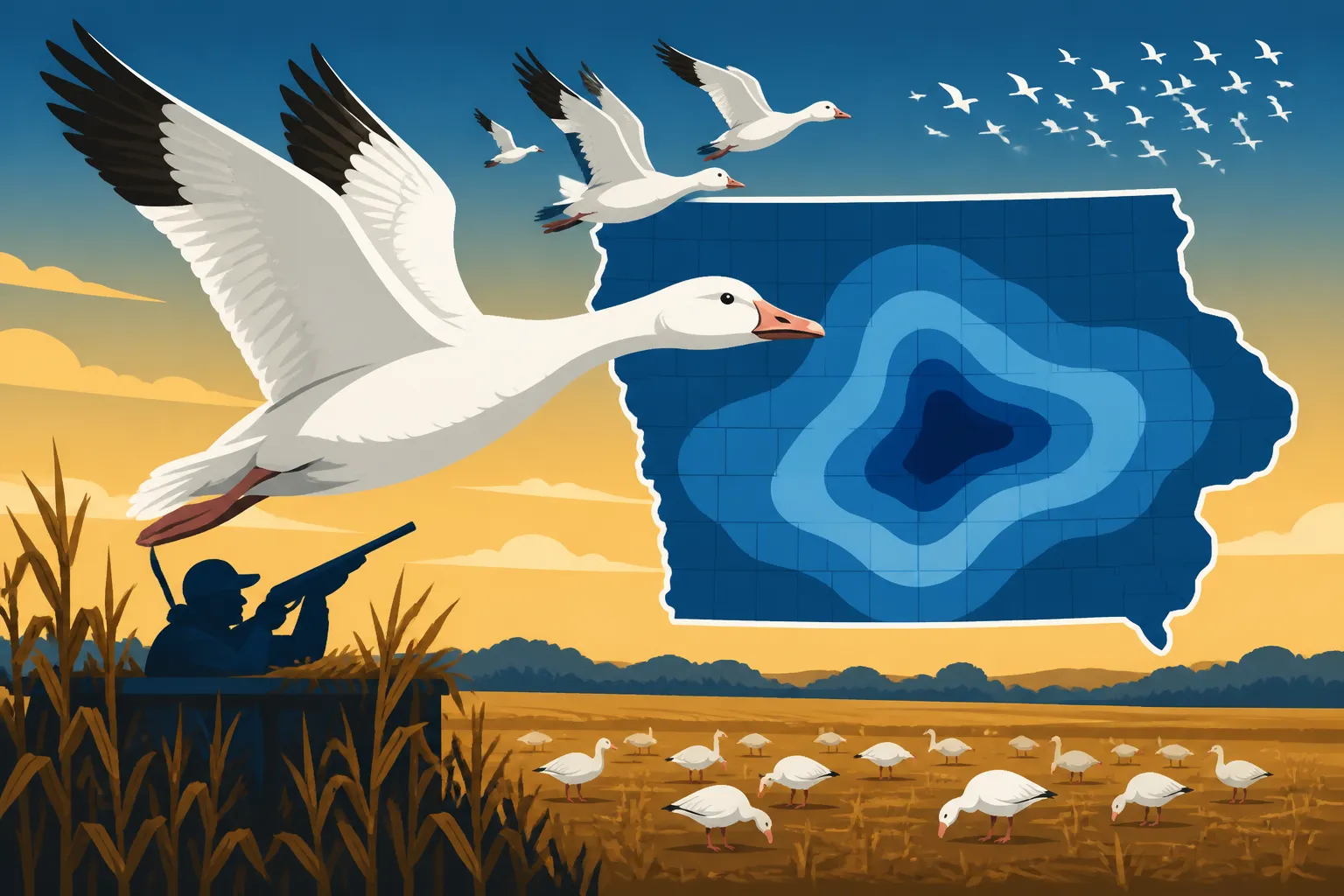
Iowa sits squarely within a significant migratory pathway for snow geese, primarily influenced by the Mississippi Flyway, with some overlap from the Central Flyway as birds funnel down. This unique geographical position means the state experiences two distinct waves of snow goose movement: the southward migration in the fall and the northbound return journey in late winter and early spring. Both present vastly different hunting scenarios and require different approaches.
Fall Migration: A Quick Passage
The fall migration of snow geese through Iowa tends to be a relatively swift affair, often overshadowed by the more celebrated duck and Canada goose seasons. These birds are typically on a mission to reach their southern wintering grounds quickly, and while they do stop to feed, their presence can be fleeting.
Imagine a brisk October or November day. You might be focused on Iowa Whitetail Hunting Tactics Through the Rut or keeping an eye on Iowa Duck and Goose Migration Timing for mallards. Then, suddenly, a blizzard of white appears on the horizon. These aren't just a few flocks; we're talking about tens of thousands, sometimes even hundreds of thousands, of birds. They'll drop into harvested corn or bean fields to refuel, but often, after a day or two of heavy feeding, they're gone, pushed south by the next cold front. Hunting pressure in the Dakotas and other northern states can also dictate when a large push decides to move through Iowa. Successful fall hunting often relies on incredible timing, pinpoint scouting, and being ready to drop everything when the birds are finally in your area.
Spring Migration: The Conservation Order Frenzy
The spring migration is where Iowa truly shines for snow goose enthusiasts. As the grip of winter loosens and the snowmelt begins, vast numbers of snow geese push northward, often from wintering grounds in states like Missouri, Arkansas, and Louisiana, making their way to the Arctic tundra for breeding. This period, typically from late February through early April, is when Iowa becomes a major staging area.
This spring push coincides with the federal Snow Goose Conservation Order, an incredible opportunity designed to help control the burgeoning snow goose population that has overgrazed its Arctic breeding grounds. During this special season, regulations are relaxed: hunters can use unplugged shotguns, electronic calls, and there are no daily bag or possession limits. This setup is a game-changer for hunters. The sheer volume of birds can be mind-boggling, with fields turning white with feeding geese. However, despite the numbers and relaxed rules, these birds are incredibly wary. They've been hunted all the way up the flyway, making them incredibly difficult to decoy effectively. It's a high-stakes, high-reward proposition where meticulous scouting, immense decoy spreads, and strategic calling are paramount. Understanding when Iowa's Iowa Waterfowl Zones and Splits are most active can help you pinpoint your efforts.
Factors Influencing Snow Goose Numbers and Distribution in Iowa
Snow goose numbers and their distribution across Iowa are far from static. They're a complex interplay of environmental factors, agricultural practices, and events happening thousands of miles away. Understanding these influences can give you an edge in predicting when and where these magnificent birds might appear.
Weather Patterns and Frontal Systems
The weather is arguably the single most dominant factor dictating snow goose movements. These birds are masters of riding the winds and exploiting favorable conditions.
- Freeze/Thaw Cycles: In late winter and early spring, the initial thaw in southern Iowa opens up sheet water and exposed fields, creating initial staging areas. A sudden deep freeze, however, can push birds back south or hold them up, creating bottlenecks of geese that then unleash a massive wave when conditions permit. Conversely, a prolonged warm spell can see them blow through Iowa quickly, barely stopping.
- Major Fronts: Strong cold fronts in the fall can trigger mass migrations, bringing thousands of birds into Iowa overnight. In the spring, persistent north winds can hold the birds in the southern part of the state, packing them into traditional staging areas. A shift to strong south winds, though, can launch them rapidly through or even past Iowa. This reliance on weather means that your hunting plans need to be as flexible as the migration itself, often changing day by day. You can't just set a date; you have to watch the forecasts like a hawk and be ready to move.
Agricultural Landscape and Food Sources
Iowa's identity as a powerhouse agricultural state makes it a magnet for snow geese. The vast tracts of corn and soybean fields provide an irresistible buffet, particularly in the fall and spring.
- Waste Grain: After harvest, leftover corn and soybeans in the fields are a critical energy source for migrating geese. They need to pack on calories for their long journeys. A late harvest in some years might mean more food is available later into the fall, potentially holding birds longer.
- Field Rotation: The specific crops planted in an area, and how heavily they were harvested, can determine where birds concentrate. Fields with a higher percentage of waste grain, especially corn, will be preferred. Scouting these fields carefully is crucial for finding active feeding areas. Remember, finding a field where geese were feeding yesterday isn't good enough; you need to find where they are feeding today, or where they will be tomorrow. Hunters often spend hours driving county roads, glassing fields for active birds. Digital tools like GoHunt can sometimes offer insights by overlaying property lines and terrain, helping you narrow down scouting efforts before hitting the road.
Breeding Success and Population Trends
While thousands of miles away, the success of the snow goose breeding season on the Arctic tundra directly impacts the overall population numbers that eventually filter through Iowa.
- Favorable Breeding Conditions: Years with good weather during nesting and poult rearing can lead to a surge in juvenile birds. These younger birds are often less wary and can be easier to decoy, leading to higher harvest rates for hunters. Conversely, harsh breeding seasons mean fewer birds overall, and a higher proportion of older, more experienced geese that have seen it all.
- Overpopulation Management: The reason for the Conservation Order itself is the recognition that snow goose populations, particularly the Mid-continent Light Goose population (which includes Lesser Snow Geese), have grown to unsustainable levels. This overabundance causes significant damage to their fragile Arctic breeding grounds. The Conservation Order is a direct effort to reduce these numbers and mitigate ecological damage. So, while you're focused on Field Hunting Geese in Cut Corn, you're also playing a vital role in ecological conservation.
What Hunters Can Expect: Forecasting Snow Goose Opportunities
Hunting snow geese in Iowa, especially during the spring Conservation Order, is an experience unlike any other. It's challenging, often frustrating, but when it all comes together, it's incredibly rewarding. Predicting the best opportunities requires constant vigilance and adaptable strategies.
The Scouting Imperative: Eyes on the Sky and Fields
You simply cannot overstate the importance of scouting for snow geese. These birds move, often unpredictably, and their feeding patterns can change daily.
- Day-to-Day Movement: A field that held thousands of geese yesterday might be empty today. A change in wind, new hunting pressure, or simply a desire for fresh feeding grounds will move them. Successful hunters dedicate significant time to driving, observing, and tracking bird movements. This involves more than just a quick look; it's about watching flight lines, observing how birds react to specific fields, and looking for tell-tale signs like droppings or muddy spots where large numbers of geese have been feeding.
- Public vs. Private Land: Iowa offers various hunting opportunities, from Iowa Wildlife Management Areas to private agricultural fields. Public access can be found through programs like Iowa's Habitat and Access Program (IHAP). However, many of the prime feeding fields are on private land, requiring permission. Building relationships with landowners is invaluable. Some hunters use platforms like GoHunt to cross-reference public land boundaries with satellite imagery, identifying potential flight paths or lesser-known access points. Remember, even on public ground, understanding Hunting Pressure Patterns on Iowa Public Land is key to success.
Gear and Tactics for Wary Birds
Snow geese are smart. By the time they hit Iowa in the spring, they've been shot at across multiple states. They've seen every decoy spread and heard every call. You need to bring your A-game.
- Decoy Spreads: Forget a dozen shells. We're talking hundreds, often thousands, of decoys. Full-body decoys, silosocks, and wind socks are commonly used. The goal is to mimic a massive feeding flock so convincingly that incoming birds feel safe enough to drop in. Layout Blinds in Iowa Stubble are essential for concealing hunters within these large spreads.
- Electronic Calls: During the Conservation Order, electronic calls are legal and virtually a necessity. These allow you to broadcast a symphony of snow goose sounds, from feeding chatter to loud "hail calls," drawing birds from incredible distances. The key is knowing when to call loudly and when to tone it down, mimicking the behavior of a natural flock.
- Concealment: Snow geese have incredible eyesight. Any shine, any movement, any unnatural shape will flare them. Blinds must be perfectly brushed in, clothing must be camouflage and non-reflective, and hunters must remain absolutely still. Even a slight head turn can ruin a setup.
Here's a quick comparison of general expectations for snow goose hunting in Iowa:
| Aspect | Fall Migration (Late Oct – Early Dec) | Spring Conservation Order (Late Feb – Early Apr) |
|---|---|---|
| Bird Numbers | Moderate to High, but often transient | Massive (tens to hundreds of thousands) |
| Season Length | Part of regular waterfowl season | Special extended season (Conservation Order) |
| Gear Required | Standard duck/goose gear (some shells/full bodies) | Extensive (hundreds/thousands of decoys, e-caller) |
| Calling | Mouth calls, light electronic calls (if legal) | Electronic calls critical, loud hailing |
| Waryness of Birds | Moderate to High | Extremely High (heavily pressured) |
| Regulations | Standard bag limits, plugged shotgun | No bag limit, unplugged shotgun, electronic calls legal |
| Focus | Opportunity hunt, often mixed with other geese | Dedicated snow goose pursuit, high volume attempts |
| Weather Impact | Cold fronts push birds through | Thaw and south winds bring birds, freezes hold them |
The GoHunt Advantage in Snow Goose Planning
While I can't provide live data, it's worth noting how helpful digital mapping and scouting tools can be in navigating the complexities of snow goose hunting. Many hunters use platforms that integrate aerial imagery with public and private land boundaries, as well as features like wind direction overlays, historical weather, and potential access points. For a large-scale migratory bird hunt like snow geese, being able to visualize terrain, identify potential staging areas or isolated feeding spots on Iowa Waterfowl Production Areas, and plan entry/exit routes is a huge advantage. GoHunt and similar apps can also help you track your own scouting efforts, mark potential blinds, and remember where birds were seen last.
Managing Snow Goose Populations: The Role of Conservation and Hunters
The narrative around snow geese is a fascinating one, shifting from traditional hunting to a critical conservation effort. Their prodigious breeding success has led to an ecological imbalance, particularly in their Arctic breeding grounds.
The Overpopulation Challenge
Unlike many other waterfowl species, snow geese have thrived in the face of modern agriculture. The vast expansion of corn and soybean fields across the central flyways has provided an almost endless, high-energy food source during migration and winter. This abundance of food has fueled an explosion in their population, pushing it beyond ecological carrying capacity in their breeding areas.
- Arctic Damage: On the tundra, huge flocks of snow geese can strip vegetation bare, leading to "grubbing" where they pull up entire plants, roots and all. This destroys sensitive wetland ecosystems, impacting other tundra-nesting birds and the overall health of the Arctic environment. The problem is so severe that it threatens the very habitat snow geese depend on for survival, creating a biological feedback loop that is not sustainable.
- Conservation Order's Purpose: The Conservation Order is not about traditional hunting to manage a healthy population; it's an emergency measure to reduce an overabundant species whose numbers are actively harming its own environment. Hunters are, in effect, acting as a crucial management tool. This makes every bird harvested during the Conservation Order season a contribution to a larger ecological goal.
Hunter's Role in Population Control
For Iowa hunters, participating in the spring Conservation Order is more than just a hunt; it's a direct contribution to a vital conservation effort. While it's easy to get caught up in the excitement of a high-volume shoot, understanding the "why" behind these liberal regulations adds a deeper meaning to the pursuit.
- Ethical Harvesting: With no bag limits, there’s a responsibility to ensure all harvested birds are utilized. Many hunters process their own geese, and there are countless delicious recipes for snow goose meat, often requiring different preparation methods than other waterfowl due to their diet and large size.
- Reporting and Compliance: Adhering to all regulations, even the relaxed ones of the Conservation Order, and participating in any necessary harvest reporting helps wildlife agencies track population trends and the effectiveness of the management strategy. Always ensure you have your Iowa Duck Stamp and HIP Requirements in order before heading out.
- Advocacy and Education: Sharing information about the snow goose conservation challenge and the importance of the Conservation Order helps educate other hunters and the non-hunting public about this unique wildlife management situation. It fosters a greater understanding of the complex relationship between wildlife, habitat, and human intervention. Remember, whether you're chasing Mississippi River Backwater Waterfowl or Waterfowl Hunting Iowa River Backwaters, every bit of local knowledge and responsible hunting contributes to the larger picture.
Disclaimer
This article is for general informational purposes only and does not constitute professional advice. Laws, prices and regulations vary by location and change over time. Consult a qualified professional for guidance on your specific situation.