Iowa’s Twenty-Year Pheasant High
If you've been around the block a time or two in the Iowa hunting scene, you know the roller coaster that pheasant numbers can be. There are years where birds seem to flush from every ditch, and then there are the lean times when you wonder if you'll even hear a cackle. But lately, there's been a buzz, a genuine excitement about the pheasant forecast, hinting at some of the best hunting we've seen in a long, long time. This guide is all about digging into why Iowa has been enjoying its twenty-year pheasant high and what that means for your boots-on-the-ground hunting plans.
The Long-Awaited Pheasant Resurgence: What's Driving It?
For years, many of us hunters have reminisced about the "good old days" of pheasant hunting in Iowa, almost as if those days were lost to history. Habitat changes, intense farming practices, and unpredictable weather patterns had certainly put a squeeze on our beloved ringnecks. It's easy to get discouraged when you put in the miles and the effort, only to come up with slim pickings. But something has shifted, and we're currently in a fantastic period, experiencing some of the highest pheasant numbers the state has seen in two decades. This isn't just a fluke; it's a combination of factors working in the birds' favor.
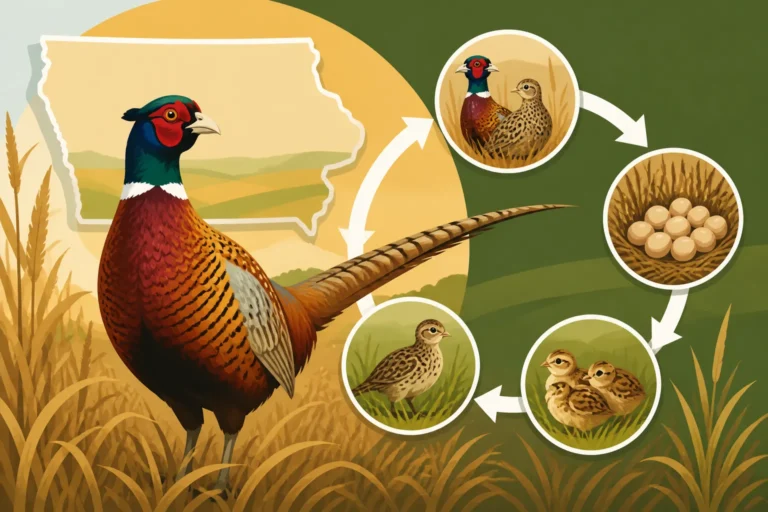
One of the primary drivers behind this resurgence is undoubtedly improved nesting and brood-rearing conditions. Pheasants are ground-nesting birds, and their success hinges on undisturbed cover during crucial spring and early summer months. Over the last several seasons, we've seen favorable weather during these critical periods – mild springs that allow hens to nest successfully without being flooded out, and warm, dry summers that are absolutely vital for young chicks to thrive. Wet, cold springs can decimate a hatch, leading to a noticeable drop in the fall population. Conversely, when conditions align, it sets the stage for exponential growth. We've enjoyed a stretch where many of the delicate factors lined up just right.
Furthermore, concerted efforts in habitat conservation, both at the state and federal levels, are playing a silent but significant role. While it might not always feel like enough, programs focused on maintaining and establishing diverse grasslands, especially in conjunction with private landowners, provide those essential safe havens for pheasants. These pockets of cover give hens a place to lay their eggs, and once those chicks hatch, offer crucial concealment and insect-rich foraging grounds. If you've been keeping an eye on the Iowa Pheasant Population Cycles over the years, you can really see how these conditions influence the upswings and downturns. It’s not just about surviving; it's about having the right kind of environment to truly flourish, and for a good while now, Iowa has been delivering.
Interpreting the Iowa Roadside Survey for Pheasant Hunters
For many of us who eagerly anticipate the fall, the annual roadside survey conducted by the Iowa Department of Natural Resources (DNR) is like the groundhog predicting spring – it gives us a vital glimpse into what the upcoming season might hold. It’s not just a fancy statistic; it’s a critical tool for understanding the health and distribution of our pheasant populations. The DNR staff, along with volunteers, conduct these surveys along specific routes across the state every August. They drive these pre-determined routes at dawn, counting all the pheasants they observe. This systematic approach allows for a consistent comparison year over year.
The real value of the roadside survey lies in its consistency and ability to highlight trends. While a single year's count might be influenced by minor variables, the long-term data points truly illustrate the bigger picture. When we talk about Iowa's twenty-year pheasant high, this data is exactly what we're looking at. The "birds per route" figure is the golden number for many hunters. It indicates the average number of pheasants observed per 30-mile route, providing a standardized measure of population density. A higher number typically correlates with better hunting prospects. You can dive deeper into how this works by checking out What the Iowa Roadside Survey Measures. When those numbers climb, it sends a ripple of excitement through the hunting community because it means the hard work and natural conditions are paying off.
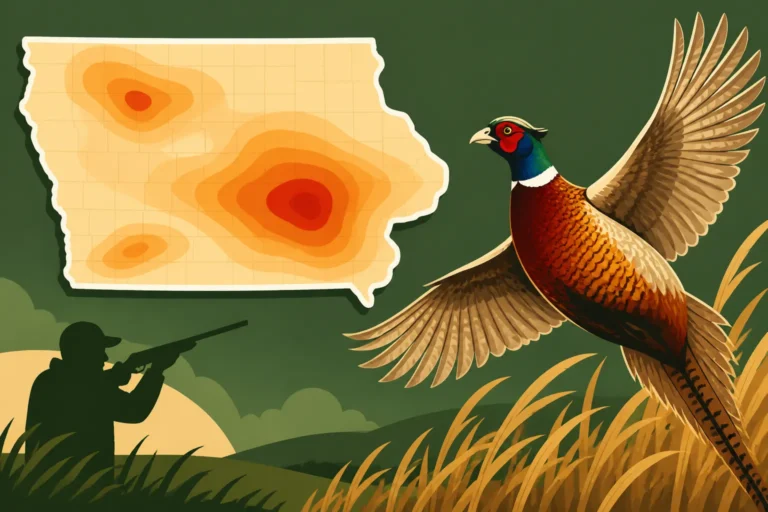
It’s important to understand that the survey doesn't just tell you there are more birds; it also helps paint a picture of where those birds are concentrated. Different regions of Iowa often show varying population densities due to habitat differences, farming practices, and local weather patterns. A resource like GoHunt can be invaluable here, helping you overlay this data with land access information to really zero in on promising areas. When the survey results are released, savvy hunters don't just look at the statewide average; they scrutinize the regional and even county-level data to plan their hunting trips more effectively. Understanding Birds Per Route in the Iowa Survey helps fine-tune your expectations and strategies for specific parts of the state. It allows us to move beyond anecdotal evidence and head into the field with a more informed approach.
Key Environmental Factors Fueling High Pheasant Counts
The truth is, even the best habitat can't overcome consistently bad weather for ground-nesting birds. Conversely, perfect weather can only do so much if there's nowhere safe for the birds to live and breed. Iowa's recent pheasant high is a testament to a beneficial alignment of several critical environmental factors, especially those that impact nesting success and chick survival. These elements work in concert, creating a domino effect that allows populations to rebound and flourish.
Nesting Success and Brood Rearing Conditions
The spring nesting season, typically from April into June, is arguably the most crucial time for pheasant recruitment. Hens need dense, grassy cover to build nests and lay their clutches of eggs. Undisturbed areas, like CRP (Conservation Reserve Program) fields, native prairie remnants, and secure grass waterways, are prime real estate. The recent years that have contributed to our pheasant high have generally seen mild, relatively dry springs. This means fewer nests are washed out by heavy rains, and hens aren't forced to abandon nests due to extreme cold. Once chicks hatch, typically in late May or June, they are incredibly vulnerable. Warm, dry weather during these first few weeks allows them to grow quickly, forage for insects (a vital protein source), and avoid succumbing to hypothermia in wet conditions. You can really see the impact of these conditions when you look at how critical Nesting Cover and Pheasant Broods are for a robust population.
Winter Survival and Habitat Quality
While nesting conditions get a lot of attention, what happens in the preceding winter is just as important. A harsh Iowa winter with prolonged deep snow and extreme cold can decimate adult populations, especially hens. If hens can't find adequate food and thermal cover, they enter the nesting season in poor condition, or worse, don't survive at all. The good news is that we've seen a few milder winters recently, which has helped maintain a strong breeding stock going into spring. However, even in mild winters, quality winter cover remains paramount. Stands of cattails, dense willow thickets, brushy draws, and unharvested crop fields provide crucial protection from predators and the elements. This is where programs encouraging habitat development, even small parcels, really make a difference. The connection between Winter Severity and Iowa Pheasant Numbers is undeniable, and having good, accessible winter cover helps insulate the population from the worst of what Iowa weather can throw at it.
To illustrate, here's a look at how different factors contribute to a boom or bust pheasant year:
| Factor | Impact on Pheasant Numbers (High Year) | Impact on Pheasant Numbers (Low Year) |
|---|---|---|
| Spring Weather | Mild, dry, warm | Cold, wet, late snow |
| Summer Weather | Warm, dry | Cool, persistently wet |
| Nesting Cover Quality | Abundant, undisturbed, diverse grass | Sparse, often disturbed, uniform crops |
| Brood Rearing Habitat | Insect-rich edges, secure escape cover | Limited insects, open to predators |
| Winter Cover Quality | Dense thermal cover, standing forage | Exposed, little dense escape |
| Predator Pressure | Balanced populations, diverse prey | High, concentrated on pheasants |
| Harvest Practices (Crops) | Later, leaving more winter forage | Earlier, clean fields |
Maximizing Your Chances in a High Pheasant Year
With the Iowa pheasant population enjoying a twenty-year high, this is absolutely the time to dust off the shotgun, leash up the dog (or polish your blocking skills if you're Working Pheasant Cover Without a Dog), and hit the fields. But even in a banner year, success still comes down to smart hunting and understanding pheasant behavior. Don't assume birds will be everywhere; they'll still be concentrated in specific types of cover.
Scouting and Locating Key Habitat
Even though numbers are up, pheasants are still creatures of habit, gravitating toward specific types of cover for different needs. Your best bet is to focus on areas that offer a mix of nesting, brooding, and wintering habitat, often in close proximity. Think about edges – the transition zones between different cover types are always pheasant magnets. This means field edges where crop fields meet grass, drainage ditches, brushy fencelines, and especially large blocks of undisturbed grassland like CRP fields. These areas provide food, cover from predators, and escape routes. Tools like GoHunt's mapping features can be incredibly useful for identifying these prime locations on public land or for scouting potential private access points. Look for where a cornfield might butt up against a thick shelterbelt, or a picked bean field runs along a tall grass waterway.
Public hunting areas that have diverse habitat mixes, especially those specifically managed for upland birds, are often fantastic choices. Don't be afraid to put in the legwork to find those less-pressured spots. Sometimes, the best hunting isn't directly off the road but requires a bit of a walk into more secluded cover. Review the Best Iowa Counties for Pheasants data and then zoom in on those counties with quality public land or IHAP (Iowa Habitat and Access Program) access. Remember that pheasants often use thick cover to escape pressure, so don't overlook areas that look impenetrable; those might be holding birds that have been bumped from easier-to-access areas.
Effective Hunting Tactics
With more birds on the landscape, you can often be more aggressive with your hunting strategies. For single hunters or small groups, walking long strips of cover, especially linear features like ditches, fence rows, and grass waterways, can be incredibly productive. Make sure you walk into the wind if possible, as birds will typically hold tighter. If you’re hunting larger blocks of cover, such as a large CRP field, consider employing blocking and driving tactics. This is where a few hunters spread out and push the cover, while others position themselves at the end to intercept flushing birds. This is a very effective way to move birds that might otherwise hold tight. You can learn more about this by reading up on Blocking and Driving Iowa Grass Strips.
Remember to hunt slowly and methodically, especially if you don't have a dog. Pheasants are notorious for holding tight, often flushing just behind or beside you if you move too quickly. Pause frequently; sometimes, a pause is all it takes to make a bird nervous enough to flush. If you're hunting with a good bird dog, trust their nose and let them work the cover thoroughly. The dog's ability to scent and flush birds from dense cover is unmatched. Lastly, be mindful of the Iowa Pheasant Season Dates and local regulations. A high year means more opportunities, but always hunt ethically and safely, respecting property lines and other hunters. This is truly an exciting time to be an Iowa pheasant hunter, and with a little preparation, you can make the most of this exceptional period.
Disclaimer
This article is for general informational purposes only and does not constitute professional advice. Laws, prices and regulations vary by location and change over time. Consult a qualified professional for guidance on your specific situation.