Nesting Cover and Pheasant Broods
Finding pheasants in Iowa can feel like chasing ghosts sometimes, especially when you're scratching your head wondering why a prime piece of cover isn't holding birds like it used to. The truth is, the success of our pheasant season, and really, the future of these amazing birds, hinges heavily on what happens long before opening day: the quality of their nesting cover and how well those tiny broods survive. This guide is all about diving deep into the critical role of nesting and brood-rearing habitat, helping you understand what makes a pheasant population tick, and ultimately, where to focus your efforts to find more birds.
The Foundation of Life: Understanding Pheasant Nesting Cover
When we talk about pheasants, our minds often jump to roosters rocketing out of a cattail slough in November or the vibrant flush from a stubble field. But the real magic, the very engine of the population, begins quietly in the spring, deep within specific types of cover. This is where hens lay their eggs, incubate them, and hopefully, bring off a clutch of chicks. If this foundational stage falters, all the hunting regulations and management plans in the world won't make up the difference.
Why Good Cover Is Non-Negotiable
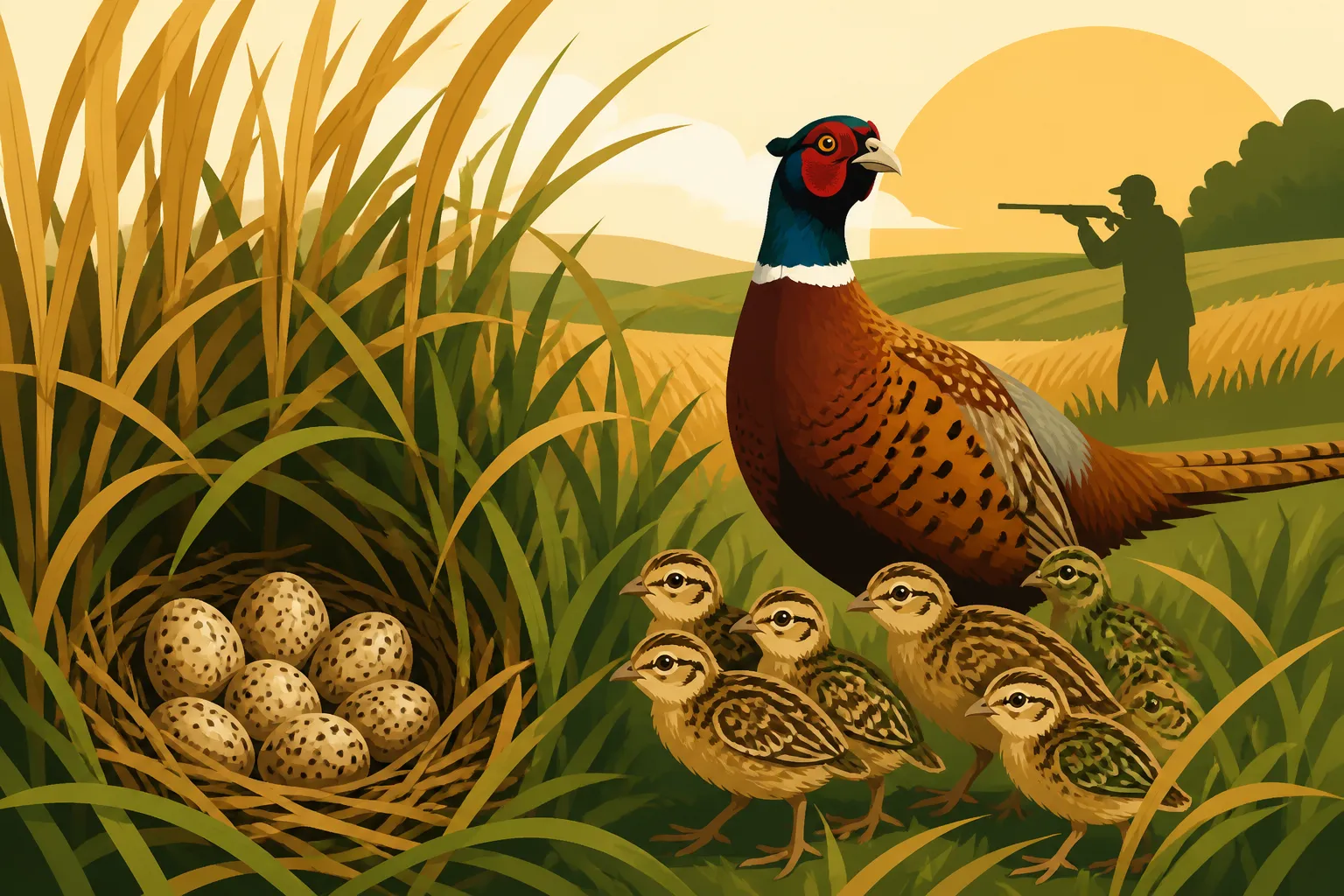
Imagine being a tiny pheasant hen, trying to hide a nest full of eggs from hungry eyes above and on the ground. You need more than just "tall grass." You need a specific kind of protection: something dense enough to conceal, yet open enough at the base to allow movement. It needs to be relatively undisturbed, free from human interference, and ideally, close to a reliable food source once the chicks hatch. This isn't just about survival during nesting, it's about setting the stage for the entire next generation. Without this critical protection, nests are easily found by predators like raccoons, skunks, and coyotes, or destroyed by agricultural machinery. The cover isn't just a place; it's a lifeline.
It's a mistake to think any patch of greenery will do. Pheasants are particular. They seek out residual cover from the previous year, which provides immediate protection as soon as spring arrives, often before new growth fully emerges. This is why areas that remain undisturbed through the winter and early spring are so vital. If a field is mowed, grazed, or tilled too early, those crucial early nesting attempts are doomed before they even begin. This foundational habitat gives hens the best chance to successfully hatch a brood, which is the ultimate goal for population sustainability.
The Life Cycle of an Iowa Pheasant Hen
The life of an Iowa pheasant hen is a testament to resilience, but it's also incredibly vulnerable during nesting. After surviving the harsh Iowa winter – a challenge in itself, as we know from discussions around Winter Severity and Iowa Pheasant Numbers – hens begin to look for nesting sites in April and May. They prefer areas with good residual cover, often from the previous year's growth, which provides immediate concealment. A hen might make several nesting attempts if her first clutch is destroyed, but each subsequent attempt means fewer eggs and later hatch dates, which can impact chick survival.
Once the eggs are laid, she'll incubate them for about 23 days. During this time, she's practically glued to the nest, making her vulnerable to predators and agricultural activities. If she successfully hatches a brood, the real work begins: raising those chicks. This period, known as brood-rearing, requires different types of cover. The journey from a fragile egg to a strong, flight-capable pheasant is fraught with peril, and quality nesting and brood-rearing habitat is the single most important factor in whether she succeeds.
The Role of Early Season Habitat in Nest Success
Early season habitat refers to the cover available to hens in April and May, often before the full flush of summer vegetation. Think about those cool, damp Iowa springs. Hens are eager to get on nests, but they need cover that's already established. This means dense, undisturbed grasses, often from the previous year's growth. Fields of switchgrass, native prairie plantings, or even un-mowed hayfields left from last season can be critical. Without this immediate cover, hens might delay nesting, leading to smaller, less vigorous broods, or they might try to nest in less secure locations, significantly increasing their chances of failure.
The availability of suitable early nesting habitat directly correlates with overall nest success. If hens can find safe havens early, they are more likely to successfully hatch a larger brood on their first attempt. These early-hatched broods tend to be stronger and more resilient, better equipped to survive the summer and fall. This is why conservation efforts often focus on providing these undisturbed blocks of dense cover, especially in close proximity to food sources, creating a mosaic of ideal conditions that sets the stage for a productive hunting season. It's truly the hidden engine behind what we see on the Iowa Pheasant Roadside Survey Results.
Iowa's Ideal Nesting Grounds and Brood Rearing Habitat
So, what does that "ideal" habitat actually look like here in the Hawkeye State? It's more than just a picture-perfect field of tall grass. It's a complex blend of vegetation types that meet the evolving needs of pheasant hens and their growing broods throughout the spring and summer. Understanding these nuances can help you identify areas that are likely to hold good numbers of birds come hunting season, and even inform efforts to improve local populations.
Key Characteristics of Quality Nesting Cover
Quality nesting cover for pheasants in Iowa typically consists of dense, upright grasses that offer overhead concealment while allowing the hen and chicks to move underneath. Think tall, sturdy stems that can withstand spring rains and winds, creating a natural canopy. These areas need to remain undisturbed from late April through at least early July, covering the primary nesting and incubation period. Pheasants are ground nesters, so the density at ground level is paramount to protect eggs from predators.
Common examples of excellent nesting cover include established stands of native grasses like switchgrass, big bluestem, and indiangrass, often found in Conservation Reserve Program (CRP) fields. These provide the necessary vertical structure and density. Alfalfa or clover fields, if left un-mowed during the nesting season, can also be highly attractive. Fencerows, undisturbed field borders, and ditch banks with dense grassy cover can also serve as crucial nesting locations, especially in landscapes dominated by row crops. The key is consistent, undisturbed cover that lasts for weeks. You might find some of the best areas for this type of cover if you use tools like GoHunt to scout public land or discuss with landowners for private spots.
Brood-Rearing Cover: Beyond the Nest
Once those little chicks hatch, their needs shift slightly, but no less critically. Brood-rearing cover isn't just about concealment; it's about providing food and protection from the elements. Young pheasant chicks, just days old, need insects – a protein-rich diet crucial for their rapid growth. This means the best brood-rearing cover often includes a mix of grasses and broadleaf plants (forbs) that support insect populations. Areas with diverse vegetation, including weeds and wildflowers, are insect magnets.
Furthermore, young chicks are highly susceptible to cold and wet conditions, so brood cover needs to offer quick access to sunny, drying areas after a spring rain, as well as shade during hot summer days. Think about the edge of a timber patch, a diverse grass field with some open forbs, or even the borders of crop fields where insects might be abundant. These areas, rich in invertebrate life and offering diverse structure, allow chicks to forage safely while staying hidden from aerial predators. Understanding how these areas differ from nesting cover helps paint a clearer picture of year-round pheasant habitat requirements and explains where Iowa Pheasant Population Cycles might thrive or struggle.
Public vs. Private Land Opportunities
When we talk about pheasant habitat in Iowa, we're largely discussing private land, as much of the state's prime pheasant range is privately owned and farmed. However, both public and private lands offer opportunities for nesting and brood-rearing cover. On public lands, such as Wildlife Management Areas (WMAs) or federal Waterfowl Production Areas (WPAs), habitat managers actively work to create and maintain ideal conditions. They might implement prescribed burns, diverse native grass plantings, or food plots to support pheasant populations. These areas are often mapped and accessible, making them a great starting point, and using an app like GoHunt can help you pinpoint these promising areas.
For private landowners, programs like the Conservation Reserve Program (CRP) are absolute game-changers. By enrolling marginal cropland into perennial grasses and legumes, CRP directly creates vast tracts of prime nesting and brood-rearing habitat. Even smaller efforts, like leaving un-mowed field edges, planting diverse pollinator strips, or simply delaying haying operations until after the primary nesting season, can make a huge difference. These private land efforts, often unseen by the general public, are arguably the most significant contributor to the pheasant numbers we see on the Iowa Ring-Necked Pheasants and the Roadside Survey.
Here's a quick look at some common cover types and their role:
| Cover Type | Primary Role | Benefits | Drawbacks |
|---|---|---|---|
| Native Grasses (e.g., CRP) | Nesting & Brood-Rearing | Dense, persistent cover; good insect production; winter thermal cover. | Can be too thick for very young chicks in some areas; slow to establish. |
| Alfalfa/Clover | Nesting & Brood-Rearing | High insect production; excellent concealment. | Often mowed too early, destroying nests; less winter cover. |
| Undisturbed Field Borders | Nesting | Connects habitat; provides immediate cover in row crop landscapes. | Small acreage; susceptible to chemical drift or incidental disturbance. |
| Diverse Weedy Areas | Brood-Rearing | Abundant insects; easy for chicks to move through; quick regrowth. | Less concealment as chicks grow; often ephemeral; not good for nesting. |
| Small Grain Stubble | Brood-Rearing | Provides residual cover; insect populations from harvest residue. | Limited long-term value; susceptible to subsequent tillage. |
Challenges and Threats to Successful Pheasant Broods
Even with the best intentions and dedicated habitat, pheasant broods face an uphill battle. Iowa's landscape, shaped by agriculture and variable weather, presents significant hurdles that can drastically impact the number of chicks that survive to adulthood. Understanding these challenges is key to appreciating the resilience of pheasants and the importance of conservation efforts.
The Impact of Modern Agriculture and Habitat Loss
Iowa is an agricultural powerhouse, and while that's vital for our economy, it often comes at a cost to wildlife habitat. Modern farming practices, driven by efficiency and large-scale operations, have led to significant habitat fragmentation and loss. Vast fields of corn and soybeans, while offering some food value later in the year, provide almost no suitable nesting or early brood-rearing cover. The push for "clean farming" means fewer fencerows, fewer grassy ditches, and fewer odd corners of ground left untended.
The timing of agricultural operations is also critical. Early spring tillage, mowing of hayfields, or spraying of herbicides can inadvertently destroy countless nests and expose young chicks. What might seem like a small, insignificant patch of grass to a farmer could be a critical nesting site for a hen. The conversion of pastureland and diverse small grains to continuous row crops has further reduced the mosaic of habitats that pheasants need throughout their life cycle. This relentless pressure on the landscape directly impacts How Many People Apply for Iowa Deer Tags to hunt other species, as habitat loss affects more than just pheasants.
Weather's Whims: Rain, Hail, and Drought
Iowa weather is notoriously unpredictable, and it plays a huge role in the success of pheasant broods. A cold, wet spring can be devastating. Young pheasant chicks are extremely vulnerable to hypothermia; a prolonged period of cold rain can wipe out entire broods, even if the nesting cover itself was adequate. Heavy downpours can flood nests, drowning eggs before they even hatch. Hailstorms, while less common, can directly kill chicks or destroy nests. These events, especially when they occur during the critical hatching and early brood-rearing period, can quickly turn a promising year into a bust.
Conversely, extended periods of drought can also hurt. While adult birds are more resilient, dry conditions can reduce the insect populations that chicks depend on for food. Without that vital protein, chicks struggle to grow and develop, making them more susceptible to disease and predation. Drought can also reduce the vigor of nesting and brood-rearing cover, making it less effective at concealing birds. The Iowa Pheasant Roadside Survey often reflects these weather impacts, with numbers fluctuating significantly based on spring and summer conditions.
Predation Pressures on Nests and Broods
Even in perfect habitat, pheasants are prey animals, and nests and young broods are constant targets for a variety of predators. Common nest predators in Iowa include raccoons, skunks, opossums, and coyotes. These intelligent and adaptable animals actively seek out nests, and even the densest cover isn't always enough to deter a determined predator. For the young chicks themselves, aerial predators like hawks and owls pose a threat, as do ground predators like foxes and bobcats.
The degree of predation is often linked to habitat quality and fragmentation. In areas with highly fragmented habitat – small, isolated patches of cover surrounded by vast croplands – nests can be easier for predators to find because they are concentrated in predictable locations. Creating larger blocks of contiguous habitat can help dilute predator impact, as nests are more dispersed. While predator control can be a contentious topic, ensuring ample, high-quality nesting and brood-rearing habitat is generally considered the most effective long-term strategy to help pheasants overcome these natural pressures. Hunters often utilize tactics like Working Pheasant Cover Without a Dog to deal with the complexities of these habitats.
Boosting Pheasant Numbers: Conservation and Habitat Improvement
While the challenges facing Iowa pheasants are real, there are significant efforts underway, and plenty that landowners and hunters can do, to improve nesting cover and boost pheasant populations. It’s not about magic bullets, but rather a consistent commitment to thoughtful land management and habitat creation.
The Power of CRP and Other Conservation Programs
The Conservation Reserve Program (CRP) stands as one of the most successful conservation initiatives for pheasants in Iowa, and across the Midwest. CRP pays landowners to take environmentally sensitive land out of agricultural production and plant it with perennial cover, typically grasses and legumes. These enrolled acres provide fantastic nesting cover, brood-rearing habitat, and winter thermal cover. The scale of CRP's impact is immense, directly contributing to regional pheasant numbers as discussed in Where Iowa Pheasants Concentrate. When CRP acres are abundant and strategically placed, pheasant populations generally thrive.
Beyond CRP, other programs like the Wetland Reserve Program (WRP) or various state-level initiatives also create vital habitat. Many of these programs incentivize practices such as establishing pollinator habitats, creating diverse native grasslands, or restoring wetlands, all of which benefit pheasants by increasing the amount and quality of undisturbed cover. For hunters, knowing which areas are enrolled in these programs can be a great starting point for scouting, as these tracts often offer the best chances of finding birds. Resources like GoHunt often integrate mapping layers that highlight conservation lands and potential habitat areas.
Landowner Actions for Healthier Pheasant Populations
Private landowners hold the key to the majority of Iowa's pheasant habitat. While large-scale government programs are crucial, even small, individual efforts can add up to make a significant difference. One of the most impactful actions is simply delaying haying operations until after July 15th, allowing hens to successfully hatch their first clutches. Mowing hay earlier almost guarantees nest destruction. Planting diverse native grasses and forbs on marginal acres or field edges provides long-term, high-quality cover that benefits pheasants year after year.
Other valuable practices include maintaining undisturbed grassy fencerows and ditch banks, which act as vital travel corridors and nesting sites. Establishing buffer strips along waterways not only protects water quality but also provides linear habitat for pheasants. Even leaving small, odd-shaped corners of fields untended, allowing native vegetation to grow, can create critical microhabitats. These actions, whether large or small, directly influence the number of pheasants that make it to the fall season and contribute positively to the Birds Per Route in the Iowa Survey. It's about thinking like a pheasant and providing what they need to survive and reproduce.
Scouting for Success: How Nesting Cover Informs Your Hunt
As hunters, understanding nesting cover and brood success isn't just academic; it directly influences our strategies. If we know that a particular region experienced a cold, wet spring, or saw extensive early mowing, we can anticipate lower pheasant numbers and adjust our expectations. Conversely, if a year had ideal nesting conditions and strong brood survival, we might expect to find more birds, and larger average brood sizes, as described in Iowa Pheasant Roadside Survey Results. This knowledge helps us identify the Best Iowa Counties for Pheasants.
When you're out scouting, pay attention to the types of cover present. Are there large blocks of dense, undisturbed native grasses? Are there diverse areas with a mix of grasses and forbs that would support insect life for young chicks? These are the areas that are most likely to have held successful broods and, therefore, are most likely to hold birds later in the season. Even if you're planning on Blocking and Driving Iowa Grass Strips, knowing the history of that cover can tell you a lot about its potential. Using digital mapping tools like GoHunt can help you analyze aerial imagery to pinpoint these prime cover types before you even set foot in the field, making your hunting efforts more efficient and rewarding.
Disclaimer
This article is for general informational purposes only and does not constitute professional advice. Laws, prices and regulations vary by location and change over time. Consult a qualified professional for guidance on your specific situation.