Winter Severity and Iowa Pheasant Numbers
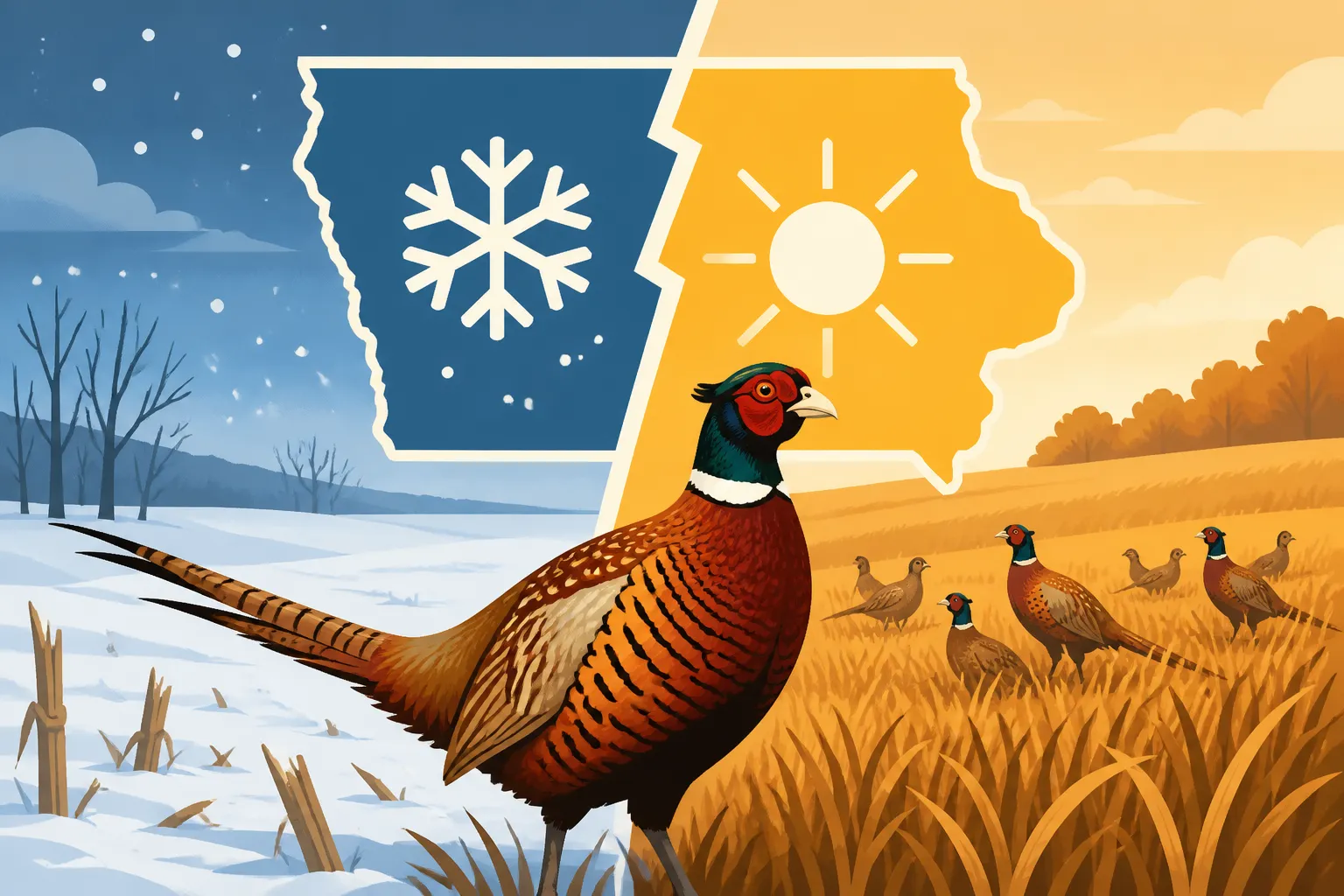
There's nothing quite like the excitement of an Iowa pheasant hunt, the crisp autumn air, and the anticipation of a rooster bursting from cover. But for those of us who live and breathe upland hunting in the Hawkeye State, there’s a quiet dread that settles in during the long, cold winter months: how will the pheasant population fare? A brutal Iowa winter can truly decimate pheasant numbers, turning what should be a promising season into a real struggle. This guide will take a deep dive into the intricate relationship between winter severity and Iowa pheasant numbers, helping you understand the challenges our feathered friends face and what it means for your hunting prospects.
The Harsh Reality of Iowa Winters
Iowa winters are no joke. We're not talking about a dusting of snow and a few chilly days; we're talking about prolonged periods of deep cold, heavy snow, and sometimes, unforgiving ice. These conditions aren't just inconvenient for us; they are a matter of life and death for pheasants. Understanding the specific threats these elements pose is crucial to appreciating the resilience required for these birds to survive.
Snow Depth and Duration: A Blanket of Trouble
Imagine trying to find food when everything is buried under a foot or more of snow, day after day, week after week. That's the reality for pheasants in a severe Iowa winter. Deep snow effectively cuts off access to crucial food sources like waste grain in harvested fields, weed seeds, and even small invertebrates. Birds are forced to expend more energy to move, flush, and forage, all while finding less to eat. If this persists, their energy reserves deplete rapidly, making them vulnerable to starvation and extreme cold.
The duration of the snow cover is just as critical as its depth. A heavy snowfall that melts quickly allows birds a brief reprieve. But when snow cover lingers for weeks on end, especially after a deep freeze, it creates an insurmountable barrier. Pheasants become increasingly desperate, often venturing into less secure areas in search of sustenance, exposing them to greater risks from predators and traffic.
Ice Storms and Crusted Snow: Traps in Disguise
While deep, soft snow is challenging, ice storms and crusted snow can be even more deadly. An ice storm encases every branch, stalk, and blade of grass in a frozen shell. This not only seals off food but also renders many forms of protective cover useless, making it brittle and noisy. Imagine trying to hide from a predator when every movement you make sounds like shattering glass.
Crusted snow, often formed by a thaw followed by a refreeze, presents another layer of difficulty. This hard, icy crust can be sharp, cutting at a pheasant's legs as it tries to walk. More importantly, it creates an impenetrable barrier to any food source beneath. Unlike soft snow, which a bird might be able to scratch through, crusted snow is like concrete. Birds can get trapped, unable to access the life-sustaining seeds and grains just inches below the surface. This phenomenon can lead to rapid starvation and direct mortality, even if birds have managed to survive the initial cold snap.
Prolonged Sub-Zero Temperatures: The Ultimate Test
Beyond snow and ice, the sheer intensity and duration of extreme cold take a severe toll. Prolonged periods of sub-zero temperatures force pheasants to burn an enormous amount of energy just to maintain their body temperature. They huddle together, seek whatever thermal cover they can find, but without adequate calories, their internal furnace simply runs out of fuel.
Direct mortality from freezing is a very real threat. Birds can succumb to hypothermia, particularly if they are already weakened by lack of food or if their plumage is wet. The constant stress of fighting off the cold also weakens their immune systems, making them more susceptible to disease. Even if they survive, prolonged extreme cold can lead to frostbite, especially on their feet, which can hinder their ability to forage or escape predators in the future. It’s a relentless, draining battle that many simply don’t win.
How Winter Conditions Affect Pheasant Survival
The direct impacts of harsh Iowa winters ripple through the pheasant population, leading to significant declines that often manifest in reduced bird flushes come autumn. It’s a chain reaction, where one stressor compounds another, making survival an increasingly difficult proposition.
Food Deprivation and Energy Reserves: A Ticking Clock
Pheasants, like all wildlife, operate on an energy budget. During the colder months, their metabolic rate increases to generate heat, demanding a significant increase in caloric intake. However, as we discussed, deep snow and ice often make food sources inaccessible. Waste grain, weed seeds, and other forage that would normally sustain them become buried or locked away.
When pheasants can't find enough food, they begin to deplete their stored energy reserves – primarily fat. Once these fat reserves are gone, they start to burn muscle tissue, leading to weakness, emaciation, and ultimately, starvation. This isn't a quick process; it’s a slow, grueling decline that leaves birds vulnerable to everything else the winter throws at them. A strong, well-fed pheasant can withstand a few cold nights, but a starving bird has no defense against the elements. This is a primary factor in Iowa pheasant numbers declining after a tough winter.
Predation Risk in Sparse Cover: Nowhere to Hide
Winter strips the landscape bare. Deciduous trees lose their leaves, grasses flatten under snow, and many fields are picked clean. This reduction in dense vegetation means less cover for pheasants to escape predators. When deep snow covers everything, it often flattens what little nesting or loafing cover was available, exposing pheasants more readily.
Predators like coyotes, foxes, and raptors become incredibly efficient hunters in these conditions. They can spot pheasants from a greater distance, and the birds, weakened by cold and hunger, may not have the energy to make a quick escape. Furthermore, if heavy snow drives pheasants to converge on limited areas where food or better cover might be available, it creates a target-rich environment for predators. You can explore more about this in our guide on Predator Impact on Iowa Fawns, as similar principles apply to upland birds.
Direct Exposure and Frostbite: Nature's Cruel Hand
While less common than starvation, direct exposure to the elements can certainly kill pheasants, especially young or weakened birds. During severe blizzards with driving winds and freezing rain, even well-fed birds might succumb if they cannot find adequate thermal cover. The wind chill factor dramatically increases the rate of heat loss from a bird's body.
Frostbite is another insidious threat. While it might not kill a bird immediately, the loss of toes or feet due to freezing can severely impair its ability to forage, walk, or run effectively in the long term. A pheasant with damaged feet is effectively handicapped, making it much harder to find food, escape danger, or even breed successfully once spring arrives. This lingering injury can contribute to mortality rates even after the worst of winter has passed.
The Critical Role of Winter Cover
It's clear that Iowa winters are formidable adversaries for pheasants. However, the severity of these impacts isn't solely determined by the weather itself, but also by the quality and availability of winter cover. Good habitat acts as a buffer, helping pheasants survive even the harshest conditions. This is why conservation efforts are so vital for maintaining healthy Iowa pheasant numbers.
Thermal Cover for Roosting and Protection: A Lifeline
Thermal cover is perhaps the most critical element for pheasant survival during winter. This isn't just any old clump of grass; it needs to be dense, tall, and sturdy enough to stand up to heavy snow and ice. Think cattail marshes, dense stands of switchgrass or native prairie grasses, thick cedar thickets, or even brushy draws. These areas provide protection from brutal winds and insulation from freezing temperatures.
Pheasants will roost in these areas, hunkering down to conserve body heat. The dense structure of the cover helps trap warmer air, creating a microclimate that can be several degrees warmer than the exposed open landscape. Without sufficient thermal cover, birds are left exposed to the full brunt of winter, dramatically increasing their energy expenditure and their chances of succumbing to hypothermia. Landowners and conservationists often prioritize establishing and maintaining these types of habitats, understanding their immense value for Winter Weather and Hen Survival.
Food Plots and Unharvested Crops: The Winter Pantry
Even the best thermal cover won't save a pheasant if it has no food. This is where strategic food plots and unharvested crops become absolute lifelines. A standing corn or milo field that is left unharvested, or a dedicated food plot planted with sorghum, millet, or sunflowers, can provide crucial sustenance throughout the winter. These areas offer not just calories but also some additional cover from predators.
These "winter pantries" are especially critical when heavy snow makes other food sources inaccessible. Birds can scratch through lighter snow for seeds or peck at standing grain. The challenge is ensuring these food sources are located near adequate thermal cover, minimizing the energy expenditure and predation risk pheasants face when traveling to feed. Many landowners participating in programs that boost Iowa pheasant numbers specifically include such food plots in their management plans.
Shelterbelts and Field Edges: Breaking the Wind's Fury
While large blocks of thermal cover are ideal, even smaller features like shelterbelts and brushy field edges can make a significant difference. Shelterbelts, often rows of trees and shrubs planted around fields, act as windbreaks. Wind chill can be lethal, and reducing wind exposure is paramount for pheasants trying to conserve heat.
Brushy field edges, fence rows, and even strips of undisturbed native grasses along field boundaries can also provide crucial wind protection and some residual cover. These linear features allow pheasants to move between different habitat types with less exposure to the elements and predators. While not as robust as a large cattail marsh, they contribute to the overall winter survival strategy by providing necessary microhabitats that buffer the impact of harsh winds and light snow. You might find similar discussions on providing critical cover for deer in our article on Cedar and Locust Thickets as Bedding Cover.
Post-Winter Impacts on Breeding Success
The impacts of a severe winter don't just end when the snow melts and the temperatures rise. A brutal winter often casts a long shadow over the subsequent breeding season, affecting everything from hen numbers to egg production and poult survival. This ripple effect means that even if spring weather is mild, a tough winter can still lead to a noticeable dip in Iowa pheasant numbers for the fall hunting season.
Reduced Hen Numbers for Spring Nesting: Fewer Future Birds
The most direct and devastating impact of a severe winter is a reduction in the overwintering hen population. Simply put, if fewer hens survive the cold, there are fewer hens available to lay eggs and raise broods in the spring. This direct loss of breeding stock is a primary driver of lower pheasant numbers the following fall. Even if every surviving hen has a successful nest, the overall population will be smaller if there are fewer mothers.
This is why tracking the sex ratio of pheasants during the fall harvest can sometimes offer clues about potential winter survival. A balanced sex ratio suggests a healthier population, but a disproportionate number of roosters might indicate higher hen mortality. The number of surviving hens is the foundational element for the next generation, and when those numbers are low, the recovery can take several seasons, even with ideal spring and summer conditions. For more on how these populations are monitored, check out Iowa Pheasant Population Trends.
Hen Body Condition and Egg Production: Quality Over Quantity
Even if hens survive a harsh winter, their body condition can be severely compromised by prolonged periods of food deprivation and stress. A hen that enters spring in poor physical shape will often lay fewer eggs, and the eggs she does lay may be smaller or of lower quality. Poorer egg quality can lead to reduced hatch rates and weaker chicks that are less likely to survive their first few weeks.
Additionally, hens in poor condition may be less inclined to attempt multiple nesting attempts if their first nest fails. In a mild winter, a healthy hen might re-nest two or even three times if her initial efforts are unsuccessful due to predation or disturbance. However, an energy-depleted hen might only have the reserves for one, leaving no second chances for a successful brood. This subtle but significant impact on reproductive output plays a crucial role in overall Iowa pheasant numbers.
Delayed Nesting and Increased Predation: A Tenuous Start
Severe winters can also delay the onset of nesting. If the ground remains frozen or snow-covered longer, or if spring greens are slow to emerge, hens might delay their nesting attempts. A delayed nesting season can have several negative consequences. Firstly, it shortens the window for successful re-nesting if the first attempt fails.
Secondly, later nests often face higher predation rates. Early nests, while still vulnerable, might catch predators less active or before their own young demand more food. Later in the spring, predator populations are often at their peak activity, searching for food for their own offspring, making pheasant nests easier targets. Furthermore, later-hatched chicks have less time to grow and develop before the onset of autumn and winter, making them less robust to face the next cold season. The intricate balance of Nest Predation and Turkey Numbers shares many similarities with pheasants, highlighting this ecological pressure.
Reading the Signs: Predicting Pheasant Numbers
As hunters, we naturally want to know what to expect for the upcoming season. While we can't change the weather, understanding the signs and monitoring official reports can give us a pretty good idea of what the Iowa pheasant numbers might look like. It's about combining personal observation with scientific data to manage our expectations and plan our hunts more effectively.
Monitoring Winter Weather Reports: Your First Clue
One of the easiest and most immediate ways to get a feel for the potential pheasant season is to pay close attention to winter weather patterns, particularly in the prime pheasant counties of Iowa. If your local news or weather app consistently reports deep, lasting snow cover (over 6-8 inches for more than a couple of weeks), extended periods of sub-zero temperatures, or multiple severe ice events, that's your first major clue.
Keep an eye on regional reports as well, as pheasant populations are localized. A severe winter in northern Iowa might not have the same impact on the southern counties, though Iowa winters can be brutal statewide. Pay attention to summaries of snowfall totals and average temperatures for December, January, and February. While it's not a definitive prediction, an abnormally harsh winter is a strong indicator that survival rates will be challenged, and consequently, Iowa pheasant numbers might be lower.
Iowa DNR Roadside Survey Insights: The Official Word
The most reliable indicator of upcoming Iowa pheasant numbers comes from the Iowa Department of Natural Resources (DNR) annual roadside survey. Conducted every August, this survey involves DNR staff driving established routes at dawn, counting pheasants, quail, and partridge. They specifically count broods and adult birds to get an estimate of both overwinter survival and reproductive success.
The results, usually released in late August or early September, provide a critical snapshot of the pheasant population entering the fall. This survey accounts for both winter mortality and spring/summer nesting success, offering a comprehensive look at the health of the population. A strong year will show higher "birds per route" averages, while a poor year will reveal a dip. When these results are released, pay close attention to the statewide average and, if available, the numbers for the specific regions or counties you plan to hunt. You can often find detailed information in our article Iowa Pheasant Roadside Survey Results.
Leveraging E-Scouting Tools for Habitat Assessment: Digital Detective Work
In this digital age, hunters have powerful e-scouting tools at their fingertips, like the GoHunt platform or similar mapping applications such as onX Hunt. While these tools won't tell you exactly how many pheasants survived, they can help you identify crucial winter cover in specific areas, which, when combined with winter weather knowledge, can offer a more nuanced understanding.
By analyzing satellite imagery from the past winter (if available and updated regularly) or even simply studying the evergreen cover, dense grass fields, and unharvested crop areas, you can assess the potential quality of winter habitat on public or private lands. For example, if you scout an area with GoHunt and identify extensive cattail sloughs or thickets adjacent to grain fields, you know those pheasants had a better chance of weathering a storm than birds in areas with sparse, open cover. This digital detective work, especially when looking at the resilience of areas to extreme weather, can help you prioritize your scouting efforts once fall arrives. You can also use these tools to identify areas ideal for Working Pheasant Cover Without a Dog.
What Hunters and Landowners Can Do
Understanding the challenges pheasants face during severe Iowa winters is important, but what’s even more critical is knowing that we can all play a part in helping them survive and thrive. Through active habitat management, advocacy, and supporting conservation organizations, hunters and landowners can make a tangible difference in bolstering Iowa pheasant numbers against the whims of Mother Nature.
Creating and Maintaining Quality Winter Habitat: Hands-On Conservation
For landowners, creating and maintaining quality winter habitat is the most direct way to help pheasants. This means planting dense, winter-hardy grasses like switchgrass in blocks or strips, establishing shelterbelts of conifers (like cedar or pine) mixed with shrubs, and leaving unharvested food plots. Consider establishing cattail wetlands or managing existing ones for optimal density.
Even small actions can add up. Leaving a few rows of corn or sorghum standing along a field edge, establishing brush piles, or simply not mowing areas of tall grass until spring can provide invaluable thermal and escape cover. The goal is to create diverse habitats that provide food, thermal cover, and escape cover, all within close proximity. These efforts directly increase a pheasant's chances of surviving harsh Iowa winters and contributing to the next breeding season. The benefits extend beyond pheasants, often creating prime habitat for Quail Coveys in Southern Iowa Brush as well.
Advocating for CRP and Conservation Programs: Policy and Impact
For all hunters and citizens, advocating for robust conservation programs like the Conservation Reserve Program (CRP) is incredibly important. CRP pays farmers to take environmentally sensitive land out of production and plant it with conservation cover, often native grasses and wildflowers. These acres, especially those with dense stands of warm-season grasses, provide vital nesting, brooding, and winter cover for pheasants.
When CRP acreage is high, Iowa pheasant numbers generally trend upwards. Conversely, when CRP enrollment declines, pheasant populations often follow suit. Support for state and federal conservation funding also allows the Iowa DNR to manage wildlife areas for maximum benefit to upland birds, ensuring there are public lands where pheasants can find refuge. Contacting your elected officials, joining conservation groups, and speaking up for these programs can have a massive, landscape-level impact.
Supporting Habitat Organizations: Collective Strength
Finally, lending your support to dedicated habitat organizations is a powerful way to contribute. Groups like Pheasants Forever (PF) and Quail Forever work tirelessly with landowners, conservation agencies, and volunteers to create and enhance habitat across Iowa. They provide technical expertise, financial assistance, and labor to establish food plots, plant winter cover, and restore grasslands.
By becoming a member, volunteering your time, or donating to these organizations, you're directly contributing to projects that improve pheasant survival. These groups often manage public lands, organize youth hunts, and educate landowners on best practices. Their collective efforts make a significant difference in mitigating the impacts of severe winters and ensuring there are healthy Iowa pheasant numbers for future generations of hunters. It's a proactive step that goes far beyond just lamenting poor survey results.
Understanding the Long-Term Outlook for Iowa Pheasants
When we consider winter severity and Iowa pheasant numbers, it’s not just about one bad year. It’s about a longer-term trend influenced by a complex interplay of factors. While harsh winters are a natural challenge, the overarching issue for pheasants in an agricultural state like Iowa is the availability of quality habitat. A severe winter exposes the weaknesses in our landscape, highlighting areas where habitat is insufficient to buffer the impacts of extreme weather.
The Iowa Pheasant Population Cycles show that numbers naturally fluctuate, but healthy, robust populations are better able to absorb the shock of a tough winter and rebound more quickly. Conversely, populations that are already struggling due to habitat loss will be hit much harder by a severe winter, and their recovery will be slower and more difficult.
This means that while we can brace for lower numbers after a particularly brutal winter, our long-term efforts must remain focused on habitat creation and preservation. Every acre of dense nesting cover, every unharvested food plot, and every restored wetland contributes to the resilience of our pheasant population. It's a continuous investment in the future of Iowa's upland hunting heritage.
By staying informed about winter weather, understanding the DNR roadside survey results, and actively supporting habitat initiatives, we can all play a part in ensuring that the challenges of an Iowa winter don't permanently diminish the thrill of chasing wild pheasants across our beautiful state. The birds are tough, and with our help, they can often bounce back.
| Factor | Mild Winter Impact | Severe Winter Impact |
|---|---|---|
| Snow Depth/Duration | Minimal disruption to food access; birds conserve energy. | Restricted access to food sources; high energy expenditure for movement; potential for starvation. |
| Ice Storms/Crust | Rare or short-lived; negligible impact on foraging or cover. | Seals off food; renders cover ineffective; sharp crust can cause injury; rapid starvation. |
| Temperatures | Moderate cold; lower metabolic demand; less stress. | Prolonged sub-zero; high metabolic demand; hypothermia risk; frostbite; increased disease susceptibility. |
| Food Availability | Consistent access to waste grain and natural seeds; adequate energy reserves maintained. | Scarcity of accessible food; rapid depletion of fat reserves; widespread hunger/starvation. |
| Predation Risk | Ample cover available; strong, healthy birds more elusive. | Sparse, flattened cover; weakened birds are easy targets; concentrated birds in limited cover areas. |
| Hen Survival | High overwintering survival rates; strong breeding stock for spring. | Significant hen mortality; fewer breeding hens available for spring nesting. |
| Hen Body Condition | Excellent physical condition entering spring; optimal egg production. | Poor physical condition; fewer, lower-quality eggs; reduced re-nesting attempts. |
| Nesting Timeline | Early, timely nesting; longer window for re-nesting if first attempt fails. | Delayed nesting due to lingering cold/snow; shorter re-nesting window; increased predation on later nests. |
| Overall Population | Strong rebound potential; higher Iowa pheasant numbers for the upcoming season. | Significant population decline; slow recovery; lower Iowa pheasant numbers for the upcoming season. |
Disclaimer
The information provided in this guide is for general informational purposes only and is intended to educate and entertain. Hunting regulations and conditions can change rapidly. Always consult the official Iowa Department of Natural Resources (DNR) regulations and local authorities before planning any hunting trip. Exercise caution, practice safe hunting habits, and respect private property. The author and publisher are not responsible for any actions taken based on the information presented herein.