Iowa Coyote Population
One of the most elusive and often misunderstood game animals in Iowa is the coyote. While many deer hunters lament their presence, farmers worry about livestock, and others simply find them fascinating, understanding the coyote population in Iowa is key to coexisting with these intelligent predators. This guide will dive deep into what makes Iowa a thriving ground for coyotes, their habits, and how they interact with our environment.
The Resilient Iowa Coyote Population
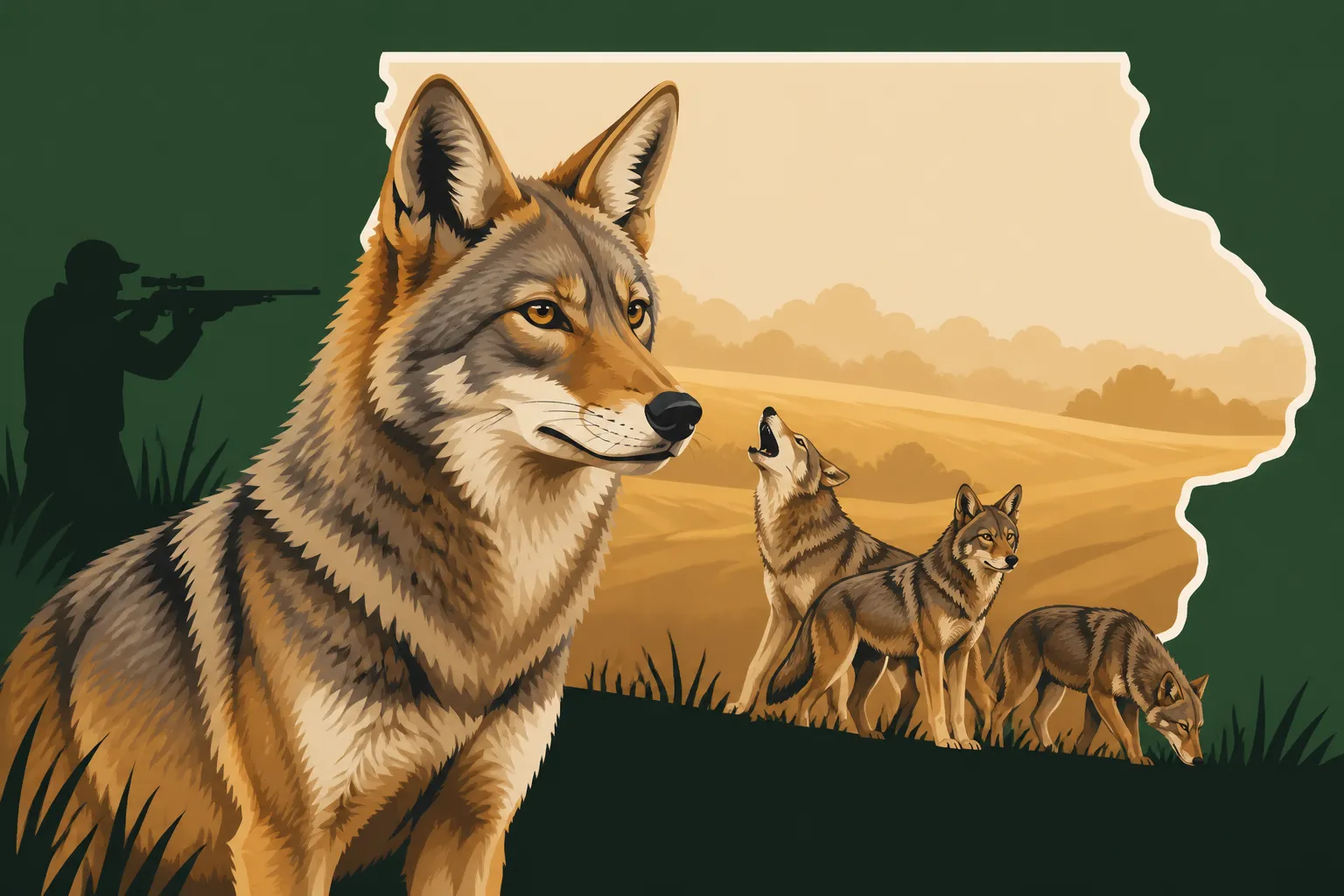
The coyote, often heard but rarely seen, is a fascinating and highly adaptable predator that has firmly established itself across Iowa. Unlike some other wildlife species that struggle with habitat loss or human encroachment, coyotes have shown an incredible ability to not just survive, but truly thrive, in the mosaic landscape of the Hawkeye State. From the dense river bottoms to the open agricultural fields, and even creeping into suburban fringes, these canids have made themselves at home.
Many folks, especially those new to hunting or living in rural areas, might wonder why we seem to have so many coyotes. It's not just your imagination; Iowa truly does boast a robust coyote population. They've capitalized on the perfect storm of abundant food sources, diverse cover, and a remarkable knack for learning and adapting. Think about it: a seemingly endless buffet of small rodents, rabbits, and even deer fawns, all interspersed with patches of timber, CRP (Conservation Reserve Program) grass, and brushy draws to hide in. It's a predator's paradise, and coyotes have certainly taken full advantage. Understanding their presence is the first step in appreciating their role, whether you're looking to hunt them or just understand the ecosystem better.
Historical Presence and Expansion
It might surprise some, but coyotes aren't ancient residents of Iowa in the same way deer or turkeys are. Historically, wolves were the primary large canid predators in the region. As European settlers moved in, wolves were largely extirpated due to conflicts with livestock and a concerted effort to remove them. This created an ecological vacuum, a wide-open niche for a savvy predator to fill. The coyote, a species known for its opportunistic nature and willingness to expand its range, seized this opportunity.
Beginning primarily in the late 19th and early 20th centuries, coyotes began moving eastward from their traditional western territories. Iowa, with its changing landscape of increasing agriculture and diminishing dense forest, offered an ideal pathway. They adapted quickly, learning to navigate human-dominated areas, utilizing ditches, fencerows, and small timber blocks as travel corridors and denning sites. This expansion wasn't a sudden invasion but a gradual, persistent spread, demonstrating their incredible resilience. Today, you'd be hard-pressed to find a county in Iowa where coyotes aren't present, even if their numbers fluctuate locally based on habitat and food availability. Their presence is a testament to natural adaptation in a landscape dramatically altered by human activity.
Why Iowa is a Coyote Haven
Iowa's agricultural landscape, often seen as monoculture, is actually a complex tapestry that provides an ideal environment for coyotes. Far from being a barren wasteland, the mix of corn and soybean fields, interspersed with timber, brush, waterways, and grassland, creates incredible edge habitat. These edges are where deer, rabbits, pheasants, and a multitude of small rodents thrive, offering a continuous and varied food supply for coyotes throughout the year.
Consider a typical Iowa section: a couple of large crop fields, perhaps a block of timber on one side, a winding creek, and some CRP grass along a fenceline. This seemingly simple arrangement is a prime hunting ground and sanctuary for a coyote. They can den in the timber, hunt the field edges for mice and voles in the fall, pursue rabbits in the brush, and pick off a vulnerable deer fawn in the spring. The scattered nature of cover across the state means they don't have to travel far to find both food and safety, leading to high survival rates and successful reproduction. This fragmented, yet resource-rich, environment is truly a major reason behind the robust Iowa Coyote Density and Behaviour we observe.
Factors Influencing Coyote Numbers in Iowa
Coyote populations aren't static; they ebb and flow based on a number of interconnected factors. Understanding these dynamics helps us grasp why you might see more coyotes some years than others, or why certain areas seem to have a higher density. It's a complex interplay of environmental conditions, human activity, and the inherent biology of these fascinating animals.
One of the biggest drivers, of course, is food availability. Years with good small game populations, like rabbits and rodents, often translate to healthier coyote litters and higher pup survival. Conversely, a harsh winter with deep, prolonged snow can make hunting tougher, leading to increased coyote mortality, especially among younger or weaker animals. It’s a natural balancing act.
Habitat and Food Availability
Iowa's diverse habitats directly fuel its coyote population. They are masters of adapting their diet to whatever is most abundant. In spring, vulnerable deer fawns can be a significant food source, while summer brings a bounty of berries, insects, and juvenile rabbits. Fall and winter see them relying heavily on rodents found in harvested fields, injured or weakened deer, and even carrion. This dietary flexibility is a huge advantage.
The state’s mix of row crops, pastures, small woodlots, and extensive waterways provides perfect cover for denning, raising pups, and ambushing prey. Even what seems like relatively open country to us offers enough visual breaks and scent-blocking cover for a coyote to move undetected. A patch of multiflora rose, a brushy creek bottom, or even a standing cornfield can serve as prime bedding and security cover. They leverage these features to their full advantage, making themselves virtually invisible until they choose to reveal themselves. This constant availability of diverse food and shelter is undoubtedly a major factor in the consistent Coyote Behaviour Around Iowa Farms.
Human Impact and Control Methods
Humans play a significant, albeit often indirect, role in shaping Iowa's coyote population. Historically, bounties were common, and coyotes were viewed as pests to be eradicated. While formal bounties are mostly a thing of the past, hunting and trapping remain popular activities. Iowa has very liberal hunting and trapping seasons for coyotes, often year-round, recognizing them as a species that can impact livestock and game populations.
However, despite these efforts, coyotes have proven remarkably resilient. Increased hunting pressure might temporarily reduce numbers in a specific area, but coyotes often respond by having larger litters or being more secretive. Some research even suggests that removing adult coyotes can sometimes lead to a temporary increase in reproduction rates as younger, less experienced coyotes move in to fill the void. Furthermore, the removal of top predators like wolves in earlier centuries inadvertently created a more favorable environment for coyotes to expand their range and population. It's a complex dynamic where human intervention often has unintended consequences on predator-prey relationships. You can learn more about specific hunting rules in Iowa by checking resources like the Iowa Furharvester Licence requirements.
Disease and Natural Mortality
Just like any wildlife species, coyotes are susceptible to various diseases and natural mortality factors. Rabies, canine distemper, and parvovirus are among the viral diseases that can affect coyote populations. While outbreaks of these diseases can cause localized die-offs, they rarely decimate the entire population across the state. Coyotes have evolved some level of immunity, and the diseases typically act as a natural thinning mechanism, particularly affecting younger or weaker animals.
Other natural mortality causes include starvation, especially during severe winters or periods of low prey availability, and territorial disputes between coyotes, which can sometimes result in fatal encounters. Accidents, such as being hit by vehicles, also contribute to mortality, especially in areas closer to roads and human development. While these factors keep the population in check, coyotes' high reproductive rate and adaptability mean they can typically rebound fairly quickly from periods of higher natural mortality. For serious hunters and those interested in broader wildlife health, it’s also important to be aware of topics like Iowa Wildlife Disease Monitoring in deer, as some of these diseases can spread between species or indicate broader ecosystem health.
Coyote Behavior and Ecology in Iowa
Understanding how coyotes live their lives in Iowa is crucial for anyone interested in these animals, whether for hunting, wildlife viewing, or simply learning more about our natural world. They are highly intelligent, social animals with a distinct set of behaviors that allow them to thrive in our landscape.
Their vocalizations are perhaps their most iconic trait. The yips, howls, and barks that echo across a cold Iowa night are not just random noises; they are complex communications. These calls can signal territory, warn of danger, or help pack members locate each other. A chorus of yips often sounds like many more coyotes than are actually present, a clever trick to make their numbers seem larger to potential rivals. Observing their patterns can reveal much about their presence, especially when you're trying to gauge activity during a hunt or scouting trip.
Dietary Habits and Hunting Strategies
Coyotes are true omnivores, but their diet in Iowa leans heavily towards meat. Their primary food sources include small mammals like mice, voles, rabbits, and groundhogs. They are also opportunistic predators of deer, particularly fawns in the spring, and sometimes weakened or sick adult deer in winter. Birds, especially pheasants and turkeys, their eggs, and even domestic poultry can become targets. In lean times, they'll readily consume carrion, supplementing their diet with fruits, berries, and insects when available.
Their hunting strategies are varied and effective. Solitary coyotes often employ a "pounce" technique for small rodents, leaping high into the air and dropping down to pin their prey. When hunting larger game like rabbits or deer, they might work in pairs or small family groups, using coordinated efforts to flush or corner their prey. They are also masters of stealth, using cover and wind to their advantage, making them incredibly difficult to spot until it's too late. This adaptability in diet and hunting style ensures they can find sustenance in nearly any season or condition Iowa throws at them.
Reproduction and Social Structure
Coyotes typically breed in late winter, usually January or February in Iowa, with pups born in April or May after a gestation period of about 60-63 days. Litters usually range from 4 to 8 pups, though larger litters are possible, especially when prey is abundant or if the population has experienced a recent decline due (often due to human hunting pressure). Pups are born blind and helpless, remaining in the den for several weeks, completely dependent on their parents.
Coyotes live in family units or small packs, often consisting of a breeding pair and their offspring from the current year, and sometimes a few older offspring who did not disperse. This social structure is less rigid than that of wolves but still provides benefits in terms of territorial defense and cooperative hunting of larger prey. As the pups mature, they begin to join their parents on hunting forays, learning essential survival skills. By late summer or fall, the young coyotes begin to disperse, seeking out their own territories. This dispersal is a key mechanism for their widespread presence across the state.
Hunting and Management of Coyotes in Iowa
For many hunters, the coyote presents a unique and thrilling challenge. They are incredibly wary, intelligent, and possess keen senses, making them a formidable quarry. Their presence is also a management consideration, particularly concerning livestock protection and deer fawn survival. Whether you're a seasoned predator hunter or curious about getting started, understanding the specific tactics and regulations for hunting coyotes in Iowa is essential.
One common frustration for hunters is just how unpredictable coyotes can seem. You might call for hours in a prime location and see nothing, then drive down the road and spot one casually crossing a field. This randomness is part of their charm and why successful coyote hunting requires patience, persistence, and a deep understanding of their habits. Utilizing tools like the GoHunt app or similar mapping services can be immensely helpful in scouting potential areas, identifying cover, and planning your approach to account for wind and terrain.
Legal Seasons and Regulations
Iowa has incredibly liberal regulations for coyote hunting, reflecting their widespread presence and the desire to provide opportunities for population control. For residents, coyotes can generally be hunted year-round, both day and night, with few restrictions on weapon choice during daylight hours. This means archers, shotgun hunters, and rifle hunters (where legal for other game or with straight-wall cartridges) can pursue them. It’s important to always check the current Iowa DNR hunting regulations booklet for any specific season dates, bag limits (though typically none for coyotes), or other rules that may have changed.
Night hunting for coyotes is also allowed in Iowa, but this comes with specific rules, particularly regarding the use of artificial lights. Generally, a valid hunting license is required, and hunters must adhere to all fair chase and ethical hunting practices. For those interested in trapping, coyotes are included in the furharvester season, which typically runs from early November through late January. Specific regulations apply to trap types, setting locations, and checking intervals. Always consult the official DNR regulations to ensure you're compliant, especially if you're exploring Night Hunting Rules for Coyotes in Iowa or thinking about getting an Iowa Furharvester Licence.
Popular Hunting Methods and Strategies
Coyote hunting in Iowa primarily revolves around calling, still-hunting, and occasionally opportunistic encounters during other hunts.
- Calling: This is arguably the most popular and effective method. Hunters use electronic callers or mouth calls to mimic prey in distress (rabbit, fawn, bird) or coyote vocalizations (howls, yips, pup distress). The key is to set up quietly, play the wind, and have good visibility to spot an approaching coyote. Often, coyotes will approach cautiously, circling downwind to get a scent, so understanding Coyote Calling in Iowa Farm Country is vital. You need to be ready to shoot quickly and accurately.
- Still-Hunting/Stalking: This involves slowly moving through prime coyote habitat, often along field edges, creek bottoms, or timber lines, hoping to spot a coyote before it spots you. It requires extreme stealth and keen eyesight, often combined with binoculars.
- Opportunistic Hunting: Many coyotes are harvested incidentally by deer or pheasant hunters. If you're sitting in a treestand or walking a fence row and a coyote presents a shot, it's often a legal and welcome bonus.
Regardless of the method, attention to scent control, camouflage, and understanding wind direction are paramount when hunting coyotes. They have an incredible sense of smell and will typically bust you if they catch your wind. Using mapping tools on platforms like GoHunt can aid in planning stand locations based on prevailing winds and known travel corridors.
Role in the Ecosystem and Management
Coyotes play a critical role as apex predators in Iowa's ecosystem. They help control populations of small mammals, which can have significant impacts on agricultural crops if left unchecked. They also act as scavengers, cleaning up carrion, which can help prevent the spread of disease. While they do prey on deer, especially fawns, their overall impact on healthy deer populations is generally considered to be less significant than factors like habitat quality and severe winters, though they can certainly have a local impact on Predator Impact on Iowa Fawns.
From a management perspective, Iowa DNR generally manages coyotes as a common furbearer and predator, providing recreational hunting and trapping opportunities while recognizing their ecological role. There are typically no population management goals to reduce coyotes to very low numbers, as their adaptability makes such efforts largely ineffective and often cost-prohibitive. Instead, the focus is on allowing hunters and trappers to take animals, especially where conflicts arise with livestock or where local game populations are perceived to be negatively impacted. It's about balance, recognizing that coyotes are a permanent and integral part of the Iowa landscape.
Coyote Spotting and Scouting Tips for Iowa
Finding coyotes in Iowa, especially consistently, can feel like a daunting task. They're masters of concealment, and their movements are often tied to subtle changes in terrain, wind, and the availability of prey. However, with a bit of dedicated scouting and understanding their habits, you can significantly increase your chances of an encounter. This isn't just about looking for tracks; it's about piecing together a puzzle of their daily lives.
Successful coyote hunters know that the hunt begins long before you ever step into the field with a call. It starts with observation, reading the land, and sometimes, even employing technology to narrow down areas where coyotes are likely to be present. Remember, while they are widespread, not all areas hold coyotes in huntable numbers, or at least not consistently.
Identifying Coyote Sign
Learning to read the subtle clues coyotes leave behind is fundamental to effective scouting. This includes:
- Tracks: Coyote tracks are typically oval-shaped, longer than they are wide, with four toes visible and often distinct claw marks. They usually travel in a straight line, placing their hind feet in the prints of their front feet, a pattern called "direct register" that conserves energy. Look for these in muddy areas, snow, or dusty trails along field edges, old logging roads, or creek banks.
- Scat: Coyote droppings (scat) are typically cord-like, often containing hair, bone fragments, and sometimes berries or seeds, reflecting their varied diet. They frequently deposit scat on prominent objects like rocks, stumps, or at trail intersections as a form of territorial marking.
- Kills and Carcasses: While coyotes often consume smaller prey entirely, you might find remnants of larger kills, such as deer carcasses or bird feathers. Fresh tracks or scat around these areas indicate recent coyote activity.
- Dens: During denning season (spring), look for disturbed earth, tracks, and scat around brush piles, rocky outcrops, or eroded creek banks. Coyote dens are often well-hidden and can be tough to spot, but fresh activity nearby is a dead giveaway.
Identifying fresh sign gives you confidence that coyotes are actively using an area, narrowing down your focus for future hunting efforts.
Using Technology for Scouting
In today's hunting world, technology can be a huge asset in coyote scouting. Mapping applications, like those provided by GoHunt or similar services, are invaluable. These tools allow you to:
- E-Scout from Home: Before you even leave the house, you can study aerial imagery to identify potential coyote hotspots. Look for convergences of different habitat types: where timber meets CRP, where a creek meanders through row crops, or where a brushy fencerow provides a travel corridor. These "edge habitats" are prime coyote territory. You can learn a lot about E-Scouting Iowa Farm Country From Home this way.
- Identify Access Points and Wind Lanes: Mark potential parking spots, walk-in access points, and plan your approach to a calling setup. Crucially, these apps often have wind direction overlays, allowing you to plan your ambush based on the prevailing winds to keep your scent from blowing to an approaching coyote.
- Mark Hotspots: When you find tracks, scat, or hear vocalizations, you can drop a pin on your map. Over time, these pins will reveal patterns of coyote activity, helping you understand their preferred travel routes and bedding areas.
- Public Land Identification: These apps clearly outline public land boundaries, which is crucial for ethical and legal hunting, especially on areas like Iowa's IHAP tracts. While coyotes don't typically adhere strictly to property lines, knowing where you can legally hunt is paramount.
Leveraging these digital tools can save countless hours of walking and dramatically improve your chances of finding areas with active coyotes.
Coyote Coexistence and Safety in Iowa
While coyotes are a natural and important part of Iowa's ecosystem, their increasing presence, especially near human habitation, sometimes raises concerns. Understanding how to coexist peacefully and minimize potential conflicts is essential for both human safety and the continued well-being of the coyote population. The vast majority of coyotes want nothing to do with people, but certain behaviors can sometimes draw them closer to residential areas.
It's important to remember that coyotes are wild animals. While they are often timid around humans, they are also opportunistic and can quickly learn to associate people with food sources if given the chance. Preventing these learned behaviors is key to avoiding conflicts.
Preventing Conflicts with Livestock and Pets
Coyotes are predators, and livestock or pets can sometimes become targets. Farmers, rural residents, and even those in suburban areas with outdoor pets need to take proactive steps to minimize risks.
For Livestock Owners:
- Fencing: Secure fencing, especially woven wire or electric fencing, can be very effective in deterring coyotes from pastures.
- Guardian Animals: Dogs specifically bred to protect livestock (e.g., Great Pyrenees, Anatolian Shepherds) can be highly effective at deterring predators.
- Night Penning: Bringing vulnerable livestock (like young calves, lambs, or poultry) into secure enclosures at night is a simple yet effective strategy.
- Removing Carcasses: Promptly removing dead livestock from pastures prevents coyotes from being drawn to the area for carrion, which can then lead to them preying on live animals.
- Calving/Lambing Management: Closely monitoring birthing areas and ensuring vulnerable newborns are protected can make a big difference.
For Pet Owners:
- Leash Your Dogs: Keep dogs on a leash, especially in areas known for coyote activity. Off-leash dogs can inadvertently challenge a coyote or chase them into a dangerous situation.
- Supervise Small Pets: Small dogs and cats are particularly vulnerable. Never leave them unattended outdoors, even in a fenced yard, especially at dawn, dusk, or night when coyotes are most active.
- Secure Pet Food: Don't leave pet food outdoors. This attracts not only coyotes but also other wildlife like raccoons and opossums, which can in turn draw coyotes.
- Secure Garbage: Keep trash cans tightly sealed. Coyotes are scavengers and will investigate easily accessible garbage.
These preventative measures are usually far more effective than reactive measures once a problem has occurred.
General Safety and Reporting Encounters
Coyote attacks on humans are extremely rare, particularly in Iowa. However, it's wise to maintain a healthy respect for all wildlife. If you encounter a coyote, especially one that doesn't immediately run away, here's what to do:
- Do Not Run: Running can trigger a coyote's chase instinct.
- Make Yourself Large: Stand tall, wave your arms, and make noise (shout, clap your hands).
- Throw Objects: If necessary, throw rocks or sticks towards the coyote to scare it off.
- Maintain Distance: Never approach a coyote, especially if it appears sick, injured, or if it's with pups.
- Report Aggressive Behavior: If a coyote exhibits unusually bold or aggressive behavior, or shows no fear of humans, it's crucial to report it to the Iowa Department of Natural Resources (DNR) or local animal control. This helps wildlife officials monitor for potential public safety risks or signs of disease. For information on reporting sick or injured animals, consult resources like Reporting a Sick Deer in Iowa, as similar protocols might apply to other wildlife.
By understanding their behavior, taking simple precautions, and respecting their wild nature, we can largely coexist with Iowa's thriving coyote population. They are a fascinating and essential part of the state's natural heritage, playing their part in the intricate balance of the ecosystem.
Disclaimer
This article is for general informational purposes only and does not constitute professional advice. Laws, prices and regulations vary by location and change over time. Consult a qualified professional for guidance on your specific situation.