Night Hunting Rules for Coyotes in Iowa
Navigating the world of hunting regulations can feel like deciphering ancient scrolls, especially when you're trying to figure out what's allowed after the sun goes down. Many hunters assume that all hunting stops at dusk, leading to frustration when they consider pursuing a prolific nighttime predator like the coyote. The truth about night hunting coyotes in Iowa is often misunderstood, but this guide will clear up the confusion and provide a comprehensive overview of the rules, equipment, and best practices to ensure a legal and successful hunt.
Understanding Iowa's General Night Hunting Landscape
Iowa, like many states, has very specific rules about when you can hunt certain game animals. These regulations are in place for a host of reasons, from promoting fair chase to ensuring public safety and managing wildlife populations responsibly. When it comes to hunting after dark, there's a significant distinction between most species and the opportunistic coyote.
Why Most Game Animals Are Off-Limits After Dark
For the vast majority of game animals in Iowa, such as whitetail deer, wild turkeys, and pheasants, hunting is strictly regulated to specific daylight hours. Typically, this means half an hour before sunrise to half an hour after sunset. This isn't just an arbitrary rule; it's rooted in several core principles of wildlife management and ethical hunting.
Firstly, limiting hunting to daylight hours is a matter of fair chase. Many animals rely on the cover of darkness to move and feed, and hunting them when their natural defenses are heightened by night can be seen as giving the hunter an unfair advantage. It also makes identification of the animal much clearer, ensuring that hunters are targeting the correct species and sex, which is crucial for population management, especially with species like antlered deer.
Secondly, public safety is a huge factor. Shooting in the dark, even with modern optics, carries inherent risks. Identifying your target and what lies beyond it becomes significantly more challenging, increasing the potential for accidents. Most hunters recognize the importance of clear sightlines and positive identification, which are severely hampered once natural light fades. This is why you won't find regulations allowing hunters to pursue, say, a trophy buck under the cloak of night.
The Clear Distinction for Coyotes
However, coyotes are a notable and important exception to these general rules in Iowa. When you're dealing with a highly adaptable, intelligent, and prolific predator like the coyote, conventional hunting restrictions often don't apply. The Iowa Department of Natural Resources (DNR) recognizes the impact coyotes can have on livestock, poultry, and even other game populations suchability to reproduce quickly and thrive in diverse habitats means they are often viewed as a species that benefits from population control.
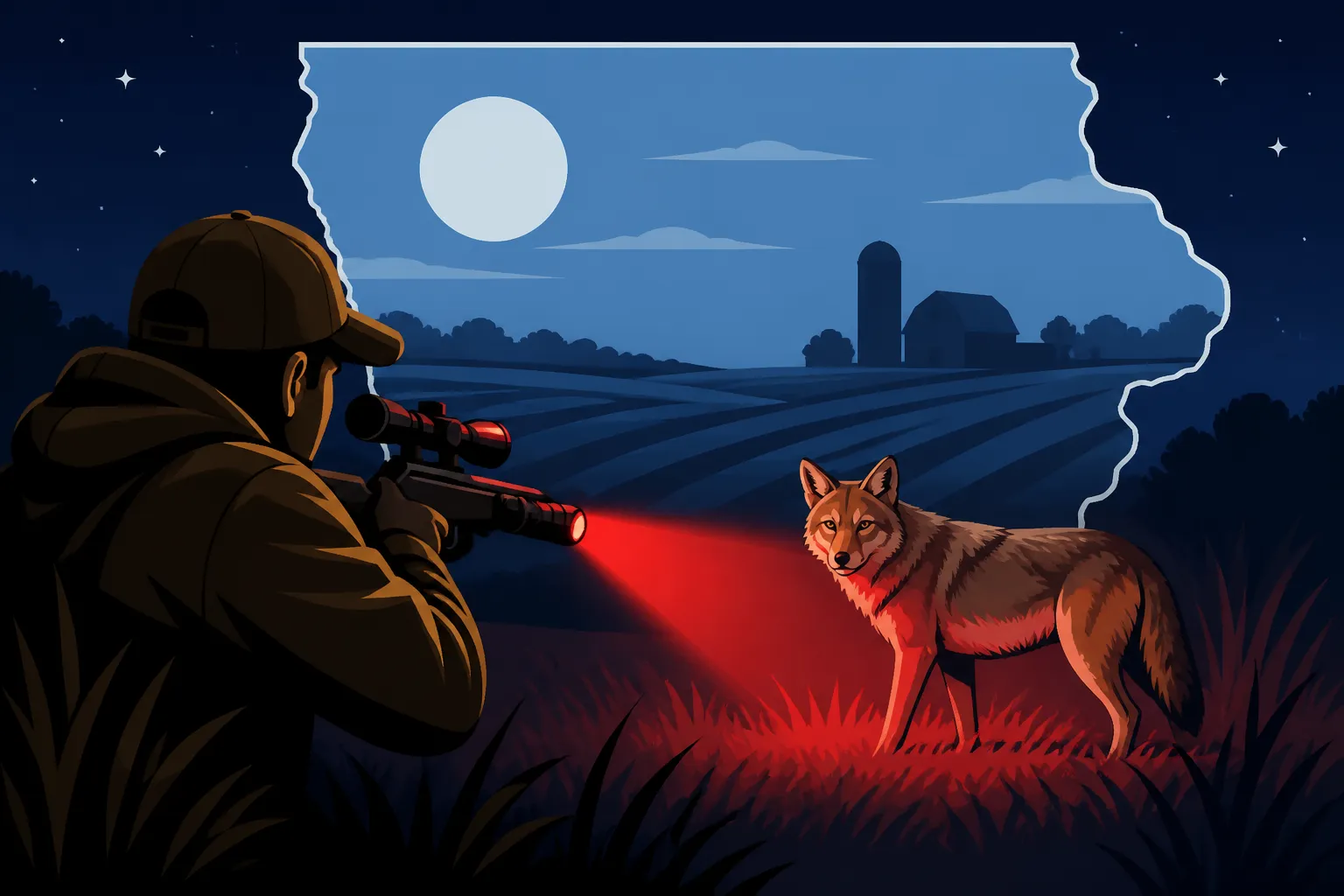
Because coyotes are naturally nocturnal or crepuscular (most active at dawn and dusk), restricting hunting to daylight hours would severely limit effective management efforts. Therefore, in Iowa, it is completely legal to hunt coyotes at night. This distinction is crucial for hunters looking to pursue these wary animals, especially when they're most active. This legal allowance provides a valuable tool for farmers protecting their livestock and for hunters contributing to a healthier ecosystem by managing predator numbers. This openness extends to using equipment that would be strictly prohibited for deer or turkey, as we'll explore in the next section.
Legal Equipment and Methods for Nighttime Coyote Hunting
One of the most exciting aspects of night hunting coyotes in Iowa is the expanded range of equipment and methods you can legally employ. Unlike deer hunting, where strict rules dictate everything from projectile type to legal shooting hours, coyote hunting at night opens up a world of technological aids.
Navigating Light Sources and Optic Technology
This is where night coyote hunting truly shines, both literally and figuratively. In Iowa, the use of artificial lights is legal for hunting coyotes at night. This is a critical departure from hunting most other game. You can employ a variety of lighting options to illuminate your target and surrounding area.
Many hunters favor weapon-mounted lights, which integrate directly onto your rifle or shotgun, ensuring your light beam follows your point of aim. Powerful LED lights with red or green filters are popular, as these colors are often less alarming to coyotes and can help preserve your natural night vision. A separate scan light, often mounted on a headlamp or held independently, is also incredibly useful for scanning the landscape for incoming predators. The key is to have enough illumination to positively identify your target and ensure a safe shot.
Beyond traditional lights, Iowa also permits the use of advanced optics for night coyote hunting, which is a game-changer. Thermal imaging and night vision devices are legal to use for hunting coyotes in Iowa. This is a huge advantage, allowing hunters to detect the heat signatures of coyotes in total darkness, through light cover, and across long distances. Imagine being able to spot a coyote silently approaching your setup long before it would be visible with a conventional light. Thermal scopes, binoculars, and monoculars have revolutionized night hunting for predators. Similarly, night vision devices amplify ambient light, making a dark scene visible. While perhaps not as effective as thermal for detection, they offer a clearer image for identification in certain situations. When considering these advanced tools, it's wise to thoroughly understand Thermal and Night Optics Rules in Iowa as they can be quite sophisticated.
Utilizing Calls and Decoys in the Dark
Just like during the day, calls and decoys are incredibly effective tools for bringing coyotes into range at night. And good news: electronic calls are perfectly legal for coyote hunting in Iowa, day or night. This means you can use a wide array of sounds, from rabbit distress calls to pup whines and coyote howls, to mimic realistic scenarios and entice coyotes to investigate.
Electronic calls offer significant advantages. They allow you to project sound far from your position, pulling coyotes away from your scent cone. Many models come with remote controls, allowing you to vary the sound and volume without movement, which is critical when hunting wary predators. Brands like ICOtec, FoxPro, and Lucky Duck offer excellent electronic calls with libraries of sounds tailored for coyote hunting.
When it comes to decoys, their effectiveness at night can be a bit more nuanced. While motion decoys (like a flapping bird or wiggling rabbit) are incredibly useful during the day to provide a visual focal point for an approaching coyote, their utility diminishes after dark. A coyote’s primary senses for hunting at night are typically hearing and smell. However, a small, subtle light-up decoy or one that simply provides a silhouette might still draw a coyote's attention long enough for a shot, especially if you're pairing it with a distress call. Just remember that the visual aspect might not be as dominant as it is in daylight.
Essential Considerations for a Responsible Night Hunt
While the regulations for night hunting coyotes in Iowa are quite liberal compared to other species, being a responsible hunter means doing more than just staying within the letter of the law. It involves meticulous planning, respecting land, and prioritizing safety.
Securing Landowner Permission and Respecting Boundaries
This cannot be stressed enough: always secure explicit permission from the landowner before hunting coyotes on private property, especially at night. Hunting at night, with lights and sometimes loud calls, can be alarming to property owners, neighbors, and even other people who might be on or near the land. A simple misunderstanding can quickly escalate.
When seeking permission, be clear about your intentions. Explain that you plan to hunt coyotes at night, what equipment you'll be using (e.g., lights, calls), and approximately when and where you'll be on their property. It’s a good practice to share your hunting plan, including your arrival and departure times, and provide your contact information. This transparency builds trust and prevents potential issues. Many landowners are keen to have coyotes removed, but they appreciate being informed. For more on this, check out Finding Private Land Access in Iowa.
It's also absolutely crucial to have a clear understanding of property lines. At night, with limited visibility, it's incredibly easy to become disoriented and inadvertently trespass or shoot across a boundary. Utilize mapping applications like GoHunt or OnX Hunt to precisely identify property lines on your phone. These tools can be invaluable for ensuring you stay within permitted areas and prevent unintentional violations.
Navigating Public Land Realities After Sundown
While state regulations allow for night hunting coyotes, the rules can differ significantly on various public lands across Iowa. Always check the specific regulations for the particular public land you intend to hunt. Wildlife Management Areas (WMAs), state forests, county conservation areas, and federal lands (like Corps of Engineers property or National Wildlife Refuges) can all have unique rules regarding night access, vehicle use, and the discharge of firearms after dark.
Some public lands might close at sunset, regardless of general coyote hunting rules. Others might have designated "no hunting after dark" zones or specific curfews. You might also find restrictions on what types of firearms are allowed, or rules about where you can park vehicles overnight. A quick call to the local DNR office or county conservation board responsible for the area you're interested in can save you a lot of headache and potential legal trouble. The Iowa DNR's online hunting atlas is an excellent resource for checking specific property rules. For a broader overview of state lands, consider reading Public Hunting Land in Iowa. Just remember that general state laws are overridden by more specific local or area-specific regulations.
Strategizing for Success and Safety Under the Stars
Successful night hunting for coyotes isn't just about knowing the rules; it's about smart strategy and prioritizing safety above all else. These cunning predators demand a well-thought-out approach.
Pre-Hunt Scouting and Environmental Awareness
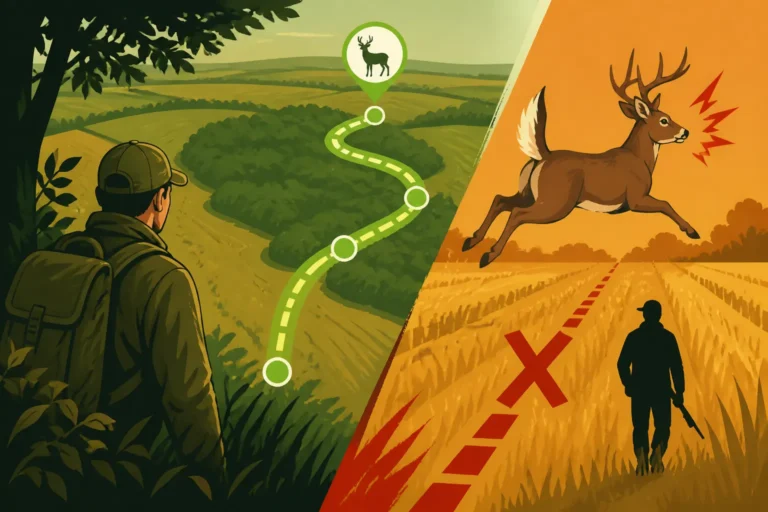
Just because you're hunting at night doesn't mean you can skip your daytime scouting. In fact, it makes it even more critical. Spend time during daylight hours scouting potential hunt locations. Look for coyote sign such as tracks, scat, and active travel corridors. Identify potential setup locations that offer good visibility and safe shooting lanes away from roads, homes, and livestock. Also, identify potential entry and exit routes that will minimize disturbance and noise. Understanding Coyote Calling in Iowa Farm Country will help you choose your setup points effectively.
Environmental conditions play a huge role in night hunting success.
- Wind Direction: This is arguably the most critical factor. Coyotes have an incredible sense of smell. Always set up so your scent is blowing away from where you expect coyotes to approach. A shifting wind can ruin an otherwise perfect setup.
- Moon Phase: While thermal and night vision reduce reliance on ambient light, a bright moon can be beneficial for seeing movement with the naked eye or through standard optics, and it can affect coyote movement. On moonless nights, thermal and night vision become even more invaluable.
- Weather: Calm, cool, clear nights are often ideal. High winds can make hearing calls difficult and make coyotes wary. Rain or heavy snow can suppress coyote activity and make tracking difficult, though fresh snow can highlight tracks for future hunts. A calm, clear night allows your calls to travel further and helps you hear approaching coyotes.
Prioritizing Safety and Ethical Conduct
Safety is paramount, especially when hunting in the dark.
- Positive Target Identification: Never, ever, take a shot at anything you haven't positively identified as a coyote. This is the golden rule of all hunting, amplified at night. Use your lights and optics to confirm your target clearly before putting your finger on the trigger.
- Know Your Backstop: Always know what's behind your target. In the dark, this requires even more careful consideration and often involves setting up with a natural berm, hill, or dense timber as a safe backdrop. Never shoot towards a skyline or into an unknown area.
- Communicate with Partners: If you're hunting with a partner, establish clear communication protocols. Know each other's positions, discuss shooting lanes, and agree on signals. Two-way radios are an excellent tool for this.
- Inform Others: Let someone not hunting with you know your plan – where you're going, when you expect to be back. This is part of a responsible Leaving a Trip Plan for a Public Hunt.
- Gear Check: Ensure all your equipment, especially lights and firearms, is in good working order before heading out. Check batteries, test your lights, and make sure your firearm is sighted in.
- Respect and Ethics: Even though coyotes are often seen as pests, they are still living creatures. Strive for quick, clean kills. Be aware of your surroundings, and leave no trace of your presence. Understanding the potential consequences of straying from ethical behavior, such as Iowa Wildlife Violation Penalties, is crucial for every hunter. If you observe any illegal activity, like hunting without permission or dangerous practices, consider Reporting Poaching in Iowa to the proper authorities.
Staying Informed: Regulations and Updates
Hunting regulations are not static; they can change from year to year, or even mid-season if wildlife populations or public safety concerns necessitate it. It is your responsibility as a hunter to stay informed of the most current Iowa hunting regulations.
The Iowa DNR website is your primary source for up-to-date information. They typically release their annual hunting regulations booklet in late spring or early summer, which often includes any changes from the previous year. Always consult the most recent version. Keep an eye out for the Iowa Regulation Booklet Release Date to ensure you have the latest information.
In addition to state-level regulations, as mentioned, individual public land areas or county conservation boards might have specific rules. Don't assume. A quick check before each hunt, especially if you're venturing to a new area, can prevent misunderstandings and ensure your hunt is legal and enjoyable.
Staying connected with local hunting communities or online forums can also sometimes provide early heads-up on potential changes or discussions within the DNR. However, always verify information with official DNR sources.
Here's a quick summary of key differences between night hunting coyotes and other common Iowa game:
| Feature | Coyote Night Hunting (Iowa) | Deer/Turkey Hunting (Iowa) |
|---|---|---|
| Legal Hours | Permitted at night | Half-hour before sunrise to half-hour after sunset |
| Artificial Lights | Legal | Generally Illegal |
| Electronic Calls | Legal | Legal for coyotes, generally illegal for deer/turkey |
| Thermal/Night Vision | Legal | Generally Illegal |
| License Required | Valid hunting license | Specific deer/turkey tag, plus hunting license |
| Blaze Orange | Not required, but safety considerations apply for travel | Required during certain firearm seasons |
Remember, this table provides a general overview, and specific rules for public lands or special circumstances may vary. Always consult the current Iowa DNR regulations before you hunt.
So, for those of you who have been itching to target Iowa's clever coyotes after dark, rest assured, the opportunities are there, and they're perfectly legal. Just remember to do your homework, respect the land, prioritize safety, and you'll be well on your way to a thrilling and responsible night hunt.
Disclaimer
Please be aware that hunting regulations are subject to change. This guide is intended for informational purposes only and should not be considered legal advice. Always consult the most current Iowa Department of Natural Resources hunting regulations and any specific rules for public or private land before engaging in any hunting activity. It is your responsibility to know and follow all applicable laws.