River Otters in Iowa
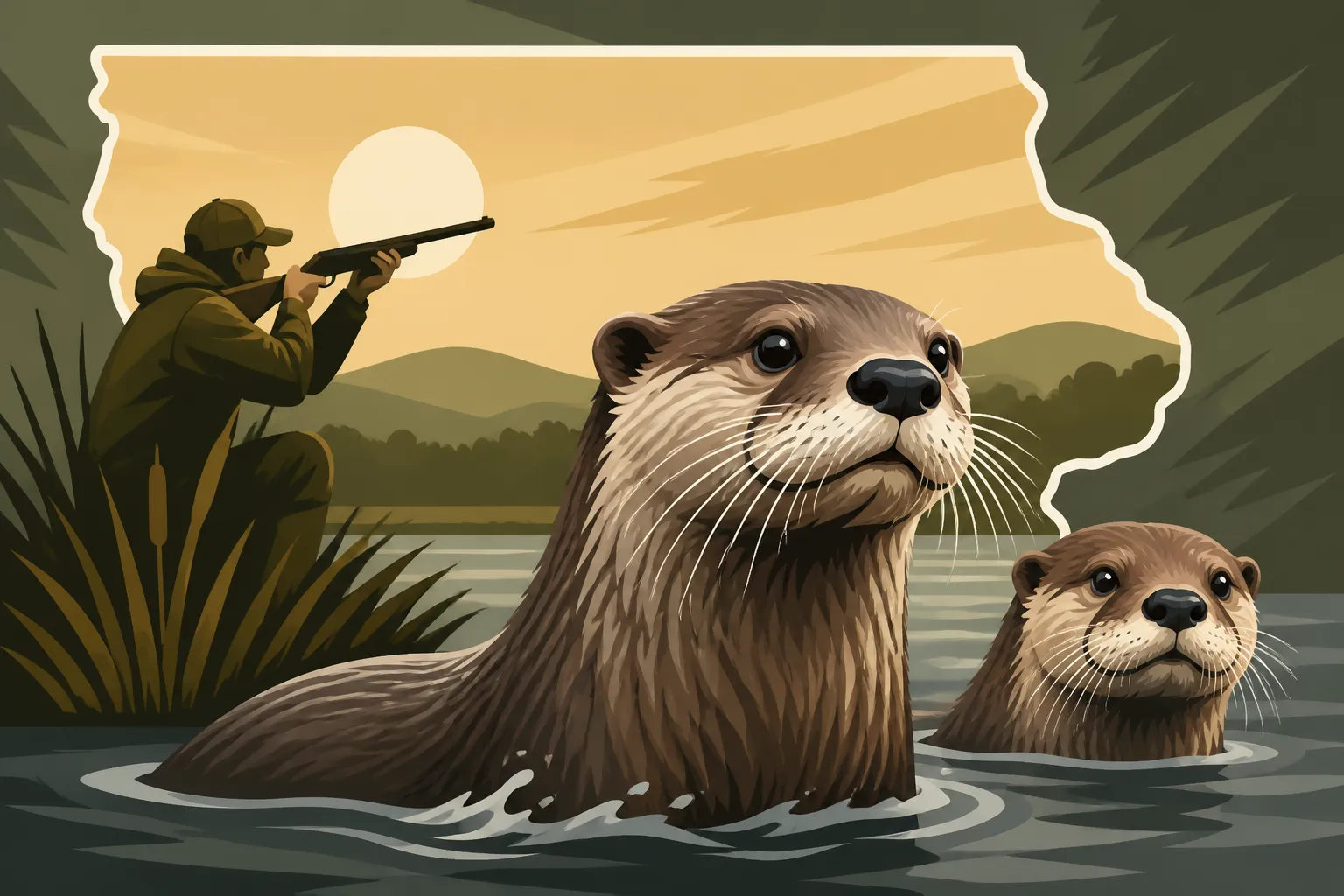
If you've spent any time exploring Iowa's waterways, from tranquil creeks to bustling rivers, you might have caught a glimpse of a sleek, playful creature that once seemed relegated to history books: the river otter. Their return to Iowa has been a remarkable conservation success story, bringing a unique blend of wild energy and natural beauty back to our aquatic ecosystems. This guide delves into the fascinating world of Iowa's river otters, exploring their biology, their journey back from near extirpation, where to find them, and how their presence shapes our state's wildlife landscape.
The Resurgence of River Otters in Iowa
It's hard to imagine now, but for a good chunk of the 20th century, seeing a river otter in Iowa was about as likely as spotting a mountain lion—in other words, highly improbable. Habitat destruction, water pollution, and unregulated trapping in the 1800s and early 1900s pushed these charismatic furbearers to the brink, nearly extirpating them from the state. By the 1950s, river otters were considered absent from Iowa's waters, a silent testament to how quickly human impact can alter an ecosystem.
A Story of Successful Reintroduction
The comeback of the river otter in Iowa isn't just a happy accident; it's the result of a deliberate and highly successful reintroduction program. Beginning in 1985, the Iowa Department of Natural Resources (DNR), in cooperation with other state agencies and conservation groups, embarked on a multi-year effort to bring otters back. Over several years, around 200 river otters were live-trapped from states with healthy populations, like Louisiana and Kentucky, and released into major river systems across Iowa. These release sites were carefully chosen, focusing on areas with good water quality, ample prey, and suitable riparian habitat.
The strategy paid off handsomely. Unlike some reintroduction efforts that struggle to gain traction, Iowa's otters thrived. They adapted well to their new homes, reproduced successfully, and began to spread naturally throughout the state's intricate network of rivers, streams, and wetlands. This reintroduction is often cited as a prime example of effective wildlife management and a beacon of hope for other species facing similar challenges. Their return has been a source of pride for many Iowans, a clear sign that dedicated conservation efforts can indeed reverse past ecological damage.
The Impact on Iowa's Ecosystems
The return of river otters signifies a healthier aquatic environment in Iowa. As apex predators in their watery domain, otters play a vital role in maintaining the balance of fish populations and other aquatic life. Their presence suggests that our rivers and streams are cleaner and more productive than they once were, capable of supporting a diverse array of species. They are excellent biological indicators; where you find healthy otter populations, you generally find robust aquatic ecosystems.
However, their return isn't without its nuances. Anglers, for example, sometimes express concern about otters competing for fish. While otters are efficient hunters, their impact on overall fish populations is typically localized and part of a natural predator-prey dynamic. On the flip side, their playful antics are a joy to observe, attracting wildlife enthusiasts and adding another layer of biodiversity to Iowa's natural landscapes. Understanding their role is key to appreciating their value, and recognizing that a thriving ecosystem includes both predator and prey.
River Otter Biology and Behavior in Iowa
River otters (Lontra canadensis) are truly fascinating creatures, perfectly adapted for life in and around water. They are sleek, agile, and incredibly playful, making them a joy to watch for anyone lucky enough to observe them in the wild. Their distinct appearance and behavior make them relatively easy to identify once you know what to look for.
Physical Characteristics and Adaptations
An adult river otter in Iowa typically measures about 3 to 4 feet long from nose to tail tip, with the tail itself making up about a third of that length. They can weigh anywhere from 10 to 30 pounds, with males generally being larger than females. Their fur is dense and dark brown, often lighter on the underside, and remarkably waterproof, providing excellent insulation in cold water. This luxurious fur was, unfortunately, one of the reasons they were so heavily trapped in the past.
Their bodies are designed for hydrodynamic efficiency. They have a long, muscular, torpedo-shaped body, short legs, and webbed feet that act like powerful paddles. Their eyes and ears are small and can be closed underwater, and they possess specialized nostrils that seal shut. Perhaps their most distinctive feature is their long, tapered tail, which is flattened top-to-bottom and serves as a rudder for steering and propulsion, especially during quick turns and dives. Otters are also known for their keen sense of smell, which helps them locate prey and communicate with other otters, even when visibility in the water is poor.
Diet and Hunting Strategies
River otters are opportunistic carnivores, and their diet in Iowa primarily consists of fish. They are not particularly picky eaters, however, and will consume whatever is most readily available. This can include slow-moving fish like carp, suckers, and sunfish, but they are also capable of catching faster species. Beyond fish, they'll readily eat crayfish, frogs, salamanders, and even small birds, mammals, or eggs if the opportunity arises. This diverse diet allows them to thrive in various aquatic environments throughout the state.
Their hunting technique is a marvel to behold. Otters are incredibly agile underwater, often pursuing fish with acrobatic twists and turns. They use their sensitive whiskers to detect prey in murky water and their strong jaws to grip their catch. When hunting as a family group, they can work cooperatively, herding fish into shallows or against obstructions, increasing their success rate. They typically consume their prey on solid ground, often leaving tell-tale signs like fish scales or shells at their eating spots along riverbanks. Reading an Iowa Timber Draw for Deer Sign or Scouting Iowa Timber and River Bottoms might give you an idea of how to look for game signs, and while otters are different, the principle of observation remains.
Social Life and Playful Nature
Otters are known for their playful demeanor, which isn't just for show. Play, especially among younger otters, helps them develop crucial hunting and survival skills. You might see them sliding down muddy banks into the water, chasing each other, or tumbling in the current. While they are often solitary, females will raise their pups in family groups that can remain together for up to a year. These family units are a delight to witness, as the mother teaches her young how to hunt and navigate their watery world.
Their dens, known as "holts," are often repurposed burrows of other animals, like beavers or muskrats, or natural cavities in riverbanks, root systems, or rock piles. They'll typically have multiple holts within their territory, providing safe havens and nursery sites. Communication between otters involves a variety of chirps, growls, and scent marking, which helps define territories and signal their presence to others. Understanding these social habits can aid in identifying their presence even when they aren't directly visible.
Where to Spot River Otters in Iowa
One of the most exciting aspects of the river otter's return is the opportunity to observe them in their natural habitat. While they are now found across much of Iowa, certain areas and conditions make sightings more likely. Knowing where and how to look can greatly increase your chances of witnessing these playful creatures.
Prime Otter Habitat in Iowa
River otters are intimately connected to water, so it's no surprise that their preferred habitats are areas rich in aquatic resources. In Iowa, this means healthy river systems, major tributaries, and associated wetlands, sloughs, and oxbow lakes. The Mississippi and Missouri Rivers, along with their larger feeder streams like the Des Moines, Iowa, Cedar, Skunk, and Maquoketa Rivers, are excellent places to start. These larger waterways offer consistent water levels, diverse fish populations, and plenty of riparian cover for denning and foraging.
Smaller, cleaner creeks and streams, especially those with good bank cover and unchannelized sections, also support otter populations. Look for areas with dense vegetation along the banks, fallen trees that create underwater structure, and stretches of water that aren't heavily disturbed by human activity. Oxbows and backwaters often provide quieter foraging grounds, and Waterfowl Hunting Iowa River Backwaters shares some details about these very types of areas. Even larger farm ponds with good fish populations can attract transient otters.
Signs of Otter Presence
Even if you don't see an otter directly, they leave behind clear signs of their presence for the observant naturalist. Learning to read these clues can be just as rewarding as a direct sighting.
Here's what to look for:
- Scat (Droppings): Otter scat is distinctive. It often contains fish scales, crayfish parts, or small bones, and has a musky, somewhat fishy odor. They frequently deposit scat on prominent rocks, logs, or sandbars, known as "latrine sites," which serve as territorial markers.
- Slides: Otters love to slide, especially down muddy banks into the water, or on snow and ice during winter. These "otter slides" are worn pathways, often resembling a child's playground slide, and are a sure sign of regular otter activity.
- Tracks: Otter tracks are five-toed with visible claw marks and webbing. On soft mud or sand, you might see their distinctive "galloping" gait where their hind feet land in or near the tracks of their front feet.
- Food Remains: Piles of fish scales, crayfish exoskeletons, or mussel shells along the water's edge can indicate an otter's recent meal.
- Spraint Mounds: These are small piles of mud and vegetation, often with a musky scent, that otters use for scent marking.
- Holts: While harder to spot, an experienced eye might notice entrances to dens along riverbanks, often tucked under tree roots or within rock crevices.
| Sign of Otter Presence | Description | Common Location | Best Time to Spot |
|---|---|---|---|
| Scat (Droppings) | Dark, often fishy-smelling, containing scales, bones, or shells. | Prominent rocks, logs, sandbars, trail junctions | Year-round |
| Slides | Smooth, worn paths on muddy banks leading into water. | Steep riverbanks, muddy slopes | Spring, Summer, Fall |
| Tracks | Five-toed, webbed, with claw marks; often in a galloping pattern. | Muddy banks, sandbars, snow | Year-round, especially after rain/snow |
| Food Remains | Piles of fish scales, crayfish parts, mussel shells. | Eating spots along the water's edge | Year-round |
| Spraint Mounds | Small mounds of mud/vegetation with a musky scent. | Along riverbanks, small islands | Year-round |
Best Times for Otter Viewing
Otters are most active during dawn and dusk, though they can be seen at any time of day, especially if undisturbed. Early morning or late evening often provides the calmest conditions, both for the water and for human presence, increasing your chances of a sighting. If you're out looking for Waterfowl Hunting Iowa River Backwaters, you're often in the right place at the right time for otter activity.
Winter can also be a surprisingly good time, as their tracks are easily visible in snow, and they may be concentrated around open water areas that haven't frozen over. Observing from a distance with binoculars is always recommended to avoid disturbing these wild animals. A patient approach, focusing on quiet stretches of river or wetland, will yield the best results. Checking out areas designated as Iowa Wildlife Management Areas is a good bet, as these are often managed for diverse wildlife and offer good access.
Trapping and Management of River Otters in Iowa
The successful reintroduction of river otters in Iowa has led to a robust and healthy population, which in turn has allowed for their careful management, including regulated trapping seasons. This management is a critical component of ensuring the long-term sustainability of the species while also providing opportunities for furbearer enthusiasts.
Iowa's Furbearer Regulations
Because river otters are classified as furbearers, their harvest is strictly regulated by the Iowa DNR. This is done to prevent a return to the unsustainable levels of the past and to ensure that otter populations remain healthy and widespread. Trapping seasons are typically established annually, with specific dates, bag limits, and methods prescribed. It's crucial for anyone interested in trapping otters to be intimately familiar with the most current Iowa furbearer regulations, which can be found through official DNR channels. This information will outline legal trap types, checking requirements, and reporting procedures.
The careful management of otters is part of a broader strategy for all of Iowa's furbearers, which includes species like muskrat, mink, beaver, and raccoons. Data collected from trapper harvest reports, along with ongoing wildlife surveys, helps the DNR monitor population trends and make informed decisions about future seasons. This ensures that trapping remains a sustainable activity that doesn't jeopardize the ecological health of the species. For detailed information on licensing, you'd look for resources like Iowa Furharvester Licence or Iowa Trapping Season Dates.
The Role of Trapping in Conservation
For many, the idea of trapping might seem at odds with conservation, but in the context of abundant furbearer populations like Iowa's river otters, regulated trapping plays a legitimate and often beneficial role. Firstly, it provides an economic incentive for habitat preservation. Trappers often have a deep understanding and appreciation for healthy riparian ecosystems, as these are the very environments that support the furbearers they pursue. Secondly, regulated harvest can help manage populations within ecological carrying capacity, potentially reducing localized conflicts with landowners, anglers, or reducing the spread of diseases.
The revenue generated from furbearer licenses and taxes on trapping equipment can also contribute to conservation funding, supporting habitat projects and wildlife research. Modern trapping practices emphasize humane methods and strict adherence to regulations, ensuring ethical treatment of animals and sustainable harvest levels. Iowa Furbearer Harvest Trends offers a glimpse into how these populations are monitored and how harvest numbers contribute to our understanding of species health across the state.
Observing Otters Ethically
For those who prefer to simply observe and photograph otters, ethical practices are just as important. Keeping a respectful distance is paramount to avoid disturbing their natural behaviors. Approaching too closely can stress the animals, cause them to abandon a den or feeding area, or alter their natural routines. Binoculars or a spotting scope are invaluable tools for enjoying otters from a discreet distance.
Never attempt to feed wild otters. This can habituate them to humans, leading to potential conflicts and dependence on artificial food sources, which is detrimental to their wild nature. If you're exploring Iowa's waters, be mindful of your presence and try to minimize your impact on their habitat. Their playful antics are a gift to witness, and by being responsible stewards of our waterways, we can ensure that future generations of Iowans will continue to enjoy the vibrant presence of river otters. If you encounter any sick or injured wildlife, knowing procedures like those outlined in Reporting a Sick Deer in Iowa can be adapted to other species and is always a good practice.
Disclaimer
This article is for general informational purposes only and does not constitute professional advice. Laws, prices and regulations vary by location and change over time. Consult a qualified professional for guidance on your specific situation.