When Iowa Bucks Shed Antlers
There's nothing quite like the thrill of spotting a shed antler lying on the forest floor, a tangible piece of the incredible whitetail deer story. But if you've ever spent countless hours aimlessly wandering, hoping to stumble upon one, you know the frustration. Understanding when Iowa bucks shed their antlers is absolutely critical to making your shed hunting efforts worthwhile, saving you from fruitless expeditions and guiding you to those hidden treasures. This guide will walk you through the key factors influencing when those precious antlers hit the ground and how you can use that knowledge to your advantage.
The Primary Factors Influencing Antler Shedding in Iowa
Antler shedding isn't a random event; it's a finely tuned biological process orchestrated by a combination of environmental cues and internal physiological changes within the buck. In a state like Iowa, where deer endure distinct seasons and rely heavily on agricultural resources, these factors are particularly pronounced.
Photoperiod and Hormonal Changes
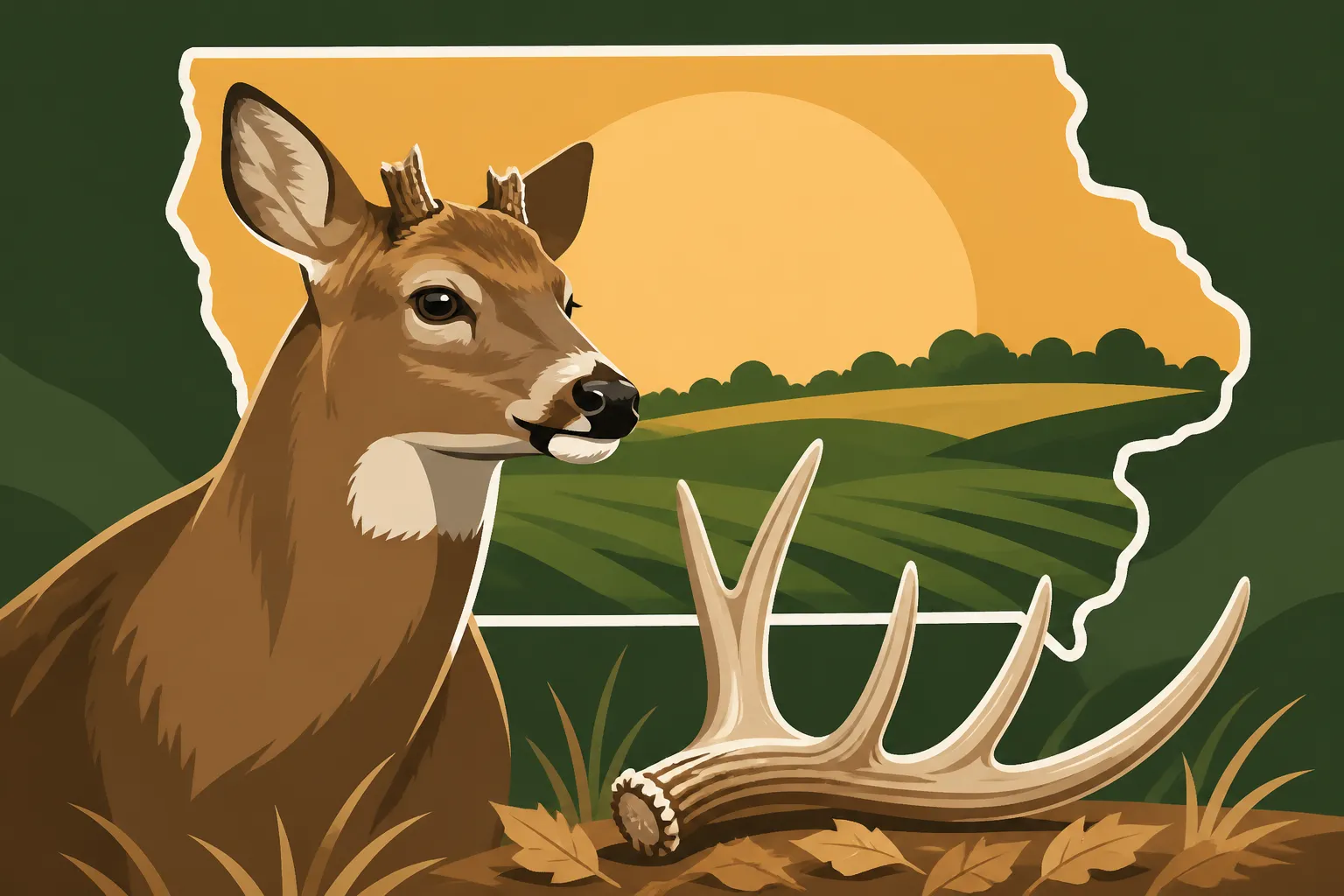
The primary driver behind antler shedding is the decreasing amount of daylight, or photoperiod, following the winter solstice. As the days get shorter and shorter after the breeding season, a buck's testosterone levels, which were sky-high during the rut, begin to plummet. Think of it like a switch being flipped in their bodies. The pedicle, the bony attachment point between the antler and the skull, begins to reabsorb calcium. This weakens the connection, essentially loosening the antler until it eventually detaches.
It's a gradual process, not an instant one. While the hormonal shift is triggered by the changing light, the actual shedding can take weeks from the initial drop in testosterone. This is why you don't see every buck drop its antlers on the exact same day across the entire state, even if the daylight hours are uniform. The body is slowly preparing for the loss, allowing the old antlers to fall away and paving the way for new growth in the spring.
Nutritional Status and Overall Health
While photoperiod sets the general timeframe, a buck's individual nutritional status and overall health can significantly influence when he sheds. Bucks that went into winter in peak condition, with ample fat reserves and access to good food sources, tend to hold their antlers longer. Their bodies aren't under as much stress, and they can afford to maintain that bony structure for a little while longer.
Conversely, a buck that had a particularly taxing rut, was injured, or struggled to find adequate nutrition throughout the fall and early winter might shed his antlers earlier. Imagine a buck that spent weeks chasing does relentlessly during When the Iowa Rut Peaks, losing significant body weight. His body prioritizes survival and energy conservation, and shedding antlers is a way to reduce metabolic load. Similarly, a deer recovering from an injury or dealing with disease might shed early as its body funnels resources elsewhere. Antler Growth and Nutrition is a huge factor in the health of Iowa's deer herd, and poor nutrition or heavy energy expenditure can definitely accelerate the shedding process.
Age of the Buck
You might have heard the old adage that "young bucks drop early, old bucks drop late," and there's definitely some truth to it, though it's not a hard and fast rule. Generally speaking, mature bucks often hold their antlers longer than yearling bucks. This could be attributed to several factors, including their typically superior nutritional intake throughout the year, better ability to weather the stresses of winter, and perhaps a slightly more sustained hormonal cycle.
Yearling bucks, those just coming out of their first antler growth cycle, might shed a bit earlier as their bodies are still allocating a significant amount of energy to overall growth and development, not just antler maintenance. However, extremely old or "past-prime" bucks might also shed earlier due to declining health or less efficient metabolic processes. It's more of a bell curve than a linear progression, with middle-aged, prime bucks often showing the most consistent later shedding patterns, assuming good health and nutrition.
Typical Antler Shedding Timeline in Iowa
Understanding the general timeframe for antler shedding in Iowa is your biggest ally in planning successful shed hunts. While individual bucks can vary, there's a predictable rhythm to when most antlers hit the ground in the Hawkeye State.
The Peak Shedding Window (Late Winter to Early Spring)
For the vast majority of Iowa whitetail bucks, the peak antler shedding window falls between late January and early March. This is the period when you'll find the highest concentration of dropped antlers. Many hunters in Iowa mark their calendars for mid-February as a prime time to start serious shed hunting. By this point, most bucks have experienced sufficient hormonal decline and the stresses of winter have begun to take their toll, leading to widespread antler detachment.
Think about it: the gun seasons are long past, the intense cold has set in, and food sources are becoming scarcer. A buck's body is shifting from rut-driven activities to pure survival mode. While you might find an occasional early shed in December or January, or a stubborn late holder in April, the sweet spot for maximum success is definitely those weeks bridging late winter and early spring. It's when those agricultural fields, timber fringes, and creek bottoms start revealing their bounty.
Early Droppers and Late Holders
As mentioned earlier, not all bucks adhere strictly to the peak window. You'll always have your "early droppers" and "late holders." Early droppers can be bucks that were stressed, injured, or simply genetically predisposed to shed sooner. I've known hunters to find sheds right after Christmas, especially from younger bucks or those that got dinged up during the December gun seasons. These are often the exception rather than the rule, but it's worth noting that some antlers can hit the ground surprisingly early.
On the flip side, some bucks are notoriously "late holders." These are often mature, healthy bucks that sailed through the rut and winter in excellent condition. They might still be carrying their headgear well into March, sometimes even into April, particularly if winter was mild and food plentiful. Finding a fresh shed in mid-April can be exciting but is generally uncommon. These late holders are a testament to the individual variation within the herd and the resilience of Iowa's whitetails, benefiting from rich agricultural lands that contribute to Why Iowa Grows Trophy Whitetails.
Regional Variations Within Iowa
While Iowa is a relatively small state compared to some, there can be subtle regional variations in antler shedding timing. These differences are usually tied to local environmental conditions, population density, and available food sources. For instance, areas in southern Iowa with extensive timber and less intensive agriculture might see slightly different patterns than the vast row crop regions of central or northern Iowa.
Consider a county with heavy timber, where deer might have to work harder to find consistent food compared to a county dominated by corn and soybean fields, which provide abundant post-harvest forage. Deer in areas with consistently better late-season food, like unharvested standing corn or brassica plots, might hold antlers a bit longer. Mapping out deer density using tools like GoHunt, and cross-referencing that with available habitat and food sources, can give you clues about potential hot spots and shedding variations. It pays to pay attention to your local conditions.
| Factor | Impact on Shedding Timing | Common Trend in Iowa (Relative) |
|---|---|---|
| Photoperiod (Daylight) | Primary trigger, less daylight = lower testosterone | Consistent state-wide |
| Nutrition/Health | Poor health/stress = earlier shedding | Varies by individual buck & habitat |
| Age | Younger/older bucks may shed earlier; prime bucks may hold longer | General guideline, not absolute |
| Rut Intensity | Intense rut = more energy expended = potentially earlier shedding | Varies by individual buck & local doe density |
| Winter Severity | Harsh winter = more stress = potentially earlier shedding | Varies year to year |
Strategies for Successful Shed Hunting in Iowa
Now that you understand when those antlers are likely to drop, the next step is to put that knowledge into action. Shed hunting isn't just about walking in the woods; it's about smart strategy and understanding deer behavior post-rut.
Timing Your Shed Hunts for Maximum Success
Based on the typical shedding window, your best bet for finding sheds in Iowa is to start in mid-February and continue through March. If you start too early, say right after the New Year, many bucks will still be carrying their antlers, and you might "burn out" prime areas for no reward. Waiting until mid-February increases your odds significantly.
However, don't wait too long! By late March and early April, new green growth starts emerging, and the sheds can become much harder to spot amongst the new vegetation. Also, the longer sheds are on the ground, the more susceptible they are to rodents chewing on them, or the elements starting to break them down. If snow cover is present and then melts, it can actually highlight sheds against the brown forest floor, making for excellent hunting conditions. I always try to time my first serious outings around a significant thaw after a period of cold. Consider checking out Late-Season Food Source Hunting in Iowa locations, as these are often prime spots for finding sheds from hungry deer.
Where to Focus Your Search Efforts
Knowing where to look is just as important as when. Bucks spend their winter months in areas that provide three critical things: food, cover, and water. These are the places you should concentrate your shed hunting efforts.
- Winter Food Sources: This is perhaps the most crucial element. Think about any standing corn or bean fields that might have been left unharvested, leftover grain in picked fields, winter wheat, food plots, or even browse lines in timber where deer have been feeding on woody stems. Bucks will frequent these areas daily. Walk the edges of these fields, focusing on the first 50-100 yards into the timber or heavy cover adjacent to them.
- Thick Winter Cover: Deer need protection from the elements, especially during Iowa's harsh winters. Look for dense cedar thickets, brushy draws, tall CRP grass, river bottom thickets, and even thick pockets of multi-flora rose. These spots provide thermal cover and a sense of security. Bucks will bed down in these areas, and often an antler will be dislodged as they get up or move through dense brush. Reading an Iowa Timber Draw for Deer Sign will give you a great advantage here, as deer movement within these draws often leads to shed opportunities.
- Travel Corridors: Connect the dots between food and cover. Deer trails leading from a bedding area to a food source are high-traffic zones. Pay close attention to fence crossings, ditch crossings, creek banks, and narrow pinch points where deer are forced to jump or squeeze through. These jarring movements can easily dislodge an antler.
- South-Facing Slopes: On cold, sunny days, deer love to bed on south-facing slopes, as they get the most direct sunlight and warmth. These areas, particularly if they also offer good cover, can be great places to find sheds.
Using mapping apps like GoHunt can be invaluable here. You can e-scout areas from home, identifying potential food plots, thick cover, and obvious travel corridors on public lands or properties where you have permission. This helps you go into the field with a plan, rather than just aimlessly wandering. Focusing on areas around River Oxbows and Deer Movement can also be highly productive, as these areas often offer both food and excellent bedding cover.
Respecting the Deer and the Land
While shed hunting is a fantastic way to extend your time in the woods and connect with nature, it's vital to do so responsibly. The late winter and early spring are stressful times for deer. They've just been through the rut and the coldest part of winter, and their energy reserves are often low.
- Minimize Disturbance: Try to avoid pushing deer around unnecessarily. If you jump deer in a bedding area, move on quickly and quietly. Repeatedly bumping deer can cause them to expend crucial energy, which can be detrimental to their survival, especially for does carrying fawns.
- Know the Rules: Always verify local regulations regarding shed hunting, especially on public lands. While generally permissible, there might be specific rules regarding access times or areas. Some public land areas may also have unique rules regarding Shed Hunting Rules on Iowa Public Land that you need to be aware of.
- Leave No Trace: Pack out everything you pack in. If you find a dead deer, especially if it still has antlers attached, know the regulations for carcass removal or reporting. Never trespass on private land without explicit permission. A simple knock on the door, showing respect for the landowner, can often open up new opportunities.
Shed hunting in Iowa is an incredibly rewarding pursuit that deepens your understanding of whitetail behavior. By focusing on the optimal timing, key habitat features, and always respecting the deer and the land, you’ll significantly increase your chances of adding those hard-earned antlers to your collection. It's an annual treasure hunt that connects you to the rhythm of the Iowa wilderness.
Disclaimer
This article is for general informational purposes only and does not constitute professional advice. Laws, prices and regulations vary by location and change over time. Consult a qualified professional for guidance on your specific situation.