Predator Impact on Iowa Fawns
It's a common concern among hunters: are there fewer fawns running around this year, and is it because of predators? It's a question that can gnaw at you, especially when you've invested so much time and effort into understanding the local deer herd. This comprehensive guide will dive deep into the real impact predators have on Iowa's fawn populations, exploring which animals are the primary concerns, the factors influencing fawn survival beyond just predation, and what this all truly means for the health of our beloved whitetail deer numbers here in the Hawkeye State.
Understanding the Predator Landscape in Iowa
When we talk about predators in Iowa, especially in the context of deer, we're not talking about grizzlies or wolves. Our predator landscape is a bit more subtle, but these animals are still incredibly effective at what they do. It's easy to jump to conclusions when you see a coyote or hear about a bobcat, but understanding their role requires looking at the bigger picture of our ecosystem.
Key Predator Species
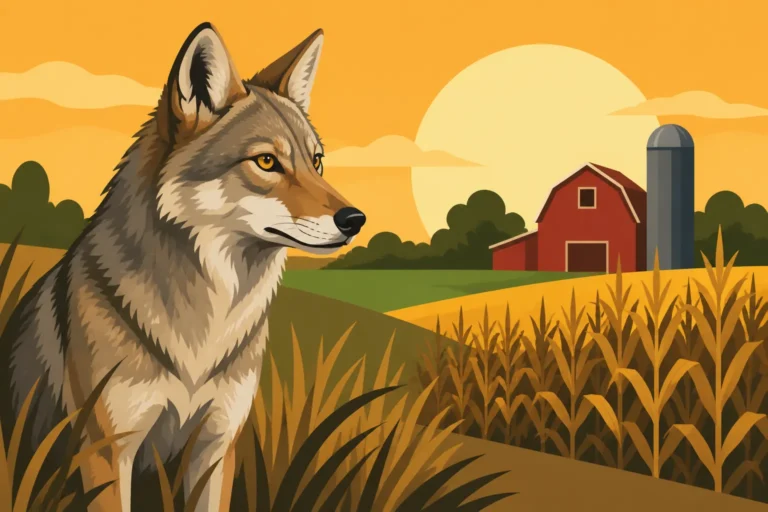
The primary predators for fawns in Iowa are coyotes. These adaptable canids thrive in our agricultural landscape, utilizing timber fringes, CRP fields, and even ditch lines as cover. They are opportunistic hunters, and while adult deer are certainly on their menu, fawns represent a much easier meal, especially in their first few weeks of life. You'll also find bobcats, though their populations are generally lower and more concentrated in certain parts of the state. While they are efficient hunters, their impact on the overall fawn population statewide is typically less pronounced than that of coyotes.
Another often-overlooked group of predators includes various avian species, like great horned owls, and even domestic dogs, particularly those that roam freely. While a single bird of prey might not take down a full-grown fawn, very young fawns can be vulnerable. And let's not forget the occasional fox, though their impact is generally minimal on deer compared to smaller prey. Understanding Iowa Coyote Population gives you a better sense of how widespread and numerous these primary fawn predators are across the state.
Habitat and Predator-Prey Dynamics
The impact of predators isn't just about how many coyotes or bobcats there are; it's intricately linked to the habitat. In areas with abundant, dense cover – think thick timber, extensive CRP, or brushy creek bottoms – fawns have more places to hide. This cover allows does to birth and conceal their fawns more effectively, reducing their vulnerability to predators. Conversely, in fragmented landscapes with less escape cover, fawns can become more exposed.
The availability of other prey species also plays a critical role. If a predator population has a healthy supply of rabbits, mice, or pheasants, their focus might be less intensely on fawns. However, when these alternative food sources dwindle, fawns can become a more significant part of their diet. It's a delicate balance, and changes in agricultural practices, land use, and weather patterns can all subtly shift these dynamics. This relationship is a key component of Iowa Deer Herd Management and Harvest, as habitat management often aims to bolster both prey survival and overall herd health.
The Life of an Iowa Fawn: Vulnerability and Survival
The first few weeks of a fawn's life are undeniably tough. They are born into a world full of dangers, and their survival hinges on a mix of natural defenses, maternal care, and a bit of luck. It's a marvel of nature that so many make it through.
Birthing and Early Weeks
Most Iowa fawns are born in late May and early June, a time when new growth provides lush, dense cover. A doe will typically give birth to one or two fawns, sometimes three if she's older and in prime condition. For the first few days, fawns are incredibly vulnerable. They are born with weak legs and an instinct to lie perfectly still, relying on their camouflaged coat and lack of scent to avoid detection. The doe will keep her fawns separated for a time, often visiting them only to nurse, to avoid leading predators directly to their hiding spots.
This strategy is brilliant, but not foolproof. A fawn that moves at the wrong time, or a doe that is too frequently disturbed, can unintentionally draw attention to the hidden fawns. Weather also plays a part; unusually cold or wet springs can make fawns more susceptible to illness or exposure, weakening them and making them easier targets for predators.
Natural Defenses and Mother's Role
A fawn's primary defense is immobility and camouflage. Those white spots aren't just pretty; they break up the fawn's outline, making it blend seamlessly into dappled sunlight and shadows. Their lack of scent is another amazing adaptation, helping them avoid detection by a predator's keen nose. The doe, for her part, is fiercely protective. She will often try to lure predators away from her fawns, stomping, snorting, or even running a decoy route.
However, a doe's protective instincts can only go so far. If a fawn is discovered, especially by a group of coyotes, its chances of survival are slim. This is where factors like the health of the doe come into play; a well-nourished doe is more likely to give birth to robust fawns and have the energy to protect them. Understanding the crucial role of cover, like Cedar and Locust Thickets as Bedding Cover or CRP Grass and Where Bucks Bed, highlights how critical these habitats are for fawn survival beyond just avoiding predators. Hunters who know how to read Timber and Creek Corridors as Deer Cover are often key to finding healthy deer populations, which tend to coincide with good fawn recruitment.
Measuring Predator Impact: Challenges and Insights
It’s one thing to see a coyote with a fawn, and another to understand how much that single event contributes to the overall deer population. Quantifying predator impact is incredibly complex, involving extensive research and careful analysis.
Challenges in Data Collection
One of the biggest hurdles in measuring predator impact is the sheer difficulty of collecting accurate data. You can't just count coyotes and fawns and draw a direct line. Researchers often employ methods like radio-collaring fawns shortly after birth to track their movements and determine the cause of death if they disappear. This is labor-intensive and expensive. Even then, determining actual predation can be tricky. A fawn might die from disease or abandonment and then be scavenged by a predator, making it appear as a predation event in initial findings.
Furthermore, predator populations fluctuate, as do deer populations, and myriad other environmental factors are always at play. A severe winter, a drought, or an outbreak of EHD can decimate a fawn crop regardless of predator numbers. This makes isolating the exact percentage of fawns lost solely to predation a constantly evolving challenge for wildlife biologists. Many hunters use tools like those from GoHunt to overlay habitat maps with known predator ranges, trying to piece together a better understanding of potential fawn nurseries.
Interpreting Population Trends
Instead of focusing on individual predation events, biologists look at broader population trends. They analyze fawn recruitment rates – the number of fawns that survive to adulthood and join the breeding population. A healthy deer herd can often sustain a certain level of predation, as nature typically produces more young than the habitat can support anyway. It's when predation, combined with other factors, pushes recruitment rates too low that concerns arise.
For example, if the Iowa Deer Population Estimate is stable or increasing, even with predators present, it suggests that fawns are surviving at a rate sufficient to maintain the herd. Declining recruitment might point to a combination of issues, which could include elevated predation, but just as often points to habitat degradation, harsh weather, or disease like EHD Outbreaks in Iowa Deer. Tools like those provided by GoHunt can often help visualize long-term trends in deer populations within specific regions, helping hunters understand the bigger picture beyond anecdotal observations.
Here's a simplified look at factors influencing fawn survival in Iowa:
| Factor | Impact on Fawn Survival | Hunter Relevance |
|---|---|---|
| Predation (Coyotes, Bobcats) | Direct mortality, especially in early weeks. | Concerns about fewer deer; influences perception of herd health. |
| Habitat Quality (Cover) | Provides concealment from predators; crucial for hiding. | Indicates areas with good fawn nurseries; key for scouting. |
| Doe Health/Nutrition | Stronger, healthier fawns; better maternal protection. | Reflects overall habitat quality and food sources in an area. |
| Weather Conditions | Extreme cold/wet reduces survival; heat can stress fawns. | Understand annual fluctuations in deer numbers. |
| Disease (EHD, CWD) | Direct mortality or weakens fawns, making them vulnerable. | Explains sudden drops in local deer numbers. |
| Human Disturbance | Can separate fawns from does, making them vulnerable. | Be mindful of presence in bedding areas during fawning season. |
| Other Prey Abundance | Affects predator's dietary focus; less pressure on fawns. | Good indicator of general ecosystem health. |
What This Means for Iowa Hunters
As hunters, our connection to the deer herd is deep. We want to see healthy populations, not just for hunting opportunities but because we appreciate the wildlife. Understanding predator impact helps us manage our expectations and appreciate the complexities of nature.
Managing Expectations
It's natural to feel frustrated or worried when you don't see as many fawns as you'd like, or if you encounter evidence of predation. However, it's crucial to remember that predation is a natural and healthy part of any ecosystem. It's not inherently "bad." Predators help weed out the sick, the weak, and the less-fit animals, contributing to a stronger, more resilient deer population over time.
While high predator numbers can suppress a deer population in certain localized instances, it's rarely the sole factor dictating herd size across an entire state like Iowa. Habitat, weather, and disease typically play much larger roles in the long-term Fawn Recruitment Rates in Iowa and overall Iowa Deer Population Estimate. So, while it's good to be aware, it's also important to avoid letting anecdotal observations overshadow the scientific data that helps manage the state's deer herd. Many hunters use resources like GoHunt to supplement their personal observations with broader, data-driven insights.
Hunter's Role in Herd Health
Hunters, in a way, act as another type of predator, albeit a very managed one. By participating in regulated hunting seasons, we help manage deer numbers, keep them in balance with the available habitat, and reduce the risk of overpopulation leading to disease outbreaks or habitat degradation. In some areas, targeted predator control might be considered, but generally, hunting strategies that promote a healthy doe-to-buck ratio and a good buck age structure are often more impactful on long-term herd health.
Understanding deer movement, particularly around critical times like the rut, or knowing How Harvest Timing Changes Deer Movement is vital. It influences what you see and can inform your perception of the herd's health. We can also be advocates for good habitat management, supporting initiatives that create diverse landscapes with plenty of cover, which ultimately benefits fawns and the entire deer herd. Utilizing tools like GoHunt to scout and plan your hunts responsibly can contribute to ethical and sustainable hunting practices, ensuring the health of Iowa's deer population for generations to come.
Disclaimer
This article is for general informational purposes only and does not constitute professional advice. Laws, prices and regulations vary by location and change over time. Consult a qualified professional for guidance on your specific situation.