Canada Geese in Iowa Towns
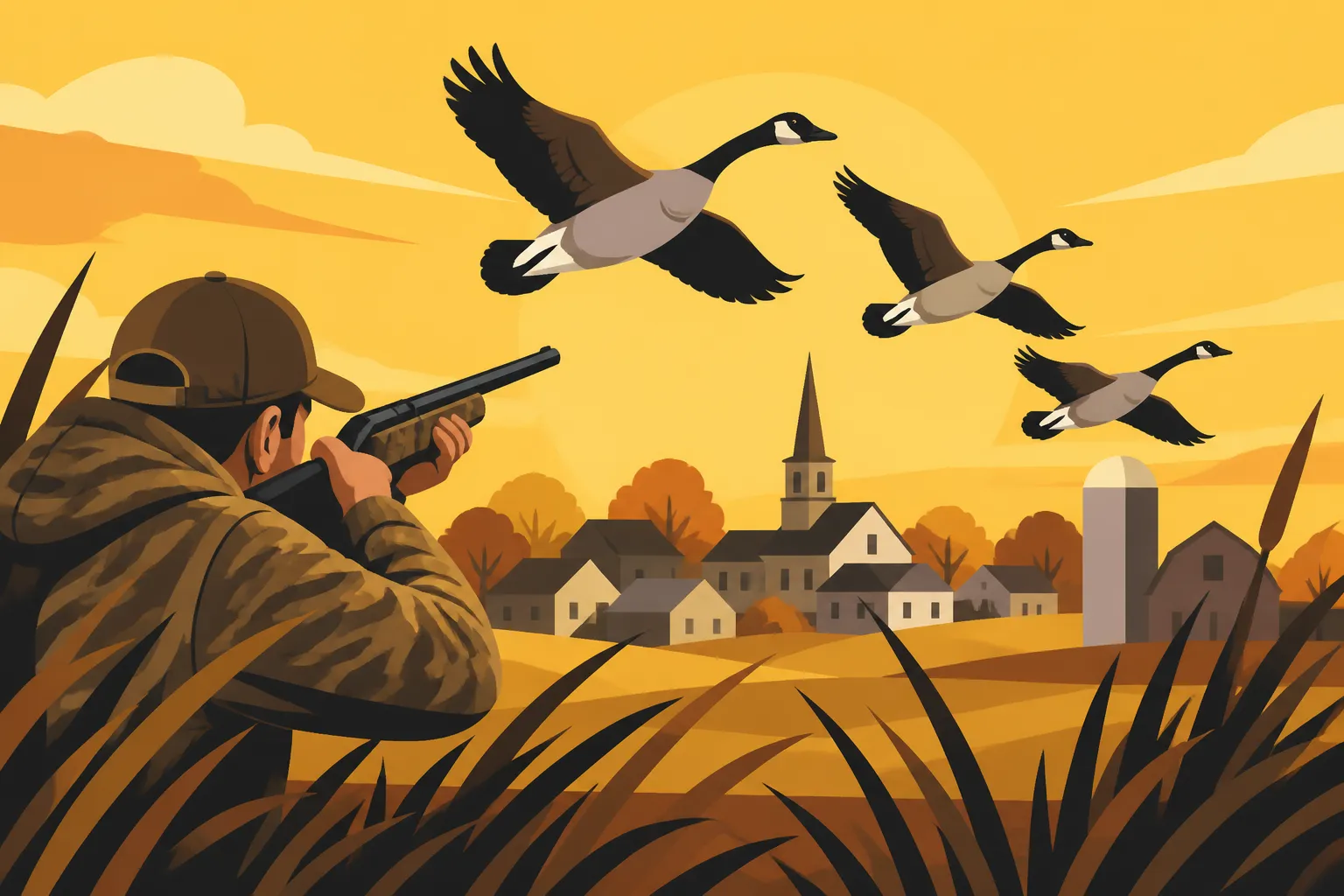
It's a scene most of us in Iowa are familiar with: a flock of Canada geese casually strolling across a busy park, waddling through a golf course, or even holding up traffic as they cross a suburban street with their line of goslings. While these majestic birds are a beautiful sight in our wilder spaces, their increasing presence in our towns and cities has become a real headache for many residents and city planners. The charming sight can quickly turn into frustration when lawns are denuded, sidewalks become minefields of droppings, and aggressive gander defend their nests. This guide is here to shed some light on why these geese are making themselves at home in our urban areas, the challenges that come with it, and what can be done to manage these increasingly common feathered city dwellers.
Why Canada Geese Are Drawn to Iowa Towns
You might wonder why a bird known for its long migrations and wild nesting habits would choose to set up shop right in the middle of a bustling Iowa community. It's not just a coincidence; our towns offer a buffet of benefits that often surpass what natural habitats can provide, making them incredibly attractive to these adaptable birds.
Abundant Food Sources
One of the primary drivers for geese moving into urban areas is the sheer availability of food. Think about it: our parks, golf courses, and even residential lawns are often meticulously maintained, featuring lush, short-cropped grass. To a goose, this isn't just a pretty landscape; it's an all-you-can-eat buffet of easily digestible greens. These areas mimic prime grazing lands, but without the effort of seeking them out in dense, wild vegetation.
Beyond natural grazing, human activities inadvertently provide additional sustenance. Spilled birdseed from backyard feeders, discarded scraps from picnics, and even grain from agricultural fields bordering urban zones can supplement their diet. These readily available, high-energy food sources mean geese spend less time and energy foraging, allowing them more time to reproduce and relax. It's like finding a five-star restaurant that's always open and never asks you to pay a bill.
Safety From Predators
In the wild, Canada geese face a range of natural predators. Coyotes, foxes, raccoons, and even large birds of prey like eagles and hawks are threats, especially to eggs, goslings, and sometimes even adult geese. But step into an Iowa town, and suddenly, most of those threats diminish significantly. While a coyote might occasionally venture into city limits, the overall predator pressure is much lower. This reduced risk environment makes urban areas a relatively safe haven for nesting and raising young.
Another huge factor is the lack of hunting pressure. Within city limits, discharging firearms is typically prohibited, meaning geese are safe from hunters, unlike their counterparts in rural areas where they are a common quarry. This absence of human hunting pressure, coupled with fewer natural predators, creates a veritable fortress for geese, where they can thrive and multiply without the constant vigilance required in more natural settings.
Water and Nesting Opportunities
Every goose needs water, not just for drinking, but for resting, escaping danger, and raising their young. Iowa towns often boast numerous man-made water features that perfectly fit the bill. Retention ponds in housing developments, decorative lakes in parks, golf course water hazards, and even slow-moving streams that meander through urban landscapes offer calm, accessible water bodies. These spots are often shallow enough for goslings and provide easy access to the grassy banks.
Moreover, these urban water sources often come with ideal nesting sites. Islands in ponds, overgrown shorelines, or even the relatively undisturbed edges of golf course bunkers provide discreet locations for hens to lay their eggs. These spots are typically free from flood risks that can plague river bottoms and offer a sense of security from land-based predators. The proximity to food and water, combined with safety, creates an irresistible package for geese looking to establish a home.
The Impact of Urban Geese Populations
While a few geese might seem harmless, when their numbers grow, the effects on our communities become much more noticeable, and often, much less charming. The idyllic image of geese on a pond can quickly turn into a headache for property owners and city managers alike.
Property Damage and Nuisance Issues
One of the most immediate and visible impacts of growing urban goose populations is the damage to property and general nuisance they create. Those perfectly manicured lawns, golf course greens, and park spaces that attracted the geese in the first place quickly become their primary feeding grounds. Overgrazing can turn lush grass into bare patches, leading to erosion and an unsightly appearance.
Then there's the droppings. Oh, the droppings! A single goose can produce a significant amount of waste in a day, and when you have a flock of dozens or even hundreds, the accumulation becomes a serious problem. Sidewalks, playgrounds, park benches, and even cars can be covered in unsightly, slippery, and unhygienic goose droppings. This isn't just an aesthetic issue; it can pose health risks due to bacteria and can make surfaces incredibly slick, leading to potential falls. During nesting season, adult geese, particularly ganders, can become highly aggressive, hissing, chasing, and even biting people who venture too close to their nests or goslings. It's a natural protective instinct, but it's certainly unwelcome in a family-friendly park.
Ecological Concerns and Water Quality
Beyond the immediate nuisance, large concentrations of geese in urban environments can have significant ecological repercussions, especially concerning water quality. The same droppings that coat our sidewalks also wash into the very ponds and lakes that the geese frequent. This introduces an excessive amount of nitrogen and phosphorus into the water system, a process known as nutrient loading.
These excess nutrients act as fertilizer for algae, leading to dense algal blooms. These blooms can reduce water clarity, deplete oxygen levels when they decompose, and create an unhealthy environment for fish and other aquatic life. In severe cases, they can lead to fish kills and make the water unsuitable for recreational activities like swimming or even fishing. While the Iowa Turkey Population Estimate and Iowa Pheasant Roadside Survey Results give us insights into other wildlife, urban geese present a unique challenge to local ecosystems that often aren't equipped to handle such a concentrated load of waste.
Human-Wildlife Conflict
The increasing presence of Canada geese in our towns inevitably leads to greater human-wildlife conflict. Residents grow frustrated with the mess, the noise, and the aggressive behavior. Park managers and golf course superintendents are left trying to balance public enjoyment with controlling the burgeoning goose populations. This often creates a tricky situation for local authorities, as public sentiment can be divided between those who love seeing the geese and those who want them gone.
Deciding on management strategies often involves navigating these conflicting views, which can make it hard to implement effective, long-term solutions. It's not uncommon for city councils or homeowners' associations to receive numerous complaints, forcing them to explore options for deterrence and control, sometimes against a backdrop of local opposition.
Strategies for Managing Urban Geese
Dealing with a growing goose problem requires a multi-faceted approach, often combining different tactics to achieve a balance between human comfort and wildlife presence. There's no one-size-fits-all solution, but a combination of methods can make a real difference.
Non-Lethal Deterrents
The first line of defense often involves non-lethal methods aimed at making urban areas less attractive to geese. One effective strategy is habitat modification. This means making the areas they frequent less appealing. For example, allowing grass to grow taller (6-8 inches) along pond edges or in certain park sections can deter geese, as they prefer short grass for grazing and open sightlines to detect predators. Planting unpalatable vegetation or creating natural barriers like dense shrubbery can also reduce their access to desirable areas.
Harassment techniques can also be employed, though they require persistence. This can include hazing with trained dogs (often border collies), using noisemakers, or even specialized lasers designed to deter birds without harming them. The key is to be consistent and unpredictable so the geese don't habituate to the deterrents. Chemical repellents, which usually work by making the grass taste unpleasant to geese, can also be applied to targeted areas. It’s always important to check local regulations and product labels to ensure safe and legal application. Many local wildlife professionals, or even online resources like GoHunt, can provide information on effective and permitted deterrent products.
Population Control Measures
When non-lethal methods aren't enough to manage significant populations, more direct population control measures might be considered. These methods usually require permits from federal and state agencies, as Canada geese are protected under the Migratory Bird Treaty Act. One common and relatively humane method is egg addling or oiling. This involves shaking the eggs or coating them with corn oil, which prevents them from developing, but the geese continue to incubate them, preventing them from laying a new clutch. This must be done by trained individuals with the proper permits during the nesting season.
Another option, though more complex, is roundups and relocation. During their annual molt (usually late June to early July), geese are flightless. They can be safely rounded up and relocated to suitable habitats away from urban areas. However, relocation success can be mixed, and it's costly and labor-intensive. Regulated hunting is another control method, but it's rarely applicable within city limits due to safety concerns and firearm discharge ordinances. However, in larger city parks or green spaces that border huntable land, sometimes special permit hunts can be arranged in coordination with the Iowa DNR. Regardless of the method, understanding Iowa Wildlife Violation Penalties is crucial, as unauthorized actions can lead to serious fines.
Community Involvement and Education
Ultimately, successful urban goose management often hinges on community involvement and education. One of the most critical steps is to stop feeding geese. While it might seem like a kind gesture, feeding geese directly contributes to their reliance on human areas and leads to unnaturally high concentrations. Educating residents about why feeding is detrimental is paramount.
Local authorities and wildlife groups can run public awareness campaigns to inform residents about the issues, responsible wildlife interaction, and the management efforts underway. Encouraging residents to report nuisance geese through proper channels, rather than attempting to deal with them themselves, ensures that management efforts are coordinated and legal. Websites like GoHunt can sometimes offer localized contact information for wildlife management professionals or guidance on how to find it. This collective effort ensures that everyone is on the same page and working towards a sustainable solution.
Legal Considerations and Local Regulations
Navigating the rules and regulations surrounding Canada geese in Iowa can be a bit of a maze, primarily because they are protected birds, and what you can do is governed by multiple layers of law. It’s never as simple as just shooing them away when you're dealing with wildlife.
Federal and State Protections
First and foremost, Canada geese are protected under the federal Migratory Bird Treaty Act (MBTA). This means that it is illegal to pursue, hunt, take, capture, kill, or possess migratory birds, their parts, nests, or eggs without a valid permit. This federal protection is a major reason why any lethal control or even significant disturbance of nesting geese requires specific authorization. The U.S. Fish and Wildlife Service oversees these permits, often delegated to state wildlife agencies like the Iowa DNR.
The Iowa DNR also has its own set of regulations that complement the federal laws. These dictate hunting seasons, bag limits, and specific rules for managing waterfowl. For instance, while you might be able to hunt geese during designated seasons in appropriate areas (often detailed in the Iowa Waterfowl Migration Timing and Mississippi River Backwater Waterfowl guides), doing so within city limits is almost universally forbidden. Any actions like egg addling or removing nests will require specific permits and compliance with state and federal guidelines. Ignoring these regulations can lead to severe fines or other legal repercussions.
City Ordinances and Restrictions
Beyond federal and state laws, individual Iowa cities and counties often have their own ordinances that further restrict how people can interact with wildlife, especially within congested urban areas. The most common of these relates to the discharge of firearms, which makes hunting geese within city limits virtually impossible. Many cities also have specific ordinances against feeding wildlife, including geese, precisely because of the problems associated with overpopulation and reliance on human-provided food.
It is absolutely crucial to check with your local city hall or county conservation board about any specific rules regarding wildlife management on public or even private property within their jurisdiction. What might be permissible in a rural county could be strictly prohibited in a city park. For example, some city parks might allow certain types of hazing or deterrents that wouldn't be acceptable elsewhere. When in doubt, always err on the side of caution and contact the proper authorities. Even something as seemingly benign as leaving a permanent ground blind out on public land could fall under specific city or county rules, just as portable stand rules on Iowa public ground apply statewide for deer stands. The best practice is to know your local rules before you act.
| Management Strategy | Description | Pros | Cons | Permits Required |
|---|---|---|---|---|
| Habitat Modification | Making areas less attractive (taller grass, unpalatable plants, barriers). | Long-term solution, environmentally friendly, low cost. | Can alter aesthetics, requires commitment. | No |
| Harassment/Hazing | Using dogs, lasers, noise to scare geese away. | Non-lethal, immediate impact, targets specific areas. | Requires persistence, geese can habituate, may require trained professionals. | No (unless using specific methods like trained dogs where ordinances apply) |
| Repellents | Applying chemicals to grass to make it unpalatable. | Targets specific areas, humane. | Temporary, needs reapplication, can be costly, effectiveness varies. | No (check local product regulations) |
| Egg Addling/Oiling | Preventing eggs from hatching by shaking or oiling them. | Humane, prevents population growth, geese continue to incubate. | Requires federal/state permits, time-sensitive, skilled personnel. | Yes (Federal & State) |
| Relocation | Capturing and moving flightless geese to new habitats. | Removes geese from nuisance areas, humane. | Costly, labor-intensive, limited suitable release sites, geese may return. | Yes (Federal & State) |
| Regulated Hunting | Hunting geese during legal seasons. | Reduces population, provides recreational opportunity. | Not applicable in urban areas due to safety/ordinances, highly regulated. | Yes (State hunting license & stamp) |
Disclaimer
This article is for general informational purposes only and does not constitute professional advice. Laws, prices and regulations vary by location and change over time. Consult a qualified professional for guidance on your specific situation.