Crossbow Age and Disability Rules in Iowa
It can be incredibly confusing to sort through all the hunting regulations in Iowa, especially when it comes to specific equipment like crossbows. Many hunters, both new and seasoned, often wonder if they can even use a crossbow in Iowa, and if so, what the specific rules are regarding age and any potential disability accommodations. This guide is here to untangle those complexities, providing a clear overview of Iowa's crossbow rules so you can hunt with confidence and stay within the law.
Navigating Crossbow Legality for All Hunters in Iowa
For many years, crossbows in Iowa were often associated primarily with hunters who had physical limitations. However, the rules have evolved, and understanding where and when a crossbow is a legal tool for all hunters is crucial. It’s not a simple yes or no answer; it really depends on the season and the type of deer tag you possess. This is one of those areas where you really need to read the regulation booklet carefully, or check online resources like the Iowa DNR website, because misinterpreting a rule can lead to significant issues.
General Rules for Crossbow Use in Archery Season
If you're an able-bodied adult hunter in Iowa, the traditional archery deer season generally requires the use of a conventional bow – a longbow, recurve, or compound bow. For a long time, the crossbow was largely excluded from this primary archery window for most hunters, seen by some as blurring the lines between archery and firearm hunting. This often led to frustration for individuals who preferred crossbows for various reasons, or simply found them easier to shoot accurately. However, Iowa has provisions where a crossbow is legal for any hunter, regardless of age or physical ability, during certain seasons.
For instance, if you obtain an antlerless deer tag for counties with an abundance of deer or during special management hunts, you might find that crossbows are allowed during the Iowa January Antlerless Hunts or sometimes even during the earlier Iowa Early Muzzleloader Season or Iowa Late Muzzleloader Season, assuming you hold the correct license for that specific season and weapon. It's a patchwork of regulations, and it pays to be vigilant about which specific tag you hold and for which season you intend to use your crossbow. A quick check on the official Iowa DNR regulations is always your best bet, or using an app like GoHunt to filter by weapon. Many hunters don't realize these options exist, thinking crossbows are completely off-limits unless they have a medical exemption.
Youth Hunting and Crossbows
When it comes to our younger hunters, Iowa recognizes the importance of getting them into the woods and providing tools that help ensure a positive, successful experience. The regulations for youth hunting can sometimes differ from those for adult hunters, and crossbows are a good example of this flexibility. While general archery season typically calls for traditional bows for adults, youth hunters (often defined by a specific age range, which can change, so always verify the current limits) are often granted more leeway.
For youth participating in Iowa's deer seasons, particularly the designated youth seasons, crossbows are frequently permitted. This can be a huge benefit for a young hunter who might struggle with the draw weight of a compound bow or the finesse required for a traditional recurve. A crossbow offers a stable platform, often with a scope, that can make shot placement more consistent and build confidence. It’s all about creating an accessible and enjoyable entry point into hunting. Parents or mentors should always double-check the current Iowa Youth Deer Season Dates and associated regulations to confirm crossbow legality, as these provisions are designed to foster participation and safe hunting practices for the next generation. It’s also important for youth hunters, like all hunters, to complete their Iowa Hunter Education Requirements to ensure they understand firearm and archery safety.
Understanding Your Iowa Hunting License and Crossbow Privileges
The type of hunting license you hold directly dictates your crossbow privileges in Iowa. It's not just about having a license, but having the right one for your intended weapon and season. An archery deer license for a non-disabled adult generally means a vertical bow for the primary Iowa Archery Deer Season Segments. However, if you're holding a statewide antlerless tag that specifies it can be used during a shotgun or muzzleloader season, a crossbow might become an option, provided the season itself allows it.
For example, during the Iowa First and Second Shotgun Seasons, or the Iowa Late Muzzleloader Season, if you have a tag valid for those seasons, a crossbow may be used, often alongside shotguns, straight-wall cartridge rifles, or muzzleloaders. This is where it gets a little nuanced. It's less about the crossbow itself and more about how it's classified for a particular season's general weapon rules. The Iowa DNR defines legal weapons for each season, and crossbows often fall under the "general firearm" or "any lawful hunting weapon" categories during seasons where modern firearms are permitted. Always consult the most current Iowa Hunting Regulations synopsis, which you can usually find online through the DNR, or utilize an up-to-date mapping and information platform like GoHunt, which often integrates regulation summaries right into its planning tools. Knowing which weapon is legal for which season under your specific tag is paramount to avoid an accidental violation.
| Hunting Scenario | Primary Weapon Type | Crossbow Legality (General Hunter) |
|---|---|---|
| Primary Archery Season | Vertical Bow (Compound, Recurve, Longbow) | Generally No (unless disabled) |
| Youth Deer Season | Varies by regulation | Generally Yes |
| Early Muzzleloader Season | Muzzleloader | Often Yes with valid tag |
| First/Second Shotgun Season | Shotgun, Straight-Wall Rifle, Muzzleloader | Often Yes with valid tag |
| Late Muzzleloader Season | Muzzleloader | Often Yes with valid tag |
| January Antlerless Season | Shotgun, Muzzleloader, etc. | Often Yes with valid tag |
| Disability Permit Holder | Crossbow | Yes in archery & other seasons |
Special Provisions for Hunters with Disabilities
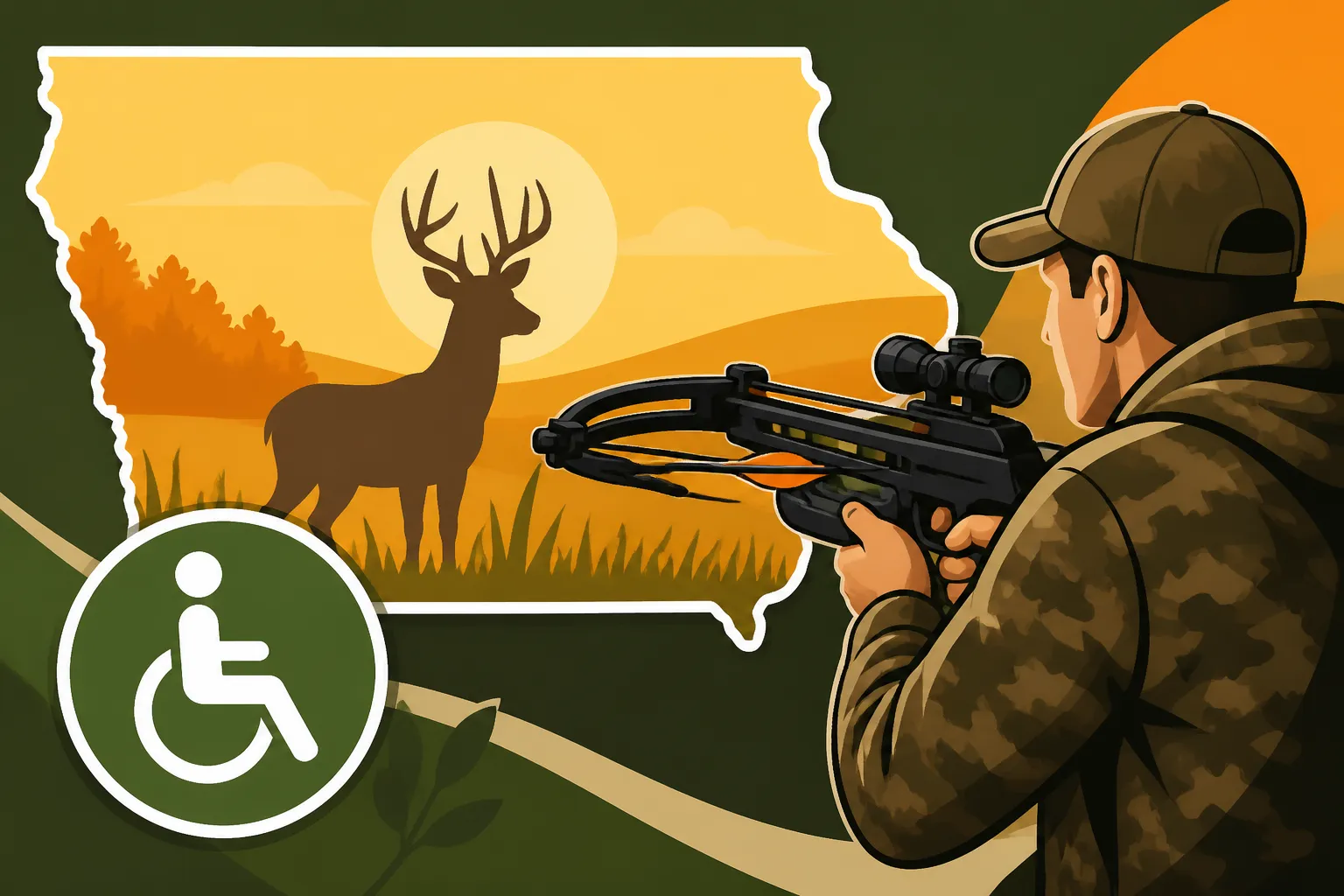
Iowa has long recognized that some hunters face physical challenges that might prevent them from participating in traditional archery seasons with a vertical bow. To ensure that hunting remains an accessible pastime for everyone, specific provisions are in place for individuals with qualifying disabilities. These rules are designed to accommodate, not to give an unfair advantage, and there's a clear process to follow to ensure compliance.
Defining a Qualifying Disability for Crossbow Permits
The term "disability" can be broad, so the Iowa Department of Natural Resources (DNR) has specific criteria for what constitutes a qualifying physical limitation for a special crossbow permit. Generally, this permit is for individuals who have a permanent physical disability that significantly impairs their ability to draw and hold a conventional bow. This isn't about simply preferring a crossbow; it's about a legitimate physical barrier. Examples of such disabilities might include severe arthritis, nerve damage, loss of a limb or significant loss of function in a limb, or a chronic condition that affects muscle strength or range of motion needed for archery.
It's not enough to simply claim a disability. The DNR requires proper documentation and certification from a licensed physician who can attest to the nature and permanence of the condition. They want to ensure that these permits are issued fairly and to those genuinely in need of accommodation. This careful approach helps maintain the integrity of Iowa's archery seasons while still providing opportunities for all Iowans to enjoy the state's hunting heritage. If you believe you qualify, the first step is always to discuss it with your doctor and gather the necessary medical evidence.
The Application Process for a Disability Crossbow Permit
Once you and your physician have determined that you meet the criteria for a qualifying disability, the next step is to navigate the application process itself. This typically involves submitting an application form directly to the Iowa DNR. This form will likely require your personal information, details about your disability, and the crucial signature and certification from your licensed doctor. The doctor's statement will confirm your physical limitation and its impact on your ability to use a conventional bow.
It’s important to remember that this isn't an instantaneous process. There's an administrative review period, so plan ahead and submit your application well in advance of the hunting season you wish to participate in. Don't wait until the last minute before Iowa Archery Season Opening Date to apply! The DNR needs time to review the documentation and issue the permit. You'll want to verify the exact forms and submission methods on the official Iowa DNR website, or consult with their licensing division directly. Platforms like GoHunt can help you stay organized with application dates, but the direct submission process for a disability permit usually goes through the state agency itself. Once approved, this permit grants you the legal right to use a crossbow during any archery season where a conventional bow would normally be allowed.
Carrying and Presenting Your Disability Permit
Receiving your disability crossbow permit is a huge relief, opening up opportunities for you to enjoy Iowa's archery seasons fully. However, the responsibility doesn't end there. It is absolutely critical that you carry this permit with you at all times when hunting with a crossbow during an archery-only season. Think of it as an extension of your hunting license – it's a vital piece of documentation that proves your legal right to use that specific equipment.
Conservation officers have the authority to check your licenses and permits in the field. If you are using a crossbow during an archery season and do not have your disability permit on your person, you could face penalties, even if you are legitimately approved. It’s always best to keep it laminated or in a protective sleeve, perhaps with your hunting license and other required documents. Should an officer approach you, present your hunting license, your deer tag, and your crossbow disability permit promptly and clearly. Being prepared and organized demonstrates your understanding and respect for the regulations, making for a smooth interaction and ensuring your hunt continues unimpeded.
Crossbow Gear and Ethical Considerations in Iowa
Whether you're hunting with a crossbow under a disability permit, as a youth, or during one of the general seasons where they are permitted, choosing the right gear and understanding ethical hunting practices are paramount. A crossbow is a powerful and effective hunting tool, but like any other weapon, it requires responsible use and a commitment to ethical shot placement to ensure a humane harvest.
Selecting the Right Crossbow and Bolts
Just like with a compound bow or a firearm, selecting the right crossbow for deer hunting in Iowa involves considering several factors. You want a crossbow that is powerful enough to deliver a clean, ethical kill, but also one that you can comfortably and accurately shoot. For whitetails, a crossbow with sufficient kinetic energy is key. Many modern crossbows easily meet the necessary power requirements. You'll also need to consider the type of bolts (arrows) and broadheads you'll be using.
When it comes to Crossbow Draw Weight for Whitetails, most contemporary models are more than adequate. Pay attention to bolt weight and FOC (Front of Center) for optimal flight and penetration. For broadheads, Iowa has specific rules regarding fixed versus mechanical designs, as well as minimum cutting diameters. It's crucial to select Broadhead Choices for Whitetails that are both legal and known for their effectiveness on deer. Don't just grab the cheapest option; invest in quality broadheads that will perform reliably when it matters most. Remember, the goal is always a quick, humane harvest, and your equipment plays a huge role in achieving that.
Practice and Proficiency with a Crossbow
One common misconception is that crossbows are "easier" than vertical bows and require less practice. This couldn't be further from the truth when it comes to ethical hunting. While a crossbow can be easier to aim due to the use of scopes and a steady platform, proficiency still requires dedication. You need to know your crossbow's effective range, understand trajectory, and be able to make accurate shots under hunting pressure.
Spend ample time at the range, practicing from various distances and positions, just as you would with any other hunting weapon. Understand how wind affects your bolt, and practice estimating distances. Knowing your limits will prevent taking risky shots that could lead to wounded game. Focus on shot placement; for whitetails, the vitals are a relatively small target, and precision is everything. Review resources on Shot Placement on a Whitetail at Twenty Yards to refresh your understanding of anatomy. Responsible hunters, regardless of their chosen weapon, prioritize ethical hunting, and that begins long before they ever step into the timber.
Respecting the Spirit of Archery Season
The debate around crossbows in archery seasons can sometimes be passionate, with some traditional archers feeling that crossbows change the nature of the sport. While Iowa's regulations now clearly define when and by whom crossbows can be used, it's important for all hunters to foster respect and understanding in the field. Whether you're hunting with a longbow, a compound, or a crossbow under a valid permit, we're all part of the same hunting community.
Ultimately, hunting in Iowa is a privilege, and respecting the regulations and fellow hunters ensures that this privilege continues for generations to come. Regardless of your weapon choice, adhere to Iowa Legal Shooting Hours, tag your deer correctly, and always prioritize ethical, fair chase principles. Using tools like the Using the Iowa DNR Hunter Atlas can also help ensure you're aware of public land boundaries and regulations, further promoting respectful hunting practices. We all share the same passion for the outdoors and the pursuit of wild game, and a spirit of camaraderie benefits everyone.
Disclaimer
This article is for general informational purposes only and does not constitute professional advice. Laws, prices and regulations vary by location and change over time. Consult a qualified professional for guidance on your specific situation.