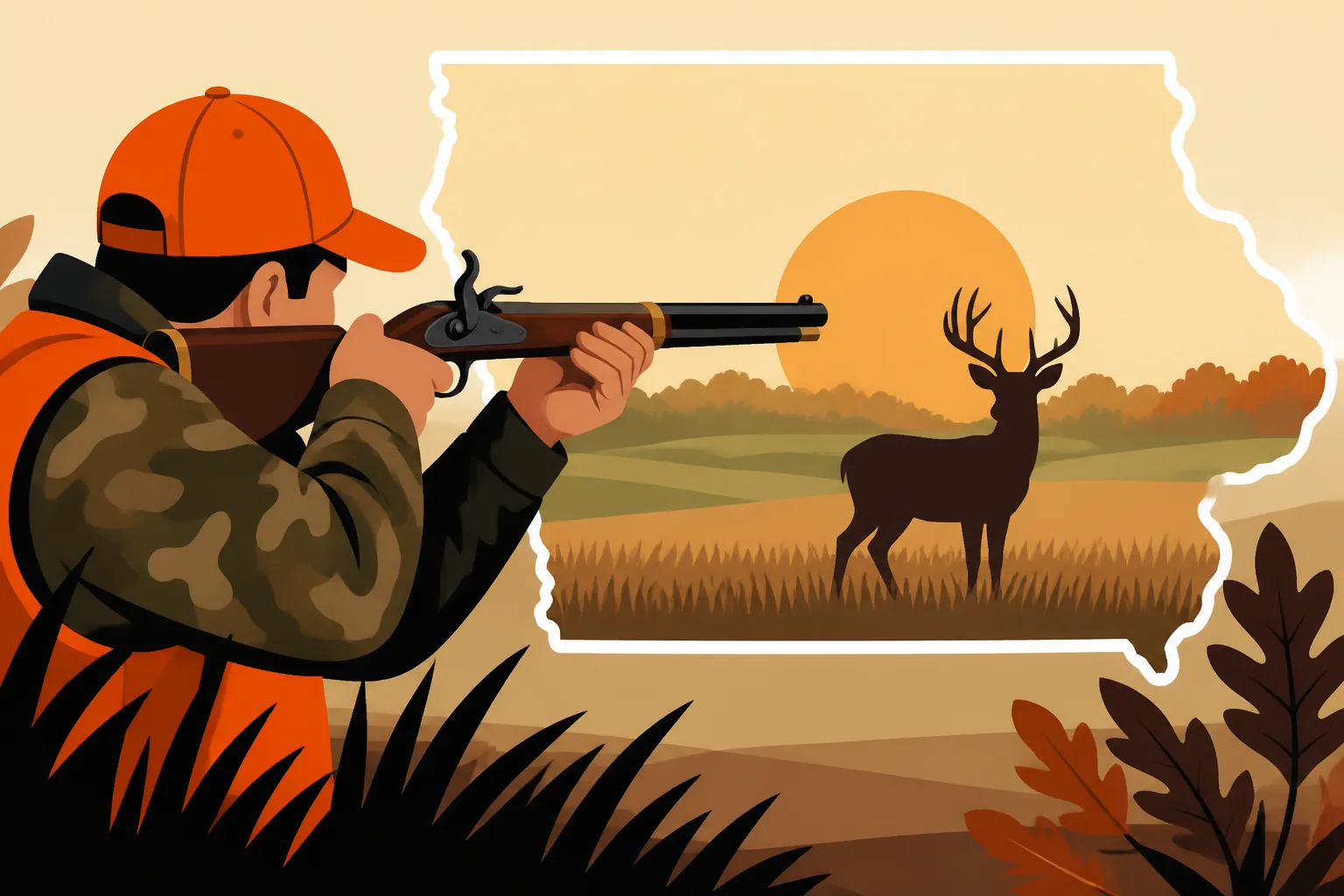
Iowa Early Muzzleloader Season
Navigating Iowa's deer seasons can feel like deciphering a cryptic code, especially when you're trying to figure out the nuances of specialized hunts. Many hunters get confused by the different muzzleloader opportunities, wondering if it's worth it or how to even prepare. This guide aims to clear up all the mystery surrounding the Iowa Early Muzzleloader Season, giving you the detailed information you need to confidently plan and execute a successful hunt.
Understanding Iowa's Muzzleloader Seasons
Iowa offers deer hunters two distinct muzzleloader seasons: an "Early" season and a "Late" season. These aren't just arbitrary dates; they're strategically placed to provide different hunting experiences, taking advantage of varying deer behavior and weather patterns. Knowing the difference and what to expect from each is crucial for planning your hunting calendar and maximizing your chances.
The 'Early' Versus 'Late' Distinction
The Early Muzzleloader Season typically runs in late October, usually before the main shotgun seasons kick off. This timing places it right in the sweet spot of the pre-rut or the very early stages of the rut, depending on the specific year and how quickly the deer activity heats up. Hunters in this season often find deer still in relatively predictable patterns, heavily focused on food sources as they bulk up for the upcoming breeding season. The weather can still be quite mild, sometimes even warm, which presents its own set of challenges, from scent control to preserving your harvested game. It's a fantastic time to target a buck that hasn't been pressured too heavily yet, especially if you've done your homework on his early-season movements.
In contrast, the Late Muzzleloader Season typically takes place in late December and early January, after the main gun seasons have concluded. This is a cold-weather hunt, often characterized by snow, frozen ground, and deer that are highly focused on surviving winter and replenishing energy reserves. Deer behavior shifts dramatically; they become much more concentrated around prime winter food sources. While the early season offers a chance at less pressured deer and potentially warmer conditions, the late season provides an opportunity to hunt post-rut bucks that might be more visible as they seek out available forage, albeit often under much harsher conditions. Understanding these fundamental differences is your first step in choosing the right season for your hunting style.
Key Dates and Application Windows
For the Iowa Early Muzzleloader Season, the dates usually fall within the last week of October, often starting around the 20th and running for about 10 days. These dates can shift slightly each year, so it's absolutely vital to consult the official Iowa DNR regulations annually. This season is specifically for antlerless deer and antlered bucks, offering a chance at either, unlike some other tags which might be antlerless-only.
Applying for this coveted tag, especially for nonresidents, requires careful attention to the application window. The general application period for nonresident deer licenses in Iowa typically opens in May and closes in early June. This is when you'll submit your application for a specific zone and weapon choice, including the Early Muzzleloader Season. Residents often have more flexibility or over-the-counter options for certain tags, but even so, paying attention to the Iowa Deer Season Dates by Weapon is always a good idea. Missing this window means missing out on the opportunity entirely, so mark your calendar! You’ll typically use the Go Outdoors Iowa system to submit your application, which is a fairly straightforward process if you know what dates to look for.
Eligibility and License Requirements
Hunting in Iowa, especially for sought-after tags like the Early Muzzleloader, comes with specific rules about who can hunt and what they need to purchase. It’s not just about having the right gear; it’s about having the legal right to be in the woods with your muzzleloader. Understanding these distinctions is critical, particularly for those coming from out of state or new to hunting in Iowa.
Resident Versus Nonresident Hunter Rules
One of the most significant distinctions in Iowa hunting is between residents and nonresidents. Iowa is renowned for its trophy whitetails, and as such, nonresident deer tags are highly sought after and limited. For the Early Muzzleloader Season, nonresidents must apply through a lottery system during the spring application period. This is where the concept of Iowa Preference Points and How They Work becomes incredibly important. Nonresidents accumulate preference points for unsuccessful applications, increasing their odds in subsequent years. Drawing an Early Muzzleloader tag as a nonresident often requires several years of accumulating points, depending on the zone you apply for.
Residents, on the other hand, typically have a much easier time acquiring deer tags. While some specific zones or management units might have limited resident tags, the Early Muzzleloader tag is generally more accessible for Iowans. They often don't need to go through the same lottery system with preference points and can sometimes purchase tags over-the-counter or through a more direct application process. The allocation of these tags is a strategic way the Iowa Department of Natural Resources (DNR) manages the deer herd and ensures opportunities for its residents, while also allowing limited access for out-of-state hunters who contribute significantly to conservation efforts through their license fees.
Necessary Licenses and Fees
Regardless of whether you’re a resident or a nonresident, there are foundational licenses and fees you'll need to purchase before you can even think about carrying a muzzleloader into the Iowa woods. Every hunter, regardless of age, must first acquire a hunting license. This isn't just a formality; it's a way to ensure that you're legally recognized as a hunter and that you've contributed to the state's conservation programs. For many, this will be an annual Resident or Nonresident Hunting License.
Beyond the basic hunting license, you'll need to purchase an Iowa Habitat Fee. This fee directly supports habitat improvement projects across the state, which benefits all wildlife, including the deer you're pursuing. It's a small but mighty contribution to the health of Iowa's ecosystems. Finally, and most importantly for this season, you'll need to purchase the specific Iowa Early Muzzleloader deer tag itself. The cost of these tags varies significantly between residents and nonresidents, with nonresident tags being substantially more expensive due to demand and the preference point system. Youth hunters and those with qualifying disabilities often have reduced rates or specific season opportunities, reflecting Iowa's commitment to making hunting accessible to everyone. Always check the official Iowa DNR website or the Iowa Deer Licence and Tag Costs guide for the most up-to-date pricing.
| License/Fee Type | Resident Cost (Approx.) | Nonresident Cost (Approx.) | Purpose |
|---|---|---|---|
| Annual Hunting License | $30.00 | $145.00 | Legal right to hunt in Iowa |
| Habitat Fee | $15.00 | $15.00 | Supports wildlife habitat projects |
| Early Muzzleloader Deer Tag | $35.00 | $350.00 | Specific tag for Early Muzzleloader Season |
| Total Minimum | $80.00 | $510.00 | Before any additional stamps or fees |
Note: Prices are approximate and subject to change. Always verify current fees with the Iowa DNR.
Legal Equipment for Early Muzzleloader Season
The term "muzzleloader" itself conjures images of smoke and historical firearms, but modern muzzleloading for deer hunting in Iowa has evolved significantly. However, even with advancements, there are still strict regulations on what constitutes a legal muzzleloader and what accessories you can use during the early season. Understanding these rules is not just about compliance; it's about ensuring your equipment is effective and ethical for the hunt.
Permitted Muzzleloader Types and Calibers
Iowa regulations are quite specific about the firearms permitted during the Early Muzzleloader Season. Generally, you're allowed to use muzzleloading rifles, smoothbore muzzleloading shotguns, and even muzzleloading pistols. The key characteristic is that they must be loaded from the muzzle. This means no breech-loading rifles, even if they fire a straight-wall cartridge, as those are reserved for the shotgun seasons and specific straight-wall rifle seasons. The traditionalist might opt for a flintlock or percussion cap rifle, but the vast majority of hunters today use "inline" muzzleloaders. These modern designs use 209 primers (like those used in modern shotgun shells) and often have scopes, making them more accurate and reliable, especially in damp conditions.
Regarding caliber, for deer, Iowa requires a muzzleloader to be at least .44 caliber for rifles and pistols, or 20 gauge or larger for smoothbore muzzleloading shotguns. This ensures sufficient energy for a clean kill. The rules on projectiles are also clear: you must use a single projectile. This means no buckshot or birdshot in a muzzleloader if you're hunting deer. Your focus should be on accuracy and sufficient power within these legal parameters. It's always wise to re-read the specific Iowa Muzzleloader Projectile Rules in the current year's hunting regulations, as minor changes can sometimes occur.
Projectiles, Powder, and Primers
When it comes to what you load into your legal muzzleloader, Iowa also has guidelines to ensure ethical hunting practices. For projectiles, common choices include saboted bullets (a smaller diameter bullet encased in a plastic sabot to fit a larger bore) or conical bullets (a full-bore lead projectile). Both are effective, but sabots typically offer flatter trajectories and better accuracy at longer ranges, while conicals hit harder at closer distances. Whichever you choose, ensure it's a single projectile designed for deer.
As for powder, you're permitted to use traditional black powder or any of the popular black powder substitutes, such as Pyrodex or Triple Seven. These substitutes are generally cleaner burning and less corrosive than true black powder, making cleanup easier. Always follow the manufacturer's recommendations for load data and never exceed maximum charges. The type of primer used will depend on your muzzleloader. Traditional cap-and-ball rifles use percussion caps, while inline muzzleloaders overwhelmingly use 209 shotgun primers, known for their reliability and resistance to moisture. Keeping your powder and primers dry is paramount, especially when facing unexpected rain during the early season, which is often warmer and wetter than late season hunts. Learning about Keeping a Muzzleloader Dry in Rain is a practical skill that can save your hunt.
Scopes and Sights
One area where modern muzzleloading significantly departs from its historical roots is in optics. For the Early Muzzleloader Season in Iowa, you are absolutely allowed to use scopes. This is a huge advantage, allowing for greater precision, especially at longer ranges or in low light conditions. Unlike some states that might restrict magnification or even ban scopes on muzzleloaders, Iowa allows for a wide range of optical sights, provided they don't have electronic components that project a beam onto the target (like lasers).
Many hunters choose a low-magnification variable scope, such as a 1-4x or 2-7x, which is ideal for the typical ranges encountered during muzzleloader season in Iowa's timber and field edges. A fixed-power scope, like a 4x, is also a reliable and robust choice. While scopes are permitted, traditional iron sights are also perfectly legal and can be very effective at shorter distances, especially in thick cover. Some hunters prefer the simplicity and classic feel of iron sights. Ultimately, the choice of optic or sight comes down to personal preference, hunting style, and the terrain you'll be hunting, but the flexibility to use modern scopes is a definite boon for muzzleloader hunters in Iowa.
Strategic Considerations for Early Muzzleloader Success
The Early Muzzleloader Season in Iowa isn't just about showing up with a legal firearm; it's about smart strategy. The timing of this season—late October—places it in a unique position regarding deer behavior and weather. To truly maximize your chances, you need to think about how deer are acting, where they're moving, and how to adapt your approach to the conditions.
Deer Behavior During Early Muzzleloader
Hunting during the Iowa Early Muzzleloader Season means you're often catching deer in a transitional phase. Depending on when the season falls in a given year, you might experience the tail end of early-season patterns or the very beginnings of the pre-rut. Bucks are still heavily focused on feeding, trying to pack on calories before the exhausting demands of the rut. This means food sources are often key. Look for freshly picked cornfields, bean fields, or natural mast crops like acorns, especially in timber edges or creek bottoms. However, don't discount the possibility of some early rut activity. Younger bucks might start to cruise, making scrapes and rubs, and even older bucks might begin to test does.
The biggest factor influencing deer behavior during this time is often the weather. Warm October weather can mean deer are more nocturnal, moving primarily at dawn and dusk. They might also bed in thicker, cooler cover, making them harder to find. Conversely, a sudden cold snap can really turn on daytime movement, especially around prime food sources. Understanding these shifts and being adaptable is crucial. Instead of expecting full-blown rut behavior, focus on predictable feeding patterns and transition routes. This approach can be very effective, as deer haven't faced the intense pressure of the main shotgun seasons yet, making them potentially a bit less wary in some areas. For more detailed insights, check out our guide on Early Muzzleloader Tactics in Warm October Weather.
Stand Placement and Scouting
Effective stand placement for the Early Muzzleloader Season boils down to rigorous scouting and understanding deer movement related to food, cover, and water. With deer still primarily in feeding patterns, identifying their preferred meal tickets is paramount. This might be a standing cornfield adjacent to heavy timber, a picked soybean field with a secluded entry point, or a specific oak flat dropping acorns. Once you locate these food sources, focus on the travel corridors leading to and from them. Deer will use pinch points, saddles, and creek crossings to move between bedding areas and feeding grounds.
Scouting isn't a one-time event; it's an ongoing process. Before the season, spend time walking potential hunting areas, looking for fresh sign: rubs, scrapes, and most importantly, abundant deer tracks. Pay close attention to wind direction, as deer will almost always approach food with the wind in their favor, scent-checking for danger. Utilizing tools like the Iowa Hunting Atlas or mapping apps such as onX Hunt or GoHunt can be invaluable for e-scouting from home, identifying potential funnels and bedding areas. When you're physically Scouting Iowa Public Land Before the Opener, look for overlooked spots where deer might feel secure even near busier areas. Remember, your stand needs to give you a shot opportunity without blowing your cover, so considering entry and exit routes that don't spook deer is just as important as the stand's location itself.
Weather Adaptation and Gear
The late October timeframe for the Early Muzzleloader Season means you need to be prepared for a range of weather conditions. It could be a crisp, cool fall morning, or it could be unseasonably warm and humid. That unpredictability means your gear choices and hunting tactics must be adaptable. On warmer days, scent control becomes even more critical. Human scent travels further in warm, damp air, so a rigorous scent elimination routine is a must. Think about layers of clothing that can be easily added or removed as temperatures fluctuate, and choose breathable fabrics.
Rain is also a common factor in late October. Keeping your powder dry is absolutely essential for a muzzleloader to fire reliably. Invest in waterproof bags for your powder and primers, and ensure your muzzleloader's breech plug is clean and well-sealed. A good rain cover for your rifle and your person is non-negotiable. Perhaps one of the biggest challenges in warmer temperatures, however, is managing your harvest. If you're lucky enough to tag a deer, prompt field dressing and rapid cooling are crucial to prevent meat spoilage. Having a plan for getting your deer out quickly, whether that involves a deer cart or quartering it in the field, is vital. Remember, the goal is not just to harvest a deer, but to put quality meat on the table.
Preparing for Your Hunt
Preparation is the cornerstone of any successful hunt, and the Iowa Early Muzzleloader Season is no exception. It goes far beyond just knowing the dates and buying a tag. It encompasses everything from ensuring your equipment is dialed in to understanding what to do once you've pulled the trigger. Skipping any of these steps can lead to frustration and missed opportunities.
Sighting In Your Muzzleloader
This might sound obvious, but you'd be surprised how many hunters head into the woods without having properly sighted in their firearm. Your muzzleloader needs to be zeroed for the specific load you'll be using, as different bullet and powder combinations can result in wildly different points of impact. Start by cleaning your muzzleloader thoroughly, then head to the range. Begin at a closer distance, say 25 yards, to get on paper, and then move back to 50 or 100 yards. Most muzzleloader shots on deer occur within 100 yards, so zeroing for a 75- or 100-yard shot is a good practical approach.
Practice shooting from various positions you might encounter in the field – offhand, resting on a tree, or from a treestand. This isn't just about hitting the target; it's about building confidence and familiarity with your firearm. Pay attention to how many shots you can fire accurately before your barrel gets too fouled, as this can affect accuracy. Learn about your muzzleloader's capabilities and limitations, and understand bullet drop at different ranges. This dedicated practice ensures that when that moment of truth arrives, you can make an ethical, clean shot.
Field Dressing and Game Recovery
Given the potential for warmer temperatures during the Early Muzzleloader Season, efficient field dressing and game recovery become even more critical. Once you've made a shot, wait a reasonable amount of time before trailing – usually 30 minutes to an hour for a well-hit deer, or longer if you suspect a marginal hit. However, in warm weather, that waiting period might need to be carefully balanced with the risk of meat spoilage. Having a plan for Blood Trailing in CRP and Multiflora Rose or any dense cover is crucial, and a good headlamp is indispensable for tracking after dark.
Once the deer is recovered, immediate and thorough field dressing is paramount. Removing the entrails helps the carcass cool down rapidly. If you're far from your vehicle, consider the gutless method to quarter the deer in the field and pack it out. This method significantly reduces weight and allows for faster cooling of the meat. Have game bags on hand to protect the meat from flies and dirt. Once at your vehicle, get the deer to a cooler or locker plant as quickly as possible. Having a large cooler packed with ice is a great idea, especially if your hunt involves a drive home. The goal is to get that internal body temperature down to prevent bacterial growth. Read up on Field Dressing in Warm October Weather for detailed steps and tips.
Public Land Access and Regulations
Hunting public land in Iowa can be incredibly rewarding, but it also comes with a unique set of challenges and regulations. Iowa offers a variety of public hunting areas, including state forests, wildlife management areas (WMAs), and tracts enrolled in the Iowa Habitat and Access Program (IHAP). Before heading out, thoroughly research the specific regulations for the area you plan to hunt. Some WMAs might have special restrictions, such as walk-in only access, specific shooting hours, or even archery-only zones.
Tools like the Iowa DNR's Hunting Atlas are invaluable resources for locating public land, understanding boundaries, and identifying access points. Online mapping platforms such as GoHunt or onX Hunt provide detailed property line information, topographic maps, and satellite imagery that can help you scout from home and navigate in the field. Be aware of private land adjacent to public areas and respect property lines. Parking rules are also important – ensure you're legally parked and not blocking any access roads. Understanding Public Land Deer Hunting in Iowa means knowing that pressure can be higher, especially on opening weekend, so look for less accessible areas or be prepared to walk further to find secluded spots. Leaving no trace and being a courteous hunter helps preserve these valuable resources for everyone.
Common Mistakes to Avoid
Even seasoned hunters can sometimes fall into traps during the Early Muzzleloader Season. The unique timing and conditions present specific challenges that, if overlooked, can lead to a frustrating or unsuccessful hunt. Being aware of these common pitfalls is the first step toward avoiding them and ensuring a smoother, more enjoyable experience.
Underestimating Warm Weather Challenges
One of the biggest mistakes hunters make during the Early Muzzleloader Season is underestimating the impact of warm October weather. Many envision crisp, cool fall mornings, but Iowa in late October can easily throw a 60- or even 70-degree day at you. This heat directly impacts deer behavior, often pushing their movements into the cooler parts of the day, making midday sits less productive. Hunters expecting the all-day rut action might find themselves waiting in vain during the warmer hours.
More critically, warm weather severely accelerates meat spoilage. A deer left for too long, even just a few hours in direct sun, can begin to spoil rapidly. This means your game recovery and field dressing plan needs to be precise and swift. Neglecting scent control is another huge mistake; warm, humid air carries human odor much further, making deer far more likely to detect you. Dress in light layers, use scent-eliminating sprays or clothing, and always play the wind meticulously. The warm weather also means ticks and other biting insects might still be active, adding another layer of discomfort and potential health risk if not prepared.
Neglecting Scouting and Preparation
Another common error is failing to adequately scout and prepare specifically for the Early Muzzleloader Season. Just because you hunted a spot in September or during last year's shotgun season doesn't mean the deer patterns will be the same. Food sources change, deer transition their bedding areas, and early-season pressure can already shift their movements. Relying on old information without fresh scouting is a recipe for disappointment. Many hunters assume that if they’ve applied for an Iowa tag, the hard part is over, but the work truly begins after securing your license.
This also extends to equipment. Neglecting to sight in your muzzleloader with your specific load, or not checking its functionality after being stored for months, can lead to frustrating misfires or inaccurate shots. Imagine having a big buck step out and your primer misfire because you didn't ensure everything was clean and dry. Or worse, making a poor shot because your point of impact was off. Overlooking critical gear like reliable headlamps for trailing, proper field dressing tools, or sufficient ice for meat preservation can turn a successful harvest into a regrettable loss. True preparation means leaving no stone unturned, ensuring every aspect of your hunt, from your firearm to your recovery plan, is ready for the specific conditions of the Iowa Early Muzzleloader Season.
Early vs. Late Muzzleloader Season Comparison
To help clarify the differences and strategic implications of Iowa's two muzzleloader seasons, here's a quick comparison:
| Feature | Iowa Early Muzzleloader Season | Iowa Late Muzzleloader Season |
|---|---|---|
| Typical Dates | Late October (e.g., Oct 20-30) | Late December – Early January (e.g., Dec 21 – Jan 10) |
| Weather | Often mild to warm, can be rainy. Fewer cold snaps. | Typically cold, often with snow and frozen ground. |
| Deer Behavior | Pre-rut/early rut activity. Food source oriented. Less pressure. | Post-rut. Survival focus on best winter food sources. More wary. |
| Challenges | Scent control, meat preservation in heat, active insects. | Extreme cold, deep snow, highly pressured deer, difficult tracking. |
| Gear Focus | Breathable layers, scent control, rapid game cooling. | Insulated clothing, cold weather boots, robust hand/foot warmers. |
| Food Source Focus | Acorns, picked crops (corn/beans), food plots. | Standing corn, browse, specific winter food plots. |
Disclaimer
The information provided in this guide is for general informational purposes only and is subject to change. Hunting regulations, season dates, and license requirements are set by the Iowa Department of Natural Resources (DNR) and can be modified annually. Always consult the official Iowa DNR hunting regulations for the current year before planning any hunting trip. It is the hunter's responsibility to know and comply with all applicable laws and regulations.