Food Plots on Iowa Wildlife Areas
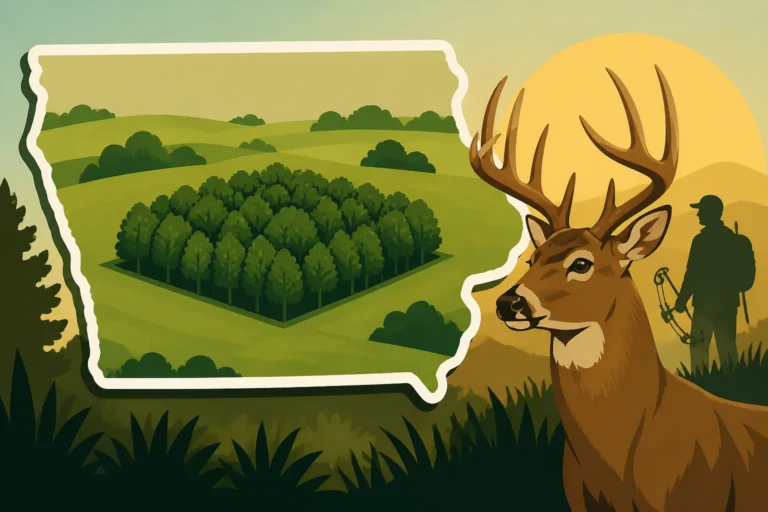
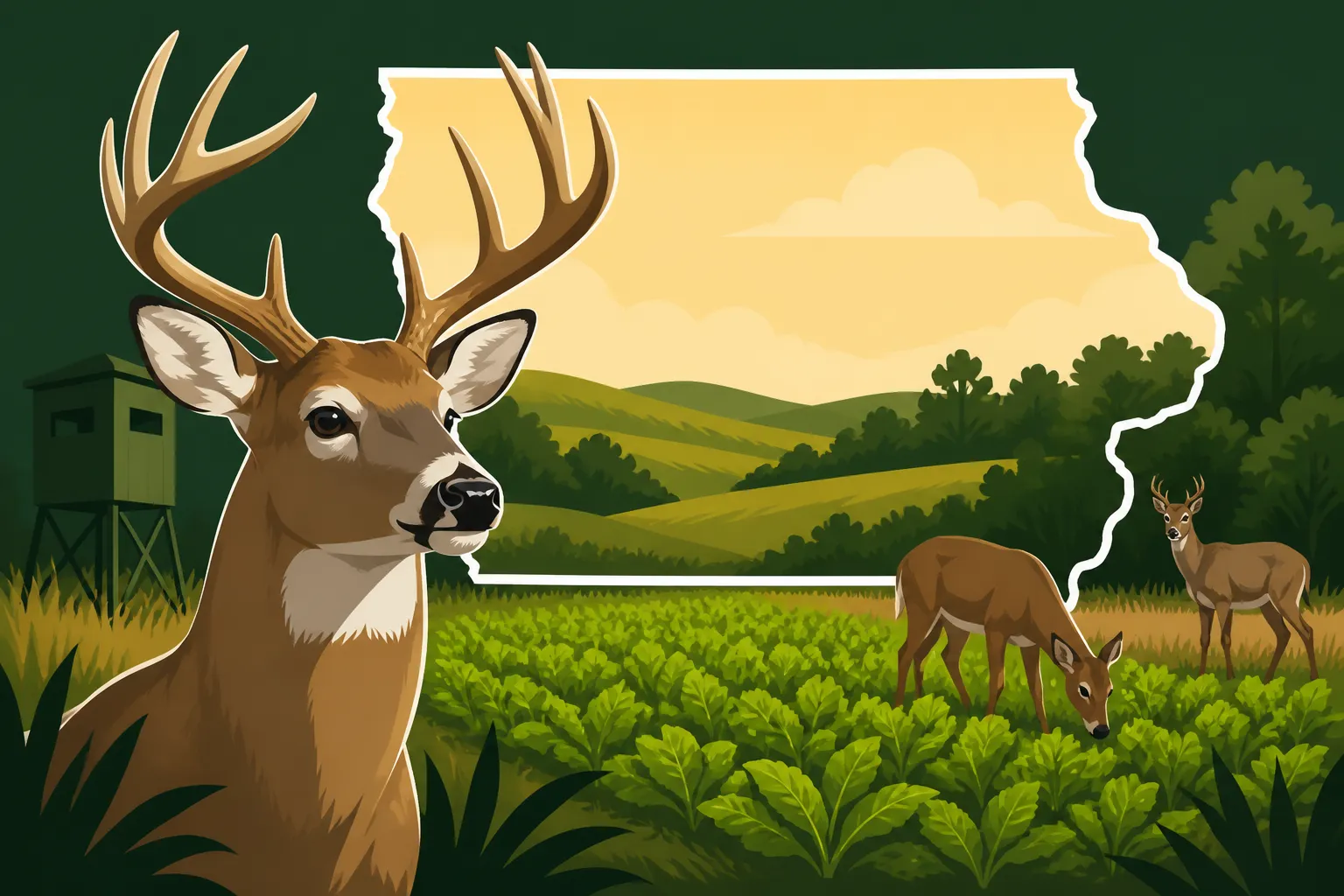
It’s a common fantasy among public land hunters, isn't it? You envision stumbling upon a perfectly manicured food plot tucked away in a remote corner of an Iowa Wildlife Management Area, teeming with deer. You picture bucks browsing casually, oblivious to the world, making for an easy sit. The truth, however, is often a bit more nuanced than that idyllic image. This guide is here to ground those expectations in reality and show you what to actually look for when it comes to finding dependable food sources for deer on Iowa’s public lands.
The Reality of Food Plots on Iowa Public Land
Let's cut right to it: the idea of finding large, dedicated food plots specifically planted and maintained for deer on Iowa's public hunting lands is, by and large, a misconception. Many hunters, especially those accustomed to private land hunting or influenced by national hunting media, arrive in Iowa with the expectation that wildlife agencies are actively cultivating these concentrated feeding areas. However, the management philosophy for most public areas operates on a different set of principles than what you might see on a private hunting lease.
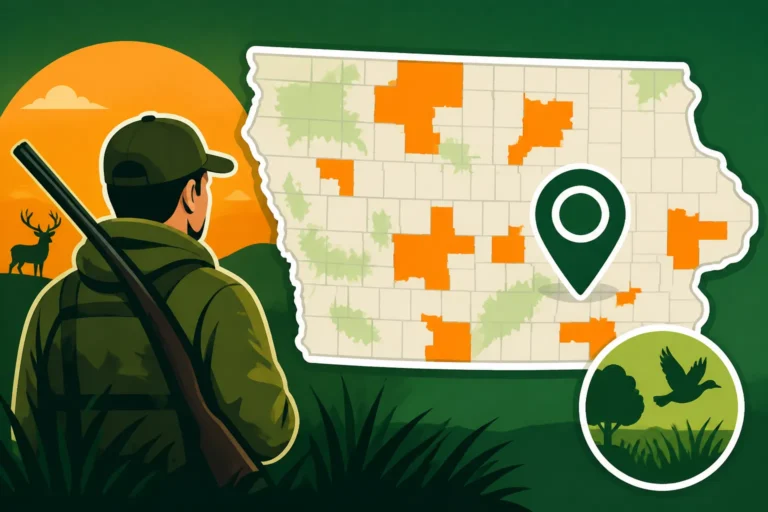
Iowa's Department of Natural Resources (DNR) and various county conservation boards manage public lands, such as Wildlife Management Areas (WMAs) and county parks, with a much broader scope in mind. Their primary objective isn't just to grow big deer. Instead, they focus on restoring and maintaining diverse native habitats that benefit a wide array of wildlife species, from pheasants and turkeys to waterfowl, songbirds, and pollinators, alongside deer. Creating an ecologically balanced and self-sustaining ecosystem often takes precedence over planting specific food plots designed to concentrate a single game species.
Occasionally, you might encounter agricultural fields on or adjacent to public lands that contain standing corn, soybeans, or other grains. These are often part of cooperative farming agreements where a portion of the crop might be left unharvested as a winter food source for wildlife. But it's crucial to understand these aren't "food plots" in the traditional sense, carefully designed to funnel deer past a stand. They are usually an offshoot of standard agricultural practices, and their presence, size, and location can vary greatly year to year. They aren't always located in easily accessible or huntable areas, either, and are often managed to provide broader winter sustenance rather than just a deer attraction. Don't expect lush clover fields or meticulously cultivated brassica plots.
What You Might Actually Find: Natural Food Sources
Given the scarcity of traditional food plots, successful public land hunters in Iowa learn to focus their efforts on understanding and utilizing natural food sources. Whitetail deer are incredibly adaptable creatures, and Iowa's landscape, even in its highly agricultural state, provides an abundance of natural forage that deer depend on throughout the year. Your job as a hunter is to become a skilled detective, identifying these natural buffets.
One of the most significant natural food sources, particularly in the fall, is hard mast – specifically acorns. Timbered areas, especially those containing mature oak trees, become absolute deer magnets when the acorns begin to drop. White oaks are often preferred early in the season due to their lower tannin content, but deer will readily switch to red oak acorns as the season progresses and other food sources diminish. Scouting these timber blocks to determine the year's acorn crop can be far more productive than searching for non-existent cultivated plots. You'll want to pay close attention to creek bottoms, river breaks, and larger timber tracts within or bordering public land, as these often hold the most diverse and reliable mast crops. Reading an Iowa Timber Draw for Deer Sign can give you an edge in these areas.
Beyond acorns, deer browse on a variety of woody vegetation, including the tender shoots of young saplings, shrubs, and brush. Clear-cuts, areas with recent timber stand improvements, or even dense thickets within public land can offer prime browsing opportunities. Soft mast, like various berries and wild fruits, also provides seasonal nutrition. Furthermore, don't underestimate the draw of waste grain from private agricultural fields that border public hunting ground. After the harvest, deer will readily venture into picked corn and soybean fields to glean any leftover kernels or beans. Identifying these transitions where natural cover meets agricultural bounty can be incredibly effective, a topic explored further in Standing Corn and Bean Field Deer Patterns.
Strategies for Hunting Public Land Food Sources
Since you won't be relying on conveniently placed, obvious food plots, your hunting strategy on Iowa's public land needs to be much more focused on natural forage and deer movement patterns. This means your scouting efforts are paramount, and they should extend beyond just the hunting season itself.
Aggressive, year-round scouting is your most valuable asset. Once deer season wraps up, get out into those public areas to shed hunt and identify bedding areas, established travel corridors, and overlooked pockets of natural food. Look for rub lines, old scrapes, and heavy trails that indicate consistent deer movement. During late spring and summer, return to pinpoint mast-producing trees and areas with good browse. By the time fall arrives, you'll have a much clearer picture of where the deer are likely to be feeding. Fresh sign near these natural food sources in the early season will confirm current patterns. Scouting Iowa Public Land Before the Opener can provide a detailed framework for this year-long approach.
When it comes to setting up for a hunt, focus on transitional areas. Deer instinctively move between dense cover, where they feel safe bedding, and their preferred feeding locations. On public land, this often means targeting the funnels, pinch points, saddles, and creek crossings that naturally channel deer movement between bedding thickets and areas offering acorns, browse, or waste grain. These strategic locations are where deer are most likely to be moving during legal shooting hours, especially if the primary feeding area itself is more open and exposed. Consider how Wind and Thermals in River Breaks will impact deer movement and your scent cone in these transition zones.
Always consider your access route and the prevailing wind direction in relation to these feeding areas. Deer on public land are often more pressured and therefore more wary. Plan your entry and exit to avoid bumping deer from bedding areas or contaminating the approach to your chosen feeding spot. Sometimes, hunting a stand slightly off the main trail, on the downwind side of a food source, or even observing from a distance with good optics, can be more effective than trying to sit directly on top of a highly pressured natural food source. Thoughtful entry and exit are critical for success, as highlighted in Access Routes That Do Not Bump Deer.
Using Mapping Tools to Find Public Land Food Opportunities
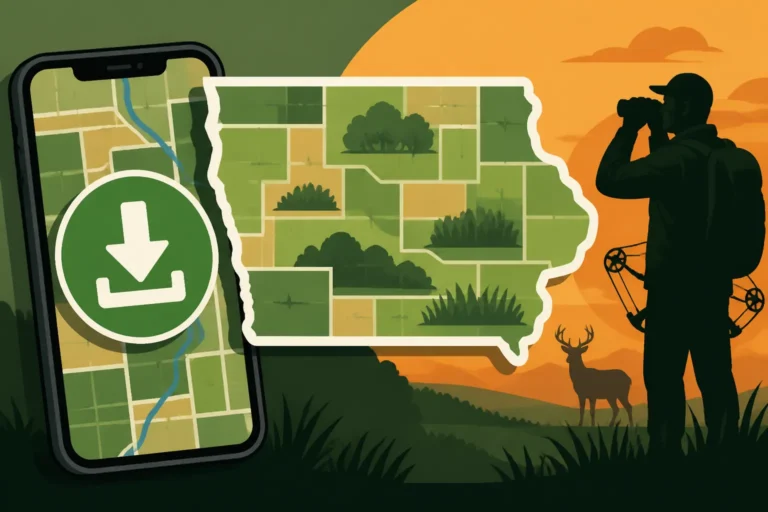
In the modern hunting landscape, digital mapping tools are an absolute game-changer, especially for navigating and scouting vast public land tracts where established food plots are rare. Services like onX Hunt have become essential tools for anyone looking to efficiently locate potential food sources and plan their hunts in Iowa. These apps allow you to do a significant amount of "e-scouting" from home, saving you countless hours of aimless wandering in the woods.
Utilize the aerial imagery layers in these mapping applications to distinguish different timber types. Look for areas with darker green, denser canopy, which often indicate mature hardwoods – prime locations for oak trees and their precious acorns. You can also easily identify where public land boundaries meet private agricultural fields. Mark these edges and potential travel corridors. Pay close attention to subtle topographical features, like benches or ridge lines, that might create natural bedding areas near these food sources. Many public areas, even those that seem open, have pockets of dense cover that deer rely on. GoHunt also provides valuable state-specific data and mapping features that can further enhance your scouting efforts, complementing what you find on other platforms.
Beyond just aerial views, most advanced mapping apps offer invaluable layers such as public land boundaries, landowner information, and detailed topography lines. Use these to pinpoint less-pressured corners of public ground that are still close to excellent natural food. Drop digital waypoints on what appear to be oak flats, creek crossings, or natural funnels that lead from bedding areas to feeding zones. By layering all this information – property lines, topography, satellite imagery, and your own observations – you can construct a comprehensive strategy that predicts deer movement around natural food sources, even when there isn't a single cultivated food plot in sight. This digital scouting, as discussed in E-Scouting Iowa Farm Country From Home, combined with a good understanding of Reading Aerial Imagery for Bedding Cover, will drastically improve your success.
Comparing Public vs. Private Land Food Source Approaches
To really drive home the distinction, here's a quick comparison of what you might expect regarding food sources when hunting private versus public land in Iowa.
| Feature | Private Land Food Plots | Iowa Public Wildlife Areas |
|---|---|---|
| Primary Purpose | Deer attraction, concentrated harvest | Habitat diversity, overall wildlife support |
| Management Focus | Specific high-yield forage for deer | Native vegetation, ecological health |
| Typical Appearance | Planted clover, brassicas, corn, soybeans | Natural browse, acorns, waste grain (farmed) |
| Size & Location | Often visible, strategically placed, larger | Small, irregular, often less accessible |
| Reliability | Consistent year-to-year if managed | Varies yearly based on mast crop, harvest |
| Hunter Expectation | High confidence in finding concentrated deer | Adaptability and thorough natural scouting |
Ultimately, hunting Iowa's public lands for deer feeding on natural sources is a rewarding challenge. It demands more skill, more scouting, and a deeper understanding of whitetail behavior in their natural habitat. But the satisfaction of deciphering their patterns and successfully harvesting a deer in these wilder settings is a feeling that many hunters cherish above all else.
Disclaimer
This article is for general informational purposes only and does not constitute professional advice. Laws, prices and regulations vary by location and change over time. Consult a qualified professional for guidance on your specific situation.