Deer Carts on Iowa Walk-In Ground
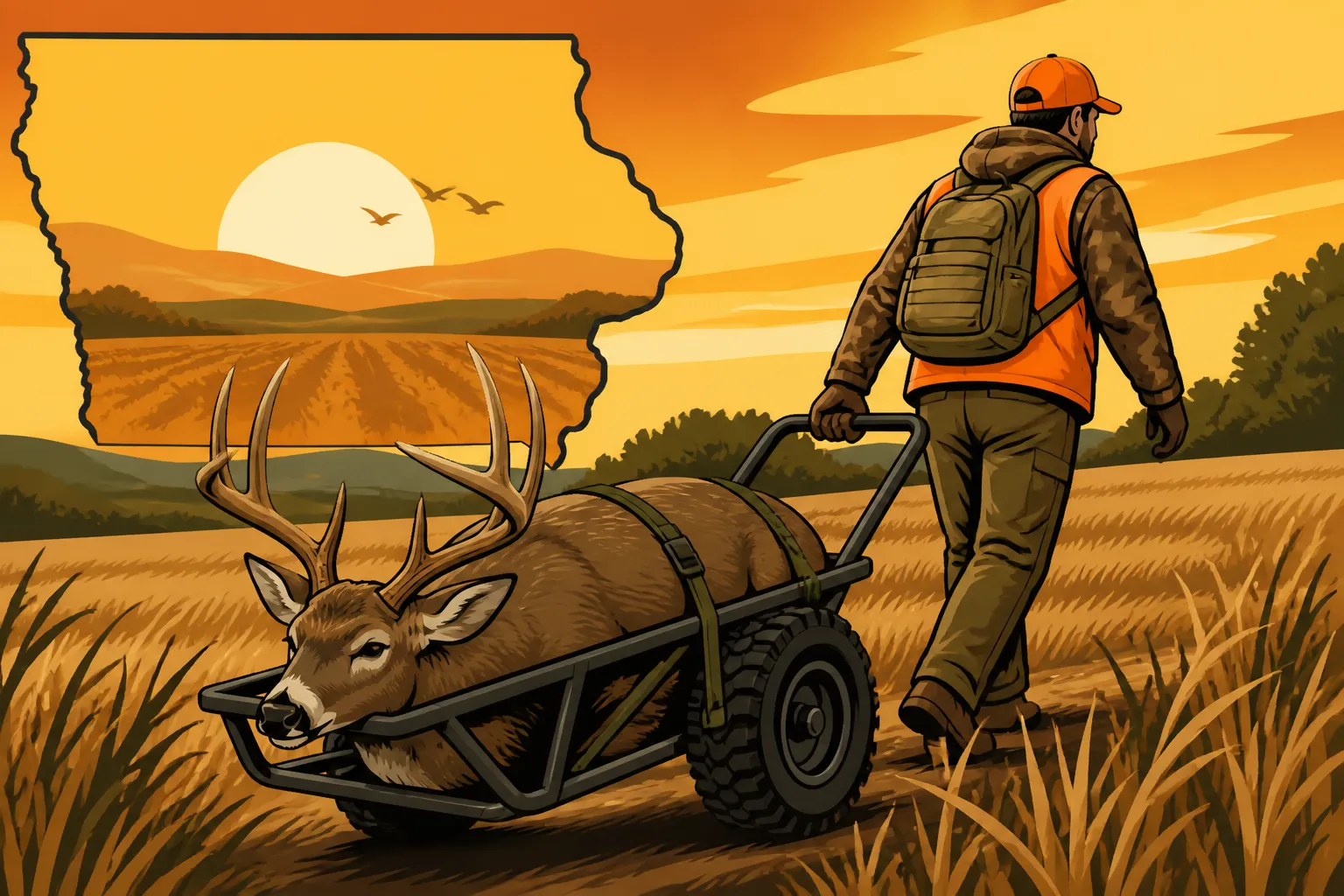
There’s a moment every Iowa deer hunter knows well: you’ve just put down a beautiful buck or a solid doe deep in a timber block, perhaps a mile back on some walk-in public land, and the adrenaline starts to fade, replaced by the daunting reality of getting that animal out. The sheer physical toll of dragging a heavy deer through thick CRP, across muddy draws, or over frozen, uneven ground can be enough to make even the most seasoned hunter question their life choices. This guide is all about making that grueling recovery a whole lot easier by delving into the world of deer carts, specifically designed for the unique challenges of Iowa's walk-in hunting grounds.
Why Deer Carts Are a Game-Changer for Iowa Walk-In Ground
Let's face it, hunting in Iowa, especially on our beloved public land, often means covering some serious ground. You might have walked a mile or more to get to your perfect setup, carefully choosing your Access Routes That Do Not Bump Deer, only to realize after a successful shot that the return trip is going to be significantly heavier. This is where a deer cart earns its keep, transforming a back-breaking drag into a manageable, albeit still strenuous, retrieve. The frustration of watching your hunting partners easily wheel their deer out while you're breaking your back trying to drag one can be a real motivator to invest in one of these bad boys.
The Reality of Iowa's Diverse and Often Challenging Public Land Terrain
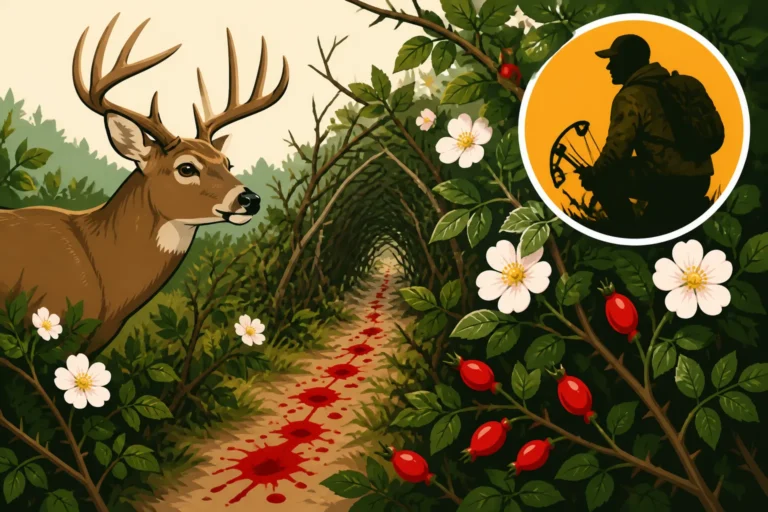
Iowa's landscape is beautiful, but it's rarely flat, smooth, or dry. Our public lands, whether they're sprawling wildlife management areas, state forests, or IHAP tracts, present a mixed bag of challenges. You could be navigating through dense river bottom timber, trudging across recently picked corn or bean fields that are a sea of ankle-twisting stubble, or slogging through the notorious Iowa mud after a rain. Then there are the creek crossings and steep, eroded banks that can turn a simple drag into an Olympic-level obstacle course. Trying to drag a 150-pound deer, let alone a 250-pound Iowa brute, through a thicket of multiflora rose or tall, tangled CRP grass is an experience that quickly ages a hunter. When you're Blood Trailing in CRP and Multiflora Rose, the last thing you want is more physical exertion once you find your prize.
A good deer cart is designed to overcome many of these hurdles. Its wheels, often large and widely spaced, are built to roll over uneven ground, through mud, and even over small logs and rocks with greater ease than trying to slide a deer carcass directly. This means less friction, less digging in, and less overall effort from you. For those who hunt solo on Public Land Deer Hunting in Iowa, a deer cart isn't just a convenience; it's practically a necessity for safely and efficiently getting your game out of the woods without risking injury or exhaustion, especially when you're a long way from the truck.
Minimizing Impact and Effort for a Smoother Recovery
Beyond the sheer physical relief, using a deer cart offers other significant advantages. Firstly, it keeps your deer cleaner. Dragging an animal directly on the ground means dirt, leaves, and mud are constantly being picked up, contaminating the hide and potentially the meat, especially if you haven't had a chance to Field Dressing in Warm October Weather. With a cart, the deer is elevated, minimizing contact with the ground and keeping your hard-earned venison in better condition. This is particularly important when you're looking to Quartering a Deer in the Field to make the haul easier later.
Secondly, and perhaps just as crucial, it reduces your physical footprint and scent trail. While you're still walking the same path, the heavy scraping and plowing of a deer's body through the undergrowth is significantly reduced. This can be a subtle but important consideration if you plan to hunt that area again soon, as it helps in Hunting Iowa Walk-In Ground Without Burning It Out. Dragging a deer creates a pronounced disturbance that other deer will notice, and anything we can do to minimize our impact on the habitat and the resident deer herd is a win. Using a cart allows for a more controlled, less disruptive exit from the woods.
Choosing the Right Deer Cart for Iowa's Diverse Landscape
Selecting the perfect deer cart isn't a one-size-fits-all situation, especially when you consider Iowa's varied terrain. What works great on a wide, relatively smooth trail might be a nightmare in a deep creek bottom or a freshly tilled field. You'll want to think about the primary type of ground you cover when Scouting Iowa Public Land Before the Opener and what conditions you most often encounter.
Wheel Types and Their Best Match for Iowa Terrain
The wheels are arguably the most critical component of any deer cart. They dictate how easily the cart rolls and what kind of abuse it can withstand.
- Pneumatic (Air-Filled) Tires: These are the most common and often the best choice for navigating rough, uneven, or soft terrain. Think about those deep, muddy ruts in a field edge or the thick, spongy ground of a river bottom after a rain. Pneumatic tires offer excellent shock absorption, cushioning the load and making the cart easier to pull over bumps and roots. Their larger surface area also helps distribute weight, preventing them from sinking into mud or soft soil as easily. However, they are susceptible to punctures, which can be a real headache miles from the truck. Always carry a small repair kit or at least be prepared for a flat. Brands like Hawk and Rage Powersports offer models with robust pneumatic tires.
- Solid Rubber Tires: Less common for dedicated deer carts, but some utility carts might feature them. Solid tires are puncture-proof, which is a huge plus for peace of mind. However, they offer no shock absorption, making for a much bumpier ride over rough terrain. They also tend to be heavier and don't float as well over soft ground, meaning they're more prone to digging in. For Iowa, unless you're strictly on well-maintained gravel trails (which are rare on walk-in public land), pneumatic is usually the better bet for shock absorption and traction.
- Large Diameter Wheels: Regardless of tire type, larger diameter wheels generally perform better in challenging terrain. They roll over obstacles more easily than smaller wheels, which tend to get hung up. For Iowa, where you might encounter logs, rocks, or steep embankments when you're trying to get a deer out of Getting a Deer Out of an Iowa Creek Bottom, bigger wheels are always an advantage. Look for wheels in the 18-24 inch range for optimal performance.
Frame Design, Weight Capacity, and Portability
The cart's frame needs to be sturdy enough to handle the weight of a mature Iowa whitetail, which can easily exceed 200 pounds dressed.
- Material: Most quality deer carts are made from steel or aluminum. Steel frames are typically more robust and durable, but they are also heavier. Aluminum frames are lighter, making them easier to carry in and out, but might have a slightly lower weight capacity. Consider your own strength and how far you're willing to carry the empty cart. A lighter cart means less fatigue on the way in, leaving more energy for the haul out.
- Design: Look for carts with a wide frame that can accommodate the width of a deer without it hanging off awkwardly. A well-designed cart will have a low center of gravity to prevent tipping on uneven ground. Some carts feature a "basket" design, while others are essentially a flat platform. Both can work, but the basket can help contain the deer better.
- Foldability: Many deer carts are designed to fold flat or collapse for easier transport and storage. This is a huge benefit if you have limited space in your vehicle or need to carry the cart a short distance to the trail. A cart that quickly breaks down can be slipped into the bed of a truck or even across the back seat without much hassle.
- Weight Capacity: Always check the manufacturer's stated weight capacity. While a cart might claim to hold 300 pounds, remember that uneven terrain and sudden impacts can put more stress on the frame than a static load. Err on the side of caution and choose a cart with a capacity well above the average weight of deer you expect to harvest.
Must-Have Features for Iowa Hunters
Beyond the basics, a few specific features can make a significant difference in the field.
- Straps and Securing Mechanisms: A good deer cart will come with, or allow for easy attachment of, strong straps to secure the deer firmly to the frame. You don't want the deer shifting or rolling off the cart on steep inclines or declines. Integrated bungee cords or ratchet straps are ideal.
- Kickstand/Standoff: This might seem minor, but a stable kickstand that allows the cart to stand upright while you're loading the deer, or if you need to take a break, is incredibly helpful. Trying to balance a deer and a cart simultaneously on uneven ground is a recipe for frustration.
- Adjustable Handles: If you're particularly tall or short, or if multiple people will be using the cart, adjustable handles can greatly improve ergonomics and comfort during the haul.
- Axle Clearance: Ensure the cart has sufficient ground clearance, especially under the axle. This prevents it from dragging or getting hung up on obstacles when navigating deeper ruts or crossing small streams.
- Brakes: While rare on most simple deer carts, some advanced models might include a braking mechanism, which can be invaluable when descending steep hills with a heavy load, especially on slick or muddy terrain.
| Feature | Pneumatic Tires (Air-Filled) | Solid Rubber Tires |
|---|---|---|
| Terrain Suitability | Excellent for rough, soft, muddy, or uneven ground; good shock absorption. | Best for smooth, hard surfaces; poor shock absorption. |
| Puncture Risk | High (can flat, requires maintenance) | None (puncture-proof) |
| Weight | Generally lighter than solid rubber of similar size | Heavier than pneumatic of similar size |
| Floatation (Soft Ground) | Good (wider footprint distributes weight) | Poor (tends to dig in) |
| Maintenance | Requires air pressure checks, occasional patching/replacement | Virtually none |
| Cost | Often slightly higher initially | Generally lower |
| Iowa Recommendation | Highly Recommended for typical Iowa public land conditions | Not recommended for most Iowa hunting scenarios |
Effective Techniques for Using a Deer Cart
Having the right cart is only half the battle; knowing how to use it effectively can make all the difference between an easy recovery and a struggle. Remember, the goal is to make the process smoother, not to eliminate all effort. Even with a cart, getting a deer out is hard work, but it's manageable hard work.
Loading and Securing Your Harvest for a Stable Ride
Proper loading is crucial for stability and ease of pulling. An unbalanced deer will constantly want to tip the cart, making your job much harder.
- Balance is Key: Try to center the deer's weight over the axle. For most situations, placing the deer head-first or butt-first onto the cart with its back to the frame usually works well. If it's a very large buck, you might need to try different orientations to find the sweet spot where it feels most stable. Some hunters prefer to lay the deer on its side, while others like to splay it out on its belly. Experiment to see what works best for your cart and the size of your deer.
- Secure It Tightly: This cannot be stressed enough. Use strong straps (ratchet straps are excellent for this) to bind the deer securely to the cart's frame. You want it to be as stable as if it were part of the cart itself. Pay special attention to the mid-section and any protruding antlers. A shifting load is a dangerous load, especially on uneven terrain or downhill. This is where a little extra time on the front end saves a lot of frustration later.
- Field Dressing Considerations: If you're going to Field Dressing in Warm October Weather, consider doing it before loading the deer onto the cart. This removes a significant amount of weight (blood, organs), making the haul much lighter. If you plan to Quartering a Deer in the Field, that will also reduce the load.
Navigating Tough Terrain with a Loaded Cart
Even with a well-loaded cart, Iowa's terrain can throw curveballs. Anticipation and strategy are your best friends.
- Pick Your Path Wisely: Before you start pulling, take a moment to survey the upcoming hundred yards or so. Look for the path of least resistance. Avoid needlessly deep mud, large fallen logs, or dense brush if there's an easier route. Sometimes, a slightly longer, clearer path is faster and less exhausting than a direct, obstacle-ridden one. If you're using a mapping app like GoHunt, you can often identify contours and potential obstacles even before you leave the stand, helping you plan your egress.
- Overcoming Obstacles:
- Logs and Rocks: For smaller obstacles, a good technique is to lift the front of the cart just enough to get the wheels over, then use your momentum to roll the rest of the cart over. For larger logs, you might need to completely lift and carry the cart over, or if possible, find a section of the log low enough to slide the cart over.
- Creek Crossings: This is often the trickiest part. If the water is shallow, you can often pull the cart directly through, but be mindful of slippery bottoms and sudden drops. For deeper or wider creeks, you might need to unload the deer, carry it across in pieces or with a buddy, and then carry the empty cart across. When dealing with Getting a Deer Out of an Iowa Creek Bottom, having a plan for the cart is just as important as having a plan for the deer.
- Steep Hills: On steep uphills, pull slowly and steadily. If the hill is too steep to pull alone, you might need to find a way to switchback, or if possible, get a second person to push from behind. On steep downhills, let gravity do some work, but maintain control. Go slow, using the cart's weight to your advantage, but be ready to brace it if it starts to get away from you.
- Working with the Terrain: Use small dips and rises to your advantage. A slight downhill grade is a welcome friend, while a subtle rise can provide a momentary rest point. Pay attention to the wind and thermals, especially if you plan to Stay Warm on a December Sit and are using a cart to move between spots or to extract your deer.
Solo Recovery Versus Team Effort with a Cart
While a deer cart greatly aids solo hunters, two people can make the job exponentially easier.
- Solo Strategy: When you're alone, every step of the process falls on you. This means carefully planning your exit route before you even head into the stand. Maximize efficiency in field dressing and loading. Take frequent breaks. If the ground is particularly challenging, consider making two trips, perhaps with the head and antlers in one load if trophy care is paramount, or quartering the deer completely into heavy-duty game bags and carrying them out in a robust hunting pack, with the cart for the heavy bone-in sections. This is where apps like GoHunt can be invaluable for pinpointing your location, marking your trail, and even calculating distances so you know exactly what you're up against.
- Team Effort: If you have a hunting partner, a deer cart becomes an absolute dream. One person can pull the cart, while the other pushes from behind. This shared effort makes navigating even the toughest terrain much more manageable. The person pushing can help steer, lift over obstacles, and provide extra power on inclines. This is often the fastest and least exhausting way to get a deer out of dense Iowa timber or a muddy field. It also allows for easier communication about the best path forward.
Maintenance and Storage for Longevity
A good deer cart is an investment, and like any piece of essential hunting gear, it needs proper care to last for many seasons. Neglecting your cart after a brutal recovery can lead to rust, seized wheels, or damaged components, leaving you in a lurch when you need it most.
Post-Hunt Cleaning Rituals
After a successful deer recovery, your cart is likely to be caked with mud, blood, and various bits of field debris. Don't just throw it back in the garage.
- Rinse Thoroughly: The first step is to spray down the entire cart with a hose. Get rid of all the loose mud, grass, and blood. If possible, use a stiff brush to scrub away any dried-on grime, paying close attention to the wheels, axle, and any moving parts.
- Disinfect and Deodorize: Blood can harbor bacteria and attract pests, and frankly, it stinks. Use a mild soap and water solution, or a scent-eliminating spray, to thoroughly clean all surfaces. This is especially important for any fabric components or straps. Rinse again to ensure all soap residue is removed.
- Dry Completely: This is a crucial step for preventing rust. Allow the cart to air dry completely in a well-ventilated area. If you're in a hurry, you can use a towel or even a leaf blower to speed up the process. Don't fold or store a damp cart.
Tire and Frame Checks
Before putting your cart away for the season, or even after a particularly tough retrieve, give it a once-over to ensure everything is in working order.
- Tire Inspection: For pneumatic tires, check the air pressure and inflate to the recommended PSI. Inspect the tires for any cuts, punctures, or excessive wear. If you notice any damage, repair or replace the tire. Check the valve stems for leaks. For solid tires, simply inspect for any cracking or damage.
- Axle and Wheel Bearings: Spin the wheels to ensure they rotate freely and smoothly. Listen for any grinding or squeaking noises, which could indicate a need for lubrication or bearing replacement. Apply a small amount of waterproof grease to the axle if it's exposed or designed to be greased.
- Frame and Fasteners: Inspect the entire frame for any bends, cracks, or signs of stress, especially around welds and joints. Check all bolts, nuts, and pins to ensure they are tight and secure. Replace any missing or damaged fasteners. If your cart folds, operate the folding mechanism a few times to ensure it's still smooth and secure.
- Straps and Accessories: Inspect all straps, buckles, and securing mechanisms for fraying, tears, or wear. Replace any that are compromised, as these are critical for safety and securing your load. Make sure any kickstands or other accessories are functioning correctly.
By taking these few extra steps, your deer cart will be ready to tackle the rigors of Iowa's walk-in hunting grounds season after season, ensuring that your successful hunt ends with a manageable recovery, not a back-breaking ordeal.
Disclaimer
Please ensure you are familiar with and adhere to all current Iowa Department of Natural Resources hunting regulations and local laws regarding hunting, tagging, and transportation of game. Safety should always be your top priority in the field.