Whitetail Rut Timing in Iowa
The Iowa whitetail rut is one of the most anticipated, and often agonizing, periods for deer hunters. It feels like everyone has a theory about when it truly "hits," leaving many of us scratching our heads, wondering if we've completely missed the boat or if it's still yet to come. This guide aims to demystify the whitetail rut timing in Iowa, breaking down the science, the real-world observations, and the critical factors that truly influence deer behavior during this exciting time.
Understanding the Whitetail Rut Cycle in Iowa
Trying to perfectly predict the Iowa rut is like trying to guess the exact moment a popcorn kernel pops – you know it's coming, but the exact second is elusive. However, understanding the underlying biological drivers helps immensely. The whitetail rut isn't a single event but a continuum, dictated by a complex interplay of factors, with some playing a much larger role than others.
Photoperiod: The Primary Driver
At the heart of the whitetail rut is something called photoperiod, which is just a fancy way of saying the amount of daylight in a 24-hour period. As the days grow shorter after the summer solstice, a deer's brain registers this change. This reduction in daylight triggers a cascade of hormonal shifts in both bucks and does. It's the most consistent and powerful influence on when the primary breeding season occurs, essentially setting the biological clock for the rut across the entire whitetail range. This is why, year after year, no matter how warm October feels or how much rain we get, you can expect the peak breeding window to fall within a relatively consistent timeframe in late October and early November in Iowa.
This natural, inherent timing is what makes deer hunting so predictable, in some ways. While external factors can certainly influence when you see the most activity, the actual biological drive to breed remains tethered to the decreasing daylight. Hunters often lament a "late rut" or an "early rut," but in reality, the does are cycling into estrus at roughly the same time every year, give or take a few days, because the sun doesn't lie. This internal clock is so precise that a doe born in Iowa and moved to Texas would still likely cycle into estrus according to Iowa's photoperiod, at least for her first year or two.
Physiological Changes in Bucks and Does
As the photoperiod shortens, deer undergo significant physiological changes. Bucks, for instance, begin to increase testosterone production, leading to hardening antlers, increased neck swelling, and a surge in aggressive behaviors. They start to spar, rub trees, and make scrapes, all in preparation for the upcoming breeding frenzy. You can really see this transformation unfold from late September into October, as those velvet-covered antlers shed and a buck's whole demeanor shifts from mellow summer bachelor to a driven, territorial creature.
Does also experience hormonal changes, though less outwardly dramatic. They become receptive to breeding as their estrus cycles begin. This isn't a synchronized event for every doe on the same day, but rather a rolling wave. Younger does and older does might come into estrus at slightly different times, which extends the overall breeding window. These internal changes are what fuel the visible "rut activity" we hunters so eagerly observe, from bucks chasing does to the more subtle movements of does seeking out bucks. Understanding these changes helps us interpret the sign we find in the timber and fields, giving us clues about what's happening beneath the surface.
Genetic Influences on Local Herds
While photoperiod is the overarching driver, local genetics can play a subtle role in fine-tuning the rut's expression within specific populations. Different deer herds, even within the same state like Iowa, might have slight variations in their average rut timing or intensity. This isn't to say one county will rut a month earlier than another, but rather that certain tendencies might be observed due to the specific genetic makeup of that localized group of deer.
These genetic factors can influence things like the average age when does first breed, the length of their estrus cycles, or even the aggressiveness of bucks. For instance, a herd with a strong genetic predisposition for robust antler growth might also exhibit certain breeding characteristics. This is often observed in areas managed for quality deer, where older bucks are present, leading to a more natural and intense breeding competition. While you can't control genetics, being aware that subtle local differences might exist helps you contextualize observations in your specific hunting area. It's another layer to the complex puzzle that is Iowa Whitetail Hunting Tactics Through the Rut.
Key Phases of the Iowa Rut
The rut isn't a light switch; it's more like a dimmer, slowly building in intensity, reaching a crescendo, and then fading out. Understanding these distinct phases allows hunters to adapt their strategies and maximize their time in the woods. Each phase presents unique opportunities and challenges, and knowing what to expect can be the difference between a successful hunt and a frustrating one.
The Pre-Rut: Anticipation and Early Sign
The pre-rut is that exciting period, typically from late October into the very first days of November, where bucks are beginning to feel the urge but does aren't quite ready. This is when bucks are out cruising, expanding their home ranges, checking scrapes, and actively seeking out the first does coming into estrus. You'll see a lot of sparring, rubs and scrapes popping up, and bucks showing increased daytime movement as they establish dominance and mark their territory. For many, this is one of the most thrilling times to be in the timber.
This phase is characterized by a lot of "seek and chase" behavior. Bucks aren't necessarily locked down with does yet, meaning they're on the move, covering ground, and very responsive to calling and decoying. It's an excellent time for aggressive tactics. If you're wondering how to take advantage of this period, our guide on Hunting the Iowa Pre-Rut in Late October delves deeper into specific strategies. You'll often see mature bucks, which might be more nocturnal at other times, start to move during daylight as their hormones kick into high gear, making this a prime time to be on stand, especially around travel corridors and bedding edges.
The Peak Breeding Phase: Chase and Lock-Down
The peak breeding phase, often referred to simply as "the rut," usually kicks in around the first week to ten days of November in Iowa. This is when the majority of does come into estrus, and bucks are absolutely consumed with breeding. It's a period of intense activity, characterized by frantic chasing, tending scrapes, and eventually, the infamous "lock-down" phase. During lock-down, a mature buck will find an estrus doe and stay with her for 24-48 hours, often bedded down in thick cover, making them temporarily disappear from general circulation.
While the "chase" portion of this phase can be electrifying, with bucks running does ragged across fields and through the timber, the lock-down can be frustrating for hunters. It often feels like the deer have vanished, and you're left wondering if you missed the action. However, even during lock-down, other bucks are still seeking. Persistence is key during this period, as is understanding where those does might be hiding out with their suitors. This is when aggressive calling, like rattling or grunting, can be incredibly effective, especially as bucks search for receptive does or challenge rivals. Dive into Rattling and Grunting During the Iowa Rut for more on effective vocalizations.
The Post-Rut: Recovery and Secondary Breeding
After the peak breeding activity subsides, usually mid-November to late November, we enter the post-rut. Bucks are exhausted, having expended massive amounts of energy during the chase and breeding. Their focus shifts dramatically towards recovery – finding food, replenishing fat reserves, and resting. Many hunters assume the rut is "over" at this point, but that's not entirely true. A significant portion of does that weren't bred during their first estrus cycle, or younger does coming into estrus for the first time, will cycle again approximately 28 days later. This is often called the "secondary rut" or "trickle rut."
During this secondary rut, you'll see a resurgence of buck activity, though typically not with the same intensity as the primary peak. Bucks, now slightly recovered, will once again be on the lookout for receptive does. This can offer a fantastic hunting opportunity, especially later in the season when many other hunters have packed it in. Food sources become increasingly important during the post-rut, as both bucks and does are driven by hunger. Focusing on prime feeding areas and thick cover where deer can find refuge and forage can be a highly effective strategy in late November and into December.
Factors Influencing Rut Timing and Intensity
While photoperiod sets the stage, several other environmental and behavioral factors can subtly influence how the rut feels to a hunter on any given day. These factors don't change the underlying biological timing of the rut, but they certainly impact deer movement and visibility, which is what most hunters equate with "the rut being on."
Weather Patterns: Temperature and Fronts
Oh, the weather! It's the eternal variable in hunting, and it plays a huge role in how much rut activity we actually see. Deer are crepuscular, meaning they're most active at dawn and dusk. When temperatures are unseasonably warm, especially during what should be the peak rut in early November, deer movement can become largely nocturnal. They conserve energy during the heat of the day and move under the cover of darkness. This can make it feel like the rut isn't happening, even though the does are still cycling and bucks are still breeding – they're just doing it when you're not in your stand.
Conversely, a cold front, especially one that brings a significant drop in temperature after a period of warmth, can ignite deer movement. It signals comfortable conditions for activity, and bucks often respond with increased cruising and chasing. Overcast days, light rain, or even snow can also encourage daytime movement, as these conditions are favorable for deer. So, while you can't change the calendar, paying close attention to the forecast, especially for those crisp, cool days following a front, can be crucial for being in the right place at the right time. Our article on December Cold Front Deer Movement offers valuable insights for late-season hunting, which can sometimes overlap with post-rut activity.
Hunting Pressure: Its Impact on Movement
Hunting pressure is an often-underestimated factor that profoundly influences deer movement during the rut. In areas with high hunting pressure, especially on public land or smaller private parcels, deer quickly become wary. Even during the peak of the rut, intense pressure can push deer into thick cover, making them move more cautiously and often closer to darkness. Bucks, particularly mature ones, will adapt to survive, often becoming more nocturnal or restricting their movements to the densest timber.
This is a frustrating reality for many Iowa hunters. We want to see those bucks out cruising, but if every timber edge has a hunter, deer learn fast. Understanding how Hunting Pressure Patterns on Iowa Public Land affects deer is vital. Finding those overlooked pockets of cover, hunting access routes that don't immediately bump deer, or focusing on areas away from typical ingress points can be incredibly effective. Even when the rut is raging, if deer feel unsafe, they'll simply become less visible. This doesn't mean the rut isn't happening, just that the deer are doing their thing on their terms, often when we're not watching.
Food Availability and Nutrition
While not as direct a factor in timing the rut, the availability of quality food sources and the overall nutritional health of the deer herd significantly impact the intensity and success of the rut. A healthy deer herd, well-fed with nutrient-rich forage, will generally have does that come into estrus more reliably and bucks that have the energy reserves to chase, fight, and breed effectively. In Iowa, with its rich agricultural landscape, deer often have access to abundant food, contributing to the state's reputation for producing large, healthy animals.
Good nutrition also plays a critical role in antler development and overall buck health, which indirectly influences their rut performance. When food is scarce, or the deer herd is stressed, the rut can feel less intense, with fewer visible chases and more subdued buck behavior. After the rut, food sources become paramount for recovery, setting the stage for the following year's antler growth and breeding success. This is especially true as the season progresses into colder months, making Late-Season Food Source Hunting in Iowa an essential strategy.
Hunting Strategies for Each Rut Phase
Adapting your hunting strategy to match the current phase of the rut is crucial for consistent success. What works brilliantly in the pre-rut might be ignored during lock-down, and vice-versa. Being flexible and observant of deer behavior will put you in a much better position.
Pre-Rut Tactics: Aggression and Decoys
During the pre-rut, bucks are fired up, territorial, and actively searching. This is arguably the best time to be aggressive with your hunting tactics. Bucks are cruising, scent-checking, and responsive to sounds and sights that suggest a rival buck or a receptive doe. It's the perfect window to use calling techniques like rattling and grunting to challenge a buck or mimic a doe's estrus bleat. Our detailed guide on Grunt Calls That Work in the Pre-Rut can give you an edge.
Decoys can also be incredibly effective during this phase. A single buck decoy, or even a combination of a buck and doe decoy, can draw in curious or aggressive bucks from a distance. Set them up where they're visible but allow a buck to approach into your shooting lane. Consider reading up on Decoying an Iowa Whitetail Buck to master the art of placement and scent control with your decoys. Focus your stand locations on known travel corridors, pinch points, and funnel areas between bedding and feeding, where bucks will naturally be scent-checking for does.
Peak Rut Strategies: Persistence and Patience
When the rut truly peaks, roughly the first week to ten days of November, it's all about persistence. Bucks are moving constantly, sometimes frantically, sometimes locked down. This is the period when many hunters believe the "magic" happens. While aggressive calling can still work, especially during those brief periods when bucks are cruising between does, long hours in the stand are often the best strategy. As our post on When the Iowa Rut Peaks highlights, being present is paramount.
Focus on all-day sits in high-traffic areas – saddles, ridge lines, creek bottoms, or bottlenecks. Bucks might be locked down in heavy cover during the middle of the day, but other bucks are still searching, and does will be moving to feed. You never know when a cruising buck might pass through. Pay attention to dense bedding areas, as these are prime locations for bucks to tend estrus does. Setting up a stand with good visibility into these thicker areas, or along the edges, can pay off.
Late Rut Adjustments: Food and Cover
As the peak rut winds down and we transition into the post-rut, deer behavior shifts again. Bucks are worn out, and their primary focus turns to survival and replenishment. The secondary rut offers another opportunity, but typically not with the same widespread intensity. During this time, transitioning your focus to food sources becomes critical. Picked cornfields, bean fields, winter wheat, and natural browse become magnets for deer.
Also, consider dense thermal cover. As temperatures drop, deer will seek out thickets, cedar swamps, and south-facing slopes to conserve energy. Hunting the fringes of these bedding areas, especially in the afternoons as deer move toward food, can be highly effective. The key is to shift from rut-centric tactics to survival-centric tactics. Think about a good First Week of November Stand Choice and how that might differ from a late November or early December choice, which will lean more towards food sources.
Common Misconceptions and Realities of the Iowa Rut
The rut is shrouded in more myths and old wives' tales than almost any other aspect of deer hunting. Separating fact from fiction can help hunters make better decisions and manage their expectations.
The Myth of a Single "Peak Day"
Perhaps the most persistent myth is that there's a single "peak day" for the rut, where every buck is chasing every doe, and if you miss that day, you've missed the rut entirely. This simply isn't how biology works. The rut is a process that unfolds over several weeks, with a peak window of breeding activity, not a single 24-hour period. While there might be individual days where you observe more activity due to specific conditions, the underlying breeding is always happening across a broader timeframe.
Does come into estrus on a staggered basis, ensuring that not all fawns are born on the exact same day, which is a survival mechanism. This means that throughout late October and well into November, there will always be some does coming into estrus, and therefore, bucks will always be seeking them. Instead of chasing a mythical "peak day," focus on hunting consistently throughout the entire rut period, adjusting your strategy to the prevailing conditions and deer behavior you observe. Patience and consistent effort trump trying to pinpoint an impossible single day.
Moon Phases and Their Actual Influence
The moon phase theory is another popular one, with countless articles and charts claiming to predict peak rut activity based on the full moon or new moon. While some studies have explored correlations, the scientific consensus is that moon phases do not directly trigger or time the whitetail rut. Photoperiod remains the primary driver. Any perceived increase in activity during a particular moon phase is far more likely a correlation with other factors like weather patterns or simply the natural ebb and flow of deer behavior within the established rutting window.
It's tempting to look for these easy-to-track external indicators, but relying solely on the moon to tell you when to hunt can lead to missed opportunities. Instead of consulting a moon chart, focus your attention on local deer sign, trail camera intel, and current weather conditions. A sharp cold front in early November will generate far more visible deer movement than any specific moon phase ever will, regardless of what the internet tells you.
Hunter Pressure's Overlooked Role
We touched on hunting pressure earlier, but it's worth reiterating how fundamentally it shapes our perception of the rut. Many hunters mistakenly interpret a lack of visible daytime activity as the "rut being over" or "not happening," when in reality, it's often a direct result of increased human presence in the woods. Deer, especially mature bucks, learn quickly to avoid pressure. This means they'll utilize thicker cover, become more nocturnal, or simply move less overall if they feel threatened.
This isn't just about public land; even private properties can experience significant pressure from too many hunters, or hunters not being strategic about entry and exit routes. It's crucial for hunters to understand that their presence impacts deer behavior. Minimizing your disturbance, using smart access routes, and choosing stand locations that don't alert deer can dramatically improve your chances of seeing rutting activity, even in pressured areas. Remember, deer don't just stop breeding because there are hunters in the woods; they simply become harder to see.
Leveraging Resources and Data for Rut Planning
In today's hunting world, we have more tools and information at our fingertips than ever before. Smart hunters use these resources to gain an edge, helping them understand the nuances of the rut in their specific hunting areas.
DNR Reports and Local Observations
The Iowa Department of Natural Resources (DNR) is a fantastic source of objective information. They conduct deer harvest surveys, monitor deer health, and track population trends. While they don't predict exact rut dates, looking at historical harvest data, particularly when the bulk of the buck harvest occurs, can give you a general idea of when deer are most active in your area. DNR reports often show a spike in buck harvest during that first week to ten days of November, confirming the peak breeding window.
Beyond official reports, local observations are invaluable. Talk to other reputable hunters in your area, check local hunting forums (with a grain of salt, of course), and pay attention to what landowners or farmers are seeing. Sometimes, the most accurate intel comes from someone who lives and breathes the land. Platforms like GoHunt also often compile user-submitted observations and success stories that can provide a real-time pulse on local conditions and deer activity. Don't underestimate the power of simply observing the deer yourself – your own trail camera pictures and in-field sightings are arguably the most relevant data you can get for your specific hunting ground.
Mapping Tools and Scouting Apps
In the digital age, mapping tools and scouting apps have revolutionized how we prepare for the rut. Services like onX Hunt, BaseMap, and GoHunt provide invaluable layers of information that can help you identify prime rut hunting locations before you even step foot in the woods. You can pinpoint historical buck travel corridors, identify pinch points, mark bedding areas, and locate hidden food sources, all from the comfort of your home.
These apps allow you to "e-scout" extensively, looking for the natural funnels and cover that bucks will utilize during the rut as they travel looking for does. You can analyze terrain features, identify subtle elevation changes, and map out potential stand sites and access routes. Being able to visualize the landscape in such detail means you can make more informed decisions about where to spend your precious hunting time, especially during those critical rutting weeks. Our article on E-Scouting Iowa Farm Country From Home offers a deep dive into these techniques.
Trail Camera Insights and Their Limitations
Trail cameras are an incredibly powerful tool for understanding rut timing and activity in your specific hunting area. By monitoring scrapes, food plots, and travel corridors, you can gather real-time data on when bucks are starting to cruise, when does are becoming receptive, and when the peak chase activity is occurring. Look for consistent daytime pictures of bucks, especially mature ones, checking scrapes or actively pursuing does. This direct observation is often far more reliable than generalized theories or moon charts.
However, trail cameras also have limitations. They only show you what passes in front of the lens. If you only have cameras on food plots, you might miss activity happening deep in the timber. Also, too many cameras, or cameras placed poorly, can actually add to hunting pressure. Use them strategically to confirm hypotheses about deer movement during the rut, rather than relying on them as your sole scouting method. Combined with in-field scouting and local observations, trail camera data can provide a comprehensive picture of Whitetail Rut Timing in Iowa on your property.
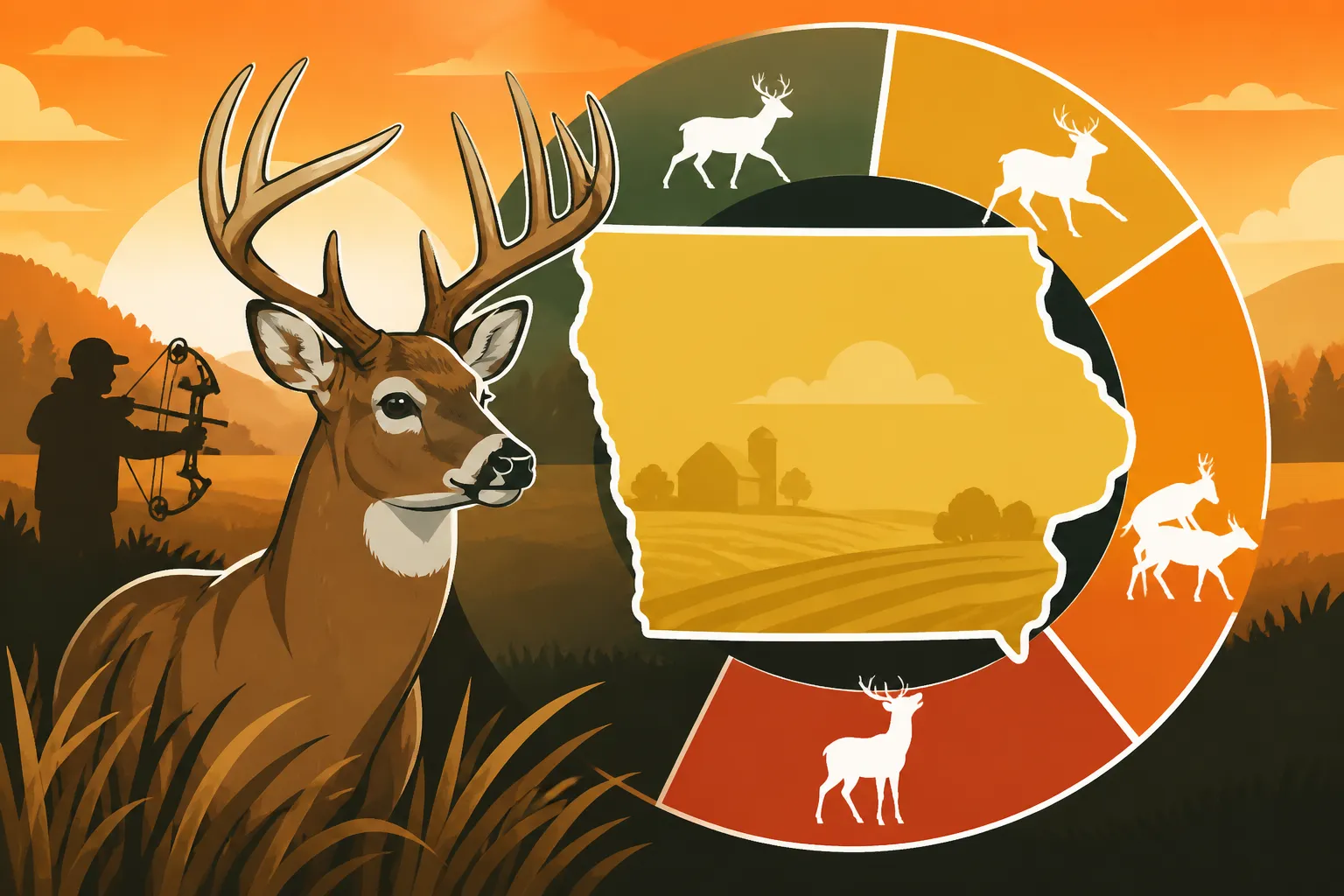
Here's a quick overview of the rut phases and what to expect:
| Rut Phase | Approximate Dates (Iowa) | Primary Deer Behavior | Optimal Hunting Strategy |
|---|---|---|---|
| Pre-Rut | Mid-October to Early November | Bucks rub, scrape, spar, cruising for first estrus does. | Aggressive calling (rattling, grunting), decoys, travel corridors. |
| Peak Rut | Early to Mid-November | Intense chase, breeding, "lock-down" with estrus does. | All-day sits, persistence, focus on dense cover where does hide. |
| Post-Rut | Mid-November to Early December | Bucks recovering, secondary rut for unbred does. | Focus on high-calorie food sources, thick thermal cover. |
Disclaimer
Hunting is an inherently unpredictable activity. This information is intended to provide general guidance and education. Always consult the official Iowa Department of Natural Resources regulations before hunting and prioritize safety above all else. Local conditions and deer behavior can vary.