Prescribed Burns and Hunting Closures
It's incredibly frustrating when you've painstakingly scouted a piece of public land, perhaps even found that perfect funnel or bedding area, only to show up for your hunt and discover it's closed off for a prescribed burn. That feeling of wasted time and dashed hopes is real, and it can throw a wrench into your carefully laid plans. This guide is here to help you understand why prescribed burns are a vital part of Iowa's hunting landscape and, more importantly, how you can stay informed to avoid those unwelcome surprises and even leverage these ecological efforts for better hunting.
Understanding Prescribed Burns in Iowa's Ecosystem
Prescribed burns, often referred to as controlled burns, are a deliberate and carefully managed use of fire on a specific area of land. While it might look destructive at first glance, especially to a hunter eager to hit the timber, these burns are an essential tool for maintaining and improving wildlife habitat across Iowa.
Why Iowa Uses Prescribed Burns
Iowa's landscape has been shaped by fire for millennia. Before extensive farming and fire suppression, natural fires, often started by lightning or Native Americans, regularly swept through prairies and woodlands. These fires played a crucial role in shaping the plant communities that thrived here. Today, the Iowa Department of Natural Resources (DNR) and other land management agencies replicate these natural processes through prescribed burns.
The primary goal of these burns is habitat improvement. By removing dead vegetation, invasive species, and dense undergrowth, prescribed fires encourage the growth of native grasses, wildflowers, and woody browse that are essential food sources for deer, turkeys, pheasants, and other wildlife. This means more nutritious forage for deer, better nesting cover for turkeys and pheasants, and improved access to food and shelter for a variety of game. They also help control diseases by breaking up dense stands of brush where ticks and other parasites might thrive. Ultimately, it’s about creating a healthier, more diverse ecosystem that supports robust wildlife populations, which translates to better hunting opportunities down the line. You can see how the DNR manages these areas to support healthy populations, much like understanding Iowa Deer Herd Management and Harvest.
Types of Areas Where Burns Occur
Prescribed burns are conducted on various types of public and even some private lands throughout Iowa. You'll commonly encounter them on state-managed properties such as Wildlife Management Areas (WMAs), State Forests, and tracts enrolled in the Iowa Habitat and Access Program (IHAP). These are areas specifically designated for wildlife habitat and public recreation, including hunting.
For example, large timber tracts in southern Iowa, like those within Stephens State Forest or Shimek State Forest, might see burns to promote oak regeneration or thin out undesirable species. In northern Iowa, prairie and grassland WMAs are frequently burned to maintain native prairie ecosystems for pheasants and quail. Even smaller, scattered IHAP parcels, often a mix of timber and grassland, might undergo burns to enhance their habitat value. It's not just about fire in vast open fields; burns are applied strategically in timber draws, creek bottoms, and CRP fields to achieve specific habitat goals. Knowing that these burns happen across the state is key to understanding Public Hunting Land in Iowa.
How Prescribed Burns Affect Hunting Access
The immediate thought for many hunters when they hear "prescribed burn" is usually "closed." And while that's often true for a short period, the full impact on hunting access is a bit more nuanced, ranging from immediate temporary closures to long-term benefits that reshape your hunting strategy.
Immediate Closures and Safety Zones
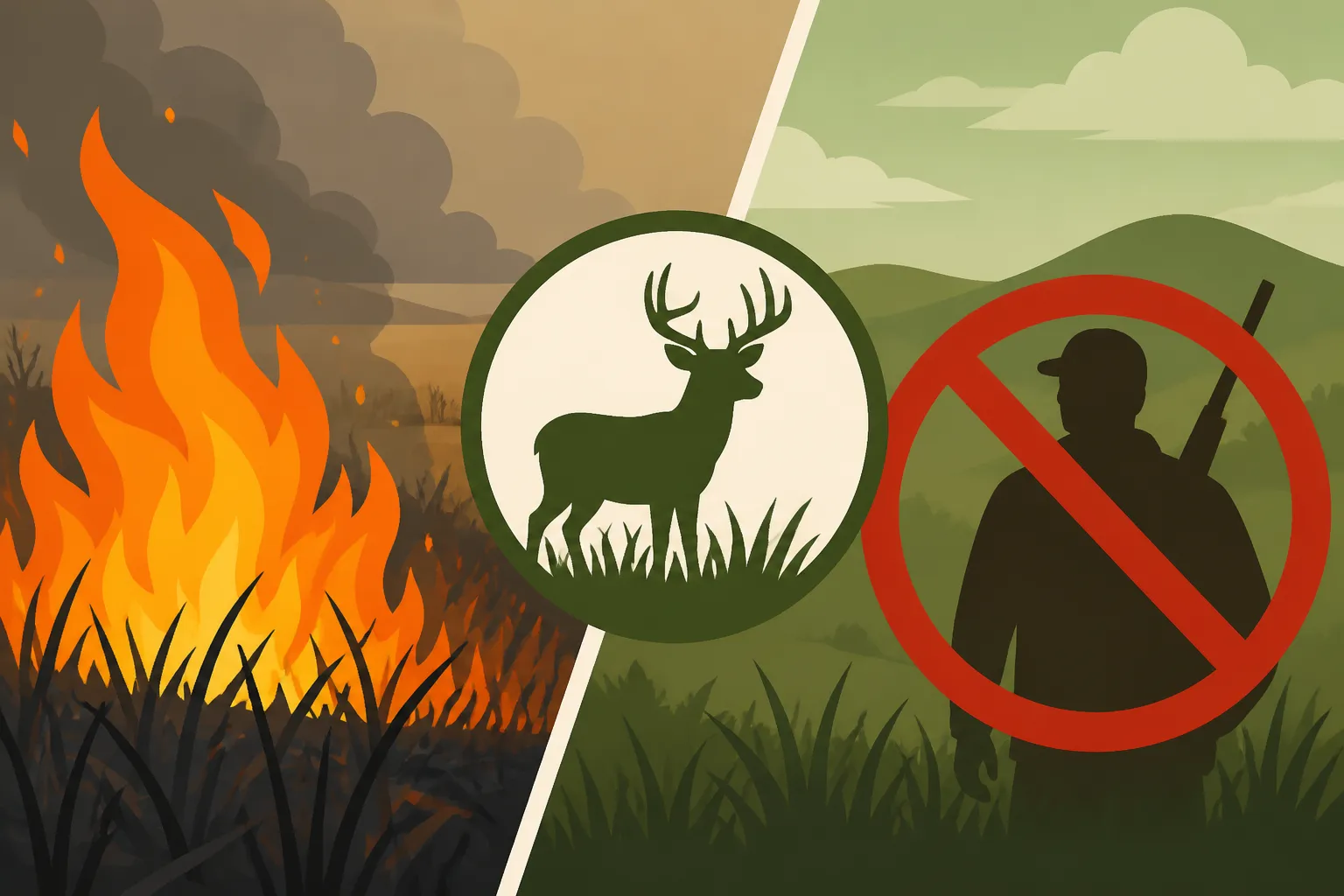
When a prescribed burn is actively happening, or even being prepared for, safety is the absolute top priority. This means that areas undergoing burns, and often adjacent sections, will be temporarily closed to public access. These closures are not just about the active flames; they account for potential hazards like falling snags, lingering hot spots that could flare up, smoke plumes that reduce visibility, and unstable ground conditions after a fire. Fire crews and DNR personnel need clear access and a safe working environment.
Imagine hiking into your favorite timber patch only to encounter active smoke or a smoldering log. It’s not only dangerous but also disrupts the management process. These closures are typically well-marked with signs, and official announcements are made. Ignoring these closures can put you in harm's way and interfere with crucial habitat work. It's a short-term inconvenience for a long-term gain in the ecosystem's health and hunting quality.
Short-Term Impact on Game and Hunter Experience
Immediately after a burn, the landscape can look quite stark. Charred earth, blackened timber, and seemingly barren fields might make a hunter think the area is "ruined" for the season. And it's true, deer and other game often temporarily relocate from the immediate burn zone during and shortly after the event. They'll move to adjacent unburned cover, deeper timber, or nearby private lands. This can certainly impact your hunting experience for a few weeks or even a month or two following a significant burn.
However, this initial "scarred" appearance is deceptive. While the ground might be black, the roots of native plants are often unharmed, and the flush of new growth that emerges is incredibly nutritious and attractive to deer. Think of it as hitting the reset button. The immediate aftermath might be tough for hunting, but within weeks, tender green shoots will emerge, drawing deer back to graze. Pheasants might initially be displaced, but new, vigorous nesting cover will be ready for the following spring. Hunting Pressure Patterns on Iowa Public Land can already shift deer around, and a burn can amplify that short-term displacement.
Long-Term Habitat Benefits for Hunters
This is where the real magic of prescribed burns for hunters comes into play. While the short-term inconvenience is undeniable, the long-term benefits are substantial and directly improve hunting success. Burns remove old, decadent vegetation, allowing sunlight to reach the forest floor and stimulate the growth of desirable forbs, grasses, and young browse plants that deer crave. This increases the carrying capacity of the land, meaning it can support more healthy animals.
For example, a burn in a timber stand can reduce dense understory, making it easier for hunters to move quietly and improving visibility. It can also create distinct edges and clearings that deer use for feeding and travel. For upland bird hunters, burns rejuvenate old, matted grasslands, creating vital nesting cover and bugging areas for young poults and chicks. Over time, burned areas become prime hunting spots because they offer superior food, cover, and travel corridors. When you’re trying to understand Why Iowa Grows Trophy Whitetails, habitat management through practices like prescribed burns is a huge part of the answer. By the next season, or even later in the current season, that "burnt out" area could become a hot spot.
Staying Informed About Burn Schedules and Closures
The key to navigating prescribed burns as a hunter is to stay informed. Don't let a closure catch you off guard. With a little proactive research, you can anticipate burns, plan alternative hunts, and even seek out areas that have recently benefited from this habitat work.
Official Iowa DNR Resources
Your absolute best source for information on prescribed burns and hunting closures is the official Iowa Department of Natural Resources (DNR) website and their local offices. The DNR typically posts burn schedules and notices of closures on their specific WMA or State Forest web pages. They might also issue press releases or social media updates, especially for larger, more impactful burns.
It’s a good practice to regularly check the websites for the specific public lands you intend to hunt. Many WMAs have dedicated pages where local biologists or technicians will update conditions and closures. Don't hesitate to call the regional DNR office or even the specific WMA manager directly if you have questions about a particular area. They are usually more than happy to provide current information and discuss management plans. This proactive approach can help you plan your access routes, especially if you're trying to figure out Access Routes That Do Not Bump Deer.
Using Mapping Apps for Public Land Information
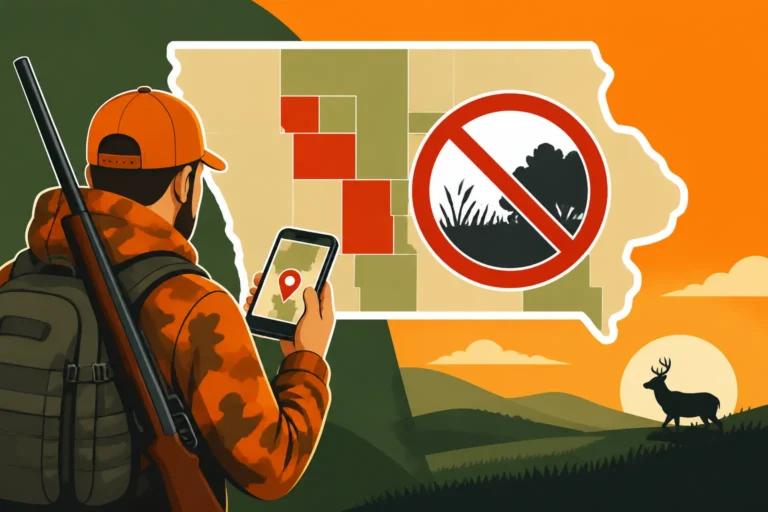
Modern mapping applications are invaluable tools for public land hunters, and they can certainly help you stay ahead of burn-related closures. While apps like onX Hunt or GoHunt might not always have real-time burn updates, they are exceptional for identifying public land boundaries, parcel ownership, and topographical features that can help you scout and plan.
You can use these apps to pinpoint specific WMAs or IHAP tracts you're interested in, then cross-reference that with DNR websites for burn notices. If a burn is announced for a large WMA, you can quickly see which specific sections might be affected and use the app to identify alternative nearby public lands or different sections of the same area that remain open. While these apps excel at showing you where the public land is, always remember to verify access status through official DNR channels. They are fantastic for e-scouting, helping you with Reading Aerial Imagery for Bedding Cover or Scouting Iowa Public Land Before the Opener, but burn closures require a specific check.
Tips for Planning Around Burns
Planning around prescribed burns requires a bit of foresight. Here are some actionable tips:
- Monitor Early: Prescribed burns are often conducted in the spring (March-May) before nesting season and in the fall (September-November) after crops are out and before heavy snows. Keep these windows in mind and start checking DNR resources well in advance of your planned hunts.
- Have a Backup Plan: Always have a secondary or even a tertiary hunting location in mind, especially for public land hunts. If your primary spot is closed due to a burn, having another option will save you a lot of frustration. This is especially true when planning for popular seasons like Iowa First and Second Shotgun Seasons.
- Contact Local Biologists: DNR wildlife biologists and technicians are incredibly knowledgeable about their specific areas. A quick phone call can often give you insights into upcoming burn plans, areas that were recently burned, and even which areas might be seeing the best new growth post-burn.
- Embrace the Post-Burn Environment: Don't write off a burned area completely. While the immediate aftermath might be tough, within weeks or months, new growth will emerge, creating highly attractive food sources. Later in the season, or the following year, these spots can become incredible hunting locations as deer flock to the regenerated forage. For example, a burn might rejuvenate an area for Late-Season Food Source Hunting in Iowa by creating a flush of desirable browse.
Here's a quick overview of how prescribed burns generally impact hunting:
| Aspect | Immediate Impact (During/Right After Burn) | Short-Term Impact (Weeks to Months Post-Burn) | Long-Term Impact (Next Season & Beyond) |
|---|---|---|---|
| Hunting Access | Closed for safety | Potentially reduced; temporary displacement of game | Improved access due to reduced undergrowth |
| Game Presence | Game evacuates burn area | Game returns to new growth and regenerating cover | Increased game density due to enhanced habitat |
| Hunter Experience | Frustrating due to closure | Challenging, but potential for new patterns emerges | Often improved success rates and healthier game |
| Vegetation/Habitat | Charred, seemingly barren | Flush of nutritious new growth; invasive species die | Diverse, resilient habitat with increased forage/cover |
| Scouting | Difficult/impossible | Identify new food plots, bedding areas, travel routes | Excellent for identifying new patterns and hot spots |
In the end, while prescribed burns can be a temporary inconvenience, they are a vital tool in Iowa's wildlife management toolbox. They ensure healthier habitats and more robust game populations, leading to better hunting for all of us in the long run. By staying informed and understanding their purpose, you can turn a potential frustration into an opportunity to learn and adapt your hunting strategies, ultimately becoming a more successful and knowledgeable Iowa hunter.
Disclaimer
This article is for general informational purposes only and does not constitute professional advice. Laws, prices and regulations vary by location and change over time. Consult a qualified professional for guidance on your specific situation.