Iowa Public Land Baiting Rules
It's easy to feel like you need a law degree just to understand all the hunting regulations, and nowhere is that feeling stronger than when you start digging into baiting rules. Many hunters, especially those new to exploring the vast public lands here in Iowa, worry about accidentally breaking a rule or misinterpreting what's allowed. This guide is here to clear up the confusion surrounding Iowa's public land baiting rules, helping you hunt confidently and legally.
Understanding Iowa's General Baiting Regulations
Before we dive specifically into public land, it’s crucial to grasp the foundational principles of baiting regulations in Iowa. The Iowa Department of Natural Resources (DNR) takes baiting quite seriously, primarily due to concerns about fair chase ethics and the potential for concentrating deer, which can accelerate the spread of diseases like Chronic Wasting Disease (CWD). The definition of baiting itself is where many hunters get tripped up, and it's far broader than simply dumping a pile of corn.
What Constitutes "Bait" in Iowa?
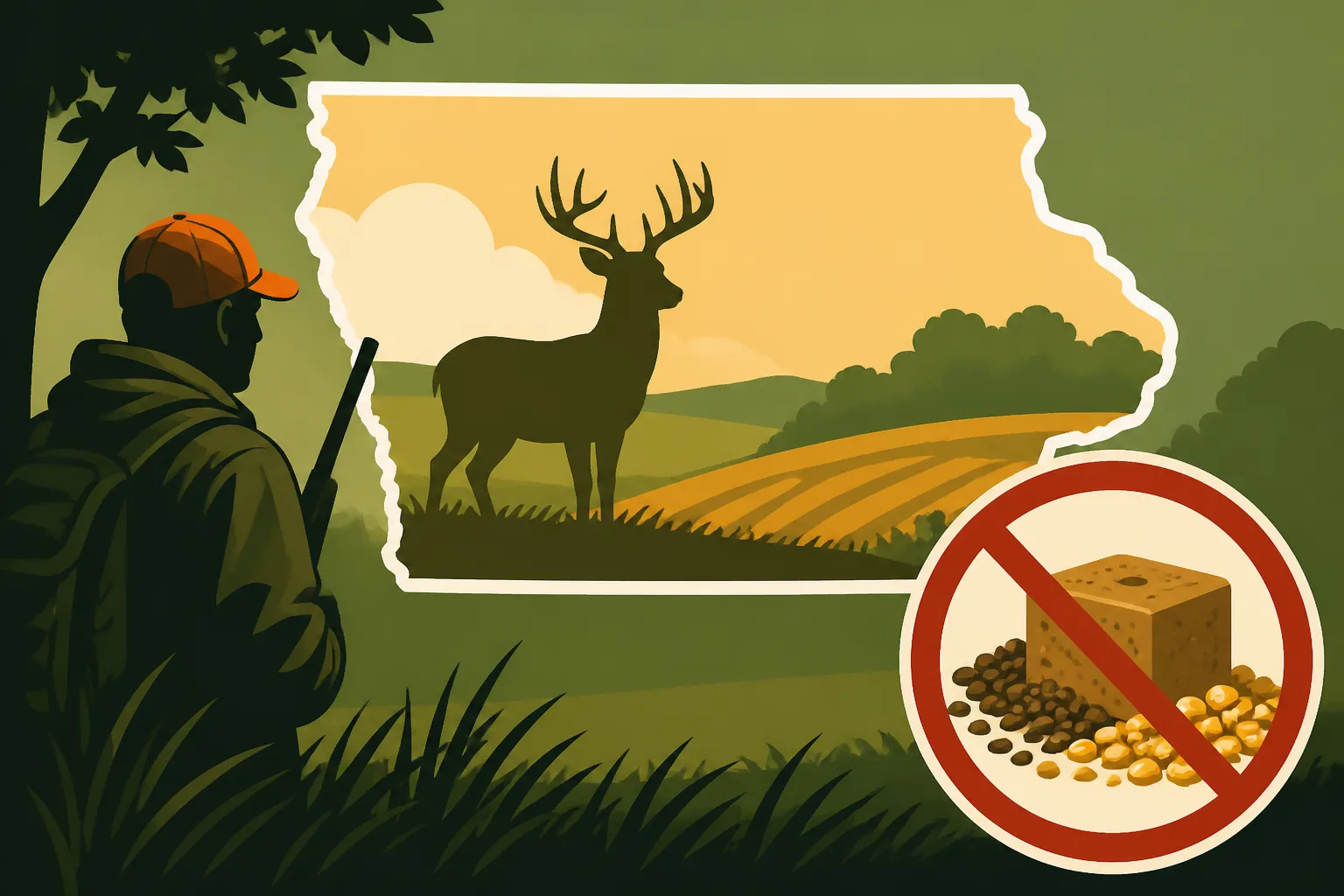
The term "bait" refers to any substance that is consumed by wildlife and is used to attract deer or other game. This includes things you might think of right away, like shelled corn, apples, mineral blocks, or food plots not established as part of normal agricultural practices. It's not just about direct feeding; if you're placing anything on the ground or in a feeder that attracts deer and they eat it, that's generally considered bait. The intent doesn't even have to be malicious; simply having attractive feed present can be enough to constitute a violation.
Think about it this way: if you bring it in, and it's not a natural part of the landscape you're hunting, it's probably bait. This is a critical distinction, especially for those who might come from states with different regulations. It's not about making hunting harder, but about preserving the integrity of the hunt and the health of our deer herds. This applies to both private and public ground, though the specifics differ dramatically.
Why Do Baiting Regulations Exist?
The reasons behind Iowa's strict baiting laws are multifaceted and important. First and foremost, there's the ethical consideration of "fair chase." Many hunters believe that baiting gives an unfair advantage, reducing the challenge and skill involved in locating and harvesting an animal. It moves closer to "shooting over a feedlot" rather than truly hunting a wild animal.
Beyond ethics, and perhaps even more pressing for wildlife managers, is the concern over disease transmission. When deer congregate unnaturally at a bait site, they share saliva, urine, and feces, creating a perfect environment for diseases like CWD to spread rapidly. Chronic Wasting Disease in Iowa Deer is a real concern for our herd, and anything that exacerbates its spread is actively discouraged. Baiting also makes deer more susceptible to poaching, as their movements become predictable. These regulations are in place to protect the deer herd, ensure ethical hunting, and maintain a healthy ecosystem for all Iowans.
Specific Rules for Public Land Baiting
Now, let's get right to the heart of the matter for public land hunters. The rules for public land are even stricter, and for good reason. Public hunting areas are shared resources, and maintaining fair chase and disease prevention is paramount.
Is Baiting Allowed on Iowa Public Land?
The short answer is a resounding NO. Baiting is generally prohibited on all public hunting lands in Iowa. This includes state-owned wildlife management areas (WMAs), state forests, county conservation areas, and federal lands open to hunting. The expectation on public ground is that you are hunting truly wild, free-ranging animals based on their natural movements and patterns, not by attracting them to a specific spot with supplemental feed.
This can be a tough pill to swallow for some, especially if they're used to baiting on private land in other states, or even on private land back home in Iowa where the rules can be different. But the reasoning is sound: public land needs to offer an equitable experience for all hunters, and allowing baiting would create an unfair advantage for those who could afford or manage to put out bait. It would also concentrate deer in ways that could negatively impact habitat and increase disease risk in areas where many different hunters and animals interact.
The "Clean" Landscape Expectation
When you're hunting public land, the expectation is that you leave it as you found it, with no artificial attractants present. This means no mineral blocks, no piles of corn, no apples scattered about, and no food plots unless they are specifically planted and managed by the Iowa DNR or other public land managers as part of a habitat improvement project. These managed food plots are part of the natural food chain of the area and not a personal baiting effort. For clarity on specific public areas, always check the Iowa DNR website or the regulations for that particular parcel. Using tools like onX Hunt can be incredibly helpful for clearly identifying public land boundaries and avoiding any unintentional encroachment or rule violations, especially when hunting close to private property that might have different rules. Using the Iowa DNR Hunter Atlas can also be a game-changer for understanding access and regulations specific to each tract.
Consequences of Public Land Baiting
Violating baiting regulations on public land can lead to severe consequences. These aren't just minor infractions; they are taken seriously by conservation officers. You could face significant fines, forfeiture of your hunting license, and even confiscation of your equipment. Beyond the legal penalties, there's the ethical stain of not upholding fair chase principles, which can damage your reputation among fellow hunters. Nobody wants to be that hunter who broke the rules and put our deer herd at risk. It's simply not worth the gamble.
Alternatives to Baiting for Success on Public Land
So, if you can't bait, how do you find success on Iowa's public lands? The answer lies in honing your traditional hunting skills, understanding deer behavior, and effectively using scouting and woodsmanship to your advantage. This is where the true challenge and reward of public land hunting come alive!
Master Scouting and Stand Placement
Instead of relying on bait to bring deer to you, focus on finding where deer naturally want to be. This means extensive scouting, both online and in the field. Spend time studying aerial maps, topo maps, and satellite imagery to identify key features like bedding areas, travel corridors, and natural food sources. Look for pinch points, saddles, creek bottoms, and timber edges that deer use to move between cover and food. Reading Aerial Imagery for Bedding Cover is an excellent starting point for this.
Once you've identified potential spots, get out there and boots-on-the-ground scout. Look for fresh deer sign: tracks, rubs, scrapes, and droppings. Understand the wind and thermals in these areas, as they will dictate your approach and stand placement. Wind and Thermals in River Breaks play a huge role in how deer use the landscape, especially in varied terrain. Your goal is to intercept deer as they go about their daily routines, not to lure them off course. This methodical approach is far more rewarding and sustainable.
| Scouting Method | Description | Key Benefits |
|---|---|---|
| E-Scouting | Using digital maps (e.g., onX Hunt) to identify habitat, access, and cover |
Saves boots-on-the-ground time, identifies overlooked areas, plans access routes |
| Boots-on-the-Ground | Physically walking the property, looking for fresh sign and understanding terrain | Confirms e-scouting observations, reveals current deer patterns, finds specific stand trees |
| Trail Cameras | Strategic placement (where legal on public land) on scrapes or travel corridors | Identifies active deer, provides buck inventory, helps pattern movement |
| Post-Season Scouting | After hunting season, locating shed antlers and identifying winter food sources | Reveals buck core areas, unpressured bedding, and late-season food sources |
Focus on Natural Food Sources
Iowa's landscape, even on public land, often provides abundant natural food. Deer are creatures of habit, and they will gravitate towards the most appealing and nutritious food available. This could be acorns in a mature oak timber, leftover soybeans or corn in adjacent agricultural fields (where you have legal access and permission), or browse in thick clearcuts.
During early archery season, deer might be focused on lush alfalfa or clover. As fall progresses, acorns become a huge draw, and later in the season, standing corn or picked bean fields offer crucial sustenance. Knowing the local agriculture and timber types is vital. Late-Season Food Source Hunting in Iowa is all about understanding what's left for deer to eat when the temperatures drop. Your job as a hunter is to find these natural food sources and then determine the most likely travel routes deer will use to get to them.
Embrace Mobile Hunting Strategies
For many public land hunters, especially those who can't leave stands up overnight or for extended periods (always check specific WMA or forest rules for this!), mobile hunting is the key to success. Techniques like Mobile Saddle Hunting in Iowa allow you to quickly move and set up a treestand or ground blind based on fresh sign or changing conditions. Being able to adapt on the fly, moving your setup a few hundred yards to intercept a new deer movement pattern, is far more effective than sticking to a fixed, unproductive spot.
This means carrying lighter gear, being efficient with your setup, and not being afraid to try new locations. It’s about being a predator, constantly adjusting to your prey. Whether you're using a lightweight hang-on stand with climbing sticks or a saddle, the ability to be nimble and responsive to deer activity is a significant advantage when you can't rely on bait to bring the deer to you. It's a challenging, rewarding way to hunt that truly tests your woodsmanship.
Disclaimer
This article is for general informational purposes only and does not constitute professional advice. Laws, prices and regulations vary by location and change over time. Consult a qualified professional for guidance on your specific situation.