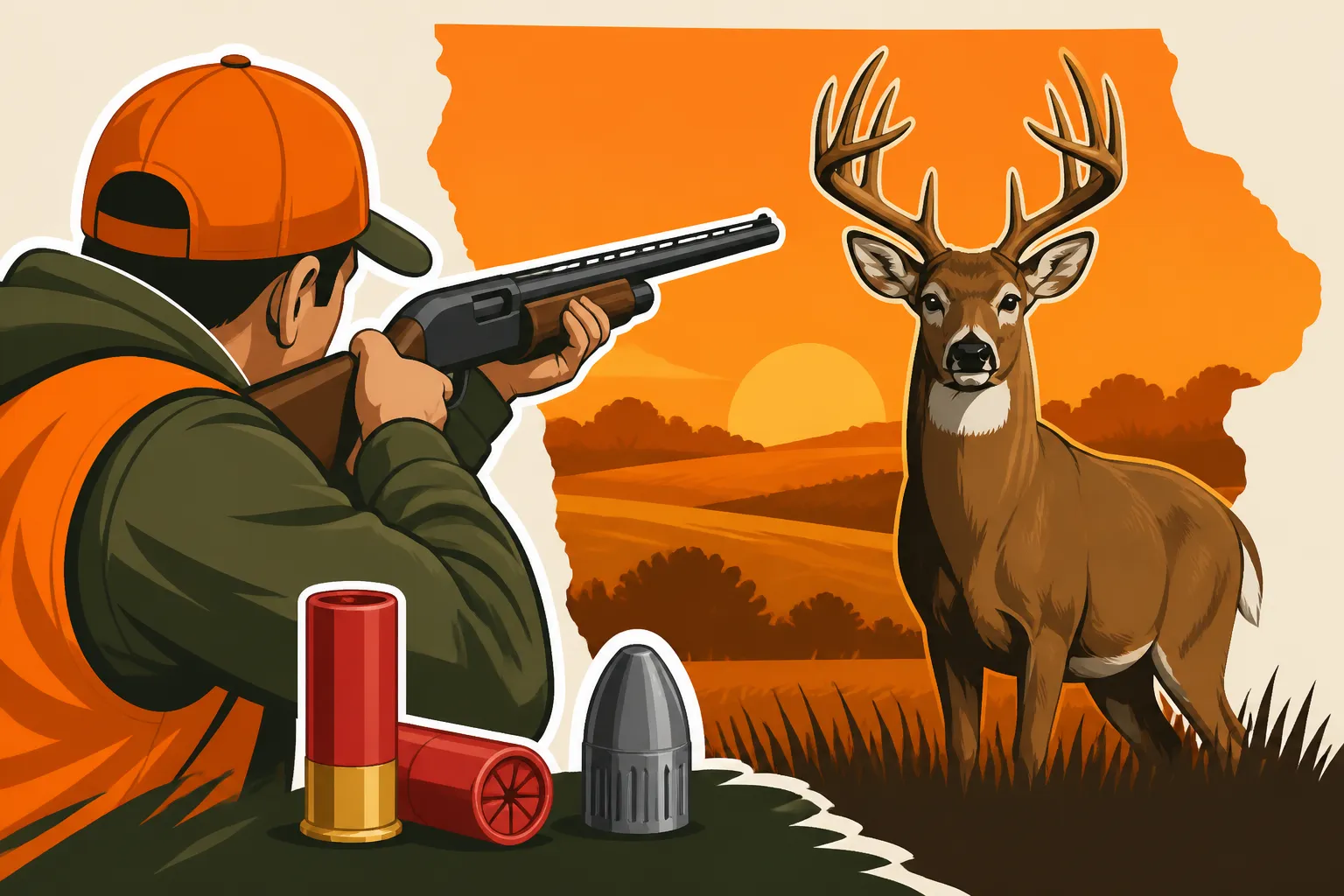
Shotguns and Slugs for Iowa Deer
There's nothing quite like the crisp autumn air of an Iowa deer season, but for many hunters, the complexities of navigating shotgun-only zones and choosing the right slugs can feel more daunting than tracking a mature buck. You've probably stood in the ammo aisle, staring at dozens of slug options, wondering if your trusty smoothbore is truly up to the task, or if investing in a rifled barrel and expensive sabots is the only way to fill your tag. This guide is here to cut through the confusion, helping you understand Iowa's shotgun regulations and confidently select, prepare, and hunt with your shotgun to put venison in the freezer.
Understanding Iowa's Shotgun Season Regulations
Iowa, with its rich agricultural landscape and relatively dense population, has long relied on shotguns as a primary deer hunting tool during its most popular gun seasons. This isn't just a tradition; it's a carefully considered regulatory decision aimed at safety in areas where long-range rifle shots could pose risks to homes and livestock. Navigating these rules is your first step to a successful hunt.
Legal Shotgun Gauges and Barrel Lengths
When it comes to legal firearms for deer hunting in Iowa's shotgun seasons, the rules are pretty straightforward, but it's crucial to get them right. Essentially, you're looking at shotguns with a minimum barrel length that complies with federal law – typically 18 inches. Anything shorter than that, unless properly registered as a short-barreled shotgun, is a definite no-go. For gauges, the most common and universally accepted options are the 12-gauge and 20-gauge, which make up the vast majority of shotguns you'll see in the deer woods. While other gauges like the 16-gauge or .410 might technically be able to fire a slug, their performance for deer hunting, especially at ethical ranges, isn't generally recommended, and you'll find far fewer slug options available for them. The emphasis in Iowa is on controlled, effective shots within a reasonable distance, and the 12 and 20 gauge platforms are perfectly suited for that. You can get a much deeper dive into the specifics of Iowa Legal Shotgun Gauges for Deer if you want to leave no stone unturned.
Many hunters will use their existing waterfowl or upland bird gun, perhaps swapping out a choked barrel for a dedicated slug barrel if they have one, or simply using their smoothbore with the right slug. The important thing is ensuring your chosen firearm is designed for single projectile use, as opposed to buckshot or birdshot, which are generally prohibited for deer during these seasons.
Ammunition Restrictions for Slugs
This is where things get really specific and can sometimes trip up new hunters or those coming from states with different regulations. Iowa is strict about using "single projectile" ammunition for deer during the shotgun seasons. What exactly does that mean? It means you can't use buckshot, even if it's considered legal in other states. Your ammunition must consist of one solid projectile, designed to humanely harvest a deer.
This single projectile rule is why slugs are the only game in town. There are no minimum weight or composition restrictions that you often find with centerfire rifle bullets, but the intent is clear: use a heavy, single projectile that delivers significant energy for a quick, ethical kill. The slugs themselves are typically made of lead or a lead alloy, and while there are some newer copper or composite options on the market, the vast majority you'll encounter will be traditional lead slugs. Always double-check your box of ammunition to ensure it clearly states "slug" and not "buckshot" to avoid any unpleasant surprises from a conservation officer.
Season Dates and Zones Where Shotguns are Primary
Iowa's deer seasons are a bit of a dance, with different weapon types taking center stage at various times. For shotguns, they are the undeniable stars of the show during the highly popular and often bustling First and Second Shotgun Seasons. These seasons typically fall in December, after the archery and early muzzleloader periods, and they are prime time for many hunters, especially those who participate in party hunting or deer drives.
These shotgun seasons cover the vast majority of the state. Unlike some other states that might have specific "rifle zones" or "shotgun zones" with distinct boundaries, Iowa's approach is more generalized, making shotguns the default during these primary gun seasons across nearly all counties. However, it's always, always wise to check the current year's hunting regulations booklet or the Iowa DNR website. Season dates can shift slightly year to year, and while rare, specific local exceptions or rule updates can occur. Knowing precisely when and where you can legally carry your shotgun for deer is foundational. You'll definitely want to keep track of the specific Iowa First and Second Shotgun Seasons dates as they are released annually. This ensures you're geared up and ready to hit the woods at the right time.
The Great Slug Debate: Sabot vs. Foster
Once you've got your shotgun and understand the regulations, the next big question gnawing at every Iowa deer hunter is: "Which slug should I use?" This isn't just a matter of preference; it's a decision that dramatically impacts your effective range, accuracy, and overall hunting experience. The world of shotgun slugs is generally divided into two main camps: sabot slugs and Foster (or "rifled") slugs. Understanding the differences is critical for making an informed choice.
Sabot Slugs and Rifled Barrels
Sabot slugs are, in many ways, the closest a shotgun can get to rifle performance. The word "sabot" (pronounced "SAY-bow") comes from the French word for "shoe." In this context, it refers to a plastic sleeve or cup that encases a smaller, typically hourglass-shaped projectile. This plastic sabot engages the rifling in a dedicated rifled shotgun barrel, imparting a spin to the projectile as it travels down the barrel. Once the slug exits the muzzle, the sabot falls away, leaving the aerodynamically superior slug to continue its flight with greater stability and accuracy.
This design allows for several key advantages:
- Accuracy: When paired with a quality rifled barrel and the right ammunition, sabot slugs can achieve accuracy comparable to some centerfire rifles out to 100-150 yards, sometimes even further. This is a game-changer for hunters in areas with more open fields or longer shooting lanes.
- Extended Range: The improved ballistics mean a flatter trajectory and less energy loss at distance, extending your ethical shooting range significantly beyond what a traditional Foster slug can offer.
- Variety of Projectile Designs: Sabots often encapsulate bullets designed for controlled expansion, similar to modern rifle bullets, leading to excellent terminal performance on deer.
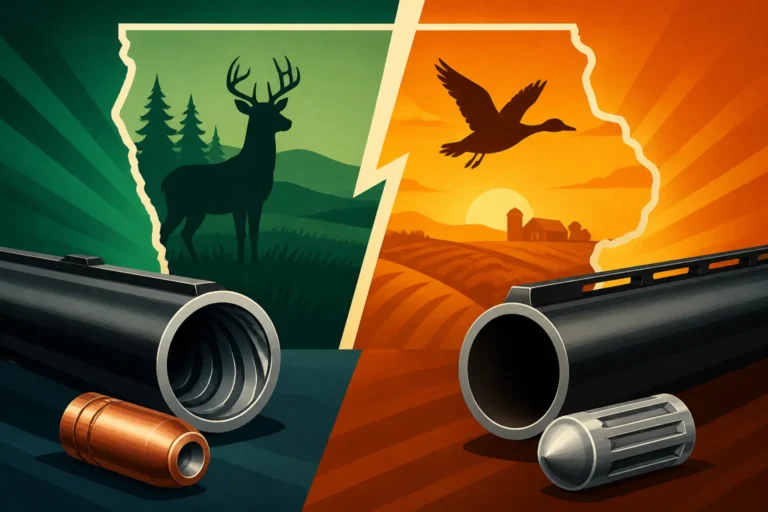
However, there's a catch: sabot slugs require a rifled barrel to perform correctly. Firing a sabot slug through a smoothbore barrel will typically result in very poor accuracy, as the sabot cannot engage nonexistent rifling to stabilize the projectile. For hunters serious about maximizing their shotgun's range and precision, a dedicated rifled slug barrel is an absolute must, and many find the investment well worth it. You'll quickly discover that the market for rifled barrels has really evolved, offering options that can turn your ordinary pump or semi-auto into a deer-dropping machine. Understanding the distinction is crucial, and a more detailed look at Rifled Barrels Versus Smoothbore Slugs can help you make an informed decision on gear.
Foster Rifled Slugs and Smoothbore Barrels
On the other side of the spectrum, we have the venerable Foster slug, often simply called a "rifled slug" due to the angled grooves on its exterior. This is the classic shotgun slug, invented by Karl Foster in the 1930s, and it's what most people picture when they think of a slug. Unlike sabot slugs, Foster slugs are designed to be fired through smoothbore shotgun barrels – the kind you'd typically use for bird hunting.
The "rifling" on a Foster slug is a bit of a misnomer; it doesn't actually impart spin. Instead, these grooves are there for two primary reasons:
- Flexibility: They allow the lead slug to compress and deform slightly as it passes through various choke constrictions in the barrel, preventing damage to the barrel (though heavy chokes are still not recommended).
- Aerodynamics: They move the center of pressure forward, helping the slug fly nose-forward, similar to how a shuttlecock flies.
Foster slugs are characterized by a hollow base, which shifts the center of gravity forward. When fired, the gas pressure expands the skirt of the hollow base, helping to seal the bore and center the slug.
Their key characteristics include:
- Simplicity: They work in any standard smoothbore shotgun, making them an accessible and affordable option for many hunters.
- Close-Range Power: At shorter distances (typically under 75 yards), Foster slugs deliver a tremendous amount of energy, creating large wound channels.
- Cost-Effective: They are generally much less expensive per round than sabot slugs.
The primary drawback of Foster slugs is their limited accuracy and range. Due to their less aerodynamic design and lack of true spin stabilization, their trajectory drops off quickly, and accuracy beyond 75-100 yards becomes highly unpredictable. For hunting in dense timber or brush where shots are always close, they are perfectly adequate and effective. However, for open field scenarios, they simply cannot compete with sabot slugs for precision.
Understanding Ballistics and Trajectory Differences
The choice between sabot and Foster slugs boils down to one major factor: ballistics and effective range. This isn't just about how far the bullet can travel, but how accurately and ethically it can deliver energy to a deer at that distance.
Consider the trajectory:
- Sabot Slugs: When sighted in for 100 yards, a typical sabot slug might rise a few inches at 50 yards and drop perhaps 6-8 inches at 150 yards. This relatively flat trajectory makes estimating holdover much simpler and allows for greater confidence at extended ranges. They maintain velocity and energy much better. A modern sabot slug paired with a good optic can truly make your shotgun feel like a short-range rifle.
- Foster Slugs: In contrast, a Foster slug sighted in at 50 yards might be 3-4 inches high at 25 yards and drop a foot or more by 100 yards. The "rainbow" trajectory requires very precise range estimation and can make shots beyond 75 yards extremely challenging, even for skilled shooters. Their energy also dissipates faster. This steep drop-off is why knowing your maximum ethical range is so critical with a smoothbore and Foster slugs.
A good way to visualize this difference is to imagine the hunting scenarios. If you're hunting thick creek bottoms and timber in southern Iowa, where most shots are under 50 yards, a smoothbore with Foster slugs is a perfectly viable and economical choice. However, if you're hunting open crop fields or along long timber edges in northern Iowa, and you anticipate shots out to 100 yards or more, the sabot slug in a rifled barrel becomes a far more reliable and ethical option. Knowing these ballistics will directly influence your setup and your confidence in the field.
| Feature | Sabot Slugs | Foster Slugs (Rifled Slugs) |
|---|---|---|
| Barrel Type | Requires Rifled Barrel | Designed for Smoothbore Barrel |
| Accuracy | Excellent (up to 150+ yards) | Good (up to 75-100 yards) |
| Effective Range | Longer (100-150+ yards) | Shorter (under 100 yards) |
| Trajectory | Flatter, more like a rifle bullet | More pronounced drop, "rainbow" trajectory |
| Projectile Design | Smaller, aerodynamic bullet encased in plastic | Large, hollow-base lead projectile with exterior grooves |
| Recoil | Can be significant, especially in 12 gauge | Significant, often perceived as heavier |
| Cost | Generally more expensive | More affordable |
| Best Use | Open fields, longer shots | Dense timber, close-range shots |
Optimizing Your Shotgun for Accuracy
Hitting what you're aiming at is, well, kind of important when hunting deer. While a shotgun might not be known for pinpoint precision like a bolt-action rifle, with the right setup and a bit of effort, you can make it surprisingly accurate. In Iowa, where deer tags can be precious and opportunities fleeting, maximizing your shotgun's accuracy is paramount.
Rifled Barrels: The Key to Sabot Accuracy
If you've decided that the extended range and flatter trajectory of sabot slugs are what you need for your Iowa hunts, then a rifled barrel is your absolute best friend. This isn't just an accessory; it's a fundamental change that transforms your shotgun into a highly capable deer-specific firearm.
A dedicated rifled slug barrel has helical grooves cut into the bore, just like a rifle barrel. These grooves spin the sabot-encased projectile, stabilizing it in flight and leading to dramatically improved accuracy. You'll find these barrels come in a few configurations:
- Fully Rifled Barrels: These barrels are rifled from breach to muzzle. They often feature cantilever mounts for optics, meaning the scope mount is integrated into the barrel itself. This is fantastic because it means your scope always stays perfectly aligned with the barrel, even if you remove and reattach the barrel to the receiver (which is common for cleaning or transport). This type of setup truly unlocks the full potential of sabot slugs.
- Rifled Choke Tubes: Some smoothbore barrels can accept rifled choke tubes. While these can impart some spin and improve accuracy over a purely smoothbore, they generally don't offer the same level of precision as a fully rifled barrel because the slug isn't spun for the entire length of the bore. They can be a cost-effective upgrade for existing smoothbore shotguns if you're looking for a slight boost in performance without buying a whole new barrel.
When choosing a rifled barrel, consider the length that works for your hunting style. Shorter barrels (around 20-22 inches) are handier in thick cover, while slightly longer ones might offer marginally better velocity. The key is to ensure it's specifically designed for your shotgun model and gauge. Investing in a good quality rifled barrel, perhaps from brands known for their slug gun components, will pay dividends in confidence and accuracy in the field. This upgrade, especially with a cantilever mount, essentially gives you a dedicated slug gun.
Scopes and Optics for Shotgun Hunting
Gone are the days when a bead sight was sufficient for shotgun deer hunting. With the accuracy potential of modern slugs, especially sabots, a good scope is practically a necessity. Iron sights or ghost ring sights can work for very close-range shots, but for anything beyond 50 yards, optics will give you a significant advantage.
When selecting a scope for your slug gun, here are some considerations:
- Magnification: You don't need a high-power rifle scope. Low to moderate magnification is ideal. Something in the 1-4x, 2-7x, or 3-9x range is perfect. A 1-4x or 2-7x scope offers a wide field of view at lower power for quick target acquisition in thick woods, while still providing enough magnification for precise shots at 100-150 yards. Many hunters appreciate a broad field of view when tracking a deer that might be moving through timber, allowing them to quickly get on target.
- Durability: Shotguns, especially 12-gauges firing slugs, generate significant recoil. You need a scope that's built to withstand that punishment. Look for scopes designed for heavy recoil or specifically marketed as "slug gun scopes."
- Eye Relief: Generous eye relief is important to prevent the scope from contacting your brow under recoil.
- Mounting: Use high-quality, sturdy rings and bases. If your rifled barrel has a cantilever mount, that's often the best solution. If you're mounting to the receiver, make sure the mount is rock solid. Loose scope mounts are a common culprit for accuracy issues.
- Zeroing: Take the time to properly zero your slug gun at the range. For sabot slugs, 100 yards is a good starting point. For Foster slugs, 50 yards is more appropriate. Always confirm your zero before the season and practice shooting from various field positions. Remember, Sighting In Before Shotgun Season is not just a suggestion; it's a crucial step that can mean the difference between a clean kill and a missed opportunity. This meticulous preparation is vital for maximizing your chances.
A red dot sight can also be an excellent option for close-range hunting, offering fast target acquisition and an uncluttered sight picture, especially in low light or dense cover.
Ammunition Selection and Testing
This is arguably the most critical step in optimizing your shotgun's accuracy. Unlike rifles, where many different brands of ammunition might shoot similarly well, shotguns are notoriously finicky with slugs. What shoots like a laser in one gun might pattern like a blunderbuss in another identical model.
Here’s the golden rule: you must test different brands and types of slugs in your specific shotgun.
- Buy a Variety: Purchase several different brands and projectile weights of sabot slugs (if using a rifled barrel) or Foster slugs (if using a smoothbore). Don't just grab one box and assume it's the best.
- Range Time: Head to the range with your chosen slugs and a solid rest. Shoot at least 3-5 groups with each type of slug at your intended zero range (e.g., 50 or 100 yards). Pay close attention to group size.
- Consistency is Key: Look for the slug that consistently produces the tightest groups. Even if one brand averages slightly larger groups but has a flyer in every box, it's less reliable than a brand that consistently groups a bit wider but with no flyers.
- Document Everything: Keep notes on which slugs performed best. You might be surprised at the difference between brands. Once you find a slug your gun loves, buy a sufficient supply of that specific lot number, if possible, as manufacturers can sometimes change components slightly.
This process can be a bit expensive and time-consuming, but it's an investment in ethical hunting and success. There's nothing more frustrating than missing a deer because your gun isn't sighted in or doesn't like the ammo you're using. Many seasoned Iowa hunters will tell you that finding the "right" slug for your gun is almost as important as finding the right hunting spot. You can even find specific recommendations for Best Slug Loads for Iowa Deer if you want a starting point, but always verify with your own testing. And for those looking to verify their zero, understanding Zeroing a Slug Gun at Fifty Yards is a fundamental skill.
Caliber Choices: 12 Gauge vs. 20 Gauge for Deer
When it comes to slug guns for deer in Iowa, the 12-gauge and 20-gauge shotguns dominate the landscape. Both are highly effective for deer, but they offer distinct advantages and disadvantages that can influence a hunter's choice. This isn't just about raw power; it's about balancing recoil, shooter comfort, and terminal performance.
The Power of the 12 Gauge
The 12-gauge shotgun is often seen as the undisputed king of deer slugs, and for good reason. It offers the heaviest slugs, translates to maximum kinetic energy, and delivers a powerful punch.
Here's why many hunters lean towards the 12-gauge:
- Sheer Energy: A 12-gauge slug typically weighs significantly more than a 20-gauge slug. This greater mass, combined with respectable velocities, means the 12-gauge delivers a substantial amount of energy on impact. This translates to effective transfer of energy to the deer, leading to quick, ethical kills when shot placement is good.
- Larger Wound Channel Potential: While shot placement is always paramount, the larger diameter of a 12-gauge slug generally creates a larger initial wound channel, which can be advantageous for internal damage and blood trailing.
- Ammunition Variety: The 12-gauge market is vast, offering an incredible array of slug designs and brands, both sabot and Foster. This wide selection increases your chances of finding a specific load that your shotgun absolutely loves, making the ammunition testing process potentially more fruitful.
However, this power comes with a trade-off: recoil. A 12-gauge slug gun can kick like a mule, especially with magnum loads. For experienced shooters or those not bothered by recoil, it's a non-issue. But for recoil-sensitive individuals or younger hunters, it can be a significant deterrent and lead to flinching, which destroys accuracy. Still, for many, the confidence of the 12-gauge's stopping power is worth managing the recoil. You might want to consider the specifics of Recoil From a Twelve Gauge Slug if you're sensitive or new to slug hunting.
The Nimble 20 Gauge and Recoil Management
For years, the 20-gauge was often considered the "smaller" or "less powerful" option, but modern ammunition advancements have truly elevated its status as a highly effective deer slayer. Many hunters are now discovering the distinct benefits of the 20-gauge.
Here are its key advantages:
- Reduced Recoil: This is, without a doubt, the biggest selling point of the 20-gauge. While it still kicks, the recoil is noticeably less severe than a 12-gauge, especially with sabot slugs. This makes it far more comfortable to shoot, allowing for more practice, greater accuracy, and less flinching. For youth hunters, women, or anyone sensitive to recoil, the 20-gauge can be a game-changer.
- Faster Follow-Up Shots: Less recoil translates to less muzzle rise, making it easier to stay on target and potentially take a quick, accurate follow-up shot if needed. This can be particularly beneficial in fast-paced hunting scenarios like deer drives.
- Lighter and More Maneuverable: 20-gauge shotguns and their ammunition are generally lighter than their 12-gauge counterparts. This makes them easier to carry through dense cover, quicker to shoulder, and more nimble in a tight treestand or ground blind.
- Excellent Terminal Performance: Modern 20-gauge sabot slugs are incredibly effective. While they carry slightly less energy than a 12-gauge, the projectiles are designed to expand reliably, creating impressive wound channels and delivering ample energy for humane kills. They are far from underpowered.
The only real "disadvantage" is the slightly lower kinetic energy compared to a 12-gauge. However, within ethical slug gun ranges (up to 150 yards with sabots), a well-placed 20-gauge slug is more than capable of harvesting any Iowa whitetail.
Deciding Between Gauges: Factors to Consider
The choice between a 12-gauge and 20-gauge isn't about one being "better" than the other; it's about finding the best fit for you and your hunting style in Iowa.
Here's a breakdown of factors to weigh:
- Shooter Comfort and Confidence: This should be at the top of your list. A hunter who is comfortable with their firearm and confident in their ability to shoot it accurately will always be more successful than one flinching behind a cannon. If the thought of heavy recoil makes you hesitant, the 20-gauge is likely the better choice.
- Anticipated Shot Distances: If you exclusively hunt thick timber where shots are rarely beyond 75 yards, a 12-gauge smoothbore with Foster slugs is perfectly effective. If you hunt more open country and want the option for 100-150 yard shots, both gauges with rifled barrels and sabot slugs are capable, but the 20-gauge might offer a more pleasant shooting experience.
- Physical Stature: Smaller-framed hunters, youth, or those with shoulder issues might find the 20-gauge much more manageable.
- Versatility: If you primarily use your shotgun for other game (e.g., waterfowl or upland birds) and only occasionally convert it for deer, consider which gauge best suits your primary needs.
- Availability of Ammunition and Barrels: Both gauges have excellent availability of ammunition and dedicated slug barrels. GoHunt often has great resources for finding specific ammo or even for understanding regional preferences for specific gauges.
Ultimately, the best way to decide is to try shooting both if possible. Many shooting ranges offer rental shotguns, or perhaps a friend has one you can try. Feel the recoil, assess your accuracy, and choose the one that instills the most confidence. A well-placed slug from a 20-gauge will always be more effective than a poorly placed slug from a 12-gauge.
Recoil Management and Shooter Comfort
Let's be honest: shooting slugs out of a shotgun, especially a 12-gauge, can be a jarring experience. The recoil can be stout, leading to flinching, poor accuracy, and a generally unpleasant time at the range. But don't let that intimidate you! With the right strategies and gear, you can effectively manage recoil and improve your comfort and accuracy, turning your slug gun into a pleasant and highly effective deer hunting tool.
Taming the Beast: Recoil Pads and Stocks
One of the most immediate and effective ways to reduce felt recoil is to improve the interface between you and the shotgun. This primarily comes down to your stock and, more specifically, the recoil pad.
- Aftermarket Recoil Pads: Many factory recoil pads are simply not up to the task of taming slug gun recoil. Investing in a high-quality aftermarket recoil pad can make a world of difference. Brands specialize in advanced recoil absorption technology, featuring materials and designs that dramatically spread out the recoil impulse over a longer period, making it feel less sharp and punishing. Swapping out a factory pad for a premium one is often the single best upgrade you can make for shooter comfort.
- Adjustable Stocks: Some modern shotguns, or aftermarket stock systems, offer adjustable length of pull and comb height.
- Length of Pull (LOP): Ensuring the stock is the correct length for your body is crucial. A stock that's too short can make the gun feel "kickier" and cause the buttstock to dig into your shoulder. A stock that's too long makes it hard to mount the gun quickly and correctly. Proper LOP allows the recoil to be distributed evenly against your shoulder.
- Comb Height: An adjustable comb allows you to get a perfect cheek weld, ensuring your eye is perfectly aligned with your scope. This prevents you from lifting your head to see through the optic, which can lead to poor form and increased felt recoil.
- Weight of the Gun: Physics dictates that heavier guns absorb more recoil. A heavier slug barrel or even adding some weight to the stock can help reduce felt recoil. While you don't want an unnecessarily heavy gun for lugging through the woods, a moderately weighted shotgun will often be more comfortable to shoot.
Don't underestimate the impact of these components. A shotgun that fits you well and has a good recoil pad will not only be more comfortable but will also allow you to shoot more accurately because you won't be anticipating the pain.
Proper Shooting Technique for Shotguns
Gear can only do so much; your technique plays an equally vital role in managing recoil and achieving accuracy. Many of the principles for shooting a rifle apply directly to a slug gun.
- Stance: Adopt a stable, slightly forward-leaning stance. For right-handed shooters, your left foot should be slightly forward. This allows your entire body to absorb the recoil, rather than just your shoulder. You want to be "leaning into" the gun.
- Mount: Consistently mount the shotgun firmly into your shoulder pocket. Don't let the buttstock rest on your biceps or too far out on your collarbone. A solid, consistent mount ensures the recoil is distributed across the broad part of your shoulder, where it can be best absorbed. Your cheek should be firmly against the comb, establishing a consistent cheek weld.
- Grip: Maintain a firm but not white-knuckle grip on both the forend and the pistol grip. The front hand helps control muzzle rise, while the rear hand helps pull the stock firmly into your shoulder.
- Breathing and Trigger Control: Just like with a rifle, proper breathing and a smooth, deliberate trigger pull are essential. Don't snatch the trigger or jerk the gun. Focus on a smooth press straight to the rear.
- Follow-Through: After the shot breaks, continue to hold the gun firmly in position and maintain your sight picture. This helps mitigate the effects of recoil and prepares you for a potential follow-up shot if necessary.
Practicing these fundamentals at the range, even with lighter loads (like birdshot, if permitted on your range for practice), will build muscle memory and confidence. The goal is to make the shooting process smooth and repeatable, reducing the tendency to flinch.
Practice Makes Perfect: Drills and Range Time
You simply cannot achieve proficiency with a slug gun without dedicated practice. Many hunters make the mistake of firing a few shots to sight in their gun, wincing through each one, and then putting it away until opening day. This is a recipe for flinching and poor performance in the field.
- Start Small, Build Up: If recoil is a major concern, start your practice sessions with lighter birdshot or low-recoil deer slugs, if available for your gauge. This allows you to focus on form and technique without the full recoil penalty. Once you're comfortable and consistent, gradually move up to your hunting loads.
- Consistent Range Sessions: Don't just go once a year. Try to get to the range a few times before the season. Even 10-15 rounds per session can make a significant difference.
- Shoot from Hunting Positions: While bench rest shooting is excellent for initial sighting in and testing ammunition, practice shooting from positions you'll likely encounter in the field:
- Off-hand (standing): For quick, close-range shots.
- Kneeling: A stable intermediate position.
- Sitting: Often from a stool or the ground, good for still hunting.
- From a Treestand/Blind: Simulate shots from an elevated position or through a blind window. This is critical as your body mechanics change.
- Dry Firing: Dry firing (practicing trigger control without live ammunition) is an excellent, free way to improve your technique and eliminate flinching without any recoil. Ensure your shotgun is unloaded and pointed in a safe direction.
By combining the right equipment (good recoil pad, proper stock fit) with sound technique and consistent practice, you can transform your slug gun into a comfortable and incredibly accurate tool for harvesting Iowa deer. This confidence is invaluable when that trophy buck steps out.
Practical Hunting Scenarios and Tactics
Knowing your shotgun and slugs inside and out is one thing, but applying that knowledge effectively in the diverse landscapes of Iowa is another. Shotguns shine in certain hunting scenarios, and understanding these can help you maximize your success during the season.
Shotgun Season Drives in Small Timber
During Iowa's highly anticipated shotgun seasons, especially the First and Second Shotgun seasons, deer drives are a common and effective tactic, particularly in smaller timber blocks or thick cover. Shotguns, with their excellent close-range stopping power, are perfectly suited for these fast-paced, often chaotic, and adrenaline-fueled events.
In a deer drive, a group of "drivers" walks through a section of cover, pushing deer towards "standers" positioned strategically on the downwind side or at escape points. Here's why shotguns are ideal:
- Close-Range Encounters: Deer busted from cover are often moving quickly and presenting close-range shot opportunities. A slug gun is designed for exactly this.
- Quick Target Acquisition: In dense timber, a deer might only be visible for a few seconds. A shotgun, especially with a low-power scope or red dot, allows for rapid aiming and firing.
- Safety in Numbers: When hunters are working in a line, knowing that your firearm has an effective range limit is a huge safety advantage. This allows standers to be positioned more closely and helps ensure that slugs stay within the intended hunting area, even if a shot goes astray. Party Hunting Rules and Safe Drives emphasizes the critical importance of safety protocols during these events, as multiple hunters moving and shooting necessitates clear communication and strict adherence to rules. You absolutely must know your zone of fire and stick to it.
- Brush Busting Power: While slugs aren't "brush busters" in the sense that they magically clear branches, their heavy mass generally allows them to punch through light brush better than small-caliber rifle bullets, often deflecting less. However, it's always best to have a clear shot.
When participating in a drive, communication is paramount. Know where other hunters are, stick to your lane, and identify safe shooting lanes well in advance. Wear plenty of blaze orange, both as a driver and a stander, as this is often a mandatory safety requirement during Iowa's gun seasons. The Iowa DNR's Iowa Party Hunting Rules are quite specific, detailing how groups can hunt together and how tags are used, which is something every participant needs to understand.
Still Hunting and Stand Hunting with a Shotgun
While deer drives are popular, shotguns are also highly effective for more solitary hunting methods like still hunting or stand hunting. These methods demand patience and precision, and your shotgun can certainly rise to the occasion.
- Still Hunting: This involves moving very slowly and deliberately through cover, stopping frequently to observe and listen. A shorter, lighter 20-gauge shotgun might be preferred here due to its maneuverability. Focus on making quiet movements, using available cover, and always being ready to shoulder your gun quickly. Shotguns excel in thick timber where shots are measured in yards, not hundreds of yards. You can effectively cover dense bedding areas or creek bottoms where deer feel secure.
- Stand Hunting (Treestands or Ground Blinds): Many Iowa deer hunters prefer to hunt from a fixed position, either an elevated treestand or a ground blind, overlooking food sources, travel corridors, or pinch points.
- Treestands: A shotgun in a treestand requires careful consideration of shot angles. Because slugs are designed for close-range power, they perform very well on steep quartering-away or broadside shots from an elevated position. Always practice shooting from an elevated stand before the season to understand how steep angles affect your point of aim.
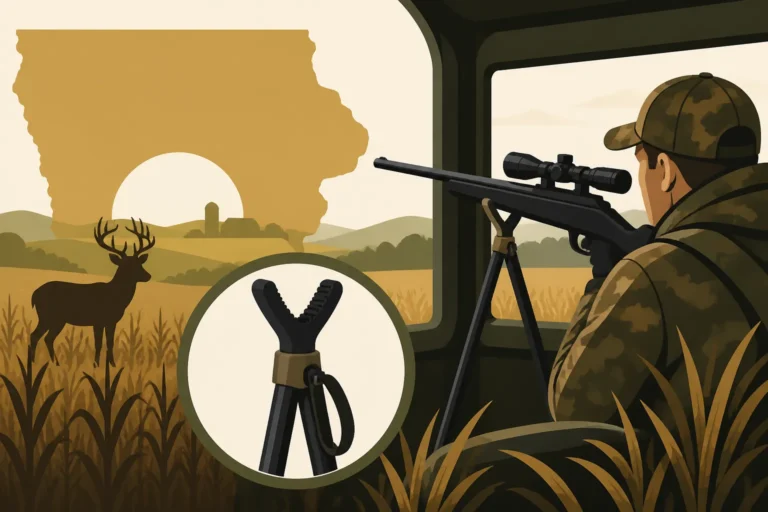
- Ground Blinds: Ground blinds offer excellent concealment and scent control, making them ideal for hunting field edges or open areas where deer might be feeding. Here, the challenge is typically limiting movement inside the blind and being able to comfortably aim out the windows. Using shooting sticks or a bipod from a blind can greatly improve stability for those crucial shots.
The key to success with these methods is scouting. Scouting Iowa Timber and River Bottoms is paramount, as understanding deer movement patterns, bedding areas, and feeding locations will put you in the right spot for that close-range encounter where your shotgun truly shines. Your shotgun, whether a 12 or 20 gauge, will be a silent partner, ready for the moment of truth.
Understanding Effective Range and Shot Placement
Regardless of your chosen slug type or hunting method, two concepts are non-negotiable for ethical deer hunting: knowing your shotgun's effective range and committing to precise shot placement.
- Effective Range: This isn't just about how far a slug can travel, but how far you can consistently and accurately hit a vital area on a deer, ensuring a humane kill.
- Smoothbore (Foster Slugs): For most hunters, the ethical effective range with a smoothbore and Foster slugs is typically 50-75 yards. Beyond this, trajectory drop becomes significant, and accuracy rapidly degrades.
- Rifled Barrel (Sabot Slugs): With a quality rifled barrel and sabot slugs, effective ranges can extend to 100-150 yards, and for some highly proficient shooters, even a bit further. However, your personal effective range is determined by your ability to shoot consistently tight groups at that distance. Never attempt a shot beyond what you've confidently practiced and know you can make under hunting conditions. Many resources discuss Slug Range Limits on a Deer Drive, which are often more conservative due to the dynamic environment.
- Shot Placement: A slug's power is wasted if it doesn't hit the vitals. For deer, the primary target area is the lung-heart region.
- Broadside: Aim for the "crease" behind the shoulder, slightly low, to hit the heart and both lungs.
- Quartering-Away: This can be an excellent angle, aiming for the opposite shoulder pocket to penetrate both lungs.
- Frontal: Generally discouraged due to heavy bone structure and potential for non-lethal hits, but if taken, aim directly for the chest.
- Never Quartering-To or Rear: These angles offer poor vital exposure and a high risk of wounding the animal.
Practice shooting at life-sized deer targets to truly understand vital placement. Always pass on questionable shots, no matter how big the buck is. It's far better to wait for a better opportunity than to risk wounding an animal. The fundamental rule for ethical hunting, regardless of weapon, is a clean, quick kill, and this is achieved through knowing your limits and executing perfect Shot Placement on a Whitetail at Twenty Yards. GoHunt often shares diagrams and articles on this exact topic to help hunters visualize the internal organs and make smart shot choices.
Maintenance and Care for Your Deer Shotgun
Your shotgun is more than just a tool; it's an investment and a trusted companion in the field. Proper maintenance and care will ensure its reliability, longevity, and continued accuracy, year after year. Iowa's weather can be unpredictable, from crisp, dry autumn days to cold, wet December hunts, making routine care even more crucial.
Cleaning Your Shotgun After a Hunt
After a day in the field, especially if it was wet, muddy, or dusty, a thorough cleaning is non-negotiable. Skipping this step can lead to rust, corrosion, and diminished performance over time.
Here's a basic cleaning routine:
- Safety First: Always, always ensure your shotgun is unloaded before you begin cleaning. Visually inspect the chamber and magazine tube.
- Disassemble (Field Strip): Follow your shotgun's owner's manual for proper field stripping. This usually involves removing the barrel, forend, and sometimes the bolt assembly.
- Clean the Barrel:
- Patch with Solvent: Push a patch soaked in a quality bore solvent through the barrel from the breach end (if possible) to the muzzle. Let it sit for a few minutes to break down carbon and copper fouling.
- Brush: Follow with several passes of a bore brush (bronze or nylon, appropriate for your gauge).
- More Solvent & Patches: Repeat the solvent-soaked patches until they come out clean.
- Dry Patch: Finish with a dry patch.
- Light Oil: Apply a very light coat of gun oil to the inside of the barrel with another patch.
- Clean the Receiver and Bolt:
- Use a brush, rags, and solvent to remove any carbon, dirt, or debris from the bolt face, bolt carrier, and inside the receiver. Pay close attention to any areas that cycle or move.
- Wipe down with clean rags.
- Apply a thin layer of gun oil to all moving parts and friction surfaces.
- Clean Exterior Surfaces: Wipe down all exterior metal surfaces with a lightly oiled cloth to prevent rust. This includes the barrel, receiver, and magazine tube.
- Wipe Down Stock/Forend: If your stock is wood, a furniture polish or light wood oil can protect it. Synthetic stocks simply need a wipe down with a damp cloth and then drying.
A good cleaning doesn't just keep your gun looking nice; it prevents malfunctions and maintains accuracy.
Barrel and Choke Tube Care
Specific attention is needed for barrels, especially if you're using a rifled slug barrel or a smoothbore with interchangeable choke tubes.
- Rifled Barrels: Fouling can build up in the rifling, affecting accuracy. Use a good bore brush and solvent, ensuring you get into the grooves. Copper fouling can be a particular issue with sabot slugs, so a copper solvent may be necessary from time to time.
- Smoothbore Barrels with Chokes: If you hunt with a smoothbore and use a choke tube for slugs (e.g., an improved cylinder or slug choke), always remove, clean, and lightly grease the threads of the choke tube and the barrel before reinserting. This prevents the choke from seizing in the barrel due to corrosion or carbon buildup, a common problem if neglected. Avoid shooting slugs through tight chokes like full or modified, as this can damage the barrel.
Keeping your barrel clean and free of excessive fouling is paramount for consistent accuracy, particularly if you're relying on those tight groups from your sabot slugs.
Storage and Off-Season Preparation
Once the season is over, or even between hunts, proper storage is crucial.
- Long-Term Storage:
- Perform a thorough cleaning, as described above.
- Apply a slightly heavier, but still thin, coat of rust-preventative gun oil to all metal surfaces, inside and out.
- Store your shotgun in a dry, temperature-controlled environment. Avoid storing it in a soft gun case for extended periods, as these can trap moisture and promote rust. A hard case or a gun safe is ideal. If using a gun safe, consider a dehumidifier rod to control humidity.
- Ready for Next Season: A few weeks before the next deer season, pull your shotgun out, give it a light cleaning to remove any excess storage oil, and inspect it thoroughly. Check all screws (scope rings, stock bolts) to ensure they are tight. Most importantly, take it to the range to confirm your zero. Even if it's been properly stored, things can shift, and you want to be 100% confident in your setup before heading into the woods. A quick check will ensure your first shot counts.
Taking care of your shotgun is a sign of respect for your equipment and the game you pursue. A well-maintained shotgun is a reliable one, giving you the confidence needed to make that ethical shot when the moment arrives.
Disclaimer
This article is for general informational purposes only and does not constitute professional advice. Laws, prices and regulations vary by location and change over time. Consult a qualified professional for guidance on your specific situation.