Which Counties Stephens State Forest Covers
Navigating Iowa's public hunting lands can sometimes feel like solving a complex puzzle, especially when a state forest isn't a single, continuous block of timber but rather spread out in various units. It's a common frustration to see a name like "Stephens State Forest" on a map and then discover it's not quite what you expected. This guide will clarify exactly which counties are home to units of Stephens State Forest, helping you understand its unique footprint and plan your hunting adventures more effectively.
Understanding Stephens State Forest's Reach Across Iowa
Stephens State Forest isn't like some vast, contiguous national forest out west; it's a collection of separate parcels scattered across several counties in south-central and southeast Iowa. This dispersed nature is a critical piece of information for any hunter trying to scout or plan a trip, as it means you might be driving a bit to get between different units, even if they share the same state forest name. It’s less of a single destination and more of a regional opportunity.
The Primary Counties of Stephens State Forest
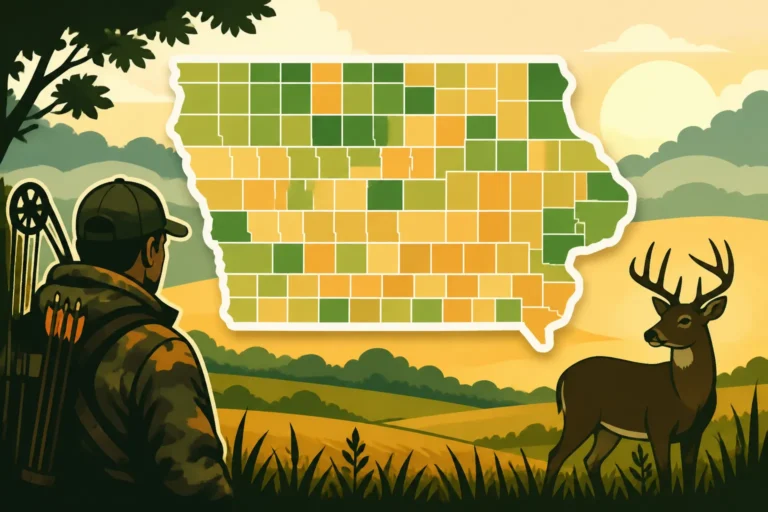
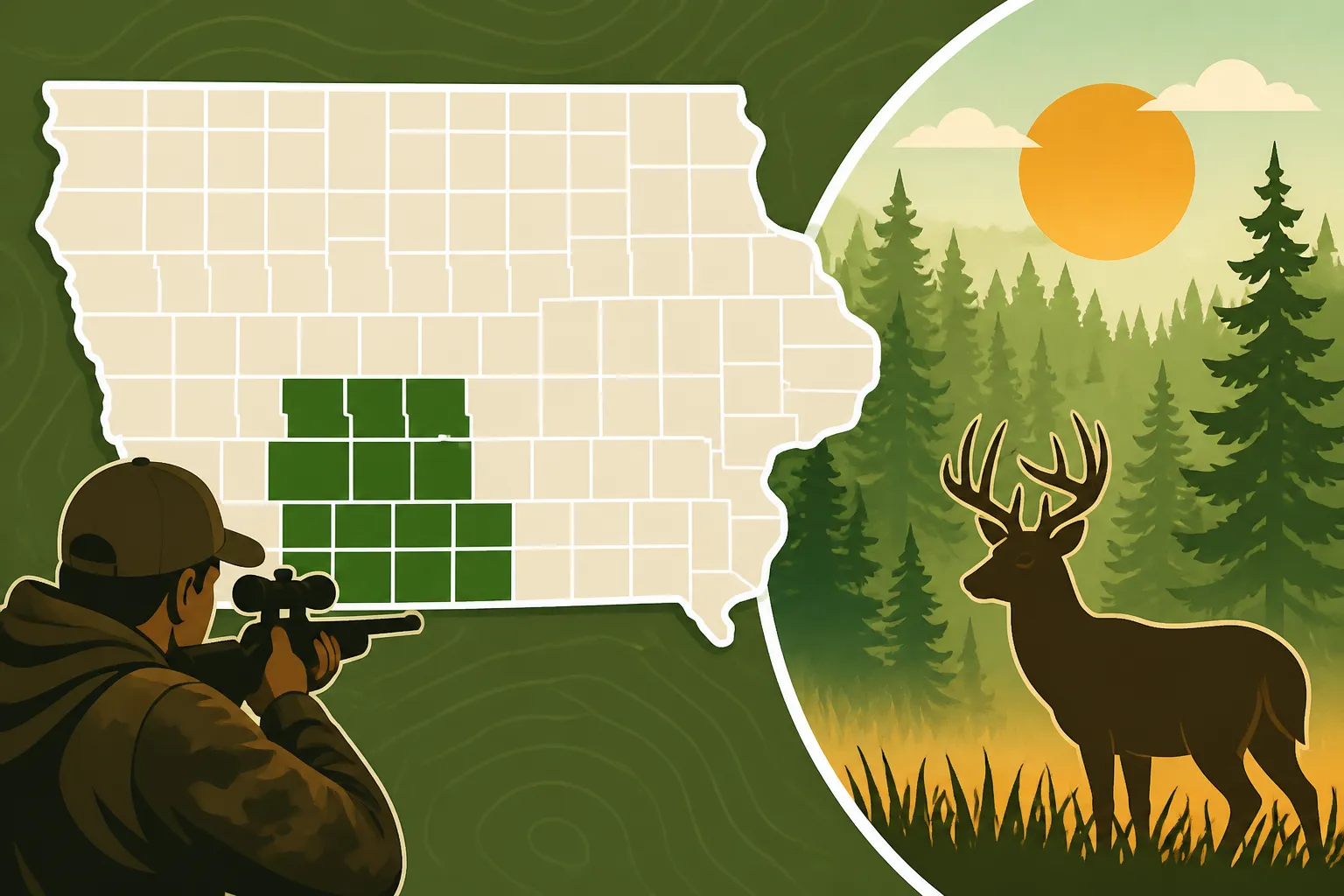
When you're talking about Stephens State Forest, you're primarily looking at land within Lucas, Monroe, Clarke, and Appanoose counties. These four counties hold the bulk of the forest's various units, though you might find smaller, related parcels occasionally spilling just over a county line or two in adjacent areas. It’s a network of timber, really, rather than one big woods.
Think of it like this: instead of one enormous pie, Stephens State Forest is more like several delicious pie slices spread out on different plates across this part of Iowa. One unit might be a few hundred acres in Lucas County, while another, ten miles away, is a similar size in Monroe County. This fragmentation can be both a challenge and an opportunity. A challenge because you can't just walk for miles in one direction, but an opportunity because it often means less concentrated hunting pressure across the entire "forest" name. Each unit essentially becomes its own unique hunting ground, demanding specific scouting and planning. Understanding this geographical reality is the first step to successfully hunting any of these Stephens State Forest units.
Why Dispersed Units Matter for Hunters
The scattered nature of Stephens State Forest fundamentally changes how you approach your hunt. If you're used to sprawling wilderness areas where you can set up a base camp and explore a vast, unbroken tract for days, Stephens will require a different mindset. Instead, you'll be focusing on individual units, each with its own access points, terrain features, and potentially, its own micro-patterns of deer and turkey movement.
For instance, one unit in Clarke County might be dominated by mature oaks and rugged terrain, while another in Appanoose County could have more bottomland timber along a creek, interspersed with small agricultural fields. This diversity within the "forest" name offers a variety of hunting experiences, but it also means that what you learn about deer patterns in one unit might not directly translate to another unit just a few miles away. You’ll need to adjust your Scouting Iowa Timber and River Bottoms strategy for each parcel. Travel time between units becomes a factor, too. What looks like a short distance on a statewide map can easily become a 20-30 minute drive on rural Iowa roads when you factor in getting from one unit's parking area to another. This reality means careful planning and potentially prioritizing certain units based on your scouting and target species.
Exploring the Landscape and Hunting Opportunities within These Counties
The beauty of Stephens State Forest, despite its fragmented nature, lies in the consistent character of the land within these south-central Iowa counties. While the specific layout changes from unit to unit, the general habitat types and the game species they support remain largely the same, making it a reliable destination for traditional Iowa hunting pursuits.
Key Habitat Types and Game Species
The various units of Stephens State Forest are predominantly characterized by mature timber, primarily oak and hickory stands. This forest type is a magnet for whitetail deer and wild turkeys, offering crucial food sources like acorns, as well as dense cover for bedding and roosting. Mixed in with the mature timber, you'll often find younger growth, brushy thickets, and small clearings that provide excellent browse for deer and nesting cover for turkeys. These transition areas between dense timber and more open spaces are often hotspots for deer movement, especially during the rut. Reading an Iowa Timber Draw for Deer Sign can become a key skill here.
Beyond the deer and turkeys, these timbered areas also hold a healthy population of small game. Squirrels are abundant, especially in the oak-hickory stands, and rabbits can be found in the brushy edges and briar patches. While not the primary draw for most hunters heading to Stephens, these small game opportunities can add an extra layer of enjoyment to your outing, particularly if you're looking for a quieter day in the woods or introducing a new hunter to the sport. Stephens State Forest, across all its units, represents classic Iowa timber hunting at its best.
Navigating the Different Units
Successfully hunting Stephens State Forest means becoming proficient at navigating its various units. This isn't a place where you just wander in; you need a plan for each specific parcel you intend to hunt. Modern mapping applications have become absolutely indispensable for this. Tools like onX Hunt, for example, allow you to overlay public and private land boundaries directly onto detailed aerial imagery, clearly delineating the different units of Stephens State Forest. This means you can identify parking areas, walk-in access points, and even potential bedding or feeding areas from the comfort of your home before you ever set foot in the woods.
When you're out in the field, having a reliable GPS-enabled map on your phone or a dedicated GPS unit is crucial. It ensures you stay on public land, which is especially important where state forest units border private farmland, as they often do. You can mark waypoints for potential stand locations, observe historical aerial photos for habitat changes, and track your movement, making return trips much easier. The ability to see exactly where you are in relation to property lines can save you a lot of headache and ensure you're hunting legally and ethically. For any hunter serious about maximizing their time and opportunities in a fragmented area like Stephens, mastering digital navigation is no longer an option, it's a necessity. Finding Property Lines in Iowa is paramount.
Practical Considerations for Hunting Stephens State Forest Units
Hunting any public land requires a good plan, but when you're dealing with fragmented parcels spread across multiple counties like Stephens State Forest, your strategy needs to be particularly dialed in. It's not just about finding a good spot; it's about managing your time, understanding pressure, and using every tool at your disposal.
Planning Your Hunt Across Multiple Counties
When your hunting grounds are scattered, logistics become a bigger piece of the puzzle. If you're planning a multi-day trip, consider where you'll stay. Do you want to find lodging centrally located to several units you're interested in, or are you comfortable driving further between hunts? Fuel efficiency is also a real consideration, especially if you're making multiple trips between units or scouting widely. Before you leave home, identify 2-3 specific units that show promise based on your e-scouting, then rank them. Have a primary unit, but also a backup in a different county in case your first choice is already occupied or doesn't look as good on the ground as it did on the map. This flexibility is key, as Hunting Pressure Patterns on Iowa Public Land can be unpredictable, especially during peak seasons.
Moreover, your scouting strategy needs to reflect the dispersed nature. Instead of trying to cover one giant area, focus on meticulously scouting individual units. Look for key features like pinch points, food sources (acorns, persimmons), bedding cover (cedar thickets, dense regenerating timber), and water sources. Understand that each unit is a distinct micro-environment. A productive approach might be to spend a morning scouting a unit in Lucas County, then drive to a different unit in Monroe County for an afternoon sit, rather than trying to walk the entire perimeter of a single, larger chunk of land. This methodical approach will yield more success than a haphazard wander.
Utilizing Digital Tools for Success
In today's hunting world, digital mapping applications are no longer just a nice-to-have; they're essential, especially on complex public land like Stephens State Forest. Take onX Hunt, for example. Its ability to show precise property lines, landowner names, and various land classifications (like state forest, WMA, etc.) is invaluable. You can zoom in and identify a specific unit of Stephens State Forest, see every boundary, and scout for potential access points that might not be obvious from a simple road map. Want to know if that small finger of timber extends onto public ground or is private? onX Hunt will tell you instantly. You can drop pins for observations, create custom maps, and even save maps for offline use, which is critical in areas with spotty cell service.
While Stephens State Forest itself doesn't involve complex draw odds, broader research platforms like GoHunt can still be useful for general information about Iowa hunting regulations, season dates, or understanding deer herd health trends in the surrounding counties. Knowing these larger trends, even if not specific to a single unit, can help you contextualize your hunt. For instance, understanding Iowa Deer Herd Numbers by County can give you an idea of the overall potential in the Stephens State Forest region. These tools empower you to make informed decisions, minimize surprises, and maximize your hunting time. They allow you to virtually scout a dozen units from your living room, narrowing down your options to the most promising ones before you ever burn a drop of gas.
Common Questions About Stephens State Forest Access
Even with good maps and a solid plan, hunters often have specific questions about public land access, especially in areas like Stephens State Forest that are a patchwork of parcels. Getting clarity on regulations and boundaries is essential for a stress-free and legal hunt.
Are There Specific Regulations for Each Unit?
Generally speaking, the various units of Stephens State Forest operate under the same statewide regulations for hunting deer, turkey, and small game as established by the Iowa Department of Natural Resources (DNR). This means that season dates, weapon restrictions, and bag limits are consistent across all units, regardless of which county they are in. For example, if it's open archery season, you can bowhunt in any open Stephens State Forest unit. However, it's always smart to double-check for any localized rules or temporary closures. Occasionally, a specific unit might have a special management hunt, a temporary closure for timber operations, or unique access restrictions.
The best practice is to always consult the current Iowa Hunting and Trapping Regulations booklet and, if possible, check the Iowa DNR website for any specific announcements regarding the counties or regions where Stephens State Forest units are located. While rare, a brief check can prevent unexpected issues. Remember, staying informed about Iowa Regulation Booklet Release Date is crucial every year, as rules can subtly change.
How Do I Confirm Boundary Lines?
Confirming boundary lines is arguably the most critical aspect of hunting fragmented public land. The consequence of accidentally crossing onto private property can range from a polite warning to a trespassing citation, neither of which you want. Relying solely on physical signs can be risky, as signs can be missing, damaged, or obscured. This is where digital mapping tools truly shine.
As mentioned before, applications like onX Hunt provide high-resolution satellite imagery with clearly marked public and private land boundaries. You can use your phone or GPS device to pinpoint your exact location in real-time relative to these lines. This is far more reliable than eyeballing it or trying to follow old, faded property markers. Before you head into a stand, take a moment to confirm your position on your map. It's also a good habit to look for natural features that align with boundary lines, such as fencelines, creek beds, or changes in timber type, which can provide visual cues to back up your digital map. Always err on the side of caution; if there’s any doubt, move away from the suspected line.
The following table provides a quick overview of the primary counties housing Stephens State Forest units and some general characteristics you might find within them.
| County | Primary Characteristics of Stephens State Forest Units | General Terrain | Main Game Species |
|---|---|---|---|
| Lucas | Diverse mix of mature timber (oak/hickory) and brushy draws. Strong acorn production. | Rolling hills, creek bottoms, some steeper grades. | Whitetail Deer, Wild Turkey, Squirrel |
| Monroe | Similar timber profile to Lucas, often bordering agricultural fields. Good edge habitat. | Gentler slopes, broader creek bottoms, interspersed clearings. | Whitetail Deer, Wild Turkey, Squirrel, Rabbit |
| Clarke | Often features more rugged terrain with dense timber, providing excellent cover. | Hilly, dissected by drainage systems, good for ambush points. | Whitetail Deer, Wild Turkey, Squirrel |
| Appanoose | Timbered ridges and valleys, can be near larger water sources or agricultural mosaic. | Varied, from rolling to moderately steep, good diversity. | Whitetail Deer, Wild Turkey, Squirrel, occasionally Pheasant |
This table is a generalization, and conditions can vary greatly from one unit to the next even within the same county. Always use your mapping tools and boots on the ground to get the most accurate picture of any specific Stephens State Forest unit you plan to hunt.
Disclaimer
This article is for general informational purposes only and does not constitute professional advice. Laws, prices and regulations vary by location and change over time. Consult a qualified professional for guidance on your specific situation.