How Long an Iowa IHAP Contract Runs
Hunting in Iowa can feel like a game of musical chairs when it comes to finding accessible ground. One year, you might have a fantastic private permission, and the next, it's gone. This uncertainty is exactly what the Iowa Habitat and Access Program (IHAP) aims to alleviate, offering hunters dependable walk-in access to private land. But understanding how long these agreements last is crucial for both planning your seasons and appreciating the landowner's commitment. This guide will dive deep into the typical duration of an IHAP contract, what it means for your hunting plans, and how to make the most of this invaluable resource.
Navigating Iowa's Habitat and Access Program (IHAP)
The Iowa Habitat and Access Program, or IHAP, is a brilliant initiative that really bridges a gap for hunters in a state where private land dominates the landscape. For years, finding quality hunting ground has been a constant struggle for many, especially those who don't have family farms or extensive networks. IHAP steps in by leasing hunting rights from private landowners, then opening those lands to public foot traffic for hunting. It's a win-win: landowners get a financial incentive to allow access and manage habitat, and hunters get more places to pursue game without needing individual permission slips.
Think about it: Iowa is renowned for its trophy whitetails and robust pheasant populations, but a significant portion of the prime habitat is on private ground. Before programs like IHAP, if you weren't connected to a landowner, your options were pretty limited to highly pressured state and county lands. This program essentially expands the "public" hunting footprint, giving everyone a better shot at experiencing what Iowa hunting has to offer. It's not just about opening gates; it's about fostering better habitat on these private lands, which ultimately benefits wildlife across the state.
The Core Idea Behind IHAP
At its heart, IHAP is about partnership. It’s the state, through the Iowa Department of Natural Resources (DNR), working directly with private landowners. The DNR identifies areas with good habitat potential or existing quality cover, and then they approach landowners to see if they'd be willing to enroll their property. The landowner agrees to allow walk-in public hunting access for a specified period, and in return, they receive a payment and often technical assistance for habitat improvements. This could be anything from planting native grasses to establishing food plots or managing timber.
For us hunters, this means those often-elusive timber blocks, CRP fields, and creek bottoms that were once private sanctuaries suddenly become available. It's a game-changer for folks who might not have had many options beyond state parks or crowded wildlife management areas. The goal isn't just to open land, but to open good land – land where wildlife can thrive and where hunters have a real chance at success. It's about taking proactive steps to ensure the future of hunting in Iowa, recognizing that much of that future rests on private ground. You can learn more about Iowa's Habitat and Access Program Explained in depth to really grasp the full scope of the initiative.
Who Benefits from IHAP Landowners and Hunters
The benefits of IHAP really do flow in multiple directions. For landowners, it's a way to generate income from their property without having to manage complicated private leases or deal with individual permission requests. Many landowners are already doing a great job managing habitat, and IHAP offers a way to be compensated for those efforts and for opening their gates. Plus, the DNR often provides expert advice and resources for further habitat enhancement, which can increase property value and wildlife populations. It's an incentive to preserve and improve the very things that make Iowa a hunter's paradise.
For hunters, the benefit is clear: more access. It expands the possibilities for chasing deer, pheasants, turkeys, and other game across the state. Instead of driving past "No Trespassing" signs with a sigh, you can now check the Iowa Hunting Atlas and often find prime pieces of ground marked for walk-in access. This means less time knocking on doors and more time actually scouting and hunting. It particularly helps those of us who travel a bit for our hunts, knowing there will be reliable spots waiting. It also diversifies the types of land available, from vast tracts of timber to smaller, overlooked patches that can hold a surprising amount of game.
The Lifespan of an IHAP Contract: What to Expect
Understanding how long an IHAP contract runs is really important because it gives you, as a hunter, a sense of stability when you're making your plans. You don't want to scout a fantastic piece of IHAP ground all summer, only for the contract to expire right before opening day. For landowners, it provides a clear commitment period and an understanding of their obligations and benefits over time. These contracts aren't just fly-by-night agreements; they involve a significant commitment from both the state and the private landowner to ensure consistent access and habitat management.
The specific terms are designed to be long enough to create real conservation impact and provide reliable access, but also flexible enough to accommodate landowners' long-term plans. It's a delicate balance, but one that IHAP manages well to maintain a growing network of accessible land. Knowing the typical duration helps everyone involved, from the program administrators to the boots-on-the-ground hunter, operate with a shared understanding of what to expect season after season.
Standard Contract Terms
While specific details can always vary, IHAP contracts typically run for multiple years. The program isn't designed for one-off, single-season agreements. Instead, the Iowa DNR aims for longer-term commitments to truly benefit wildlife and provide consistent access. This usually means contracts are for three to five years, though some might be for longer durations depending on the specific property, habitat goals, and landowner preference. The multi-year commitment allows for habitat improvements to take root and mature, which is essential for developing quality cover and food sources for wildlife. It also provides a stable planning horizon for hunters, letting them invest time in scouting a particular area with confidence that it will be available for several seasons.
For instance, if a landowner enrolls 100 acres of timber and CRP in IHAP with a five-year contract, hunters can reasonably expect that land to be accessible for those five years. This contrasts sharply with informal private permissions, which can be revoked at any time. The longer term is a testament to the program's dedication to creating lasting access and wildlife benefits. It’s also important for the DNR, as it allows them to make long-term plans for habitat development and management on these tracts, knowing the land will be part of the program for a significant period.
Factors Influencing Contract Duration
The length of an IHAP contract isn't always a rigid, one-size-fits-all number. Several factors can influence how long a specific agreement might run. First and foremost, landowner preference plays a huge role. Some landowners might prefer a shorter, three-year term initially to see how the program works for them, while others might be comfortable committing to a five-year or even longer contract right from the start. It’s a voluntary program, so the landowner's comfort level and long-term plans for their property are paramount.
Secondly, the program's specific goals for a particular tract can also be a factor. If the DNR identifies a piece of land as critical habitat that requires extensive, multi-year restoration efforts, they might prioritize a longer contract to ensure those efforts can come to fruition. Additionally, funding availability and program priorities can sometimes influence the preferred contract length. The DNR wants to ensure they're maximizing the impact of the program, and sometimes a longer commitment on a key parcel offers the best return. Finally, the type of habitat being enrolled can subtly influence duration. For instance, establishing mature timber stands or wetlands for waterfowl might naturally lend itself to longer agreements than simply maintaining existing grass fields.
| Aspect | Hunter's Perspective | Landowner's Perspective |
|---|---|---|
| Contract Length | Provides consistency for scouting and multi-year hunting strategies. Reduces annual uncertainty. | Guarantees income and habitat assistance for a set period. Streamlines access management. |
| Habitat Management | Expects sustained or improved habitat quality over time, leading to better hunting opportunities. | Receives technical guidance and resources for improving land, potentially increasing property value and wildlife. |
| Planning & Investment | Encourages investing time in learning a property, understanding deer patterns or pheasant movements. | Confident in long-term benefits and can plan property usage around the access agreement. |
| Renewal Process | Hopes for renewal to maintain access to a favored spot. Stays informed on status via the Hunting Atlas. | Decides whether to renew, renegotiate, or withdraw based on personal experience and property goals. |
| Rules & Regulations | Understands the need for consistent rules (e.g., walk-in only, no ATVs) that apply throughout the contract. | Adheres to established rules, simplifying management and ensuring compliance. |
Why Contract Length Matters for Hunters and Landowners
The length of an IHAP contract isn't just a bureaucratic detail; it has real, tangible impacts on both the hunters who utilize the land and the landowners who enroll it. For hunters, a longer contract means more certainty and stability, allowing for more strategic planning and a deeper understanding of a particular piece of ground. For landowners, it represents a sustained commitment and a predictable stream of benefits. This mutual understanding of the contract's duration is key to the success and growth of the IHAP program across Iowa.
When you're out there, boots on the ground, scouting timber edges or walking CRP fields, knowing that a piece of land is under a multi-year IHAP agreement changes your approach. It's not just a fleeting opportunity; it's a resource you can rely on for a few seasons. This stability encourages responsible hunting and respectful behavior, as hunters recognize the ongoing nature of the access.
Planning Your Hunts Around IHAP Access
For hunters, the multi-year nature of IHAP contracts is a huge advantage. It allows you to really get to know a piece of ground, understanding its nuances, the way deer move through it, or where pheasants tend to hold tight. Instead of scrambling each year for new permissions, you can invest time scouting a particular IHAP tract, knowing it will likely be available next season, and potentially the season after that. This enables a more strategic approach to hunting. You can develop seasonal patterns for specific areas, learn how Wind and Thermals in River Breaks affect deer movement on a certain IHAP parcel, or even figure out the best approach for Hunting Iowa Walk-In Ground Without Burning It Out.
This long-term perspective means you can observe how deer respond to changing crop rotations on adjacent private land, or how pheasants utilize different types of cover as the season progresses. It fosters a deeper connection to the land, almost like having your own private lease, but without the cost or exclusive access. Many hunters utilize tools like onX Hunt to keep track of IHAP boundaries and mark key features, knowing that their marked stands and observations will remain relevant for several seasons. This ability to build a history with a particular tract is invaluable for consistent success.
Landowner Commitment and Renewal
From the landowner's perspective, the multi-year contract signifies a significant commitment. They're not just opening their land for a weekend; they're agreeing to sustained public access for several years. This commitment is often driven by a desire to contribute to conservation, generate some supplemental income, and benefit from habitat improvement assistance. The longer the contract, the greater the incentive for the DNR to invest in more substantial habitat projects on that property, knowing they'll get a longer return on that investment in terms of public access and wildlife benefits.
As a contract approaches its end, both the landowner and the DNR will evaluate its effectiveness. The landowner will consider their experience with public access, the payments received, and the habitat improvements made. The DNR will assess the ecological benefits, the utilization by hunters, and the overall fit with the IHAP program's goals. Many landowners choose to renew their contracts, sometimes for even longer terms, if the experience has been positive. This renewal process is critical for the program's long-term sustainability, ensuring that valuable access points continue to be available for hunters in Iowa. If you're a landowner interested in learning more, you can research Enrolling Land in Iowa IHAP to understand the process and benefits more deeply.
Maximizing Your IHAP Hunting Opportunities
Alright, so you know IHAP contracts typically run for multiple years, which is fantastic news for planning your hunting adventures. Now, let's talk about how to actually leverage that knowledge and make the most of these opportunities. IHAP ground, while providing valuable access, often comes with its own set of challenges and unique considerations. It's still private land, so respect is paramount, and it often sees hunting pressure, especially around opening day. Being strategic in your approach and utilizing the right tools can make all the difference in turning an average outing into a memorable one.
Remember, the goal isn't just to find IHAP land, but to hunt it effectively and ethically. This means doing your homework, understanding the lay of the land, and being prepared for varying conditions. The stability of a multi-year contract means your efforts in scouting and planning aren't wasted after just one season, which really encourages a more dedicated approach to these areas.
Using Mapping Tools to Locate IHAP Tracts
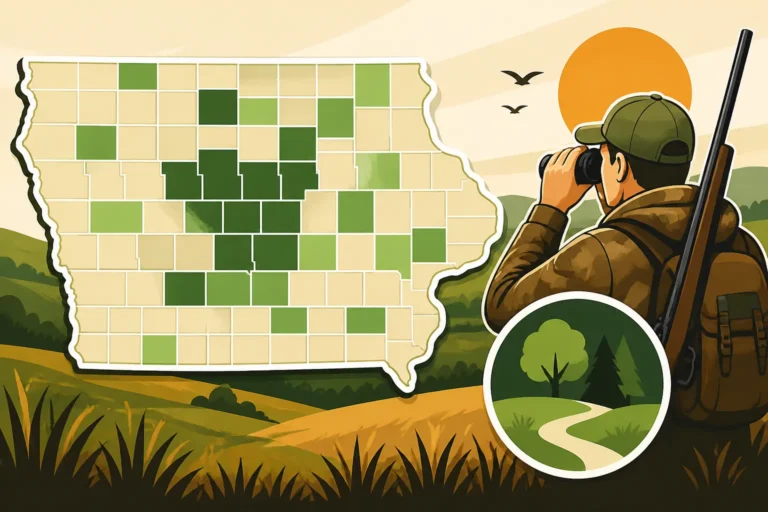
One of the absolute best ways to find and understand IHAP ground is by utilizing modern mapping applications. Forget about old paper maps that are often out of date; these digital tools are a game-changer. Services like onX Hunt are incredibly valuable because they overlay public land data, including IHAP boundaries, onto detailed aerial imagery. This allows you to identify specific IHAP tracts, see exactly where the boundaries are (crucial for Reading an Iowa Public Land Boundary), and even visualize the habitat types within the parcel. You can pinpoint access points, potential bedding areas, travel corridors, and even locate water sources, all from your couch.
Before you ever set foot on an IHAP property, you can use these apps to e-scout extensively. Look for features like Timber Points Between Two Fields, natural funnels, or areas where thick cover meets crop fields. You can mark potential stand locations, exit routes, and even areas to avoid disturbing. This pre-scouting saves you immense amounts of time and energy, allowing you to walk in with a solid plan. Many hunters rely on onX Layers for Iowa Land Status to confirm IHAP boundaries and understand surrounding property ownership, ensuring they stay legal and respectful of adjacent private lands.
Respecting IHAP Boundaries and Rules
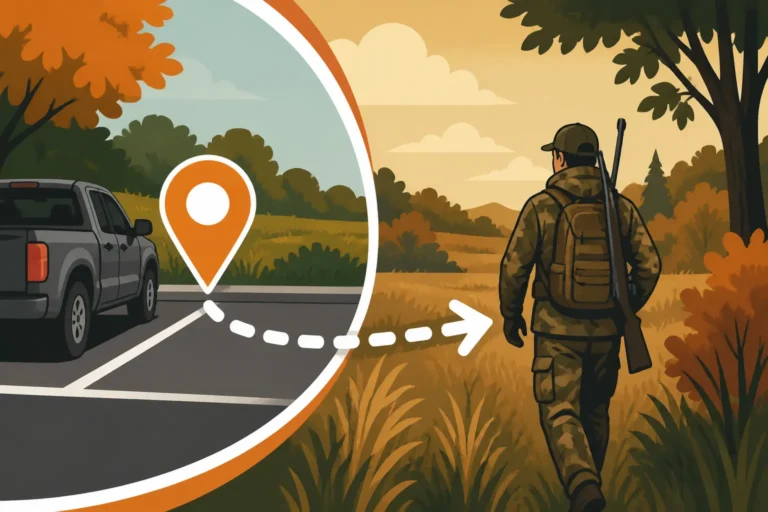
While IHAP land offers public access, it's vital to remember that it is still private property, generously opened by a landowner. This means adherence to all posted rules and general hunting ethics is paramount. IHAP tracts are typically "walk-in only," meaning no motorized vehicles are allowed beyond designated parking areas. Always check the specific signage at the entrance to any IHAP property, as there might be unique rules for that particular parcel. Disregarding these rules jeopardizes the program for everyone.
The "walk-in only" nature often means you'll be carrying all your gear in and out, so planning for pack weight and efficiency is key. Think about whether you'll be hanging stands or using a mobile setup. Remember, rules for leaving stands or blinds overnight can vary, so always err on the side of caution or check local regulations. Protecting the integrity of the IHAP program by being a responsible and respectful hunter is crucial. Every negative experience a landowner has can impact their decision to renew their contract, or even cause others to hesitate in enrolling. Let's all do our part to ensure this fantastic program continues to grow.
Disclaimer
This article is for general informational purposes only and does not constitute professional advice. Laws, prices and regulations vary by location and change over time. Consult a qualified professional for guidance on your specific situation.