Camping at Yellow River State Forest
It can be a real headache trying to figure out where to lay your head when you're planning a hunting trip, especially if you're venturing into a place like Yellow River State Forest. You want convenience, but you also crave that wild, immersive experience that puts you right in the heart of the action. This guide is all about demystifying the camping options available in Yellow River State Forest, helping you plan your stay so you can focus on what really matters: your hunt.
Understanding the Camping Options at Yellow River State Forest
Yellow River State Forest, nestled in the rugged Driftless Area of northeast Iowa, offers a variety of camping experiences, from developed sites with some creature comforts to more primitive, walk-in options. Understanding these differences is key to planning a trip that aligns with your hunting style and comfort preferences. It’s not just about pitching a tent; it's about choosing a basecamp that supports your mission in the woods.
Designated Campgrounds and Amenities
For many hunters, the ease and reliability of a designated campground are hard to beat. Yellow River State Forest offers several established campgrounds, such as those found at Big Paint, Little Paint, and Luster Heights. These spots often come with amenities that make a long hunting week more manageable, especially if you're bringing family along or if a hot meal and shower are high on your priority list after a chilly morning sit.
Think about the simple luxuries: a picnic table for organizing your gear, a fire ring for cooking or staying warm, and often, access to vault toilets or even flush restrooms and potable water. Some might even have electrical hookups, which can be a game-changer for charging phones, e-callers, or even running a small heater in a camper. These amenities can save you precious time and effort that would otherwise be spent on camp chores, allowing you more hours to scout or hunt. However, with convenience comes proximity to other campers, which means less solitude and potentially more noise. If you're planning to hunt Yellow River State Forest Deer Hunting, consider how far you'll need to walk or drive from your campsite to your hunting spot, and whether the added human activity around a campground might impact deer movement in the immediate vicinity.
Dispersed Camping and Backcountry Rules
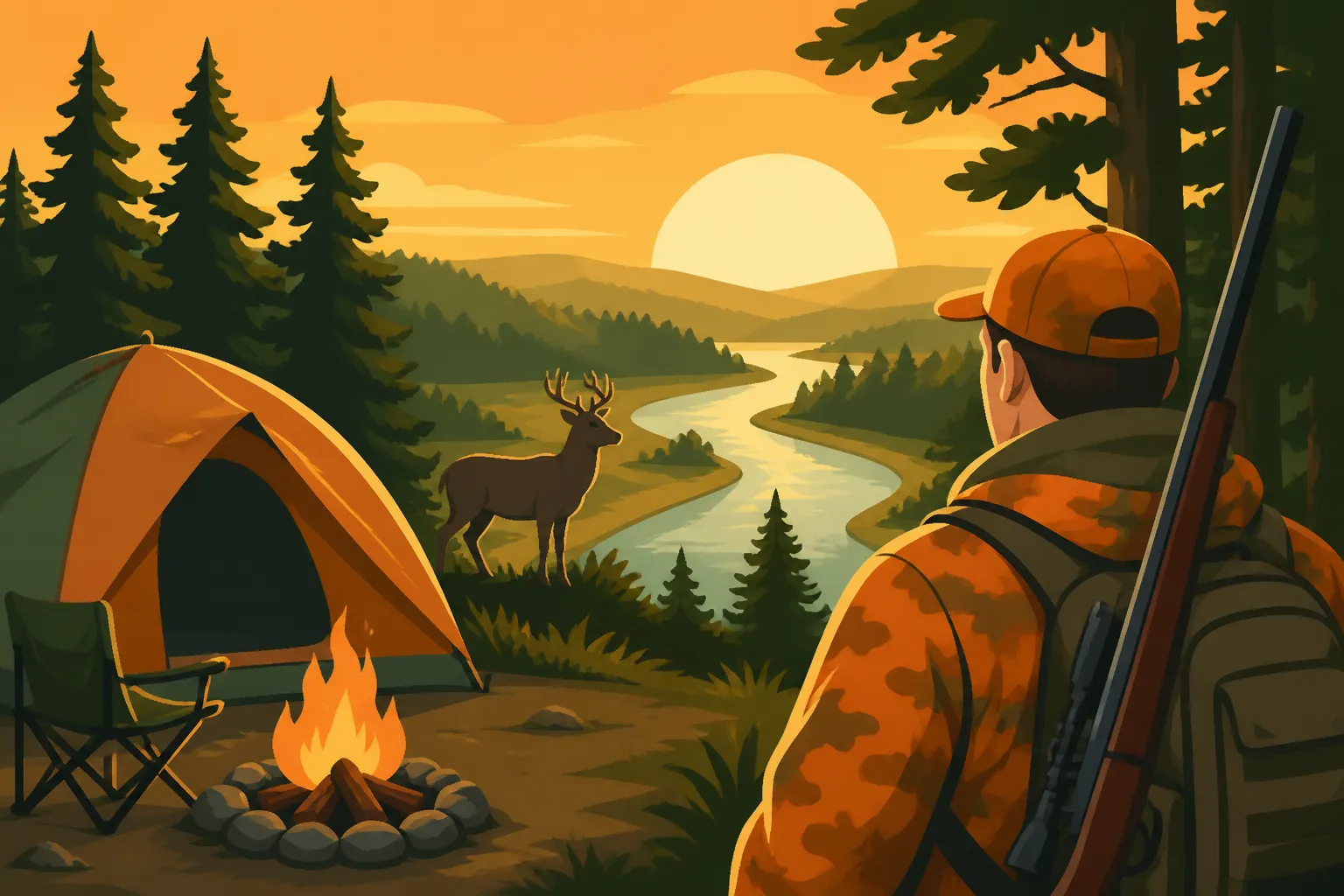
Now, if you're anything like me, sometimes you just want to get away from it all. Yellow River State Forest is unique in Iowa for offering extensive opportunities for dispersed, primitive camping, often referred to as backcountry camping. This means you can pitch your tent almost anywhere within the state forest boundaries, as long as you're a certain distance from designated roads, trails, and water sources. This freedom is a huge draw for hunters who want to truly immerse themselves in the wild and minimize their impact on prime hunting grounds.
Dispersed camping means no amenities – no picnic tables, no fire rings, no toilets, and no potable water. You're entirely self-sufficient. This forces you to be incredibly prepared, packing in everything you need and packing out everything you bring, including all your trash. The upside? You can often camp much closer to your actual hunting spots, allowing for earlier starts and later finishes without a long walk back to a developed campground. You can pick a secluded ridge overlooking a known travel corridor, or nestle into a timber draw where you’ve seen good sign. This kind of camping truly lets you live the hunt. Make sure you understand the specific rules for Iowa Public Land Camping Rules to avoid any issues. Using a mapping application like onX Hunt can be incredibly helpful here, allowing you to clearly see forest boundaries, roads, and trails to ensure you're in a legal and suitable spot. It's a fantastic tool for finding those hidden gems.
Group Camping Considerations
Hunting is often a solo endeavor, but sometimes it's a social one. Whether you're bringing family, friends, or a whole party hunting crew, Yellow River State Forest also accommodates group camping. While specific designated group sites might be limited or require reservations, larger groups often find themselves gravitating towards the more spacious sites within the developed campgrounds, or they seek out larger, more accessible clearings for dispersed camping.
When planning for a group, coordination is everything. Consider the number of tents, vehicles, and the amount of gear everyone will bring. Noise management becomes crucial, especially if some members of your party aren't hunters and might not understand the need for quiet during early morning hours. Trash and waste disposal are also magnified with more people, so plan accordingly with extra bags and a designated collection spot. If you're considering a group for Iowa Shotgun Season Tactics for Party Hunting, having a well-organized camp setup can be essential for smooth operations. Remember that not all areas are suitable for large groups, especially if you're trying to practice Leaving No Trace on Iowa Walk-In Ground. Always verify if reservations are needed for group sites or if there are any specific regulations for the size of your party, which might vary by season or specific area within the forest.
Preparing for Your Hunt Camp in Yellow River
Preparing for a hunt camp in Yellow River State Forest goes beyond just throwing a tent and sleeping bag in the truck. It involves careful planning, understanding the regulatory landscape, and committing to responsible outdoor ethics. The more prepared you are, the more comfortable and successful your hunt will be.
Essential Gear for Forest Camping
Your gear list for camping in Yellow River State Forest will largely depend on whether you opt for a developed campground or truly rough it with dispersed camping. For either, a reliable tent or shelter is paramount – something that can withstand Iowa's unpredictable weather, from sudden thunderstorms to chilly winds. A good sleeping bag rated for colder temperatures (even in early seasons, nights can dip) and a comfortable sleeping pad are non-negotiable for a good night's rest.
Beyond the basics, think about your cooking setup. A portable camp stove is essential for cooking meals and boiling water, especially if you're dispersed camping without a fire ring. Water filtration or purification systems are critical for backcountry camping where potable water isn't available. Don't forget proper lighting, like headlamps and lanterns, and a solid first-aid kit. If you're camping during colder periods, checking out articles like Cold Weather Stand Clothing can give you ideas for staying warm not just in your stand, but also around camp. And for finding those ideal secluded spots, a reliable GPS or mapping app like onX Hunt is invaluable. It lets you pre-plan routes, mark potential camp spots, and ensure you're within public land boundaries, which is particularly helpful for Scouting Iowa Timber and River Bottoms.
| Item Category | Developed Campground (Pros) | Dispersed/Primitive Camping (Pros) | Considerations for Hunters |
|---|---|---|---|
| Shelter | Easy setup, often near vehicle. | Greater seclusion, flexibility in location. | Choose quiet material for tents. Ensure adequate warmth/waterproofing for the season. |
| Water | Potable water often available. | Self-sufficiency, finding natural sources (with purification). | Plan for hauling or filtering. Critically important for hydration and cooking. |
| Sanitation | Toilets (vault or flush) available. | Catholes/WAG bags required. | Pack out all human waste for remote sites. Minimize scent. |
| Cooking | Picnic tables, fire rings (check fire bans). | Pack-in stove and fuel. No permanent fire rings. | Efficient, quiet cooking is key. Avoid attracting wildlife. |
| Noise Level | Potentially higher from other campers/vehicles. | Minimal, natural sounds. | Less disturbance to nearby game. Better rest without human noise. |
| Access | Drive-up access common. | Often requires walking in. | Factor in distance from parking to stand. Consider deer carts for gear/harvest. |
| Cost | Typically a fee per night. | Generally free. | Budget-friendly option for extended stays. |
| Regulatory Ease | Clear designated sites, few location restrictions. | More rules on distance from roads/water, LNT principles. | Know the rules for Iowa State Forest Camping Rules to avoid fines or conflicts. |
Navigating Regulations and Permits
Camping in a state forest, especially when hunting, requires you to be aware of and follow specific regulations. For developed campgrounds, this usually means understanding reservation systems, checking-in procedures, and paying any applicable fees. These might vary by season, so a quick check on the Iowa DNR website or a call to the forest office before you head out is always a good idea.
For dispersed camping, the rules are often less about reservations and more about responsible use. You'll typically need to adhere to guidelines regarding how far from roads, water bodies, and trails you can set up camp. Fire restrictions, particularly during dry periods, are also crucial to be aware of. Ignoring these can lead to serious consequences, both for you and the forest. Remember to confirm if any special permits are required for backcountry camping, though generally, for Yellow River, primitive camping is allowed without a specific permit beyond your general hunting and fishing licenses. Familiarize yourself with Iowa Hunter Education and Licensing Basics to ensure all your paperwork is in order for both your hunt and your camp.
Practicing Leave No Trace Principles
Whether you're in a developed campground or deep in the backcountry, practicing Leave No Trace (LNT) principles is not just good etiquette; it's a vital part of preserving Yellow River State Forest for future generations of hunters and outdoor enthusiasts. This means packing out everything you pack in, including all trash and food scraps. Don't bury garbage; animals will dig it up.
For human waste in dispersed camping areas, this means digging a "cathole" at least 6-8 inches deep and 200 feet from water sources, trails, and campsites, or packing it out if required. When building a fire (where allowed), keep it small and ensure it's completely out before leaving. Minimize your impact on vegetation by staying on existing trails and camping on durable surfaces. These practices are fundamental to Leaving No Trace on Iowa Walk-In Ground and show respect for the environment you're enjoying. The goal is to leave your campsite as if no one was ever there, preserving the natural experience for the next person – or the next deer.
Strategic Camping for Hunters
For a serious hunter, camping isn't just about sleeping under the stars; it's an integral part of the overall strategy. Your camp's location and how you manage it can significantly impact your hunting success. Yellow River's rolling hills and timber offer unique challenges and opportunities that smart camping can leverage.
Balancing Convenience and Seclusion
This is the eternal struggle for the hunting camper, isn't it? You want to be close enough to your hunting area to minimize travel time and scent disturbance, but far enough away that your camp doesn't spook game. In Yellow River, this often means making a trade-off. A designated campground might be more convenient for vehicle access and amenities, but it usually means a longer walk to your stand and more potential human scent and noise in the general area. This is especially true if you are hunting near the main access points.
Dispersed camping, on the other hand, allows for ultimate seclusion. You can set up camp on a remote ridge, in a hidden hollow, or near a forgotten logging road, putting you within minutes of your chosen stand. This allows you to slip in quietly before dawn and leave after dark without bumping deer. However, the downside is the lack of amenities and the need to pack everything in and out. For those who prioritize minimal disturbance, the extra effort of a primitive camp is well worth it. When using a tool like GoHunt or onX Hunt, you can overlay public land boundaries with topographical maps to identify secluded pockets of timber that offer both good cover for a camp and close proximity to deer activity. You can effectively "e-scout" for both your stand locations and your ideal camp spot.
Water Sources and Food Storage
Water is life, especially when you're exerting yourself in the woods. While developed campgrounds often have potable water available, dispersed campers will need to be self-sufficient. Yellow River State Forest has numerous creeks and springs, but never assume surface water is safe to drink without purification. Invest in a good water filter, purification tablets, or be prepared to boil all your water. Carrying a good supply of water bottles or a hydration bladder for your day in the woods is also critical.
Food storage is another critical consideration, particularly in an area with diverse wildlife. While large bears aren't common in Iowa, raccoons, opossums, and other critters are certainly present and will be drawn to any available food source. Always store your food in sealed containers, ideally in a cooler in your vehicle if you're car camping. If you're backpacking into a dispersed site, use a bear bag system (hanging food from a tree branch) or a bear-resistant container. Not only does this protect your food, but it also prevents wildlife from becoming habituated to human food, which can lead to negative interactions. A clean camp is a safe camp, both for you and the animals.
Managing Wildlife Encounters
Yellow River State Forest is teeming with wildlife, and while deer are your primary target, you'll likely encounter other animals. Most are harmless, but it's always wise to be prepared. Coyotes are common, and while they generally avoid humans, securing your food and keeping a clean camp will prevent them from becoming too bold. Understanding Iowa Coyote Population and behavior can also help manage expectations.
Encounters with smaller animals like raccoons and skunks are more likely, especially at night. Proper food storage (as mentioned above) is your best defense against these mischievous visitors. If you happen to come across larger animals like wild turkeys or bobcats, observe from a distance and never approach or feed them. Respect their space, and they'll usually respect yours. Always be aware of your surroundings, especially when walking in low light conditions to and from your stand. Carrying a headlamp and making a bit of noise can often alert animals to your presence and prevent startling encounters.
Making the Most of Your Yellow River Hunting Trip
Combining camping with hunting in Yellow River State Forest offers a truly immersive experience that can enhance your chances of success and deepen your connection to the outdoors. It's about more than just harvesting an animal; it's about the entire adventure.
Combining Camping with Scouting and Hunting
Choosing a camp location isn't just about comfort; it's a strategic hunting decision. If you're planning on Scouting Iowa Public Land Before the Opener, your camp can serve as a central hub for daily excursions. From your tent, you can walk new trails, locate fresh sign, and identify potential stand locations. Being able to wake up in the woods means you're already in place to observe early morning deer movement, listen for gobblers, or watch for pheasants flushing from cover.
For the actual hunt, a well-placed camp reduces your travel time, minimizes scent trails, and allows you to be in your stand before legal light without a long, noisy trek from a distant lodge or motel. This proximity also means you can stay out longer in the evenings, pushing the edge of legal shooting hours, without worrying about a lengthy drive back to town. If you're considering Mobile Saddle Hunting in Iowa, setting up a lightweight, mobile camp allows you to quickly relocate and adapt to changing deer patterns, truly living out of your pack and reacting to the deer's movements. This flexibility can be a huge advantage, especially during the peak rut.
Seasonal Considerations for Campers
Iowa's weather can be a bit of a wild card, and Yellow River is no exception. Early archery season in September and early October can mean warm days and cool, but not freezing, nights. Lightweight tents, good ventilation, and managing insects become priorities. As you move into late October and November, temperatures drop significantly. You'll need warmer sleeping bags, insulated pads, and perhaps even a small camp heater (if in a safe, ventilated space).
December and January, for late muzzleloader or Iowa January Antlerless Hunts, bring true winter conditions. Snow, ice, and sub-zero temperatures are real possibilities. Your camping gear needs to be robust, and your cold-weather clothing needs to be top-notch – think serious insulation for both your stand and your camp. Keeping water from freezing, managing propane for stoves, and staying dry become paramount. Always check the forecast leading up to your trip, and pack for the worst-case scenario. A successful winter hunt camp is a dry and warm one, ensuring you're rested and ready for whatever the forest throws your way. The changing seasons not only impact your gear but also how wildlife moves and behaves, so understanding this dynamic is crucial for both camping and hunting success.
Disclaimer
This article is for general informational purposes only and does not constitute professional advice. Laws, prices and regulations vary by location and change over time. Consult a qualified professional for guidance on your specific situation.