Red Rock Wildlife Area Hunting
Finding good public hunting land in Iowa, especially ground that offers a diverse range of opportunities, can feel like searching for a needle in a haystack. Many of us grapple with limited access and the struggle to pinpoint areas that truly hold game year after year. This guide is designed to shed light on the incredible potential of the Red Rock Wildlife Area, helping you understand its unique characteristics, the species you can pursue, and how to navigate this expansive public hunting gem effectively.
What Makes Red Rock Wildlife Area Unique for Hunting?
The Red Rock Wildlife Area isn't just another patch of public ground; it's a dynamic and incredibly diverse landscape that presents unique hunting challenges and rewards. Located around Iowa's largest lake, Lake Red Rock, this area encompasses far more than just lakeside property. It's a prime example of how varied habitat, influenced by a major waterway, can create exceptional hunting opportunities right in the heart of the state.
Diverse Habitats Beyond Just Water
When you think of a wildlife area surrounding a large reservoir, your mind might immediately go to waterfowl. While Red Rock certainly shines in that department, it offers so much more. This vast public land boasts an incredible mosaic of habitat types: dense timber blocks that transition into creek bottoms, sprawling grasslands, managed agricultural fields, and, of course, the critical wetland and marsh areas influenced by the lake and the Des Moines River. This isn't a monoculture; it's a vibrant ecosystem supporting a wide array of game species.
Imagine slipping into a mature oak timber stand on a crisp October morning, knowing that a few hundred yards away, that same timber breaks into a CRP field and then eventually wetlands. This variety creates an incredible amount of edge habitat, which any seasoned hunter knows is where the action often happens. Deer find bedding in the thickets and timber, feeding in the crop fields, and cover along the creek draws. Turkeys roam the timbered ridges, while pheasants and quail thrive in the dense grasslands and brushy edges. This intricate tapestry means you're not confined to one style of hunting; you can adapt your approach based on the species, the weather, and the time of year.
Strategic Location Near a Major Reservoir
Lake Red Rock itself acts as a massive natural magnet for wildlife, particularly waterfowl during migration, but its influence extends far beyond just ducks and geese. The entire Des Moines River system, flowing into and out of the lake, creates vital riparian corridors that deer, turkeys, and other critters use as superhighways for travel and cover. This strategic location means that the wildlife here isn't static; it's constantly interacting with the fluctuating water levels, the river's flow, and the vast open water of the lake.
Consider how a large body of water can influence deer movement. During drought periods, permanent water sources become crucial, and the lake and its associated creeks are always there. In winter, the timbered edges along the lake and river offer thermal cover, drawing deer from surrounding agricultural lands. The sheer scale of the Lake Red Rock project means extensive areas are managed for wildlife, creating a significant refuge and breeding ground that spills over into the huntable public sections. Understanding this dynamic interplay between water and land is key to unlocking the area's full potential, as wildlife patterns are often dictated by these environmental factors.
Game Species You Can Pursue at Red Rock Wildlife Area
The diverse landscape of Red Rock Wildlife Area makes it a legitimate multi-species hunting destination. Whether you're chasing the elusive whitetail or calling in a spring gobbler, the opportunities here are robust, though often challenging due to the very nature of public land hunting.
Whitetail Deer Hunting Opportunities
For many Iowa hunters, the whitetail deer is king, and Red Rock Wildlife Area certainly holds its share of impressive bucks and a healthy doe population. The key to success here lies in understanding how deer utilize the mixed habitat. They'll bed in the dense timber blocks and cedar thickets that line the river and lake, often seeking out overlooked pockets of cover that offer security from human disturbance. When it comes to feeding, they'll hit the managed food plots or browse in the timber, but don't overlook the edges of adjacent private crop fields, especially during the early season and late season.
Hunting the whitetail at Red Rock means embracing the challenge. You'll often find deer movement concentrated along creek corridors, timber points, and any transition zones where cover meets food. Mastering the art of Reading an Iowa Timber Draw for Deer Sign or identifying Hunting Inside Corners of Crop Fields can significantly increase your odds. Expect to put in some miles, scouting the subtle terrain features that funnel deer. Remember, deer here are pressured, so their movements might be more nocturnal or stick to the densest cover during daylight hours, especially as the season progresses. Patient observation and persistent scouting are your best friends.
Waterfowl and Upland Bird Potential
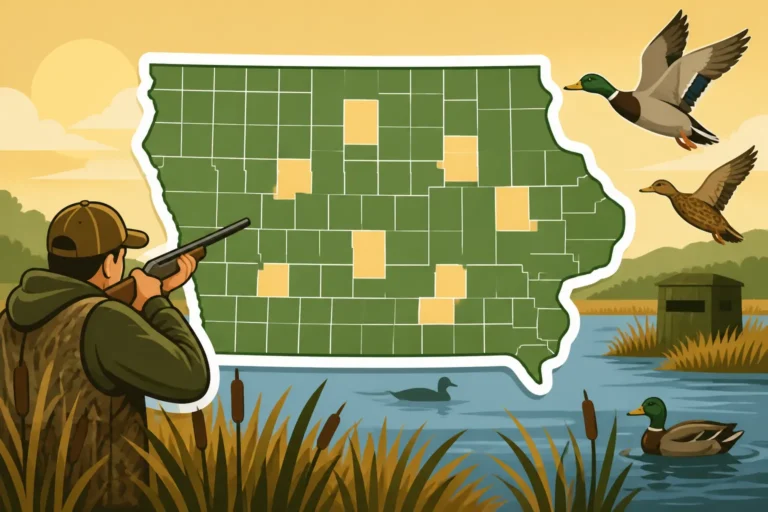
Red Rock Wildlife Area is undeniably a waterfowl hunter's paradise, especially for those willing to put in the effort. The expansive lake, combined with numerous backwater sloughs, marsh units, and the Des Moines River, creates prime habitat for migrating ducks and geese. Early season hunts can be fantastic for teal and wood ducks in the smaller sloughs, while later in the fall, mallards, pintails, and various diving ducks fill the larger bodies of water. Hunters often utilize boat access to reach remote spots or set up in walk-in units with waders. If you're looking for more detailed strategies, check out Waterfowl Hunting Iowa River Backwaters.
Beyond the ducks and geese, Red Rock also offers solid opportunities for upland birds. The numerous grassland and CRP (Conservation Reserve Program) fields, often interspersed with brushy draws and timber edges, provide excellent cover for pheasants and bobwhite quail. While you might not find the sheer densities of birds as on some dedicated private land, dedicated hunters can absolutely find success. Working these cover edges, especially in the afternoon, can often flush roosters or kick up a covey of quail. Patience and a good pair of boots (or a dog, if you have one) are essential. For those without a canine companion, understanding Working Pheasant Cover Without a Dog can provide valuable insights.
Other Small Game and Predators
Don't overlook the myriad of other hunting opportunities at Red Rock Wildlife Area. Wild turkeys are present throughout the timbered sections, offering exciting spring and fall seasons. While they can be challenging on public ground, understanding their roosting habits and travel corridors can lead to success. Hunters often focus on the larger timber blocks away from major roads.
For small game enthusiasts, the timber holds healthy populations of gray and fox squirrels, particularly in the oak and hickory stands. Rabbit hunting can be productive in the brushy draws, clear-cuts, and along field edges, especially after a fresh snowfall. These species offer a great way to introduce new hunters to the field or to simply enjoy a less pressured day afield. Finally, coyotes are abundant throughout the area, providing an excellent opportunity for predator calling, especially during the colder months when other seasons might be closed or slow.
Navigating and Accessing Red Rock Wildlife Area
Hunting at Red Rock, like any large public area, requires a good understanding of its boundaries, access points, and the regulations that govern it. This isn't a place where you just show up and wander; a little homework goes a long way in ensuring a safe, legal, and productive hunt.
Utilizing Maps and Digital Tools for Access
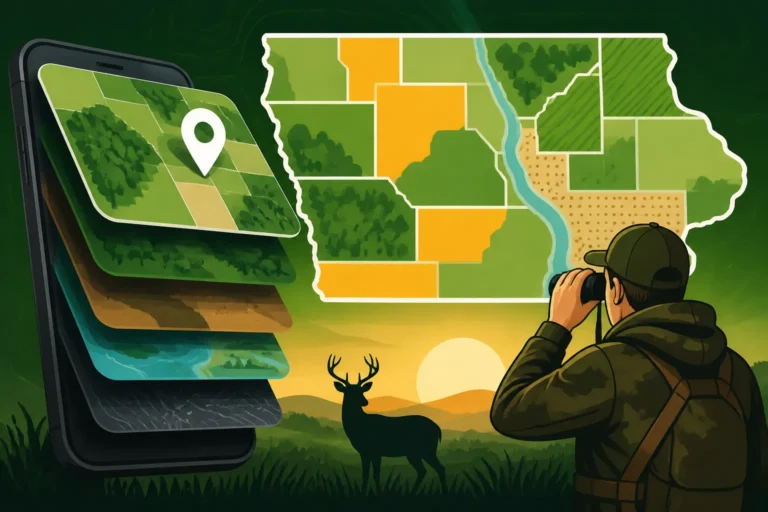
The sheer size and varied ownership (some portions are US Army Corps of Engineers, some DNR, some private) within the Red Rock Wildlife Area can be confusing. This is where modern mapping applications become an absolute game-changer. Tools like onX Hunt are invaluable for clearly defining public and private land boundaries, showing access points, parking areas, and even different habitat types from aerial imagery. Without a solid mapping system, you could inadvertently trespass or miss out on prime, lesser-known public areas. Before I ever step foot on new ground, I spend hours poring over these maps, identifying potential stand locations, escape routes, and walk-in distances.
Beyond just property lines, these digital maps allow you to mark waypoints for game sign, food sources, and travel corridors, essentially building your own scouting report from home. This e-scouting can save you countless hours of unproductive walking once you're on the ground. You can also research the specific unit you plan to hunt within Red Rock, looking for unique regulations or access restrictions that might apply. While GoHunt typically focuses on Western states, it can be a good general resource for understanding licensing and broad regulations in various states, though always cross-reference with the official Iowa DNR site. Remember, your phone's GPS can be a lifesaver when navigating dense timber or unfamiliar terrain, especially in low light conditions. For a deeper dive into similar tools, consider exploring Using the Iowa DNR Hunter Atlas.
Key Access Points and Considerations
Access to Red Rock Wildlife Area is varied, and knowing the best way in can often dictate your success. Many units have designated parking areas along county roads, offering typical walk-in access. However, some of the best waterfowl and timber hunting spots require a bit more effort. Boat access is crucial for reaching islands, remote backwater sloughs, and specific timbered points that are otherwise difficult to reach. If you're planning a waterfowl hunt, consider what type of boat or waders you'll need.
For deer hunters, don't be afraid to walk past the crowds. The most easily accessible parking areas often see the most immediate hunting pressure. By adding an extra half-mile or mile to your walk, you can often get into areas that see significantly less human disturbance. This means considering your physical fitness and carrying appropriate gear for longer treks, like a reliable deer cart for getting game out. Scout ahead of time to identify these less-traveled routes and potential bottlenecks that might slow other hunters down.
Understanding Regulations and Seasonal Changes
Hunting regulations are dynamic and can vary not only by species and season but sometimes even within specific wildlife management areas. It is absolutely crucial to consult the most current Iowa Hunting Regulations booklet or the Iowa DNR website before your hunt. Pay close attention to season dates, weapon restrictions, bag limits, and specific rules for Red Rock Wildlife Area. For instance, the Iowa Deer Season Dates by Weapon will outline when you can use archery, muzzleloader, or shotgun. Waterfowl seasons also have complex zones and splits, as detailed in Iowa Waterfowl Zones and Splits, which you'll need to understand for this area.
Important regulations to look out for on public land like Red Rock include rules regarding portable stands, screw-in steps, ground blinds, and leaving equipment overnight. Some areas might have specific rules about motorized vehicle use or even non-toxic shot requirements for certain game. Ignorance of the law is never an excuse, and a quick check of the DNR's official resources can save you a headache and a potential citation. Always confirm opening and closing times, blaze orange requirements, and any specific harvest reporting mandates that apply to your hunt.
Strategies for a Successful Hunt at Red Rock
Successfully hunting a large, diverse public area like Red Rock Wildlife Area isn't about luck; it's about smart strategy, diligent effort, and adapting to conditions. You'll face challenges common to public lands, but with the right approach, you can turn those challenges into opportunities.
Scouting Before Your Hunt
Preseason scouting is, without a doubt, the cornerstone of success at Red Rock. Don't wait until opening day to start looking for deer sign or potential duck blinds. Get out there well before the season, ideally in late summer or early fall when foliage is still somewhat present, but not so thick that it obscures trails. Walk the timber edges, explore the creek bottoms, and identify potential bedding areas and food sources. Look for pinch points, saddles, and benches that deer might use to travel between different habitat types. Pay attention to rub lines and scrape activity as the pre-rut approaches.
Digital scouting tools, as mentioned earlier, are fantastic for planning your physical boots-on-the-ground efforts. You can E-Scouting Iowa Farm Country From Home to identify promising looking timber blocks, creek crossings, or areas of dense cover that might hold deer. Then, when you get to the property, you already have a game plan, making your time much more efficient. Understanding Reading Aerial Imagery for Bedding Cover can reveal hidden sanctuaries that are often overlooked by other hunters. Remember, the more you know about the specific area you plan to hunt, the better equipped you'll be to adapt to real-time conditions.
Adapting to Hunting Pressure
Let's be realistic: Red Rock Wildlife Area is a popular destination, and you will encounter other hunters. The key isn't to avoid them entirely (which is often impossible) but to adapt your strategy. Often, the easiest-to-access areas receive the heaviest pressure, especially on opening day and weekends. This means deer and other game quickly learn to avoid these spots during daylight hours.
To counter this, be willing to go deeper. Walk an extra half-mile or mile into areas that fewer hunters are willing to tackle. These harder-to-reach pockets of timber or marsh often hold undisturbed game. Consider hunting during weekdays if your schedule allows, as pressure significantly drops. Additionally, think about how hunting pressure might move deer. If there's heavy pressure to the north, deer might funnel south into a different unit, creating new opportunities. Understanding Hunting Pressure Patterns on Iowa Public Land can help you predict these shifts and position yourself accordingly. Sometimes, even hunting later in the day, when many hunters have already packed up, can yield surprising results as animals start to move.
Gear Considerations for Red Rock
Given the varied terrain and potential for long walks at Red Rock, your gear choices are important. Comfortable, waterproof hiking boots are non-negotiable, as you'll encounter everything from muddy creek bottoms to wet grasslands and potentially standing water in marshy areas. Layered clothing is essential, allowing you to adjust to Iowa's often unpredictable weather, which can swing from warm and humid to cold and damp within a single day. A good rain suit is always a wise addition to your pack.
For deer hunters, consider a mobile setup if you plan to explore different spots. A lightweight hang-on stand or a saddle hunting setup with climbing sticks will give you flexibility. However, if you're settling into a known hot spot, a more comfortable ladder stand or a well-brushed-in ground blind might be suitable, provided it adheres to public land regulations. Don't forget a reliable headlamp for those early morning walks in and late evening walks out. Lastly, if you expect to be successful and have a long trek, a quality deer cart or a robust drag system is a lifesaver. Dragging a mature Iowa whitetail out of a creek bottom without one is a memory you won't want to repeat! Learn more about options in Deer Carts on Iowa Walk-In Ground.
Disclaimer
This article is for general informational purposes only and does not constitute professional advice. Laws, prices and regulations vary by location and change over time. Consult a qualified professional for guidance on your specific situation.