Ingham Lake and Northern Iowa Marshes
Finding consistent, productive hunting grounds for waterfowl and upland birds in Northern Iowa can feel like an endless quest, especially if you're trying to move beyond the most heavily pressured public areas. The truth is, many hunters overlook some fantastic opportunities nestled within the region's diverse marsh and wetland ecosystems. This guide is designed to shed light on Ingham Lake and other northern Iowa marshes, providing you with the detailed insights and practical advice you need to unlock their full potential, whether you're chasing mallards, canvasbacks, or a wily rooster pheasant.
Ingham Lake: A Jewel in Iowa's Wetland Crown
Ingham Lake, located in Emmet County, stands as a prime example of northern Iowa's rich wetland heritage. It's not just a lake; it's a dynamic system of open water, emergent vegetation, and surrounding upland habitats that draws in a variety of game species, particularly waterfowl. For generations of hunters, Ingham Lake has been a reliable destination, but understanding its nuances is key to consistent success.
The Layout and Habitat Diversity of Ingham
Ingham Lake is a shallow, natural lake, often surrounded by expansive marshy areas dominated by cattails and phragmites. This mix of dense cover and open water is absolutely critical for attracting and holding waterfowl throughout the migration season. Ducks need those secure pockets of emergent vegetation for loafing, feeding, and escaping pressure, while the larger open water portions provide staging areas for diving ducks like canvasbacks and redheads, as well as geese. The depth can vary significantly, not just seasonally but even within a single hunting season, influencing where birds will feed and rest.
What makes Ingham truly special is its incredible biodiversity. Beyond the ducks and geese, you'll often find muskrats, mink, and a host of non-game bird species that thrive in this environment. The specific blend of native grasses, sedges, and aquatic plants creates a complex food web that supports everything from tiny invertebrates to the robust dabbling ducks that feed on them. Hunters quickly learn that understanding these subtleties – where the submerged vegetation is thickest, where the water is just deep enough for divers, or where a slight rise in the cattails offers perfect concealment – is more important than simply setting out decoys in the first open spot.
Access Points and Managing Hunter Pressure
One of the biggest challenges at any popular public hunting area, and Ingham Lake is no exception, is managing hunter pressure. There are several access points around Ingham Lake, ranging from designated boat launches to walk-in areas. Knowing these, and more importantly, knowing how to use them strategically, is vital. A boat can give you access to open water and deeper marsh pockets, while dedicated walk-in hunters might focus on shallower edges or sloughs that are less accessible by watercraft. The Iowa DNR's public land maps, often accessible through apps like onX Hunt, are invaluable for pinpointing these entry points and understanding the boundaries.
During peak migration times, especially on weekends or during cold fronts, Ingham Lake can draw a crowd. This isn't necessarily a bad thing, but it means you need a plan. Sometimes, arriving well before legal shooting light to secure a prime spot is necessary. Other times, observing where birds are flying and trying to set up away from the main concentrations of hunters can pay dividends. Don't be afraid to put in extra effort, whether it's a longer paddle or a tougher slog through thick cover, to find a quieter corner. This persistence often leads to better hunting and a more enjoyable experience, away from the constant sky-busting that can plague popular spots.
Beyond Waterfowl: Upland Opportunities Around Ingham
While Ingham Lake is renowned for its waterfowl, it's a mistake to overlook the potential for upland bird hunting in the surrounding habitats. The edges of the marsh, particularly where they transition into agricultural fields or strips of native prairie and CRP grass, can hold excellent numbers of pheasants and sometimes even quail. These areas provide crucial escape cover, wintering habitat, and nesting grounds for these birds. A good strategy might involve combining a morning duck hunt with an afternoon walk for roosters around the marsh perimeter.
Identifying these upland honey holes requires a keen eye. Look for strips of switchgrass, dense cattail edges, or brushy fence lines that offer protection from predators and harsh weather. These transitional zones are where pheasants often stage before moving into corn or bean fields to feed, or where they seek refuge when disturbed. Even a small patch of uncut grass or a thicket of multiflora rose adjacent to the water can hide a pheasant or two. Carrying a mixed bag of shells – steel shot for waterfowl and lead for upland – is not uncommon for hunters looking to maximize their opportunities in these diverse northern Iowa landscapes.
Exploring Northern Iowa's Diverse Marsh Systems
Beyond the well-known Ingham Lake, northern Iowa is dotted with countless smaller marshes, sloughs, and Iowa Waterfowl Production Areas that offer incredible, often overlooked, hunting experiences. These smaller systems might not draw the massive numbers of birds that a larger lake does, but what they lack in scale, they often make up for in lower pressure and more intimate hunting scenarios.
The Character of Smaller Wetlands
Smaller wetlands in northern Iowa present a different kind of hunting puzzle compared to larger water bodies. They are often shallower, sometimes ephemeral, drying up during drought years and refilling during wet ones. This dynamic nature means scouting is absolutely critical; what was a prime spot last year might be bone dry this year. These areas tend to be dominated by emergent vegetation like cattails, smartweed, and river bulrush, with smaller pockets of open water. This dense cover makes them ideal for dabbling ducks – mallards, wood ducks, teal – which prefer shallower water for feeding.
The appeal of these smaller marshes lies in their intimacy and the sense of discovery they offer. You might not see thousands of birds, but you could have a small flock of teal buzzing your decoys entirely to yourself. They require more finesse and a willingness to explore, often involving sloshing through muddy edges or pushing through thick vegetation. While they might not be as visually dramatic as a large open lake, their quiet charm and the potential for unpressured birds make them a favorite among seasoned Iowa waterfowlers.
Identifying Key Marsh Systems and General Locations
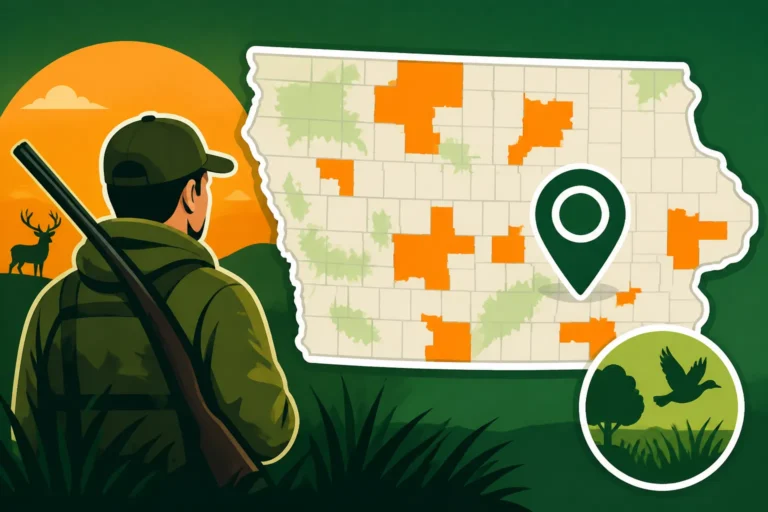
Northern Iowa is a mosaic of agricultural fields interspersed with these vital wetland habitats, particularly in counties within the Des Moines Lobe landform region, which is historically rich in natural lakes and marshes. Counties like Emmet, Palo Alto, Dickinson, Clay, and Kossuth are prime examples of where you'll find these valuable wetland systems. Many are managed by the Iowa DNR as Wildlife Management Areas (WMAs) or by the U.S. Fish and Wildlife Service as Waterfowl Production Areas (WPAs). These areas are specifically preserved and managed for waterfowl and other wetland-dependent wildlife, ensuring public access for hunting.
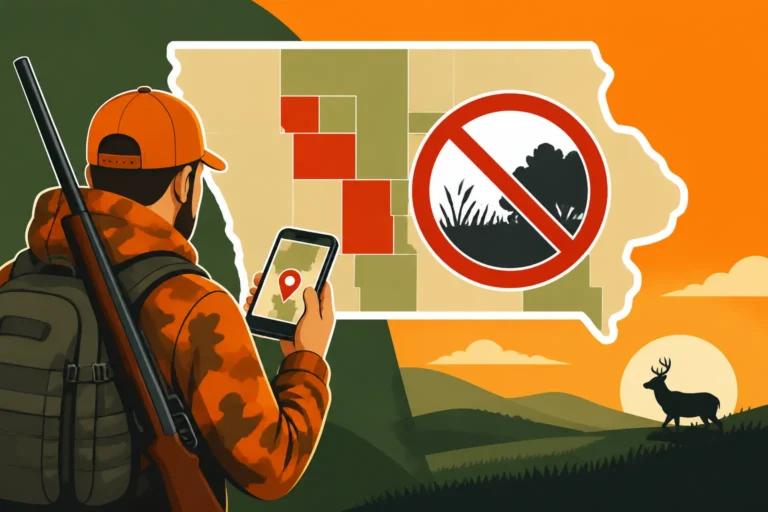
To find these spots, a good starting point is the Iowa DNR's online hunting atlas or mapping tools like onX Hunt. These resources allow you to overlay public land boundaries, identify wetland features, and even view aerial imagery that can reveal hidden sloughs and oxbows. E-Scouting Iowa Farm Country From Home is an excellent way to narrow down potential hunting spots before you even step foot in the field, helping you identify areas with good cover, proximity to food sources, and logical access routes. Remember, these smaller areas are often tucked away, sometimes requiring a bit of legwork to find and access.
Reading the Landscape for Marsh Potential
Successfully hunting these smaller marshes often comes down to your ability to "read" the landscape. Aerial imagery is your best friend here. Look for dark green patches indicating dense cattails, lighter green areas that might be open water or shallower vegetation, and any signs of connecting waterways or ditches. These connections are vital, as they often serve as travel corridors for ducks moving between larger bodies of water and smaller feeding areas. Pay attention to how these marshes relate to surrounding crop fields; ducks will often roost in the safety of the marsh during the day and fly out to feed in harvested corn or bean fields in the evenings.
Wind direction and water levels are also critical factors. A strong north wind can push birds into sheltered corners of a marsh, while dropping water levels might expose mudflats, creating new feeding opportunities for dabblers. It’s a constant chess match between you, the weather, and the birds. Knowing what to look for and how to interpret these signs will significantly increase your odds. For example, a small, sheltered pocket of open water within a dense cattail marsh on a blustery day is often a better bet than a wide-open expanse exposed to the wind.
Strategies for Successful Marsh Hunting
Hunting northern Iowa's marshes, whether it's a large system like Ingham Lake or a smaller, secluded WPA, requires a specific set of tactics. It's often less about sheer numbers of birds and more about strategic setups, understanding bird behavior, and being prepared for the unique challenges these wet environments present.
Waterfowl Tactics: Decoys, Blinds, and Calling
For waterfowl, your setup needs to be adaptable. In shallow, cattail-choked marshes, a small spread of half a dozen decoys, maybe even just mallards, can be incredibly effective. Focus on creating an open landing zone within the vegetation, as ducks will often cup their wings and drop right in. In more open water situations, a larger, more diverse spread might be appropriate, incorporating diving duck decoys or even a few goose floaters if Canada geese are in the area. Motion decoys, like spinning wing models or jerk cords, can add that crucial touch of realism, especially on calm days.
Blind selection is also key. In dense cattail marshes, simply breaking a few cattails to create a small hide can be all you need. For more open areas, a portable layout blind brushed in with natural vegetation or a well-concealed boat blind might be necessary. The goal is always to disappear into your surroundings. As for calling, less is often more in these smaller, pressured areas. A few soft quacks or contented feed chuckles can be far more effective than aggressive, high-volume calling, especially when birds are already working your spread. Don't be afraid to read the birds; if they're committed, put the call down.
Upland Tactics: Working the Edges of Marsh Habitat
When shifting gears to upland birds, particularly pheasants, the edges of these marsh habitats become your primary focus. Roosters love the dense, impenetrable cover of cattails and switchgrass, especially when it’s adjacent to a food source like a corn or bean field. The challenge is often getting them to flush within range. Working Pheasant Cover Without a Dog is tough, but not impossible, especially if you have a hunting partner or two. The most effective approach is often to "block and drive." One or two hunters act as blockers at the end of a cover strip, while others slowly and methodically push through, trying to flush birds towards the blockers.
The key to this strategy is to move slowly and deliberately, pausing occasionally. Pheasants are notorious for running ahead of hunters, trying to sneak out the side or circle back. Don't rush it. Pay close attention to any changes in the cover, like a slight rise in elevation or a small clump of brush, as these can be prime spots for a bird to hold tight. Knowing how to read their escape routes is critical. For more detailed guidance, consider checking out Blocking and Driving Iowa Grass Strips. The dense cover around marshes often means close-range flushing shots, so be ready for quick reactions.
Weather and Water Level Considerations
The dynamic nature of Iowa's weather and its impact on water levels significantly dictates hunting success in these marsh environments. Early in the season, warm temperatures and stable water levels might mean birds are scattered, utilizing vast areas. As the season progresses and colder weather sets in, birds will concentrate on available open water and reliable food sources. Freezing temperatures can lock up smaller marshes entirely, pushing birds to larger, deeper bodies of water or to areas with springs or aerators that keep water open.
Conversely, significant rainfall can raise water levels, sometimes making previously accessible areas too deep or creating new shallow feeding opportunities. Always check local forecasts and, if possible, scouting reports or even drive by the area if it's within a reasonable distance before your hunt. Understanding how a recent cold front will affect bird movement, or if an impending freeze-up means you need to hunt harder and earlier, can make or break your trip. It's about adapting your strategy to the conditions, not just stubbornly sticking to the plan you made a week ago.
Planning Your Northern Iowa Marsh Adventure
A successful hunt in the northern Iowa marshes goes far beyond just showing up with a shotgun and a handful of shells. It requires careful planning, the right gear, and a deep respect for both the game and the environment. Taking the time to prepare properly will not only increase your odds of success but also ensure a safer and more enjoyable experience.
Essential Gear for Wet Environments
Hunting marshes means you're going to get wet and dirty, and often cold. Quality gear is not a luxury; it's a necessity. A good pair of chest waders is paramount, especially if you plan on setting decoys in deeper water or slogging through thick, mucky areas. Ensure they are comfortable, well-fitting, and have durable boots. If you'll be using a boat or kayak, a reliable PFD (personal flotation device) is a must, even in seemingly calm waters. Dry bags are invaluable for protecting your phone, calls, extra shells, and anything else you need to keep safe from moisture.
Layering your clothing is also critical, especially as temperatures can fluctuate wildly throughout a day in Iowa. Start with moisture-wicking base layers, add insulating mid-layers, and top it off with a waterproof and windproof outer shell. For those frigid late-season hunts, warm hats, gloves, and even hand warmers are essential for Staying Warm on a December Sit. Don't forget a headlamp for those early morning walks in or late evening retrieves, and a sturdy game strap or a small sled can be a godsend for hauling out harvested birds.
Scouting and E-Scouting for Marshes
Scouting is the cornerstone of successful marsh hunting. While physical scouting is always best, particularly for observing current water levels and bird activity, e-scouting can save you countless hours. Utilizing modern mapping applications like onX Hunt or even the free tools on GoHunt allows you to meticulously study aerial imagery, identify potential access routes, pinpoint areas of emergent vegetation, and mark likely open water pockets. You can also discern property lines, which is crucial when hunting areas that border private land.
Before your trip, identify potential setup locations based on prevailing winds and expected bird flight paths. Look for bottlenecks or natural funnels where birds might concentrate. Pay attention to how the marsh connects to other water sources or agricultural fields, as these act as vital travel corridors. Once you arrive, spend some time glassing from a distance, if possible, to confirm bird activity and patterns. Even a quick drive around the perimeter can give you valuable real-time information that your e-scouting might have missed. For more advanced scouting techniques, exploring resources like Reading Aerial Imagery for Bedding Cover can also offer useful insights for deciphering habitat.
Regulations and Conservation in Iowa's Wetlands
Hunting in Iowa, especially in sensitive wetland ecosystems, comes with a responsibility to understand and adhere to all regulations. This includes checking Iowa Waterfowl Zones and Splits for specific season dates and bag limits, which can vary by species. Always ensure your shotgun is plugged to hold no more than three shells, and be mindful of steel shot requirements for waterfowl hunting. Federal and state duck stamps are also mandatory for waterfowl hunters.
Beyond the written rules, practicing ethical hunting and conservation is paramount. Always strive to Leaving No Trace on Iowa Walk-In Ground, picking up all spent shells, discarded lines, and any other trash you might generate. Respect private property boundaries and only hunt areas where you have legal access. Consider participating in conservation efforts, whether it's through organizations dedicated to wetland preservation or by volunteering your time. These marshes are precious resources, providing vital habitat for countless species, and it's up to us as hunters to ensure they remain vibrant for future generations.
| Marsh Type | Typical Features | Primary Game Species | Access Challenges | Hunting Pressure |
|---|---|---|---|---|
| Large Natural Lake (e.g., Ingham Lake) | Extensive open water, dense emergent vegetation, larger footprint, deeper sections | Ducks (dabblers/divers), Canada Geese, some upland birds on edges | Boat ramps, designated walk-in areas; potential for long paddles/walks | Moderate to High (especially weekends/peak migration) |
| Smaller WMA/WPA Marsh | Shallower, more vegetation-dominated, smaller open water pockets, often seasonal | Dabbling Ducks (mallards, teal, wood ducks), pheasants on edges | Limited formal access, often walk-in or kayak/canoe only; muddy/thick cover | Low to Moderate (less traffic, requires more effort) |
| River Backwater/Slough | Connected to main river, fluctuating water levels, timber/brushy edges | Wood Ducks, Mallards, Geese, some upland/small game | Often boat-only, sometimes wading access; current can be a factor | Varies widely based on location and accessibility |
Disclaimer
This article is for general informational purposes only and does not constitute professional advice. Laws, prices and regulations vary by location and change over time. Consult a qualified professional for guidance on your specific situation.