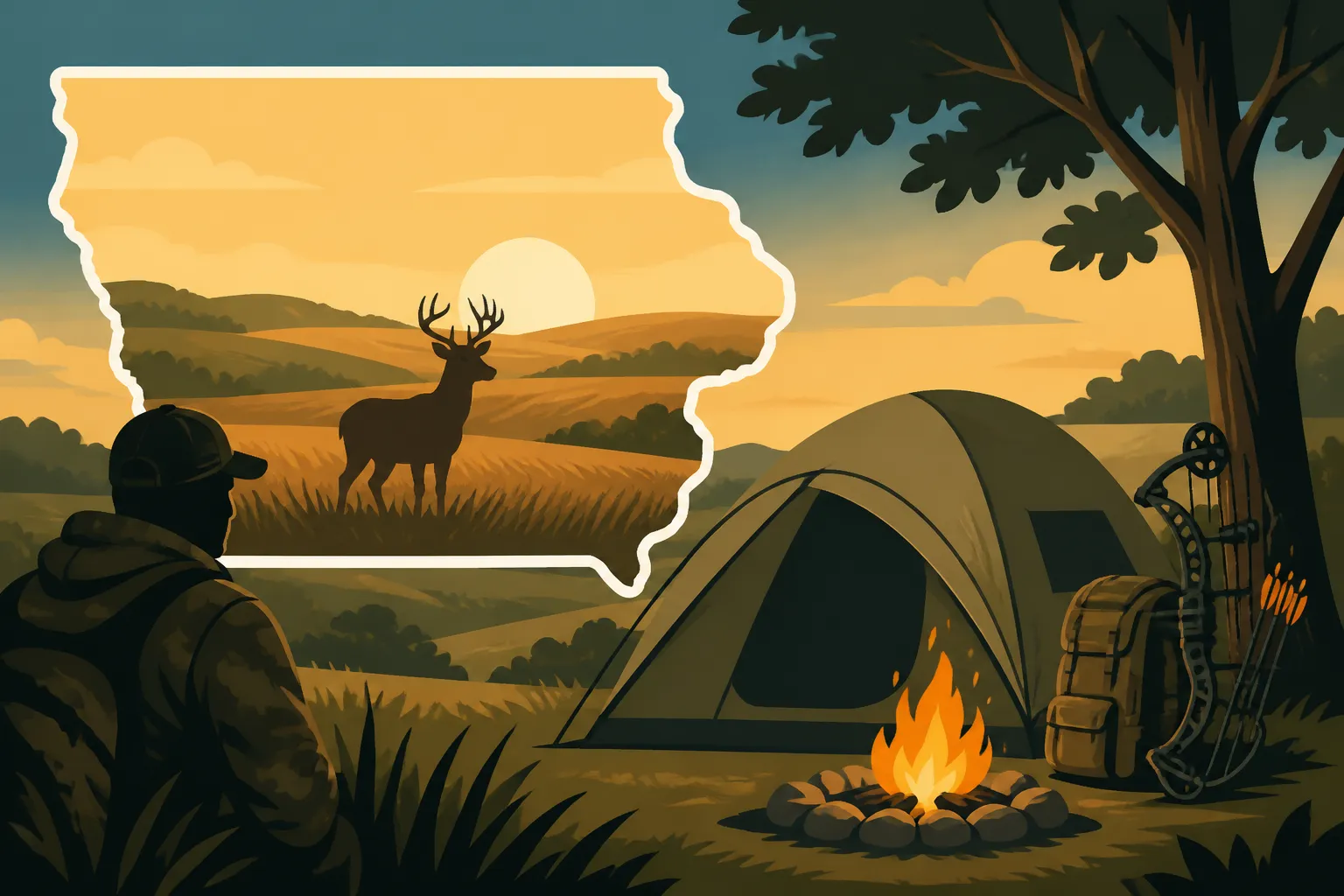
Camping on Iowa Public Hunting Land
Trying to maximize your time in the Iowa woods means thinking about more than just your stand setup or your calling sequence. It often means figuring out where you're going to lay your head down at night. It's a common frustration for hunters, especially those traveling a bit of a distance, to want to stay as close to their hunting grounds as possible, only to be met with confusion about what's actually allowed when it comes to camping on public land in Iowa. This guide is all about cutting through that confusion, helping you understand the rules, find the right spots, and make the most of your hunting adventure without running afoul of any regulations.
Understanding Iowa's Public Land Camping Regulations
Navigating the world of public land in Iowa can feel like a maze, especially when you're thinking about extending your stay beyond daylight hours. The truth is, not all public hunting land is created equal when it comes to pitching a tent. It's tempting to think that "public" means "do whatever you want," but that's simply not the case, and understanding the nuances can save you a big headache (and potentially a fine).
General Rules and Restrictions on WMAs and State Forests
Most of Iowa's public hunting land falls under the Iowa Department of Natural Resources (DNR) as Wildlife Management Areas (WMAs) or various State Forests. For these areas, the general rule of thumb is that primitive camping, or any camping outside of a clearly designated campground, is typically not allowed. This can be a real bummer if you've driven a few hours and envisioned a quick tent setup near your morning stand.
Think about it from the perspective of land management and protecting these precious resources. If everyone could camp anywhere, you'd quickly see issues with sanitation, litter, habitat degradation, and fire hazards. That's why the DNR has specific rules in place. These might include prohibitions on open fires outside of established fire rings (where allowed), strict requirements for packing out all trash, and limits on how long you can stay even in a designated spot. Disturbing natural features, cutting firewood, or leaving any trace of your presence is generally frowned upon or explicitly forbidden. You might find a designated primitive campground within a larger state forest, like parts of Yellow River State Forest, where you can set up camp, but it's essential to confirm those specifics before you roll in. Imagine getting all your gear out, setting up your tent after a long day of Iowa Whitetail Hunting Tactics Through the Rut, only to have a conservation officer inform you that you're in a no-camping zone and have to pack up in the dark. It’s definitely not how you want to end your evening.
Specifics for IHAP (Iowa Habitat and Access Program) Lands
The Iowa Habitat and Access Program, or IHAP, is an incredible resource for hunters, opening up thousands of acres of private land for public hunting access. However, when it comes to camping, there's a very clear distinction: camping is generally NOT allowed on IHAP lands. This is perhaps one of the most important rules to remember for a nonresident or anyone new to Iowa's public access programs.
The reason for this is quite straightforward. IHAP land is still private property; it's simply leased by the DNR for hunting, fishing, and trapping. The agreement with the landowner does not typically include permission for overnight stays or camping. These landowners are generously allowing access for day-use activities, and camping would infringe upon their property rights and the spirit of the program. While you might be able to leave a temporary ground blind or even a treestand overnight (always check specific area rules for this, as they vary and require proper tagging), setting up a tent for the night is a definite no-go. You can scout these areas on foot all day long, checking for deer sign or potential stand locations, but you'll need to leave by legal shooting hours' end. It’s easy to see an Iowa IHAP Tracts on Foot sign and think, "Great, I'll just stay here!" only to realize later that you need to find alternative lodging. Always respect these rules to ensure the program continues to thrive.
Corps of Engineers and Federal Land Considerations
Beyond state-managed lands, Iowa also has federal public lands, primarily managed by the U.S. Army Corps of Engineers (COE), particularly around the state's large reservoirs like Saylorville, Lake Red Rock, and Coralville Lake. These areas often have a mix of wildlife management units, recreational areas, and designated campgrounds, and their rules can differ significantly from state lands.
Corps of Engineers campgrounds are typically developed sites with amenities like paved pads, electric hookups, restrooms, and sometimes showers – a far cry from primitive camping. These usually come with a fee and require reservations, especially during peak seasons. However, some COE lands might offer limited "dispersed" or primitive camping in specific, designated zones, usually away from main recreation areas. This is far less common than in western states, so don't assume. For instance, areas around the Upper Mississippi Refuge Hunting might have very specific rules due to the unique ecosystem and migratory bird management. You absolutely need to consult the specific rules for the individual lake or river project you're interested in. Their websites and local ranger stations are your best friends here. Don't just show up expecting to throw down a sleeping bag near the lake shore; always verify first.
Finding Designated Camping Areas Near Hunting Grounds
So, if you can't just pitch a tent anywhere on public land, where can you camp? The good news is that Iowa has a fantastic network of state parks and county conservation areas that often have campgrounds. The trick is to find ones that are conveniently located to your hunting spots.
Iowa State Parks and County Conservation Board Campgrounds
While hunting itself is often restricted within the boundaries of Iowa State Parks, many of these parks host excellent campgrounds that are conveniently situated near larger WMAs or State Forests where hunting is allowed. Think of it as your base camp, offering a comfortable retreat after a long day in the field. These campgrounds vary wildly in their offerings, from modern sites with electricity, water hookups, and shower houses to more primitive, walk-in sites with just a fire ring and a picnic table.
The same goes for County Conservation Board (CCB) areas. Almost every county in Iowa has a County Conservation Board, and these manage numerous parks, wildlife areas, and natural preserves. Many CCB parks feature smaller, often less crowded campgrounds than their state park counterparts. Some even have very rustic, first-come, first-served primitive sites that are perfect for a hunter looking for a quiet place to stay without a lot of fuss. These can be gold mines for hunters, as they are frequently adjacent to or just a short drive from productive hunting land. For example, after a day of Hunting Saddles and Pinch Points in Rolling Timber in a state forest, a nearby county park campground can offer just enough comfort to recharge for the next morning. Always check the specific county's conservation board website or give them a call to understand their camping regulations and availability.
Using Online Resources and Mapping Tools
In this digital age, you've got some powerful tools at your fingertips to help pinpoint these camping opportunities. Forget poring over paper maps for hours; modern apps and websites make it incredibly easy to see land ownership and identify camping spots.
One of the most valuable resources is a mapping application like onX Hunt. These apps layer private and public land boundaries right on your phone or tablet, making it simple to visualize where you can hunt. Many of them also include features to show campgrounds, hiking trails, and other points of interest. You can zoom in on your target hunting area, identify nearby public hunting access, and then scan the surrounding area for any campground icons. Similarly, websites like GoHunt can provide detailed information on hunting units and often link to nearby recreational amenities, including camping. The official Iowa DNR hunting atlas is another fantastic resource for Downloading Iowa Public Land Maps and will often highlight designated camping areas. Don't be afraid to use good old Google Maps as well, especially the satellite view, to get a sense of the terrain around potential campsites and how close they are to your desired hunting spots. It's truly a game-changer when you're trying to locate a campground that's just a 10-minute drive from the boundary of Stephens State Forest Hunting. A little bit of digital legwork before you leave home can save you hours of driving around searching once you're on the ground.
| Camping Type | Typical Amenities | Cost Range | Proximity to Hunting | Common Rules/Notes |
|---|---|---|---|---|
| State Park Campground | Electric, Water, Showers, Restrooms | Moderate to High | Usually Good | Reservations often needed, hunting usually restricted in park. |
| County Park Campground | Basic Electric, Pit Toilets, Water | Low to Moderate | Often Excellent | First-come, first-served options, may be primitive. |
| State Forest Primitive | Fire Ring, Picnic Table (sometimes) | Free to Low | Excellent | Limited sites, specific zones, check individual forest rules. |
| Federal (COE) Campground | Electric, Water, Showers, Paved Pads | Moderate to High | Varies | Reservations common, fee-based, specific project rules apply. |
| IHAP Land | N/A (Not Permitted) | N/A | N/A | No Camping Allowed. Day use only. |
Primitive Camping and "Backcountry" Considerations
For many hunters, the appeal of camping on public land isn't just about convenience, it's about the experience – that feeling of truly being out in the wild, away from the crowds and the hum of RVs. While Iowa isn't the vast wilderness of some western states, there are still opportunities for a more primitive camping experience, provided you know where to look and respect the rules.
When and Where Primitive Camping Might Be Allowed
True "backcountry" or dispersed camping, where you can literally pitch your tent anywhere, is exceptionally rare in Iowa. Most opportunities for primitive camping exist within the larger Iowa State Forests. Places like Yellow River State Forest in northeast Iowa or Stephens State Forest in the southern part of the state sometimes offer designated primitive camping areas. These aren't always developed sites; they might simply be a clearing in the timber accessible by a gravel road, with a small sign indicating it's a designated primitive camping zone. You're unlikely to find amenities like running water or electricity here, but you'll get the solitude you're looking for.
It's crucial to understand that even in these state forests, "primitive" doesn't mean "anything goes." There will still be regulations, such as staying within a certain distance of established roads, limitations on the number of nights you can stay, and strict fire restrictions, especially during dry periods. You absolutely need to check with the specific State Forest office or the Iowa DNR website for the precise rules and locations where this type of camping is permitted. Never assume that just because it's a forest, you can camp anywhere. This due diligence ensures you're compliant and helps preserve these areas for everyone. For example, Yellow River State Forest Hunting has some popular areas, and knowing the specific camping zones helps manage usage.
Practicing Leave No Trace Principles
Whether you find a designated primitive site or a more developed campground, practicing Leave No Trace (LNT) principles is paramount, especially as hunters. We rely on healthy ecosystems and continued access to public lands, and our actions directly impact both. Leaving a clean camp is not just about being a good citizen; it's about being a responsible outdoorsman.
This means literally packing out everything you pack in – and then some. Don't leave food scraps, wrappers, spent shotgun shells, or anything else behind. If you have an open fire (only in designated rings and if permitted), make sure it's completely out, cold to the touch, before you leave. Avoid cutting live trees for firewood; if you need wood, either gather deadfall that can be easily broken by hand or bring your own. When primitive camping, use established sites if available. If not, choose durable surfaces like bare ground or existing clearings. For human waste, bury it in a cathole at least 6-8 inches deep and 200 feet from water, trails, and campsites. The goal is to leave the area as if you were never there, or even better. This respect for the land is vital for maintaining hunter access and ensuring these wild spaces remain wild. Think about the legacy you're leaving; future generations of hunters will thank you for being diligent.
Practical Tips for Public Land Camping Hunters
Okay, so you've done your research, you know where you're going, and you understand the rules. Now, let's talk practicalities. Camping while hunting in Iowa presents its own unique set of challenges, from weather swings to managing gear and respecting fellow hunters.
Pre-Trip Planning and Research
The most critical piece of advice for any hunting trip involving camping, especially on unfamiliar Iowa public land, is thorough pre-trip planning. Don't just show up and hope for the best. Start by identifying your primary hunting zones. Then, using those mapping apps like onX Hunt or even the good old Iowa DNR Using the Iowa DNR Hunter Atlas, locate potential campgrounds or primitive sites within a reasonable driving distance. "Reasonable" might mean 15 minutes or 45 minutes, depending on the area and the amenities you desire.
Once you have potential sites, call ahead. Seriously, pick up the phone. Contact the specific Iowa DNR district office, State Forest office, or County Conservation Board that manages the land. Ask about current camping regulations, availability, whether reservations are needed, and any fire restrictions. This is especially important during deer seasons when campgrounds can fill up fast, or if there have been recent weather events that impact access. For example, before heading out for some Late Muzzleloader Deer Hunting in Iowa, you'd definitely want to know if the nearest primitive campsite is still accessible or if recent snow has closed roads. Having a backup plan for camping is always a good idea too; know of at least two or three options in case your first choice is unavailable or unsuitable.
Gear Essentials for Comfort and Compliance
Your camping gear setup will significantly impact your comfort and overall hunting experience. Since Iowa weather can be wildly unpredictable, particularly during hunting seasons, you need versatile gear. A good quality, lightweight, and packable tent is essential, especially if you're hiking into a primitive site. Don't skimp on a sleeping bag; a bag rated for temperatures lower than you expect to encounter is always a wise choice, particularly for those chilly Staying Warm on a December Sit.
Consider a portable cooking system. Even if campfires are allowed, a small propane stove is quick, efficient, and less impactful. A reliable headlamp (with extra batteries!) is non-negotiable for navigating camp in the dark and for those early morning walks to your stand. Water purification options, like a filter or purification tablets, are smart to carry, even if potable water is available, as backup. For primitive camping, a small trowel for burying waste is crucial for compliance. Think about how your gear integrates with your hunting needs; for example, quiet fabrics for your sleeping bag or tent can prevent startling game if they happen to pass near your camp. Make a checklist and run through it before you leave home.
Managing Logistics and Respecting Other Users
Finally, a few logistical considerations and common courtesies can go a long way in making your public land camping and hunting experience a positive one for everyone.
First, parking. Always park in designated parking areas. If you're at a primitive site or a small WMA, make sure your vehicle is completely off the main road and not blocking any gates or access points. Remember, Parking Away From Your Stand isn't just a hunting tactic; it's a general courtesy for other land users. In shared campgrounds, be mindful of noise. Many hunters are up well before dawn, and others are winding down early after a long day. Keep generators and loud music off during quiet hours.
Second, maintain a clean camp. This ties back to Leave No Trace, but it also means securing your food to prevent attracting wildlife or pests. A clean camp is a safe camp and respectful to other users. You might encounter other hunters, hikers, or even birdwatchers. A friendly nod and a polite greeting are always in order. Respect others' space and their pursuit, whatever it may be. If you're running a shotgun drive for Party Hunting Rules and Safe Drives, make sure you're well away from any established camping areas. Being a good ambassador for hunters helps ensure these public lands remain open and welcoming for generations to come.
Disclaimer
This article is for general informational purposes only and does not constitute professional advice. Laws, prices and regulations vary by location and change over time. Consult a qualified professional for guidance on your specific situation.