Hunting the Iowa Pre-Rut in Late October
The Iowa pre-rut in late October can feel like a chaotic puzzle. One day, bucks are cruising everywhere, and the next, it seems like they've vanished into thin air, leaving you wondering if you're even in the right spot. It’s a period of immense anticipation, but also frequent frustration, as deer behavior can be incredibly unpredictable. This guide is designed to cut through that confusion, giving you the insights and actionable strategies you need to capitalize on the most exciting deer hunting phase in Iowa before the full-blown rut kicks in.
Understanding the Iowa Pre-Rut Dynamics
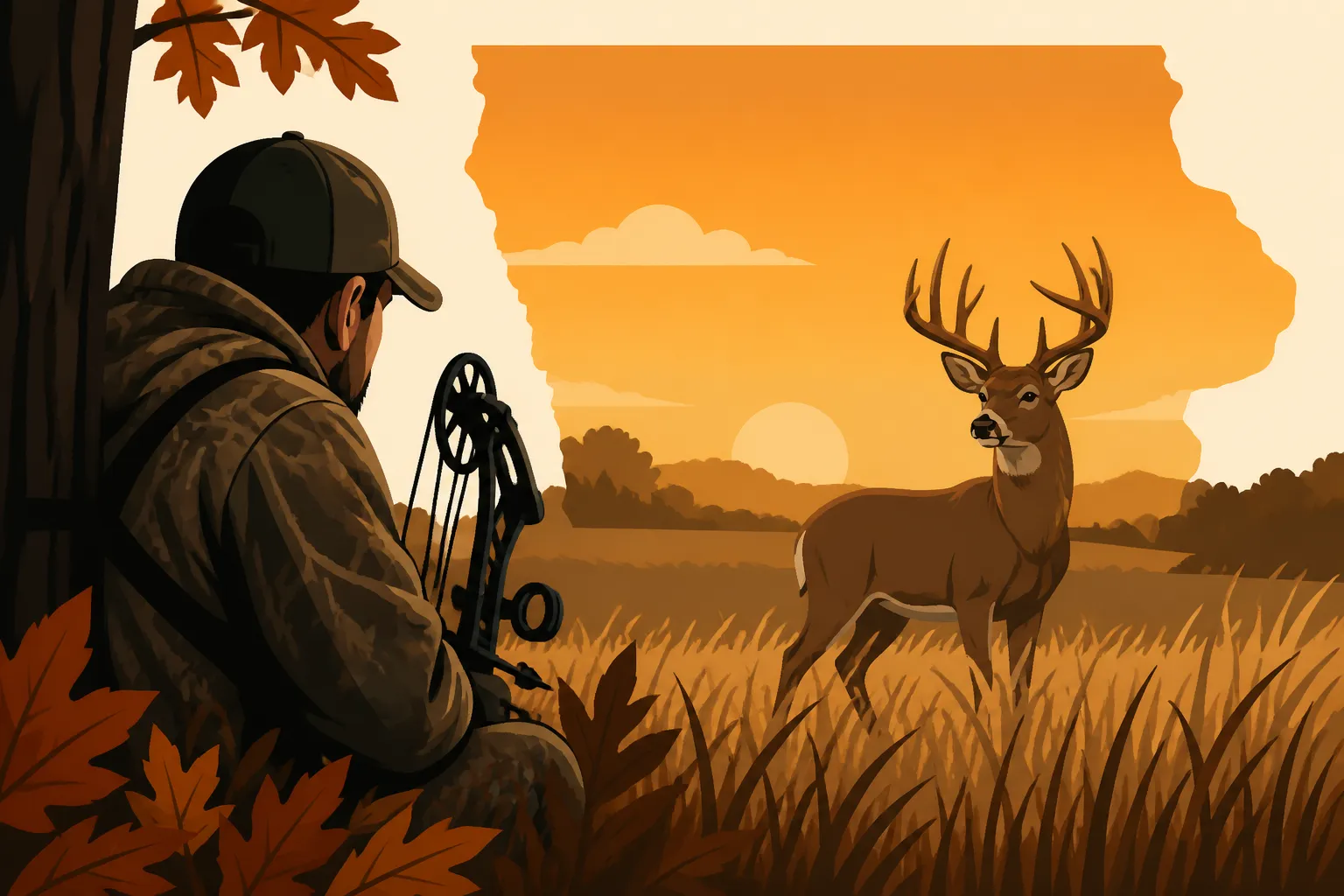
Late October in Iowa isn't just another stretch of hunting season; it's a pivotal transition phase. The pre-rut is that exhilarating time when bucks, driven by surging testosterone, start to shed their bachelor group mentalities and actively seek out the first does coming into estrus. It’s a period of heightened activity where a mature buck might throw caution to the wind more readily than at any other point, making it a golden window for serious hunters.
Defining the Late October Window
When we talk about the late October window for the pre-rut, we're generally looking at the last two weeks of the month, roughly from October 15th to October 31st. This isn't a hard and fast rule, as Mother Nature always has her own schedule, but it's a solid guideline. Before this, you're often dealing with more predictable early-season patterns, where deer are still heavily focused on food and transitioning from summer habits. After this, especially as we roll into early November, the full rut often explodes, bringing with it a different set of challenges and opportunities. The pre-rut is characterized by bucks actively scent-checking, making scrapes, rubbing trees, and generally covering more ground, but still often sticking to somewhat predictable bedding-to-feeding routes. It’s a delicate balance of aggression and caution, a period when a buck might be seen chasing a doe or scent-checking a field edge during daylight hours. This is why knowing the difference between the pure pre-rut and the peak rut is crucial; your tactics need to adapt.
The Biological Drivers Behind Increased Activity
What truly ignites this surge of activity? It's all about biology, specifically the photoperiod – the decreasing amount of daylight hours – and the resulting hormonal changes in whitetail deer. As the days shorten in late October, a buck's testosterone levels skyrocket. This hormonal surge is the primary driver behind their increased aggression, territorial marking, and, most importantly, their intense desire to find does. The does, while not yet in peak estrus en masse, are also starting to experience subtle shifts. Some younger does or those in specific regions might come into estrus a little earlier, acting as "teasers" that drive the bucks absolutely wild. These early estrus does are like magnets, pulling bucks out of their secure cover and forcing them to travel more during daylight. Understanding these biological triggers helps you anticipate deer movement patterns rather than just reacting to them.
Why the Pre-Rut is So Productive for Hunters
The pre-rut is arguably one of the most productive times to be in the deer woods, especially if you're targeting a specific mature buck. What makes it so effective is the combination of factors at play: bucks are actively seeking, they're starting to become more careless, but they haven't yet completely abandoned their core areas or predictable movements. During the peak rut, bucks can literally be anywhere, often running miles out of their home range after a hot doe. In the pre-rut, they're still often operating within or near their core territories, just expanding their search parameters. This means if you've done your homework, if you've been doing your E-Scouting Iowa Farm Country From Home and found a buck's core area, you have a much better chance of intercepting him. They are driven by an irresistible urge but haven't yet completely lost their minds, offering a sweet spot where aggression meets semi-predictability.
Deer Behavior During Late October
The shift in deer behavior during late October is palpable. It’s like the entire deer herd gets a jolt of caffeine, especially the bucks. Gone are the lazy, predictable summer patterns. Now, even the most reclusive mature bucks start to show their faces during daylight, compelled by an instinctual drive that overrides their inherent caution. Recognizing these shifts is paramount to putting yourself in the right place at the right time.
Increased Buck Movement and Sign Creation
One of the most exciting aspects of the pre-rut is the dramatic increase in buck movement. They aren't just moving to feed anymore; they're cruising. This cruising behavior is primarily driven by their search for the first estrus does. You’ll start seeing more rubs, where bucks violently scrape their antlers and foreheads against trees, leaving visual and scent markers. These aren't just random acts; they're advertising their presence and dominance. Even more telling are the scrapes. Bucks will paw away leaf litter, urinate on their tarsal glands into the bare earth, and often rub an overhanging branch (the "licking branch"). These scrapes are essentially social media posts for deer, telling other deer who's in the area and their reproductive status. Finding a fresh, active scrape line, especially one with a well-worked licking branch, is a huge indicator that a buck is consistently working that area. These signpost communications become crucial waypoints for hunters to key in on. Pay close attention to these indicators, as they can tell you a lot about the direction and frequency of buck movement.
Doe and Fawn Group Dynamics
While bucks are the stars of the pre-rut show, the does are the reason for the show. Their shifting dynamics play a critical role in where and when bucks will be. In early October, does are still very much in their family groups, focused on raising their fawns. As late October progresses, these groups might start to fragment slightly as individual does get closer to estrus, or as bucks actively pursue them. A buck will often "nose" a doe, following her closely, checking her urine for signs of estrus. These interactions, even if brief, pull bucks into areas they might not frequent otherwise. For hunters, this means that even if you're targeting a buck, watching doe movement patterns can give you clues. If does suddenly seem jumpy or are being shadowed, a buck is likely nearby. Moreover, understanding how these doe groups utilize cover and food sources can help you position yourself in areas where bucks are likely to intersect them.
Food Source Importance: Shifting Priorities
Food sources always matter, but their role shifts in the pre-rut. Earlier in the season, deer movement is almost entirely dictated by what's on the menu – acorns, lush bean fields, or standing corn. In late October, food is still critical for energy, but it becomes a secondary draw for bucks, behind their primary drive to find does. This means bucks might still hit a preferred food source, but they're doing so with a heightened sense of urgency and awareness, constantly scent-checking for does. A large, open picked bean field might not be as appealing during daylight as a smaller, more secluded food plot or an oak flat dropping acorns near heavy cover. Bucks are less likely to leisurely feed in wide-open spaces during peak daylight. Instead, they’ll often skirt the edges, or hit food plots closer to their bedding areas. You might find bucks browsing on browse in the timber or quickly moving through a Standing Corn and Bean Field Deer Patterns before heading into thicker cover. The key is to find those smaller, protected food sources, or access points to larger ones, that bucks feel safe enough to visit during shooting light while they’re on the prowl for does. Using mapping tools like GoHunt can help identify these subtle transitions and more secure feeding areas.
Scouting Strategies for Pre-Rut Success
To truly capitalize on the Iowa pre-rut, you can't just stumble into the woods hoping for the best. Effective scouting is your secret weapon, allowing you to pinpoint high-activity areas and understand recent deer movement. It's a combination of modern technology and good old-fashioned boots-on-the-ground effort.
E-Scouting and Aerial Imagery Analysis
Before you ever set foot in the timber, your scouting efforts should start from the comfort of your home, glued to your computer or tablet. Using tools like the Iowa DNR Hunter Atlas or platforms like GoHunt and onX Maps allows you to become an armchair expert on your hunting grounds. Look for key terrain features that act as natural funnels or travel corridors. Think about how deer would move from bedding areas – often dense cedar thickets, brushy draws, or CRP fields – to feeding areas. Identify pinch points between timber blocks, creek crossings in row crop country, or saddles and benches deer cross daily in rolling terrain. These are the highways deer prefer, and during the pre-rut, bucks will be using them even more frequently as they cruise for does. Pay special attention to features that connect different types of cover or food sources. A narrow timber strip connecting two larger blocks of woods, for example, is often a superhighway for deer movement. Remember, the goal is to predict where a buck will be, not just where he has been. Look for subtle changes in elevation, old fence lines, or drainages that naturally direct deer movement.
Boots-on-the-Ground Reconnaissance
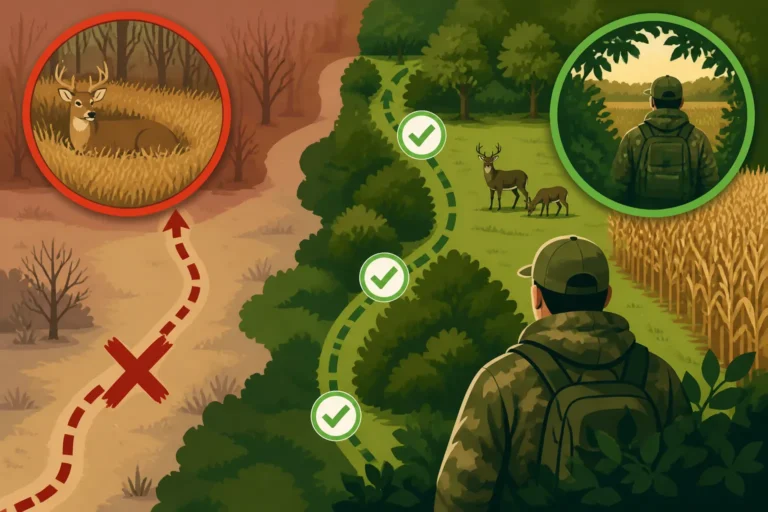
Once you've identified potential hotspots on your maps, it's time to put boots on the ground. This isn't about aimlessly wandering; it's about confirming what you saw on the map and looking for fresh sign. During the pre-rut, fresh rubs and scrapes are your best friends. A line of fresh rubs leading into a bedding area, or a cluster of active scrapes along a field edge, tells you a buck is actively using that area right now. Walk slowly, observing every detail. Pay attention to well-worn deer trails, especially those that show signs of recent heavy use. Look for tracks – bigger tracks mean bigger deer. The key is to be as low-impact as possible. Don't go crashing through bedding areas. Instead, scout the edges, use binoculars to glass from a distance, and try to understand the flow of deer movement without disturbing the deer too much. If you're hunting public land, be mindful of Hunting Pressure Patterns on Iowa Public Land. You might need to go deeper or find less obvious access routes to avoid areas already saturated with human scent. Understanding Reading an Iowa Timber Draw for Deer Sign, for instance, can reveal hidden travel corridors you'd otherwise miss.
Trail Camera Intelligence
Trail cameras are invaluable tools for gathering intel during the pre-rut. They offer a non-invasive way to monitor deer activity, identify specific bucks, and establish patterns of movement. Place cameras on active scrape lines, along well-used travel corridors, or overlooking those smaller, secluded food sources you identified. Don't just focus on the obvious spots; sometimes placing a camera on a subtle trail leading to a water source can reveal a hidden gem. During the pre-rut, check your cameras more frequently if possible, as buck behavior can change quickly. What was a hot spot last week might be less active this week as bucks expand their range. Look for daylight photos of mature bucks, which indicate they are moving during legal shooting hours. Pay attention to the timing of their visits – are they moving primarily in the early morning, late evening, or are you seeing midday movement? This data is crucial for deciding when to be in your stand. Just remember, on Iowa public land, most regulations require that trail cameras must be marked with your DNR customer ID number and may not damage trees.
Effective Stand Placement
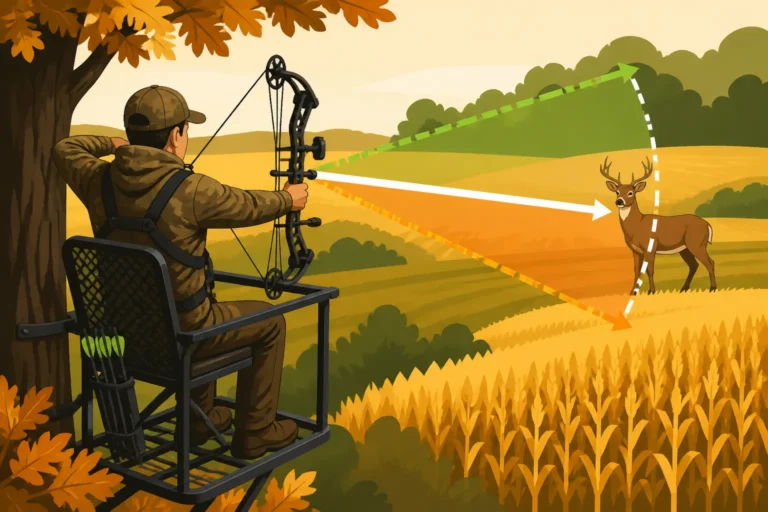
Choosing the right stand location is perhaps the most critical factor for pre-rut success. Bucks are moving, but often with purpose, checking specific areas for does. Your job is to intercept them on their journey, whether they're cruising through timber, checking a field edge, or visiting a primary scrape.
Funnel Points and Pinch Points
These are the absolute bread and butter of pre-rut hunting. Funnels are natural or man-made features that concentrate deer movement into a narrower corridor. This could be a strip of timber between two open fields, a brushy fence line connecting two woodlots, or a narrow section of woods where a creek meanders, forcing deer to cross at specific points. Pinch points are even tighter restrictions, like a small saddle between two hills or a sharp bend in a river that forces deer to walk a specific path. During the pre-rut, bucks will actively use these funnels and pinch points as they systematically search for does. They offer a highly efficient way for a buck to cover ground and scent-check, increasing your odds of an encounter. When you're Hunting Saddles and Pinch Points in Rolling Timber, think about wind direction and thermal currents, especially in areas like river breaks, to ensure your scent isn't blowing into their path. Look for multiple trails converging in these areas, indicating heavy traffic.
Bedding to Feeding Transitions
While bucks are cruising, they still need to rest and eat. Intercepting them as they transition between their bedding areas and preferred food sources is another highly effective strategy. Bedding areas are typically dense, thick cover – think cedar thickets, multiflora rose patches, or CRP grass where bucks feel secure. During the pre-rut, a buck might get up from his bed a little earlier in the afternoon or return to it a little later in the morning, taking detours to check for does along the way. Focus your stand placement along the primary travel corridors leading out of or into these bedding areas, particularly those that offer good cover for deer movement. Look for secondary food sources nearby, like a small oak flat dropping acorns, or a secluded food plot that provides a quick meal before a buck heads out to a larger field. The key is to be as close to the bedding area as you dare without bumping deer. This requires careful consideration of Access Routes That Do Not Bump Deer, ensuring your entry and exit are silent and scent-free.
Overlooking Scrapes and Rub Lines
Active scrapes and rub lines are like flashing neon signs in the pre-rut, screaming "bucks are here!" A mature buck will often have a "primary scrape" – a larger, consistently worked scrape that serves as a central communication hub. These are usually found on field edges, along timber lines, or at junctures of multiple deer trails. Hanging a stand where you can overlook a primary scrape, especially with the wind in your favor, can be incredibly effective. Bucks will visit these scrapes, sometimes multiple times a day, to check for scent and leave their own calling card. Similarly, a fresh, heavy rub line indicates a buck is using that specific travel route regularly. Positioning a stand downwind of such a rub line, or in a funnel that feeds into it, puts you directly in his path. It's important to differentiate between old, abandoned scrapes and fresh, active ones. Look for fresh dirt, strong tarsal gland scent, and a heavily worked licking branch to ensure you're hunting an area currently being used by a buck.
Calling and Decoying Tactics
The pre-rut is one of the best times to get aggressive with your calling and decoying tactics. Bucks are feeling their oats, testosterone is high, and they’re looking for competition or receptive does. This heightened state of mind makes them more vulnerable to vocalizations and visual attractants.
Aggressive Grunt Calling
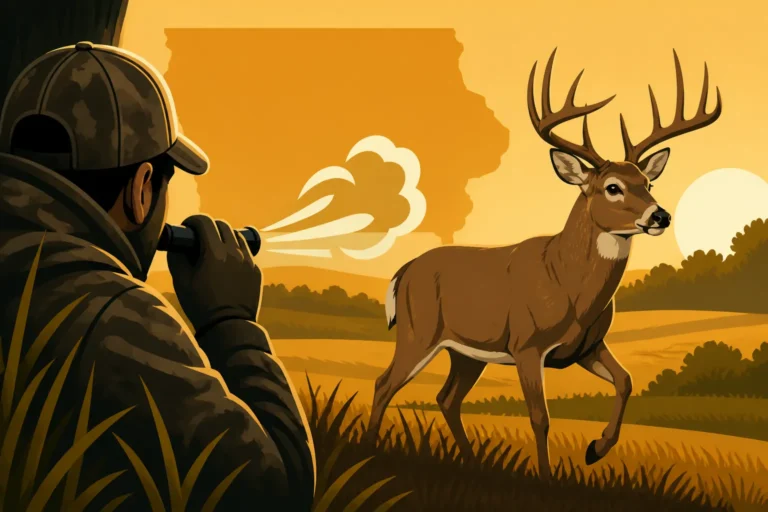
During late October, bucks are actively seeking and sparring. They are much more likely to respond to grunt calls, especially those mimicking a social buck or even a buck trailing a doe. Don't be shy with your grunts during this period. Start with some basic tending grunts, like a buck trailing a doe, which can pique the interest of cruising bucks. If you see a buck at a distance that isn't heading your way, try a more aggressive "challenge" grunt or a series of rhythmic grunts to simulate a buck actively working a scrape or chasing a doe. The key is to be realistic with your sounds. There are many great grunt tubes on the market; practice with yours beforehand. Sometimes, a series of softer grunts followed by a short pause, then a slightly louder series, can mimic a buck moving and searching. Remember, a buck isn't just looking for does; he's also asserting dominance. A well-placed grunt can challenge that dominance, making him curious or even outright aggressive. Mastering Grunt Calls That Work in the Pre-Rut can really elevate your game.
Rattling Sequence Timing
Rattling can be incredibly effective during the pre-rut as bucks start to engage in more sparring and dominance displays. The sounds of two bucks clashing antlers can draw in curious or aggressive bucks from a considerable distance. When should you rattle? Typically, it's best to rattle when you either see a buck out of range, or when you haven't seen anything for a while and want to stir things up. Start with a relatively soft, short sparring sequence, mimicking younger bucks pushing each other around. If you get no response, after about 15-20 minutes, try a more aggressive sequence – longer, louder clashes, broken up with some thrashing of brush and grunts, simulating a more serious fight. This aggressive sequence can really get a mature buck’s attention. Always be ready to shoot immediately after a rattling sequence, as bucks often come in fast and silently, circling downwind to catch a whiff of the "intruders." The wind direction is critical when rattling; you want your scent to be blowing away from the direction you expect the buck to approach from. Consider the Rattling Volume in Thick Timber, as you don't want to overdo it in dense areas, but might need to be louder in more open country.
Decoy Setup for Pre-Rut Bucks
Decoys can be a game-changer in the pre-rut, especially for drawing in those cruising bucks. A well-placed decoy can create a visual focal point that draws a buck's attention away from your stand and brings him into shooting range. For the pre-rut, a lone buck decoy, or a buck decoy with a subtle doe decoy, can be highly effective. The buck decoy can be set up to appear subordinate, with its head down, or aggressive, facing your shooting lane. When using a buck decoy, consider positioning it quartering away from your stand, which often encourages an approaching buck to circle and present a good shot opportunity. A doe decoy, especially if paired with a buck decoy, can also be very enticing, suggesting a receptive doe is in the area. Always place your decoy downwind of your stand, facing towards where you expect the buck to approach, so the buck can see it as he circles. Scent is also crucial; use some estrus doe urine around the decoy to make it even more convincing. Remember, Decoy Placement and Wind Direction, along with good scent control, are paramount for success. Brands like Montana Decoy or Dave Smith Decoys are popular for their realism and portability.
Adapting to Weather and Pressure
The Iowa deer woods are dynamic, and success in the pre-rut often hinges on your ability to adapt to changing conditions. Weather fronts and hunting pressure can drastically alter deer movement, demanding flexibility in your strategy.
Cold Fronts and Wind Influence
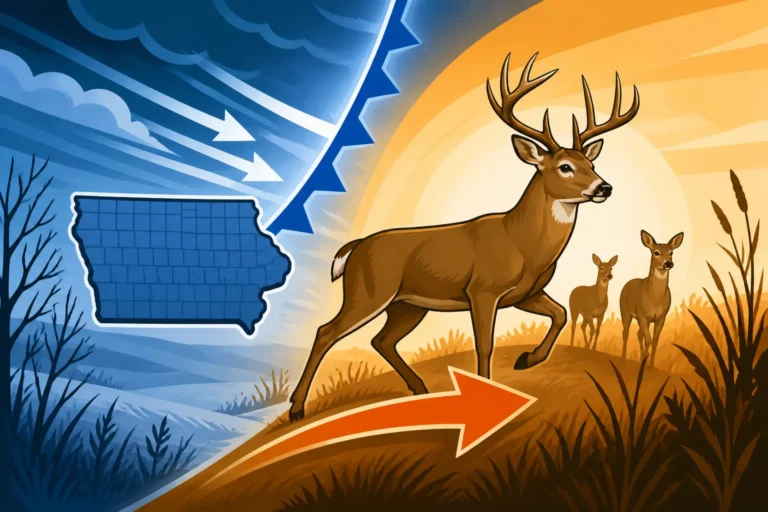
Nothing gets deer moving in late October quite like a crisp, clear cold front sweeping through. A significant drop in temperature after a warm spell almost invariably kickstarts deer movement, especially for bucks. They seem to sense the change and take advantage of the cooler, more comfortable conditions to increase their cruising activity. Keep a close eye on weather forecasts, and plan your hunts to coincide with these cold fronts. The days immediately following a front, particularly with high pressure, can be phenomenal. Wind, however, is a double-edged sword. A steady, moderate wind can be your friend, masking your approach and scent. Deer often move best in winds between 5-15 mph. However, strong, gusty winds can make deer skittish and prone to staying bedded, especially in open areas. High winds also make it harder for deer to hear and smell, which can work both for and against you. Always hunt with the wind in your favor, positioning yourself downwind of where you expect deer to approach. Understanding Wind and Thermals in River Breaks, or any other varied terrain, is vital to avoid having your scent blow into a buck's bedroom.
Handling Hunting Pressure
Iowa is known for its incredible deer hunting, which unfortunately means hunting pressure can be a significant factor, especially on public lands or smaller private parcels. Deer quickly learn to avoid areas with heavy human activity. If you're hunting public land, be prepared to walk further than most hunters are willing to go. Often, the biggest bucks are pushed into the nastiest, most overlooked cover simply because that's where they find refuge. Study aerial maps for remote corners, difficult access points, or pockets of thick cover that might be overlooked. Consider Hunting Iowa Walk-In Ground Without Burning It Out, focusing on smart entry and exit strategies to minimize disturbance. On private land, if you're dealing with pressure from neighbors, look for routes deer might use to escape that pressure. A thick fenceline, a creek bottom, or a secluded timber draw could become a daylight sanctuary for a mature buck trying to avoid hunters. Sometimes, hunting midweek instead of weekends, or focusing on mid-day hunts, can also help you avoid peak pressure times.
Midday Movement Opportunities
One of the most common mistakes hunters make during the pre-rut is abandoning their stands too early in the morning or returning too late in the afternoon. While dawn and dusk are typically peak movement times, the pre-rut is an exception where significant midday movement can occur. Bucks are actively seeking does, and they don't punch a time clock. A buck might bump a doe in the morning, lose her, and then spend the next several hours cruising intensely to find her again, or seek out another. This is especially true on cold, crisp days following a front. Commit to all-day sits in key locations like funnels, pinch points, or near bedding areas, especially on days with favorable weather. Pack a good lunch, plenty of water, and ensure you're comfortable and warm enough to stay put. Many mature bucks are harvested between 10 AM and 2 PM during the pre-rut simply because hunters willing to put in the time are the only ones in the woods. Don't let your guard down; that big buck could appear at any moment. This requires endurance, but the rewards can be monumental.
| Pre-Rut Tactic | Best Conditions | Primary Goal | Considerations |
|---|---|---|---|
| Aggressive Grunts | Cool, calm, post-cold front | Attract cruising or challenging bucks | Wind direction is critical; be ready to shoot immediately. |
| Rattling | Cool, calm, higher pressure | Simulate buck fight, draw in curious/dominant bucks | Start soft, increase aggression; follow with grunts. |
| Buck Decoy | Open areas, light wind | Visual attractant, challenge to other bucks | Set quartering away; use estrus scent; position downwind. |
| Doe Decoy | Open areas, light wind | Attract seeking bucks looking for receptive does | Can be paired with buck decoy; position downwind. |
| Scrape Hunting | After fresh sign, consistent use | Intercept bucks checking communication hubs | Verify freshness of scrape; good wind access needed. |
| Funnels/Pinch Points | All conditions, especially cold fronts | Intercept natural travel corridors | Requires good map scouting; manage entry/exit routes. |
| Midday Stands | Cold, crisp days; low pressure | Capitalize on non-peak movement | Pack for all-day sit; stay vigilant. |
Disclaimer
Hunting is an inherently dangerous activity. Always prioritize safety, adhere to all Iowa hunting regulations, and ensure you have proper training and licensing before heading into the field. This guide provides informational content only and is not a substitute for official DNR regulations or professional guidance. Rules and regulations can change, so always consult the most current Iowa DNR hunting proclamation.