Checking Zero Before Opening Day
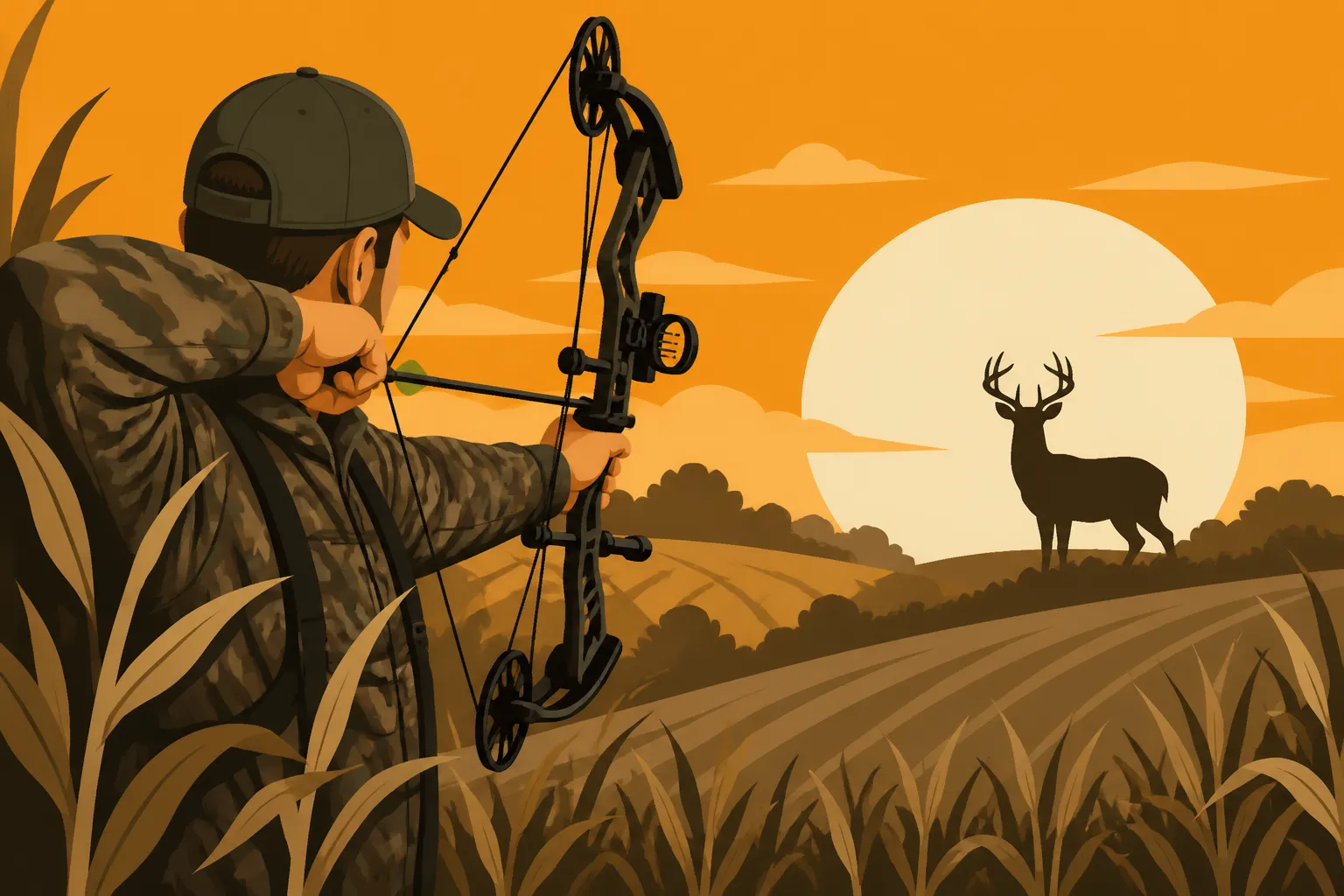
It's a scene most Iowa hunters know all too well: the opening morning of deer season dawns, crisp and cold, and a magnificent buck steps out. You raise your weapon, confidence soaring, only to have the shot go wide, leaving you with that gut-wrenching feeling of a missed opportunity, or worse, a wounded animal. Often, the silent culprit is a shifted zero, a tiny adjustment that can throw off even the steadiest aim. This guide will walk you through the essential steps to properly check and confirm your weapon's zero, ensuring you're fully prepared and ethically equipped for success in the field.
Why Your Zero Might Be Off And Why It Matters So Much
It's easy to assume that once you've sighted in your rifle, shotgun, or bow, it's set for good. You stash it in the gun safe, hang your bow on the rack, and don't think much of it until the season rolls around again. But Iowa's hunting seasons, with their varied conditions and travel, can be surprisingly tough on our gear. That "set it and forget it" mentality is a gamble that can cost you dearly when it matters most, leading to frustrating misses and, unethically, potentially wounded game.
The Hidden Culprits: Bumps, Drops, and Storage
Our hunting weapons are tools, and like any tool, they're subject to wear and tear, even when they're not actively being used. Think about the journey from your truck to your favorite stand, or the jostle in the back of the ATV on a bumpy farm lane. Those seemingly minor bumps and vibrations can slowly but surely shift a scope's internal components, loosen mount screws, or even slightly tweak a bow's cam timing or rest position. A fall, no matter how seemingly benign, can have a dramatic effect, even if there's no visible damage to the firearm or optic.
Even prolonged storage in varying temperatures can contribute. Imagine your rifle sitting in a warm house all summer, then being brought out into a cold, damp Iowa November. The expansion and contraction of materials, however slight, can influence how components seat against each other. It’s not just about obvious damage; it's about the cumulative effect of small stresses over time. This is why even if your gun looks perfectly fine, a re-check of its zero is a non-negotiable step before heading afield.
Environmental Factors and Ammunition Changes
Beyond physical shifts, environmental conditions play a significant role in where your projectile impacts. Temperature, humidity, and even barometric pressure can subtly alter a bullet's trajectory or an arrow's flight. A zero set in a balmy September afternoon might not be precisely accurate on a frigid December morning during Late Muzzleloader Deer Hunting in Iowa. The air density changes, affecting drag and lift, which can lead to a slight, but critical, shift in your point of impact, especially at longer ranges.
Furthermore, hunters often switch ammunition types or brands, or even different lots of the same brand, which can dramatically affect group consistency and point of impact. Even if you're using the same brand and bullet weight, a new box of shells from a different manufacturing batch can have slightly different powder charges or bullet seating depths. For bowhunters, changing broadhead brands or even switching from field points to broadheads requires a thorough re-tuning and re-zeroing process, as mechanical broadheads often fly differently than fixed blades, and both fly differently than field points. Always confirm your zero with the exact ammunition or broadheads you plan to hunt with.
The Step-by-Step Process for Re-Confirming Zero
Getting your weapon re-zeroed and your confidence high isn't just a chore; it's a fundamental part of ethical hunting and a critical pre-season ritual. Approach it systematically, and you'll eliminate much of the guesswork and anxiety that can plague hunters who rush the process. Think of it as tuning a finely-engineered instrument.
Gathering Your Gear and Choosing a Range
Before you even think about firing a shot, gather everything you'll need. This includes the weapon itself, plenty of the exact ammunition or arrows/broadheads you plan to hunt with (at least 20-30 rounds/shots for a good session), appropriate targets (paper targets with a clear aiming point are best for initial zeroing), a sturdy shooting rest or sandbags for firearms, and any tools needed for adjustments (scope caps, Allen wrenches for bow sights). Don't forget eye and ear protection, a cleaning kit, and a rangefinder. If you plan on doing some scouting or want to see public land options for future target practice, resources like GoHunt can be invaluable for finding local ranges or suitable, safe areas for private land practice.
Choosing the right range is paramount. Ideally, you want a safe, controlled environment where you can shoot at your desired zeroing distance without interruption. Public shooting ranges are great for this, often having multiple distances and stable benches. If you're on private land, ensure you have a safe backstop that will contain all projectiles and are well aware of your surroundings and any potential property lines. Always check local ordinances regarding firearm discharge. For most Iowa deer hunting, a 50 to 100-yard range is sufficient for slug guns and straight-wall rifles, while bowhunters will typically zero out to 40-60 yards, depending on their setup and personal maximum effective range.
The Actual Shooting Process: Fundamentals First
Start by getting your weapon "on paper." For firearms, this often means beginning at a closer distance, like 25 yards. This ensures you're hitting the target somewhere before moving back to your true zeroing distance. From a stable rest (a bench rest with sandbags works wonders), take three shots, aiming consistently at the exact same point. Don't rush; focus on proper breath control, a consistent sight picture, and a smooth trigger squeeze. Your goal here is to establish a tight group, even if it's not centered.
Once you have a group on paper, move back to your intended zero distance – perhaps 50 yards for a shotgun slug gun or a .350 Legend, or 20-30 yards for your bow. For firearms, use a Rangefinder in Timber to confirm your distance accurately. For bows, ensure your pins are dialed in at various distances. Shoot another three-shot group, maintaining the same fundamental shooting techniques. This group is what you'll use to make your adjustments. Repeat this process until you're consistently hitting where you aim.
Making Adjustments and Confirming Your Group
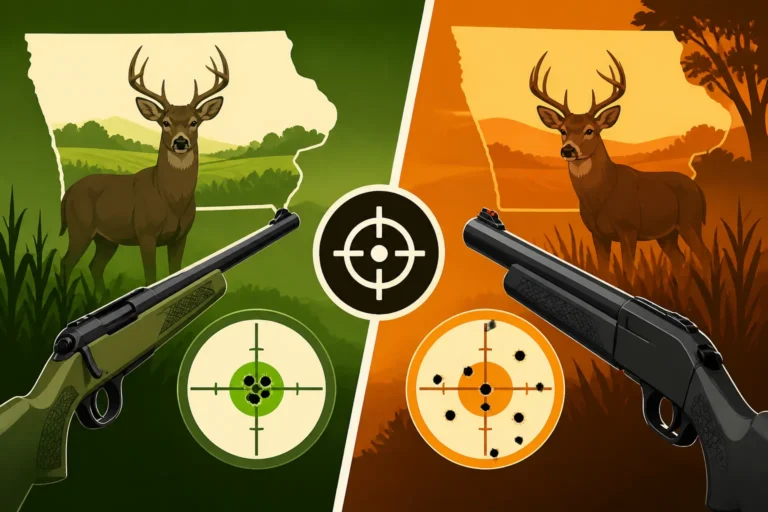
Now comes the moment of truth: interpreting your group and making sight adjustments. For a scope, count the number of clicks needed to move your point of impact to the center of your target. Most scopes have adjustments clearly marked (e.g., 1/4 MOA per click, meaning 1/4 inch at 100 yards). If your shots are hitting low and left, you'll need to adjust your scope "up" and "right." Make the adjustments, then shoot another three-shot group to confirm. Resist the urge to adjust after every shot; always shoot a group to see a trend.
For bowhunters, this involves adjusting your sight pins. If your arrow is hitting high, move your pin up. If it's hitting left, move your pin left. Remember the mnemonic "FORS" – Front Opposite, Rear Same. If your front sight needs to move right, move it right. If it needs to move left, move it left. Always make small adjustments and confirm with another group. The key here is patience and consistency. You're looking for repeatable accuracy, not just a lucky shot. This meticulous approach is vital for ensuring ethical Shot Placement on a Whitetail at Twenty Yards.
Specific Considerations for Iowa Deer Seasons
Iowa's diverse deer seasons call for different weapon platforms, each with its own set of considerations when it comes to zeroing. Understanding these nuances will help you prepare more effectively for whatever season you're participating in, from the early archery opener to the late muzzleloader hunts.
Slug Guns and Straight-Wall Rifles
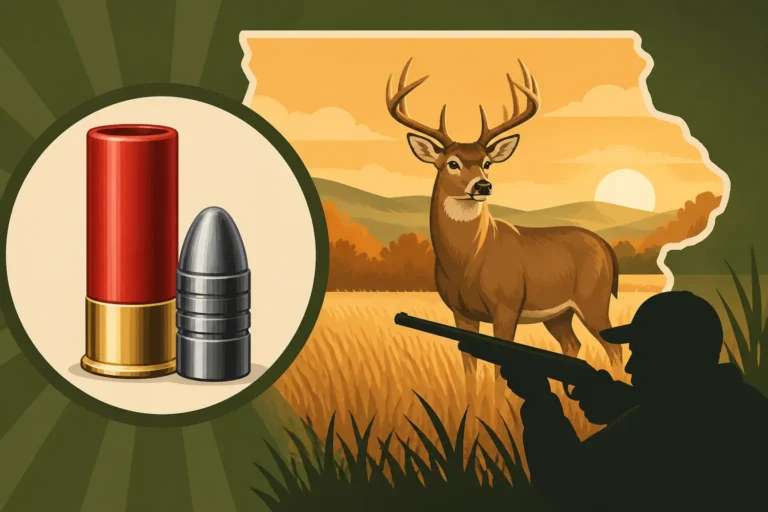
Iowa's shotgun and straight-wall rifle seasons are incredibly popular, and for good reason—they offer a powerful punch. However, these weapons require specific attention to their effective ranges and projectile performance. For slug guns, while modern sabot slugs fired from rifled barrels can be surprisingly accurate, they still have a more limited effective range compared to centerfire rifles. Many hunters choose to zero their slug guns at 50 yards, which provides a relatively flat trajectory out to about 100-125 yards with minimal holdover. It's crucial to understand your Slug Gun Range Limits in Iowa and practice at those distances. You can find more specific guidance on Zeroing a Slug Gun at Fifty Yards.
For those utilizing straight-wall cartridge rifles, which have become increasingly popular for Iowa deer, the process is similar but with potentially extended effective ranges. Cartridges like the .350 Legend or .450 Bushmaster offer flatter trajectories and greater accuracy at distances beyond what most slug guns can achieve, often making a 100-yard zero ideal. Again, consistency in ammunition is key. Experiment with different loads to find what shoots best in your rifle; sometimes, a particular bullet weight or manufacturer can produce significantly tighter groups. Checking resources like GoHunt for ballistic calculators can help you understand the trajectory of your chosen cartridge and dial in your Straight-Wall Rifle Range for Deer with precision.
Bows and Crossbows
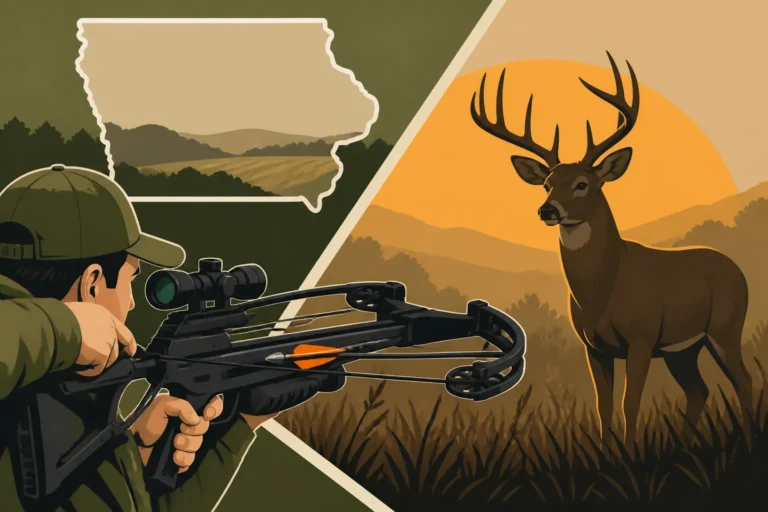
Bowhunting offers an incredibly intimate hunting experience, but it demands impeccable precision and practice. For vertical bowhunters, checking your zero involves more than just sight pins; it's about the entire system. Ensure your bow is properly tuned, your arrows are spined correctly for your setup, and your broadheads are flying true. Many fixed-blade broadheads require specific tuning to match the flight of field points, while mechanical broadheads typically fly closer to field points but should always be confirmed. You can find detailed advice in Tuning a Bow Before Iowa's Opener.
For crossbow hunters, while the mechanics are different, the need for a precise zero remains. Crossbows are often sighted in at 20 or 30 yards, with additional marks or scope reticles for longer distances. Like firearms, ensure your bolts are consistent in weight and fletching, and always practice with the exact broadheads you plan to hunt with. Whether you prefer Mechanical Versus Fixed Broadheads, confirming their flight is paramount. The biggest mistake a bowhunter can make is assuming their broadheads will fly identically to their field points without confirmation.
Muzzleloaders and Their Quirks
Muzzleloader season in Iowa, particularly the late season, can be a cold and challenging affair. These traditional (or modern-traditional) firearms have their own unique characteristics that require a dedicated approach to zeroing. Unlike cartridge firearms, each shot with a muzzleloader often involves a fresh charge of powder and a new projectile. Consistency is the name of the game here: use the same powder (and measure it precisely), the same primer, and the same bullet or sabot for every shot. Muzzleloader Accuracy at 100 Yards is achievable, but it demands careful attention to detail.
Another factor for muzzleloaders is cleaning. Some muzzleloaders perform best with a clean bore after every shot, while others might group better after a few "fouling shots." You need to understand your specific rifle's preference. Be mindful of moisture; a damp patch or inconsistent powder can throw your shot off. Since muzzleloaders are often single-shot, every shot in the field counts even more, making a reliable zero absolutely critical.
| Weapon Type | Recommended Zero Distance | Key Considerations |
|---|---|---|
| Shotgun (Slugs) | 50 yards | Max effective range, slug type (sabot vs. rifled) |
| Straight-Wall Rifle | 100 yards | Bullet weight, cartridge type, ballistic trajectory |
| Vertical Bow | 20-30 yards (multiple pins) | Broadhead flight, arrow spine, bow tuning |
| Crossbow | 20-30 yards (multiple reticles) | Bolt weight, broadhead flight, scope clarity |
| Muzzleloader | 50-100 yards | Powder consistency, projectile type, cleaning routine |
Integrating Practice and Ethical Hunting
Zeroing your weapon is just the first step. The true test comes when you integrate that precise calibration with real-world hunting scenarios. A perfectly sighted-in gun or bow is only as good as the person behind it. Ethical hunting demands not only a well-prepared weapon but also a well-prepared hunter.
Beyond the Bench: Field Practice and Scenarios
Once your weapon is zeroed from a stable rest, it's time to take your practice into conditions that mimic actual hunting. How often do you get a perfect bench rest shot in the field? Rarely! Practice shooting from different positions: standing, kneeling, sitting, and even from awkward angles you might encounter in a treestand. If you hunt from a treestand, practice shooting from an elevated position. There's a reason we often talk about Practicing Shots From a Treestand – the angle changes everything, affecting your aim and even how you hold your weapon.
Consider simulating shots through brush or around natural obstacles (always with a safe backstop, of course). Use your rangefinder to practice quickly and accurately determining distances in varied terrain, like creek bottoms or timber draws. This kind of dynamic practice builds muscle memory and confidence, making you more adaptable when a buck suddenly appears at an unexpected distance or angle. The more realistic your practice, the more prepared you'll be for the unpredictable nature of an Iowa hunt.
The Ethical Imperative of a Confident Shot
At its heart, ethical hunting is about making a clean, humane kill. A precisely zeroed weapon is a fundamental component of this. It minimizes the chance of a wounding shot and maximizes the likelihood of a quick, ethical harvest. When you're confident in your equipment and your abilities, you're more likely to wait for the perfect shot opportunity, knowing that when it presents itself, you're ready to execute. This commitment to preparation also reflects a deep respect for the animal you're pursuing.
Neglecting to check your zero is not only a disservice to your hunting efforts but, more importantly, a disservice to the wildlife we cherish. It's a cornerstone of Iowa Hunter Education and Licensing Basics that responsible hunters ensure their equipment is in top working order. By taking the time to confirm your zero and practice thoroughly, you're upholding your end of the ethical contract and setting yourself up for a truly rewarding experience in the Iowa woods and fields. Don't skip this critical step – your success, and the well-being of the game, depends on it.
Disclaimer
This article is for general informational purposes only and does not constitute professional advice. Laws, prices and regulations vary by location and change over time. Consult a qualified professional for guidance on your specific situation.