Safety Harness Fit and Suspension Relief
Hunting from an elevated position, especially here in Iowa's diverse timber, can dramatically increase your chances of success, but it also introduces a significant risk: falling. The fear of a fall is a valid one, and even a short drop can lead to serious injury or worse. But beyond the initial impact, many hunters don't realize the equally grave danger of suspension trauma, which can occur if you're left hanging in your harness for too long. This guide is all about making sure your safety harness is not just a piece of gear you own, but a life-saving system that fits you perfectly and is ready to mitigate the worst-case scenario.
Why Your Safety Harness Isn't Just a "Vest"
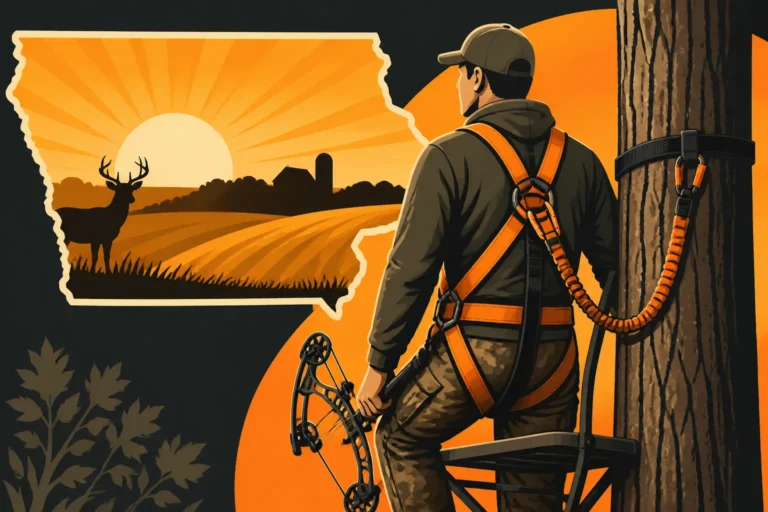
It’s easy to think of a full-body safety harness as just another piece of clothing you throw on, perhaps a bit cumbersome, maybe even a little annoying, especially when you're trying to layer up for a chilly late-season sit. But let's be absolutely clear: this isn't a fashion accessory or a mere formality. Your harness is the most crucial piece of safety equipment you own when you're off the ground. It's designed to literally catch you and hold you safely should the unthinkable happen and you slip, a tree branch breaks, or your stand fails.
The problem arises when we treat it casually. We might buy one that's a size too big because it was on sale, or we don't take the time to adjust the straps properly. This complacency can turn a life-saving device into something that could actually contribute to injury after a fall. A poorly fitted harness can cause uncomfortable pressure points, make it harder to self-rescue, and, most importantly, increase the risk of suspension trauma, even if it catches you. So, let's change our mindset: your harness isn't just a vest; it's your personal safety net, and it deserves your full attention and respect.
Understanding the Dangers of a Fall
When you're perched twenty feet up in a big Iowa oak, the ground seems a long way off. A fall from that height, even if you manage to avoid hitting your head, can result in broken bones, internal injuries, or worse. We've all heard the stories, or maybe even had a close call ourselves, of a foot slipping on a climbing stick covered in frost, or a stand shifting unexpectedly. It's not a matter of "if" it could happen, but "when" you might face such a moment of truth.
The impact alone is terrifying, but without a harness, that impact is direct and unforgiving. Even with a harness, if you're not properly secured to a tree with a lineman's belt while climbing or a tree strap while stationary, you're at risk. Remember, the goal isn't just to survive the fall, but to survive the aftermath, which is where proper harness fit and the understanding of suspension trauma become paramount. Always double-check your gear and your connection points. Many hunters overlook the importance of staying tethered from the moment their feet leave the ground until they return, but it's a non-negotiable step for true safety. Climbing Sticks and Platforms are only as safe as your connection to the tree.
The Silent Threat: Suspension Trauma
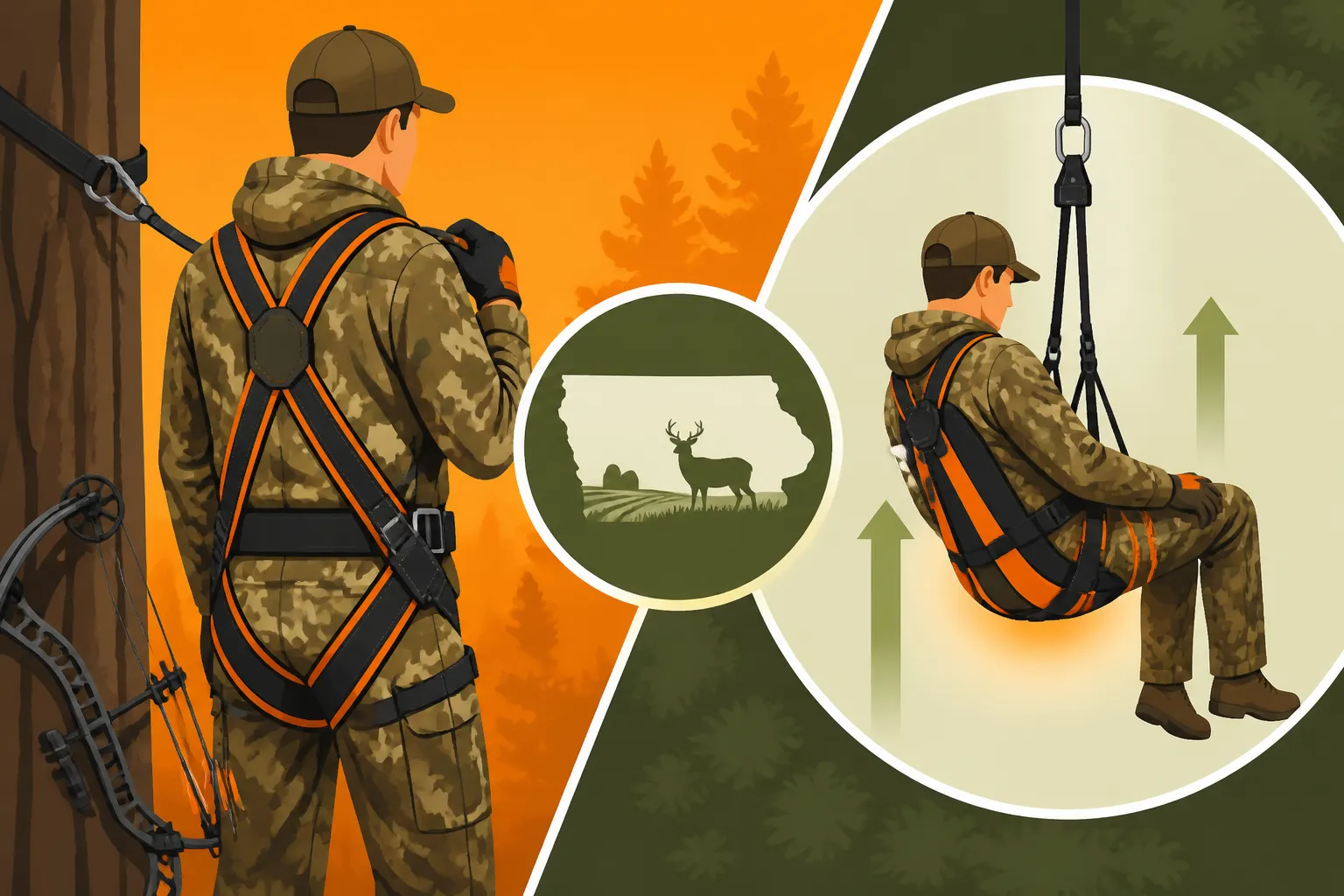
Imagine you've fallen, and your harness has done its job – you're hanging by your tether. Relief, right? Well, yes, but only for a short time. This is where suspension trauma, also known as orthostatic intolerance, becomes a very real and life-threatening concern. When you're hanging motionless in an upright position, the blood in your legs starts to pool due to gravity. Your heart struggles to pump this blood back up, reducing the flow of oxygenated blood to your brain and other vital organs.
Within minutes, you can start to experience dizziness, nausea, shortness of breath, and visual disturbances. If not addressed quickly, this can escalate to unconsciousness, kidney failure, and eventually death. It's a silent killer because it often doesn't involve external injury, but rather an internal systemic shutdown. Many hunters don't even know this is a risk, focusing only on not hitting the ground. This makes understanding and preparing for suspension trauma just as vital as preventing the fall itself. This is why having a plan for self-rescue or a suspension relief device is absolutely critical.
Achieving the Perfect Fit: More Than Just Zipping Up
Putting on your harness correctly is not rocket science, but it's often rushed. Many harnesses come with a vest-like design, making it seem intuitive, but the real work is in adjusting those straps. Think of it like adjusting the straps on a backpack for a long hike; a poor fit quickly becomes uncomfortable and inefficient. With a harness, a poor fit can be fatal. Take the time, every single time, to ensure it’s snug in all the right places, allowing for movement without being loose, and critically, ensuring the leg straps aren't cutting off circulation.
A properly fitted harness distributes the force of a fall evenly across your body, minimizing the impact and keeping you upright. It also positions the leg straps correctly to prevent them from becoming dangerous tourniquets during a suspension event. This isn't a "set it and forget it" kind of deal, either. Your fit might change depending on the layers of clothing you're wearing – a heavy winter parka is very different from a light early-season jacket. So, each time you head out, pause and reassess your fit.
Step-by-Step Harness Adjustment
Let's walk through this crucial process. First, put the harness on over your hunting clothes, including any heavy jackets or bibs you plan to wear. This ensures the fit accounts for your actual hunting setup. Next, connect the main buckles. Most harnesses have a primary chest or torso buckle and then leg buckles. Ensure these are securely fastened.
Now, for the adjustments:
- Shoulder Straps: Adjust these so the D-ring (where your tether attaches) sits between your shoulder blades, centered on your back. It shouldn't be too high, pulling up on your neck, or too low, making it difficult to connect your tether. The shoulder straps should feel snug, not constricting, but firm against your body.
- Leg Straps: This is often where people go wrong. The leg straps should be pulled through your groin area and tightened until they are snug against your upper thighs. You should be able to comfortably slide your hand flat underneath the strap, but not a clenched fist. If they're too loose, they can ride up into your abdomen during a fall, causing significant internal injury. If they're too tight, they can restrict blood flow even before a fall, and certainly accelerate suspension trauma after one.
- Chest/Torso Straps: These straps should hold the harness firmly around your chest, preventing it from riding up or twisting. Again, snug but not overly restrictive, allowing for full range of motion needed for drawing a bow or shouldering a firearm.
Many hunters use the helpful GoHunt app for e-scouting, but while you're looking at those aerial maps, take a moment to consider your physical safety gear too. A well-adjusted harness is your best defense against gravity.
| Harness Component | Proper Fit Description | Common Mistake | Risk of Poor Fit |
|---|---|---|---|
| D-Ring (Back) | Centered between shoulder blades, firm but not pulling. | Too high/low, off-center. | Improper posture during fall, difficult tethering. |
| Shoulder Straps | Snug, not cutting into shoulders; even tension. | Too loose, creating slack; too tight, restricting movement. | Harness shifting, discomfort, reduced range of motion. |
| Leg Straps | Snug against upper thighs; one flat hand can fit. | Too loose (gaps), too tight (pinching). | Internal injury in a fall, accelerated suspension trauma. |
| Chest/Torso Strap | Firm around chest, preventing twisting; full movement. | Too loose, harness shifts; too tight, restricts breathing. | Harness displacement, discomfort, reduced flexibility. |
Checking for Comfort and Mobility
Once everything is adjusted, move around a bit. Mimic drawing your bow, shouldering your gun, turning to glass, or reaching for your quiver. Can you do all of this without feeling restricted or having the harness shift excessively? If the answer is no, make small adjustments until you find that sweet spot of security and mobility.
It's also a good idea to practice a "mini-hang." While still on the ground, or a very low, secure platform, briefly put some weight on your tether to feel how the harness distributes your weight. This isn't a full test, but it gives you an idea of any immediate pressure points or areas that feel too loose or tight. This simple check can help you refine the fit, making you more comfortable and safer when you're actually up in the tree. Remember, comfort contributes to being able to focus on the hunt, and not on nagging gear issues. Cold Weather Stand Clothing and how it interacts with your harness is an important consideration.
The Critical Importance of Suspension Relief
So, you've fitted your harness perfectly, and it's caught you after a fall. What now? This is where suspension relief comes into play. You absolutely cannot hang there indefinitely. Every minute counts to prevent suspension trauma. Having a plan and the right tools to either get yourself back into your stand or relieve the pressure on your legs is non-negotiable. Don't assume someone will find you immediately. You might be hunting alone, or your hunting partner might be out of earshot.
Many harnesses come with a built-in suspension relief strap, often a small strap tucked into a pouch that can be deployed to create a loop for your feet. If your harness doesn't have one, you need to carry a separate device or a specific length of rope for this purpose. The goal is to get your weight off your leg arteries and allow blood to circulate.
Deploying Your Relief Strap or Device
If you fall and are suspended, the very first thing you need to do, after ensuring your weapon is secure and you're not in immediate danger, is to deploy your suspension relief device. Most integrated relief straps are easy to access. You simply pull them from their pouch, unfold them, and connect them to create a loop. Step into this loop with one or both feet.
Once your feet are in the loop, you can stand up in it, even if it's just partially, to take the pressure off your leg straps and allow blood flow. This buys you precious time while you assess your situation and plan your next move. Practice deploying this device at ground level, so it's second nature if you ever need it in a high-stress situation. Don't wait until you're actually suspended to figure it out. Understanding Safety Harnesses and Lifelines goes beyond just wearing them; it's about knowing how to use all their features for self-rescue.
Self-Rescue Strategies After a Fall
Once you've deployed your relief strap and stabilized yourself, you need a plan to get down or back into your stand. If your fall was minor and your stand is still secure, you might be able to use your climbing sticks or the stand platform to get back up. However, this depends heavily on your physical condition after the fall and the stability of your equipment. Never attempt to re-enter a damaged or unstable stand.
If getting back into the stand isn't an option, you'll need to work your way down. This could involve slowly lowering yourself using your tether if it's adjustable, or signaling for help if you have a communication device. Carrying a small emergency whistle or a fully charged cell phone (with offline maps like those on GoHunt for emergency services) is critical. Many hunters will also carry a knife to cut branches away or, in a dire emergency, to cut their tether if they can safely descend. Remember, every situation is unique, but having practiced scenarios in your head can make a huge difference. Consider the terrain you hunt; Getting a Deer Out of an An Iowa Creek Bottom might be tough, but getting yourself out after a fall is even more so.
Pre-Hunt Checks and Other Safety Practices
A safety harness is only one part of an overall comprehensive safety strategy when hunting from an elevated position. The most sophisticated harness in the world won't save you if the tree you're in is dead, or your stand is improperly mounted. Before every hunt, and certainly before the season even begins, a thorough check of all your gear and your chosen stand location is paramount.
We often get caught up in the excitement of hunting season, especially with Iowa's reputation for big deer. But taking a few extra minutes for safety can mean the difference between coming home with a story and not coming home at all. This vigilance needs to extend beyond just your harness to every aspect of your elevated hunting setup.
Inspecting Your Stand and Tree
Before you even climb, take a good look at your treestand. Check all welds, cables, straps, and bolts for any signs of wear, rust, or damage. Rodents can chew through straps, and weather can degrade materials over time. If anything looks questionable, replace it or repair it before using the stand. This goes for climbing sticks and ladder sections too. Each component plays a role in your overall safety.
Next, inspect the tree itself. Is it alive and healthy? Are there any dead branches above you that could fall? Is the trunk solid and free of rot? Is the bark stable for your stand's contact points? What about the diameter? Most stands have a recommended tree diameter range for safe use. Choosing the right tree is just as important as choosing the right stand. If you're using a mobile setup, checking the tree is even more important, as you might be setting up on a new tree each time. Think about Best Stand Locations in Rolling Timber – sometimes the "best" isn't the safest.
Essential Gear for Enhanced Safety
Beyond your harness and stand, there are other pieces of gear that significantly enhance your safety. A reliable lineman's belt is crucial for safely ascending and descending, allowing you to stay connected to the tree at all times. This prevents falls during the most vulnerable parts of your climb. A strong pull rope, securely attached to your stand, allows you to safely hoist your bow or firearm once you're settled, preventing accidents while climbing with equipment.
Always carry a fully charged phone for emergencies, and consider a backup battery pack, especially in cold weather where phone batteries drain faster. A headlamp with fresh batteries is a must for navigating in the dark, and a signaling device like a whistle can be a lifesaver. Finally, always tell someone exactly where you are hunting and when you expect to be back. The GoHunt app can help you pinpoint your exact location to share with a trusted contact. This simple act of Leaving a Trip Plan for a Public Hunt is often overlooked but provides an invaluable safety net.
Disclaimer
This article is for general informational purposes only and does not constitute professional advice. Laws, prices and regulations vary by location and change over time. Consult a qualified professional for guidance on your specific situation.